
1 / 9
1. Alfred Hitchcock Presents
Ah, the master himself. Every week, he'd glide out of the shadows, a gleam in his eye, to introduce another tale. These weren't just stories; they were little morality plays, often quite dark, with a twist that'd leave you chuckling or squirming. And in stark black and white, too – it added a certain starkness, a chilling simplicity that color just can't replicate. A true anthology, perfectly paced for its time.
2 / 9
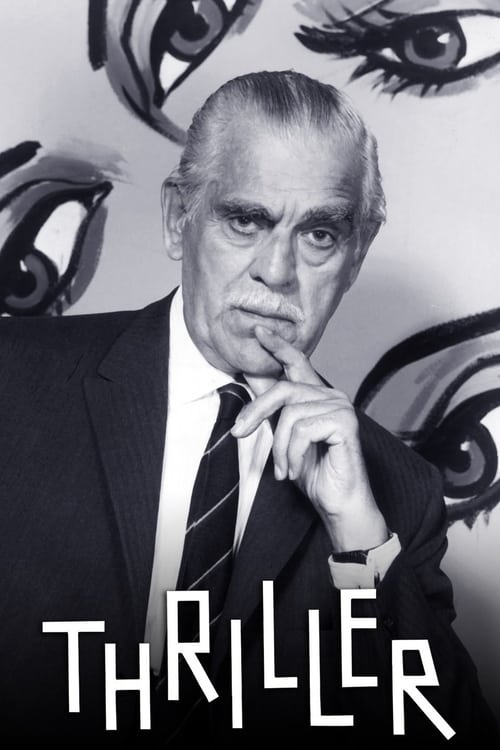
2. Thriller
Now, *Thriller* was a different beast from Hitch's show. With Boris Karloff as your host, you knew you were in for something genuinely unsettling, sometimes even supernatural. It pushed the envelope on network television, venturing into genuine horror, not just suspense. The shadows were deeper, the screams a bit sharper, and Karloff's presence was undeniable. It proved that the small screen could truly give you the creeps.
3 / 9
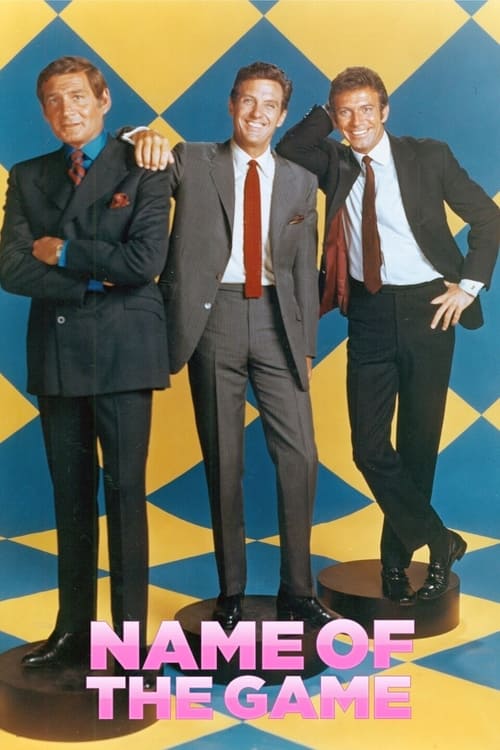
3. The Name of the Game
This one was ambitious, a real widescreen effort on the small screen. A ninety-minute rotating showcase for three distinct leads – Gene Barry, Robert Stack, and Tony Franciosa – each with their own investigative style. It felt like watching a movie every week, with a budget and scope that was pretty impressive for the era. A bold experiment in long-form storytelling, really.
4 / 9
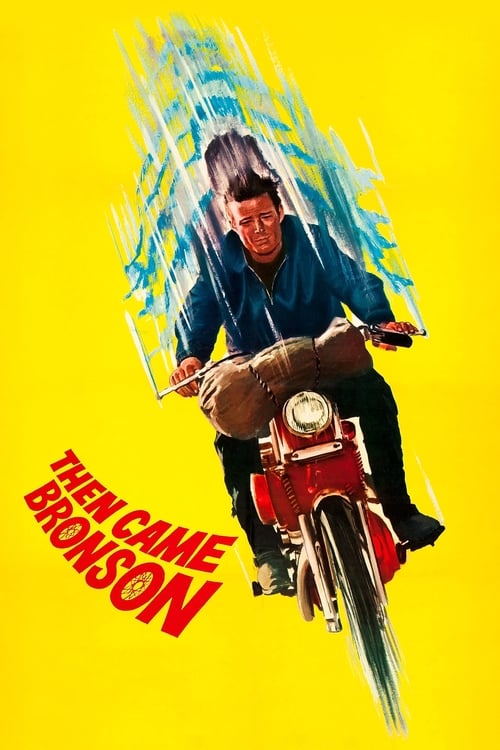
4. Then Came Bronson
Michael Parks as Bronson, just a man and his Harley, wandering America. It was less about solving crimes and more about finding yourself, or helping others find their way. A quiet show, often philosophical, a stark contrast to the action fare of the time. The landscape was a character, and Parks' brooding introspection gave it a melancholic, almost poetic feel. A true loner's journey.
5 / 9
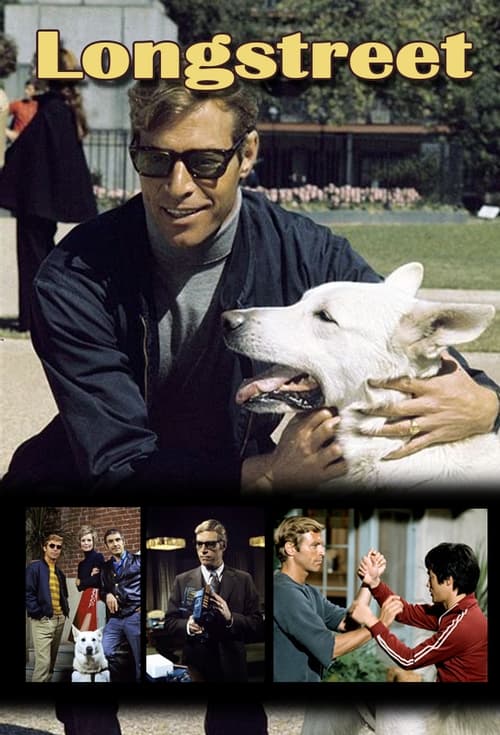
5. Longstreet
James Franciscus as the blind insurance investigator, Longstreet. What a premise! But what really made it memorable was the inclusion of Bruce Lee, teaching Longstreet martial arts. It wasn't just a procedural; it was about overcoming adversity, about sharp minds and even sharper fists. A true pioneer in showcasing martial arts to a wide American audience.
6 / 9

6. Banacek
George Peppard was just so dapper as Banacek, the Polish-American insurance investigator who specialized in impossible thefts. Every episode was a delightful puzzle, a "how did they do it?" until Banacek, with his clever quips and old-world proverbs, laid out the solution. It was smart, sophisticated, and a real pleasure to watch unfold. A true gentleman detective.
7 / 9
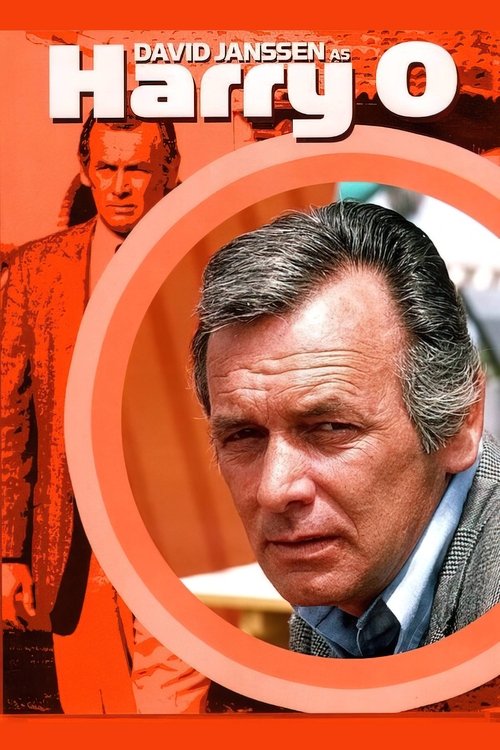
7. Harry O
David Janssen, after *The Fugitive*, gave us Harry Orwell, a private eye who lived by the beach and was always trying to avoid getting involved. But he always did. Harry was often bruised, always a bit cynical, and preferred to work alone, which suited Janssen's world-weary charm perfectly. A grittier, more down-to-earth detective show with real character.
8 / 9
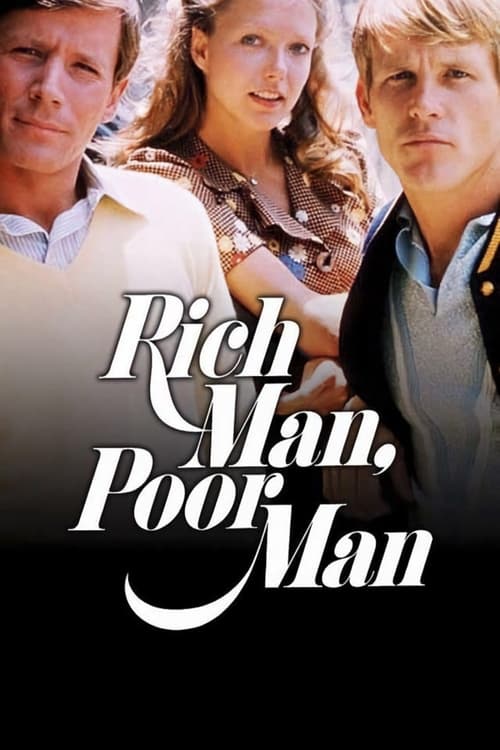
8. Rich Man, Poor Man
This was event television, no doubt about it. *Rich Man, Poor Man* captivated the nation with its sprawling, multi-generational saga. It showed us that TV could tell epic stories, stretching across years and lives, with character development you just couldn't get in a weekly hour. A true watershed moment for the miniseries, proving audiences craved long-form continuity.
9 / 9
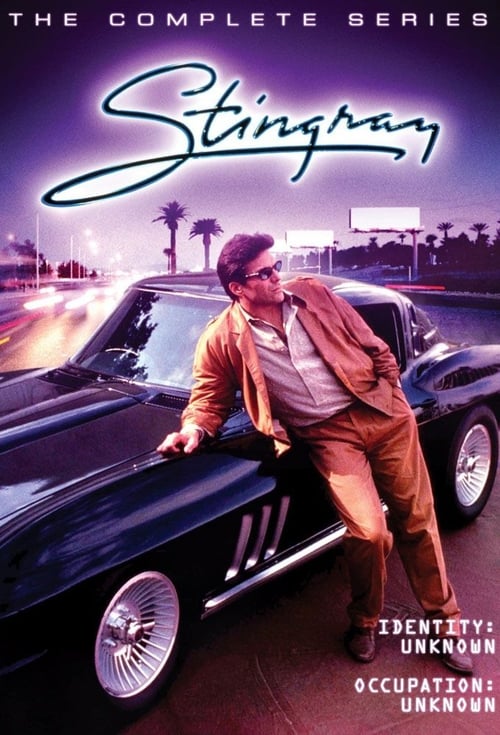
9. Stingray
Nick Mancuso as Stingray – or was it? He was the mysterious man who drove a black Corvette, showed up to help people in trouble, and only asked for a favor in return. It had that slick 80s aesthetic, sure, but also a wonderful sense of enigma. A lone wolf with a code, a bit of a fantasy, and a cool ride. Very stylish for its day.