1. Playhouse 90
Now, that was television! Live, ambitious, ninety minutes of pure drama right there in your living room. And not just any drama, but original stories, serious stuff, often with big-name stars. You felt like you were watching a play, but without having to put on your coat and go out. It proved what the small screen could really do, week after week. No second chances, just raw, powerful performance beamed straight to you.
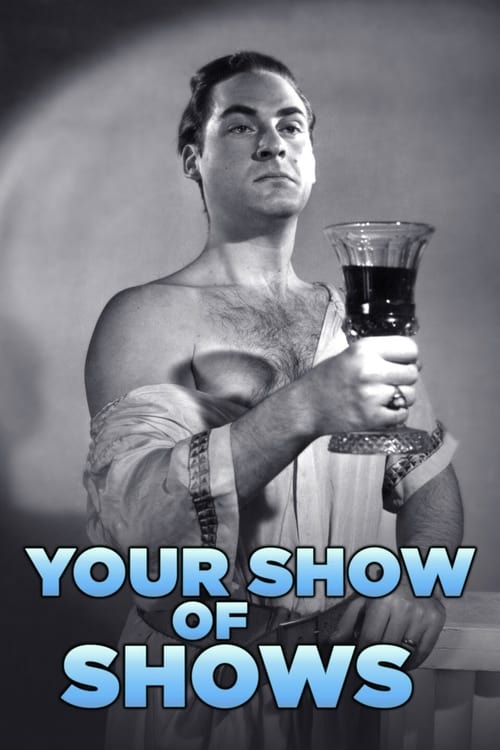
2. Your Show of Shows
Oh, Caesar and Coca! This was Saturday night for folks, pure electric energy. Live, of course, and those sketches, they were just brilliant. You had to tune in, because you knew anything could happen, and usually did. It was a whirlwind of talent, setting the bar for all those variety shows that came after. A real powerhouse, truly groundbreaking for its time, and still funny if you ever catch an old kinescope. A marvel of live television.

3. Naked City
This show, it changed how we saw New York. Forget those studio backlots, this was the real thing, out on the streets, filmed right there. And it wasn't just police stories; it was about the people, the everyday dramas of the city. Felt like a documentary at times, gritty and honest. It gave television a sense of place, a feeling of authenticity that was pretty rare back then. You really believed those eight million stories. A stark, effective melodrama.
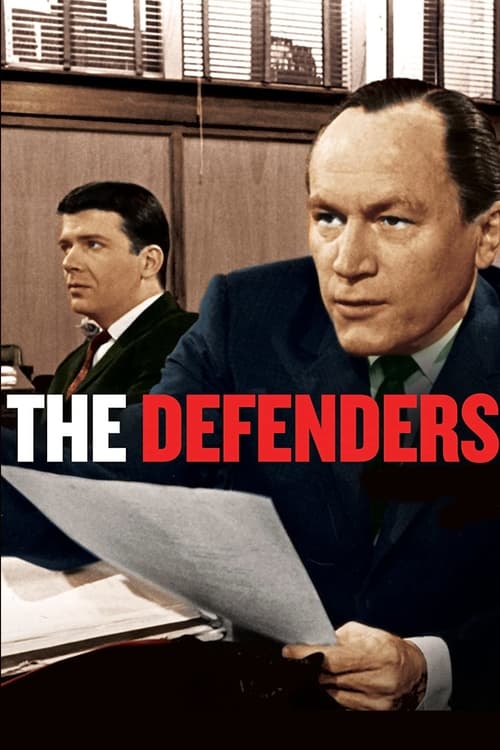
4. The Defenders
Here was a program that didn't shy away from the tough questions. A father and son, both lawyers, tackling the social issues of the day head-on. Civil rights, capital punishment, censorship – they put it all out there. It wasn't just about winning a case; it was about justice and morality. And it made you think, really think, which wasn't always a given on television back then. A proper courtroom drama with a conscience, in glorious black and white.
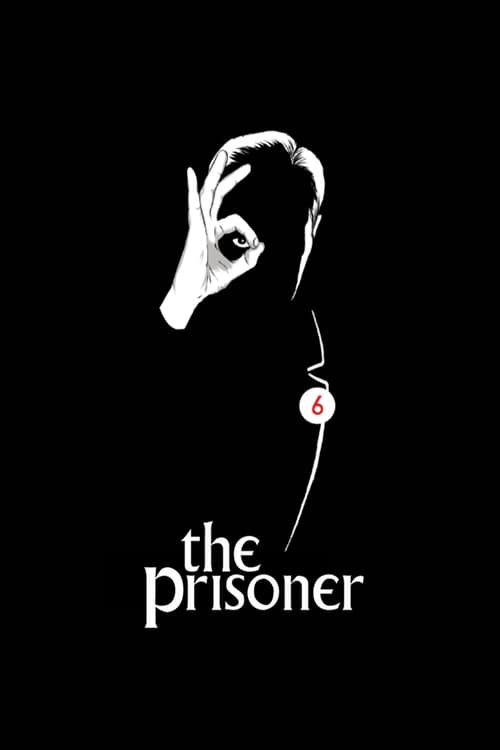
5. The Prisoner
Well, this was certainly... different. Patrick McGoohan, trapped in that bizarre village, constantly fighting for his individuality against 'The Establishment.' It was all very mysterious, very allegorical, and utterly captivating. You never quite knew what was going on, but you couldn't stop watching. It pushed the boundaries of television storytelling, truly mind-bending stuff. And that Rover! An unforgettable, perplexing puzzle of a show. Number Six was one of a kind.
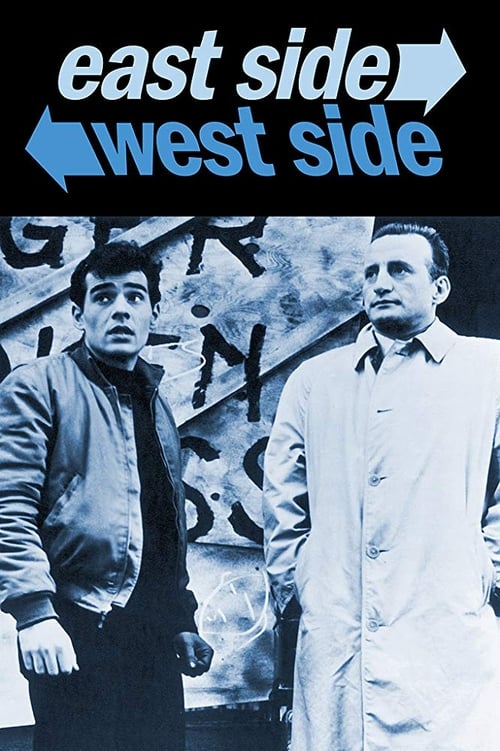
6. East Side/West Side
George C. Scott, right there, dealing with the harsh realities of urban life as a social worker. This show, it didn't pull any punches. Poverty, racism, mental illness – serious topics for the early sixties, often shown in stark black and white. It was perhaps too real for some audiences back then, but it showed television could tackle important, uncomfortable truths. A brief but impactful look at the underbelly of the city, ahead of its time.
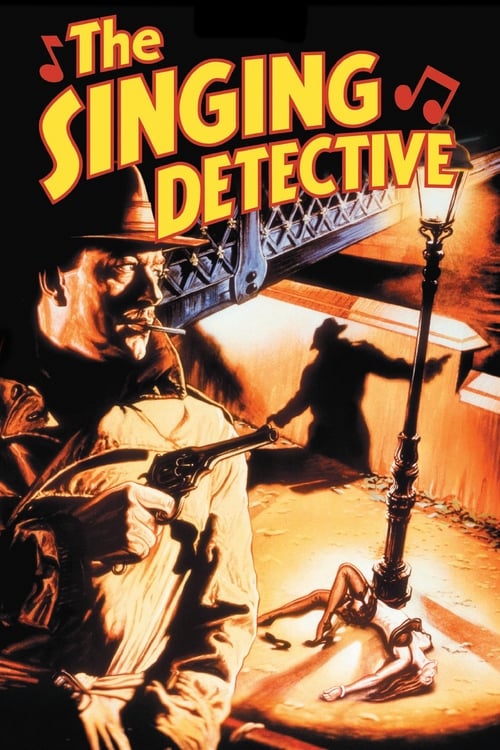
7. The Singing Detective
Now, this was a bold swing, even for the British. Dennis Potter, and his incredible story, mixing a bedridden detective’s fever dreams with classic song and dance. It was a whole new way to tell a story, jumping through time and imagination, weaving a complex tapestry. You had to pay attention, but the rewards were immense. A true miniseries masterpiece, proving television could be as rich and challenging as any novel. Nothing else quite like it.
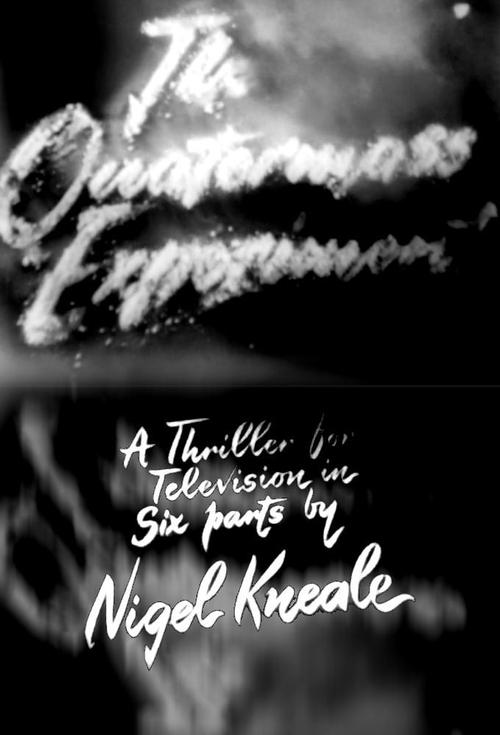
8. The Quatermass Experiment
Before we even had proper sci-fi movies, there was Quatermass. Live from the BBC, this was a gripping, scary tale of an astronaut returning from space changed. It was a real event, a serialized thriller that kept everyone glued to their sets, wondering what horror would unfold next. Groundbreaking for its time, proving that science fiction could be intelligent and terrifying on the small screen. And all in glorious, stark black and white. A true original.