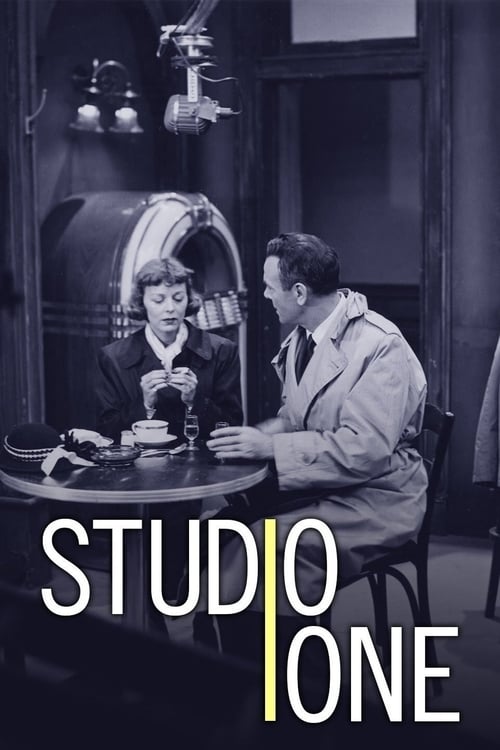
1. Studio One
This was live television, pure and simple, right from the start. Imagine the tension, the sets moving, the actors hitting their marks with no second takes. '48 was early days, and you could feel the electricity, the pioneering spirit. It was theatre for the small screen, black and white, but full of vivid emotion. And the performances, well, they had to be good, because there was no editing to save you. A true snapshot of television's birth.
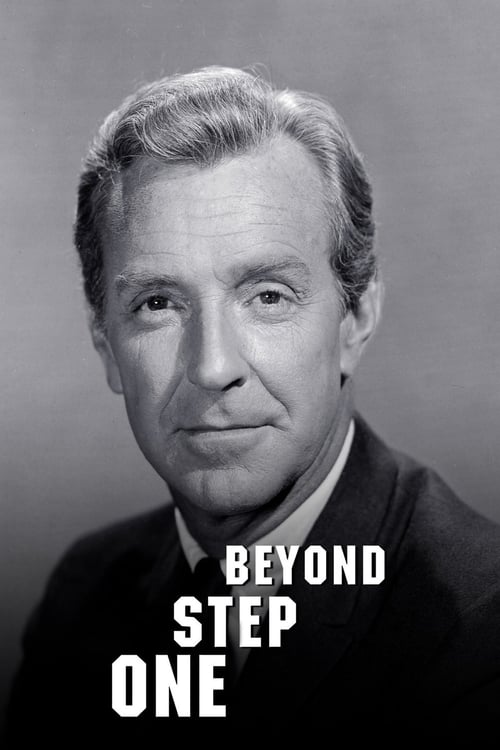
2. One Step Beyond
Before you had aliens, you had this. John Newland, always with that serious look, telling tales of the unexplained. It wasn’t about monsters or jump scares, but that quiet, unsettling feeling, the kind that makes the hairs on your arm stand up. In black and white, those shadows and strange occurrences felt even more real, or at least, more convincing. A real curiosity, showing that you didn't need big budgets to make you wonder.

3. Naked City
"There are eight million stories in the Naked City. This has been one of them." And it always felt that way, didn't it? Filmed right on the streets of New York, not some backlot. The 1958 version, you really saw the city as a character, grimy and alive. It broke away from the studio-bound dramas. You got a sense of real life, real people caught up in real trouble. That raw, documentary feel, it was something else back then.
4. Route 66
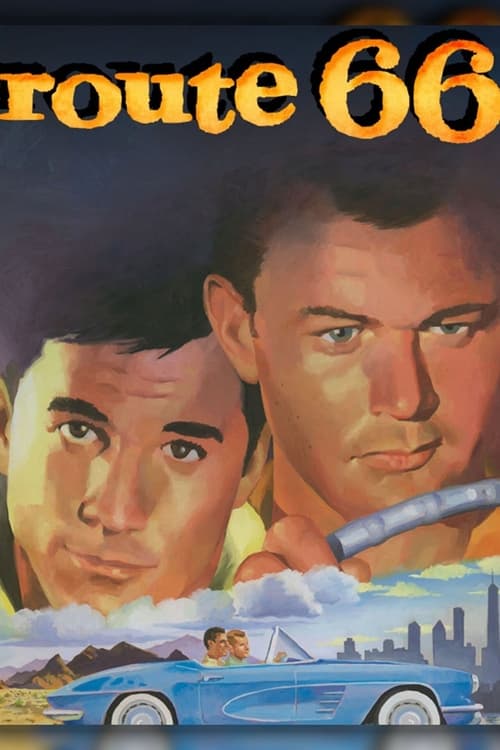
Two young fellas, Buz and Tod, driving across America in a Corvette. This wasn't a show rooted in one place; it was about the journey, the people they met, the troubles they found. Each week, a new town, new faces, new problems. It gave you a sense of the vastness of the country, and the different lives out there. And it was filmed on location, which was still a big deal in 1960. Pioneering for its time, really.
5. Thriller
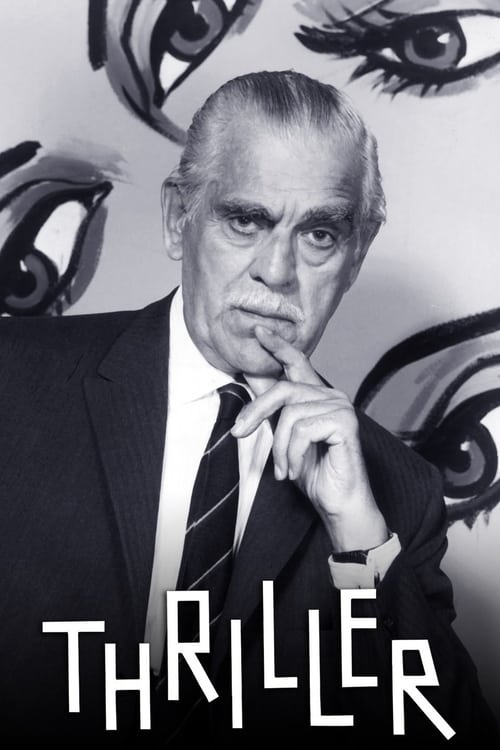
Now this one, it delivered exactly what the title promised. Boris Karloff, the master, introducing some truly chilling tales. Not just monsters, mind you, but psychological dread, the kind that slowly creeps up on you. And in black and white, those shadows and the atmosphere were just perfect for the macabre. The 1960 series set a standard for suspenseful anthology, showing you what television could do to get under your skin.
6. East Side/West Side
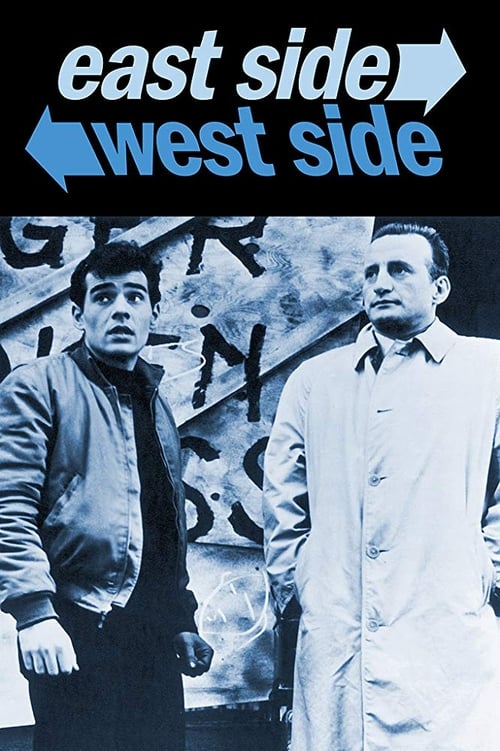
This was a serious show, tackling real issues in 1963. George C. Scott as a social worker, no easy answers, just the messy reality of urban life. It wasn't always comfortable viewing, but it felt important. The black and white photography only added to the stark, documentary feel, making the struggles of those New York neighborhoods feel incredibly immediate. It was ahead of its time, really, unafraid to explore the darker corners of society.
7. The Invaders
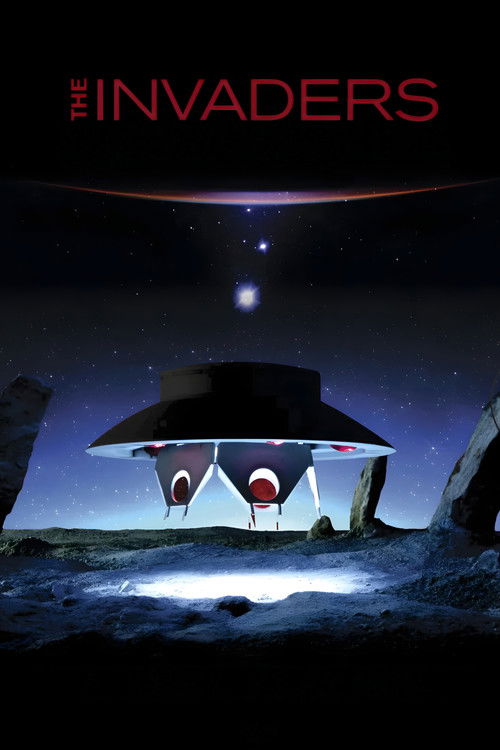
"They are here. The Invaders." A classic premise: one man knows the truth, and no one believes him. David Vincent, trying to expose alien invaders who looked just like us. The 1967 series tapped into that Cold War paranoia, that feeling of not knowing who to trust. It had that early serialized tension, where you kept coming back to see if he'd finally convince someone, or just how close he'd get. Pure paranoia, pure suspense.
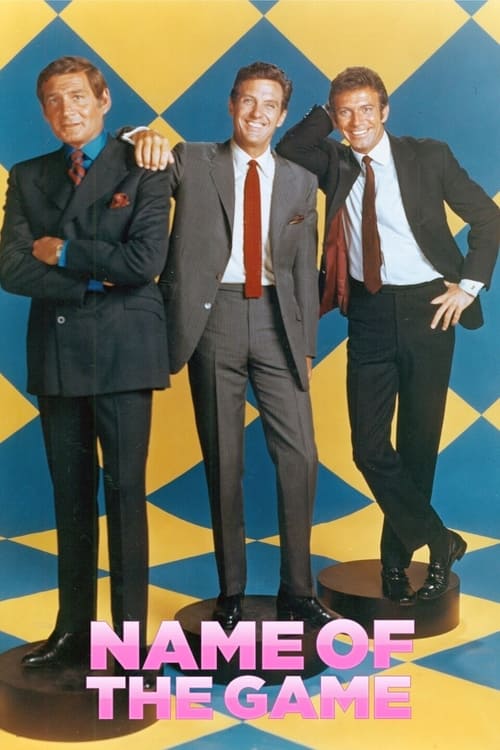
8. The Name of the Game
Three big stars – Robert Stack, Tony Franciosa, Gene Barry – each taking a turn as the lead in a different segment of a magazine empire. It was an ambitious experiment for 1968, mixing crime, drama, and sometimes even a touch of espionage. The longer format allowed for more intricate plots, almost like a movie each week. And with those rotating leads, you got variety, but still within that overarching framework. Quite a production for its day.
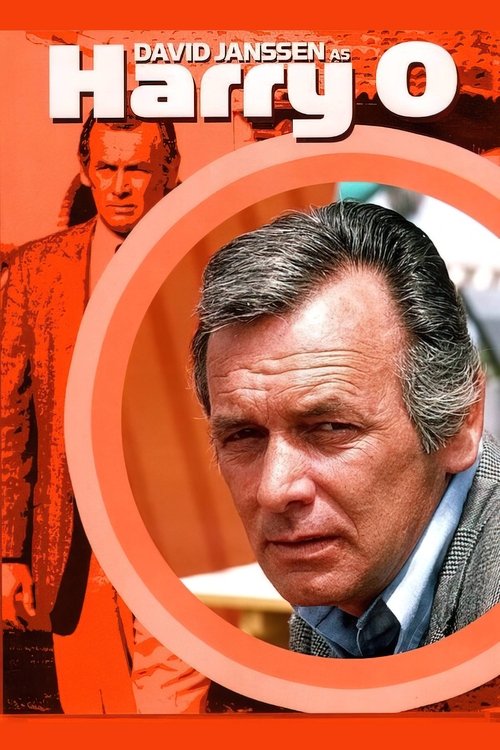
9. Harry O
James Garner, always a pleasure to watch. As Harry Orwell, the laid-back, injured detective living by the beach, he brought a different kind of private eye to the screen. It wasn't all hardboiled; there was a real wit to it, a quieter intelligence. Even in 1974, when cop shows were getting louder, Harry O kept it cool. And that San Diego setting, well, it was a nice change from the usual big city grime. A smart, enjoyable watch.