
#1
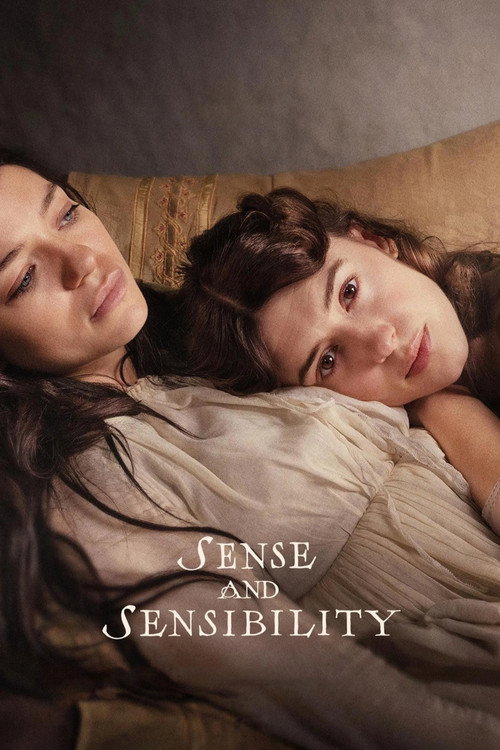
Sense and Sensibility
Austen adaptations live or die by their architectural framing of familial subtext. Arriving in September 2026, this iteration focuses its lens on the foundational mechanics of sisterhood and romance, keeping the witty conversational maneuvers squarely at the forefront. When an adaptation targets the layered dynamics between sisters, every silence during a tea service carries emotional weight. It takes the text's core structure and turns domestic endurance into a sharp, charming study of personal restraint.
#2
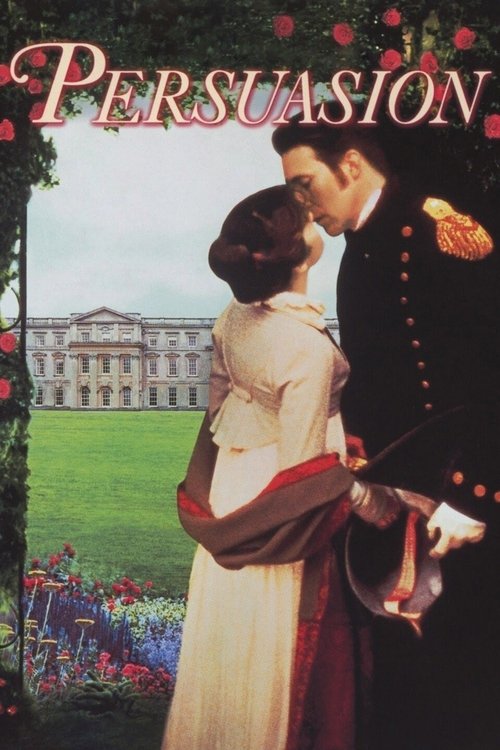
Persuasion
Look at the eyelines Roger Michell establishes in the crowded rooms of Bath. Anne Elliot operates as an invisible archivist in her own family, shoved into room corners until Frederick Wentworth enters the frame. The camera refuses clean Hollywood continuity, favoring chaotic foreground traffic that blocks their gaze. Watch the concert scene: Wentworth’s stiff posture and Anne’s trembling fingers clutching a program convey eight years of agonizing silence without either character articulating a single candid grievance aloud.
#3

The Age of Innocence
Scorsese treats nineteenth-century New York etiquette like the unspoken rules of a criminal syndicate. Watch the unpeeling of Madame Olenska’s glove inside the carriage. Newland Archer merely presses his mouth to her bare wrist, yet the gesture carries the narrative impact of an explosion. Every floral delivery of yellow roses functions as coded psychological warfare. The dinner tables are battlefield perimeters where tribal elders silence genuine passion through polite small talk, enforced eye contact, and pristine porcelain.
#4
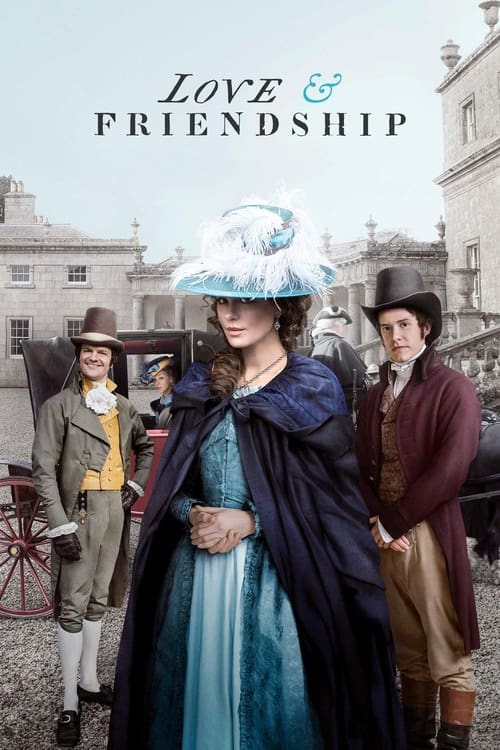
Love & Friendship
Whit Stillman cracked the subtextual code by making his protagonist weaponize decorum rather than suffer under it. Lady Susan Vernon treats Regency manners as a legalistic toolkit for survival. Watch her scenes with Alicia Johnson: the rapid-fire dialogue reads like encrypted court transcripts where financial desperation masquerades as moral advice. Stillman tracks the ruthless economy of eighteenth-century marriage settlements through cold social smiles, demonstrating that the polite drawing room operates as an active, calculating war room.
#5

Emma.
Autumn de Wilde designs every frame like a symmetrical dollhouse to expose the stifling rigidity underneath Highbury society. Track the ballroom dance sequence between Emma and Mr. Knightley. Their physical proximity causes panic because neither character knows how to process unspoken desire outside strict social choreography. Later, Knightley’s sudden nosebleed punctures the pristine aesthetic, externalizing the visceral, messy bodily stress that aristocratic manners usually force into absolute hiding. The geometric blocking tells the entire story.
#6

Bright Star
Jane Campion constructs the unspoken longing between John Keats and Fanny Brawne through tactile material motifs. The shared wall dividing their bedrooms becomes an architectural monument to physical denial. Notice how Fanny’s needlework mirrors Keats’s poetic meter; every tightened stitch signals an emotional boundary she refuses to surrender. When the window curtain billows across her bed, Campion captures the haunting absence of physical contact. Unexpressed grief lives entirely in the drafty air between two quiet rooms.
0 / 6