1 / 10
1. killer7
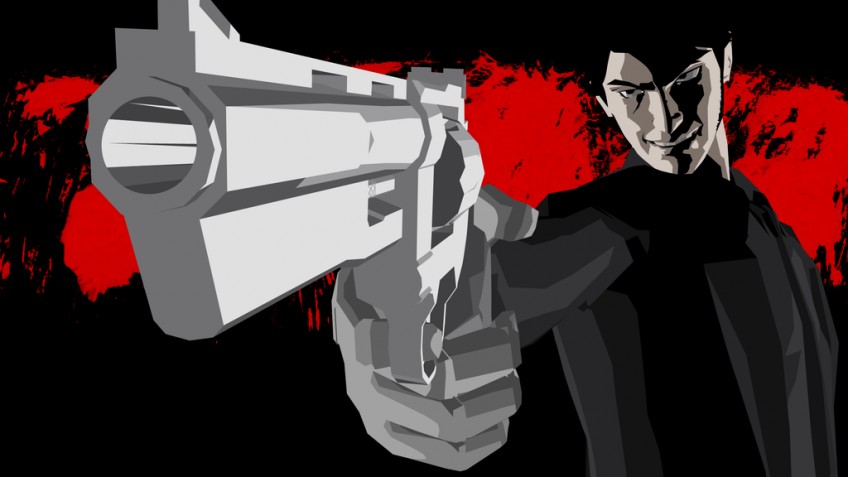
Man, Suda51's early work hits different. killer7 was an absolute trip, a stylish, on-rails fever dream with a story that felt like a twisted graphic novel come to life. People either got it or thought it was a mess, but its bizarre narrative and uncompromising vision are exactly what the industry lacks now. It needed more than a remaster; it needed a chance to expand its cult following into something bigger, without diluting its unique flavor.
2 / 10
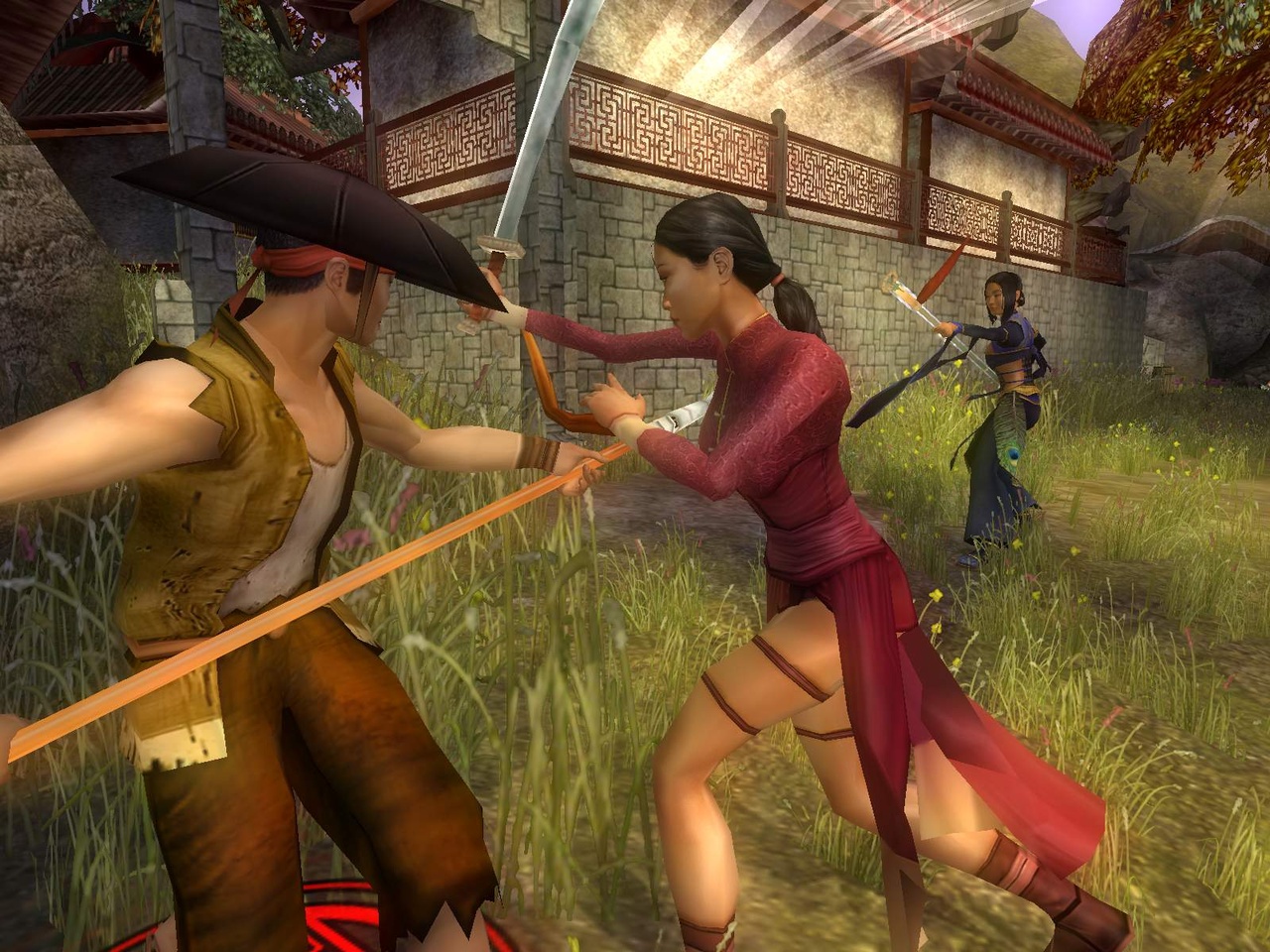
2. Jade Empire
Before BioWare became a household name with sci-fi and high fantasy, there was Jade Empire. This game offered such a unique, Eastern-inspired RPG world and a morality system that actually felt nuanced. It definitely had its rough edges, but the sheer heart and world-building were undeniable. It's a shame it never got the sequels or the modern polish it truly deserved, because that setting still has so much untapped potential.
3 / 10
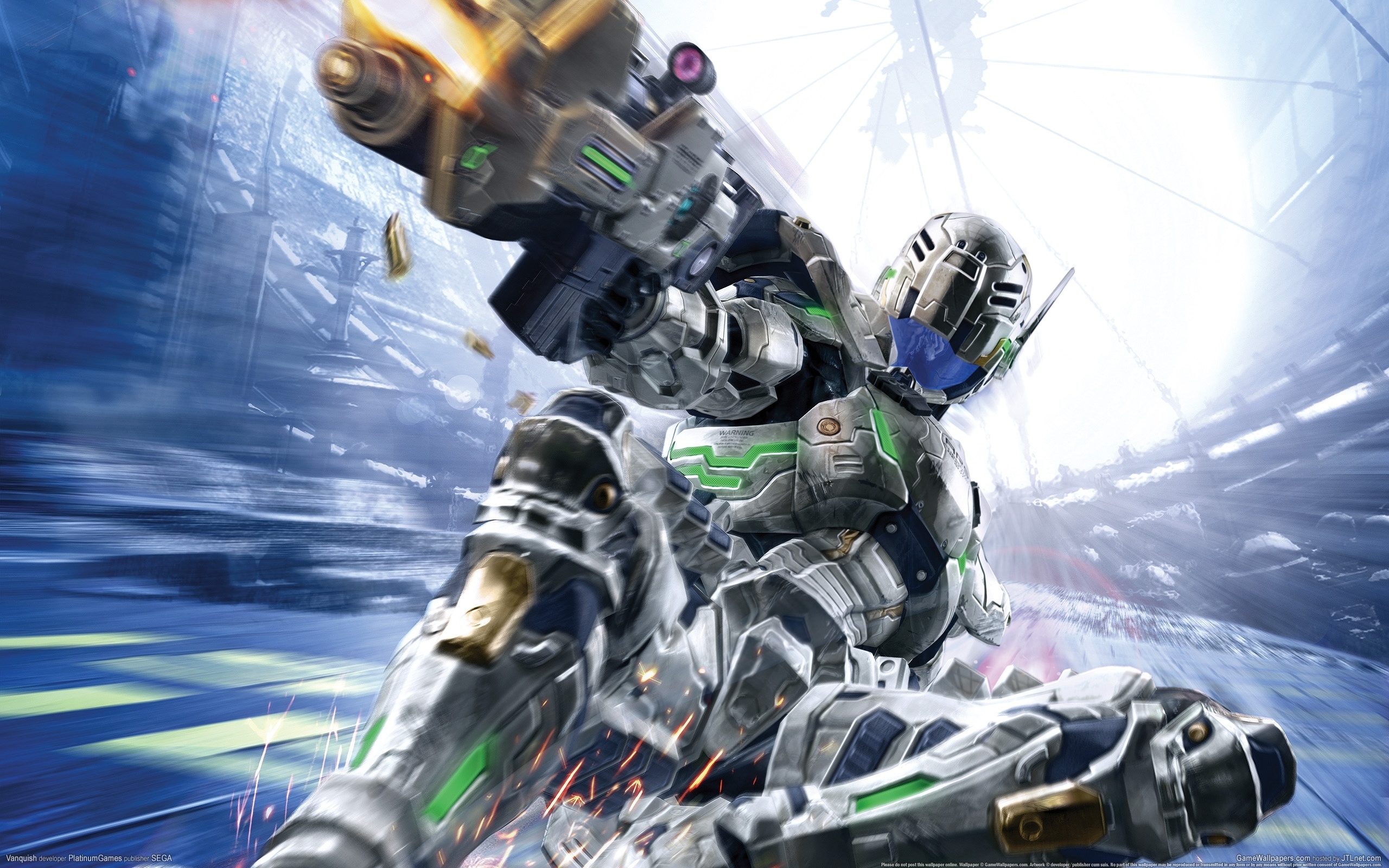
3. Vanquish
PlatinumGames just went full throttle with Vanquish. This wasn't just a shooter; it was a high-octane, slide-boosting, bullet-time ballet of destruction. It was short, sure, but every second was pure adrenaline. It felt like a groundbreaking tech demo for what third-person action could be, but the market at the time probably wasn't ready for such pure, unadulterated speed. Imagine this on current-gen hardware, polished to a mirror sheen.
4 / 10
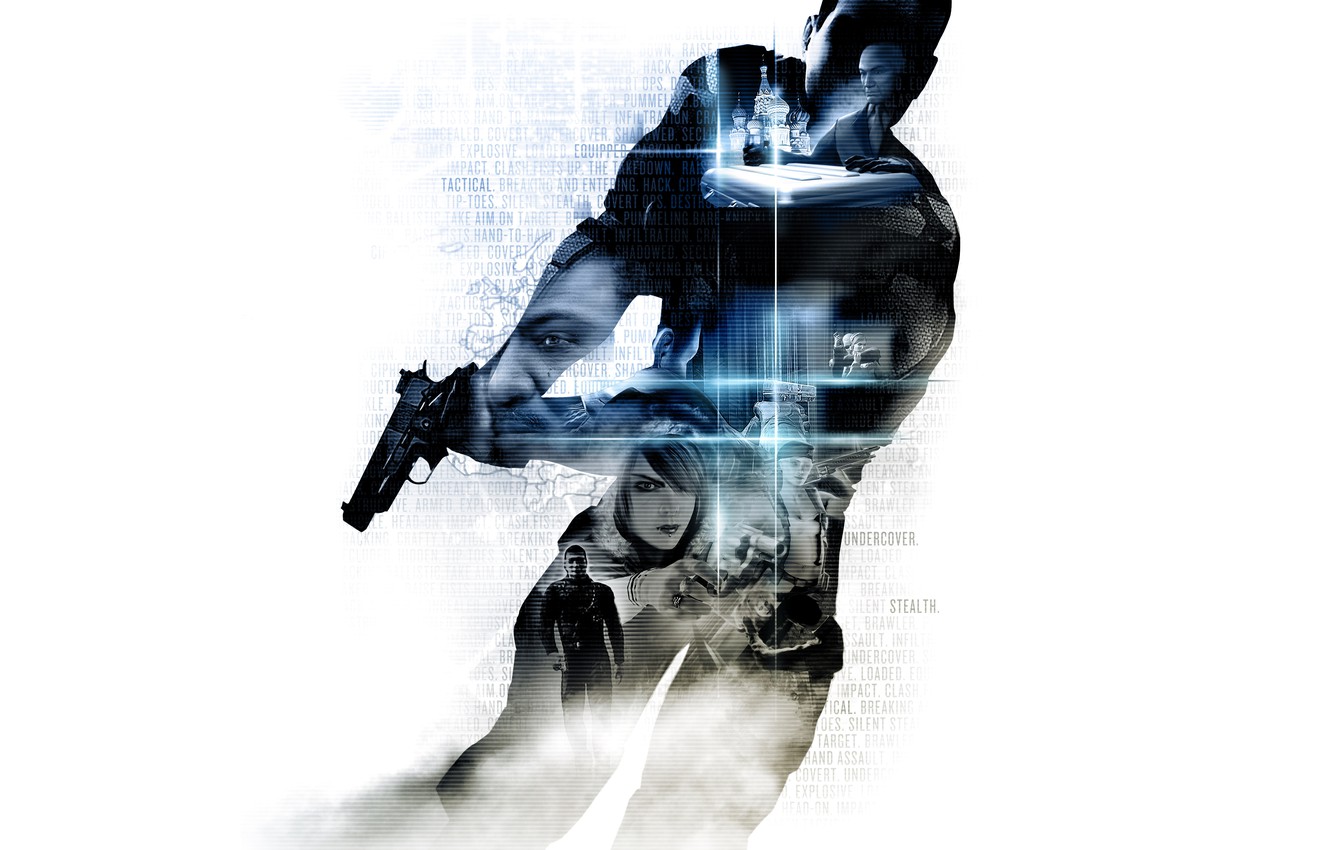
4. Alpha Protocol
Ah, Alpha Protocol, the jankiest spy RPG ever, and somehow one of the best. The combat was rough, no denying, but the choices? Man, they actually mattered. You could carve out your own narrative, make real enemies and allies, and every playthrough felt genuinely different. It was a victim of its own ambition and a tight budget. It deserved a proper, well-funded spiritual successor, not just to fade into cult classic status.
5 / 10
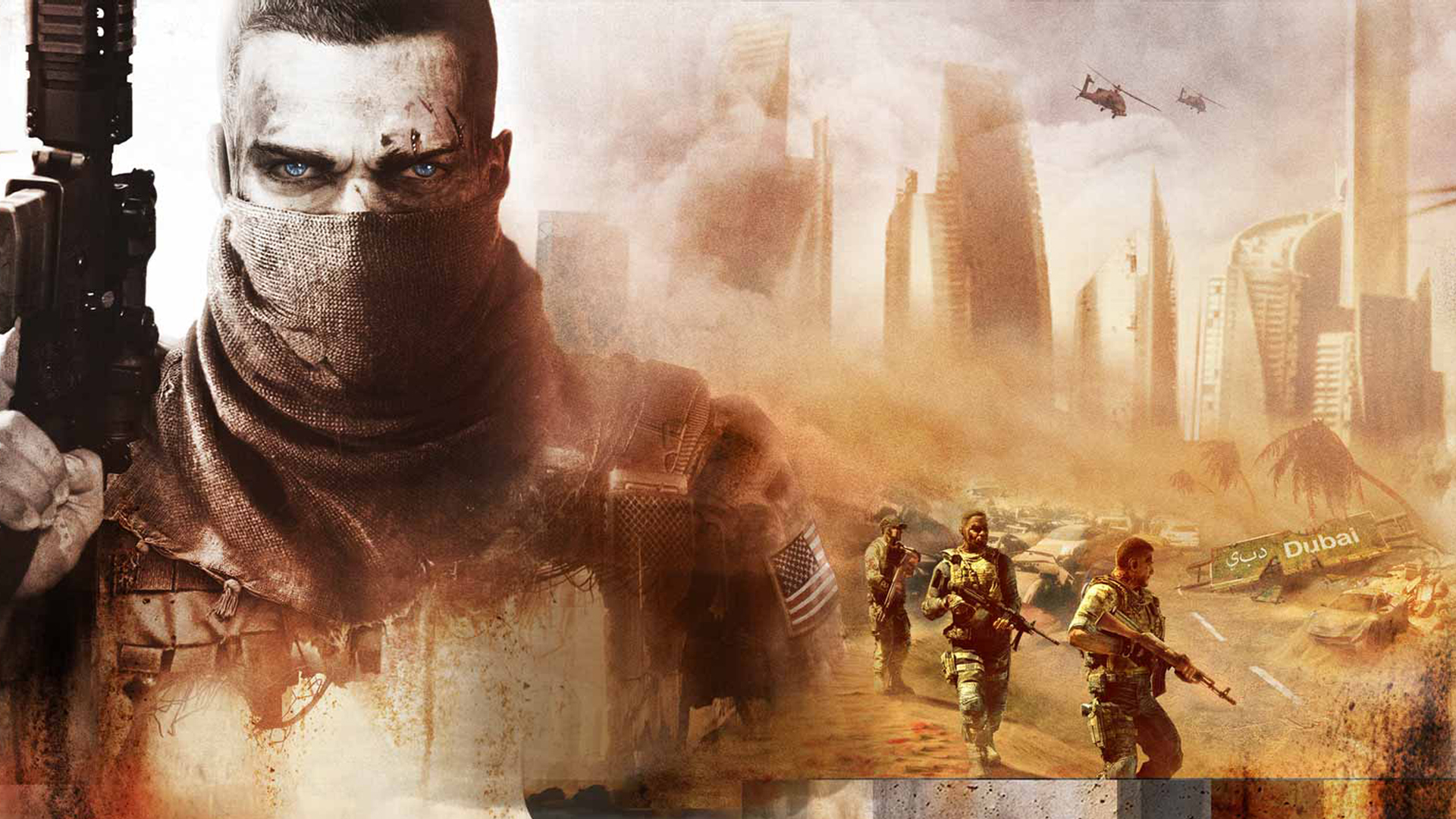
5. Spec Ops: The Line
This game wasn't just a shooter; it was a gut punch. Spec Ops: The Line tricked you into thinking it was another generic military FPS, then slowly pulled the rug out from under you, forcing you to confront the real horrors of war and your own role in it. Its marketing did it a disservice, because it's a powerful narrative experience that still holds up. It wasn't afraid to be uncomfortable, and that's rare.
6 / 10
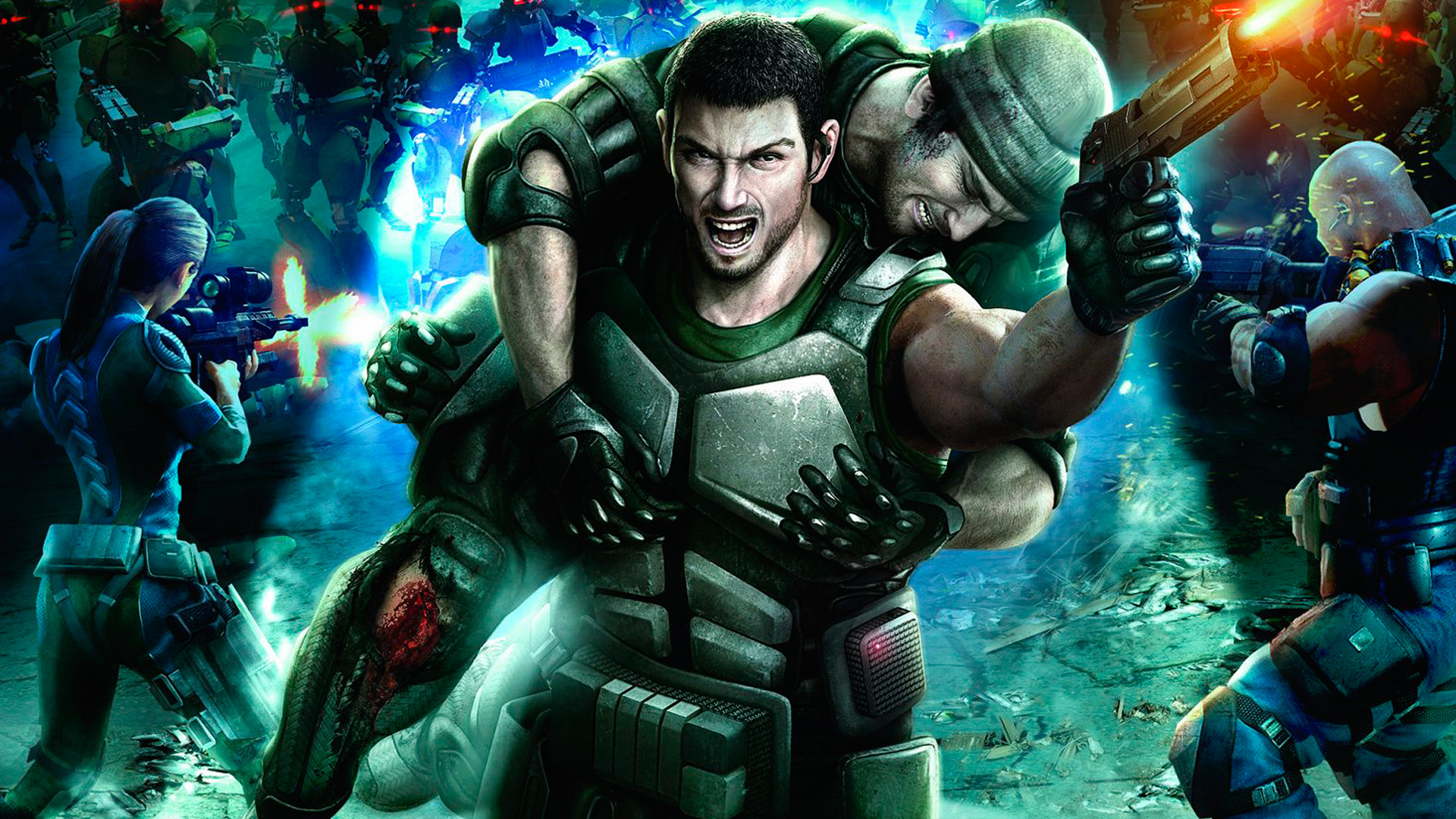
6. Binary Domain
Binary Domain was a delightful surprise. A third-person shooter with a surprisingly engaging story about humanity and AI, plus a "consequence" system for team commands that actually felt impactful. The robot designs were fantastic, and the destructible enemies were a blast. It had a B-movie charm and solid mechanics, but it just got lost in the shuffle. Sega really fumbled the ball by not giving this gem more love.
7 / 10
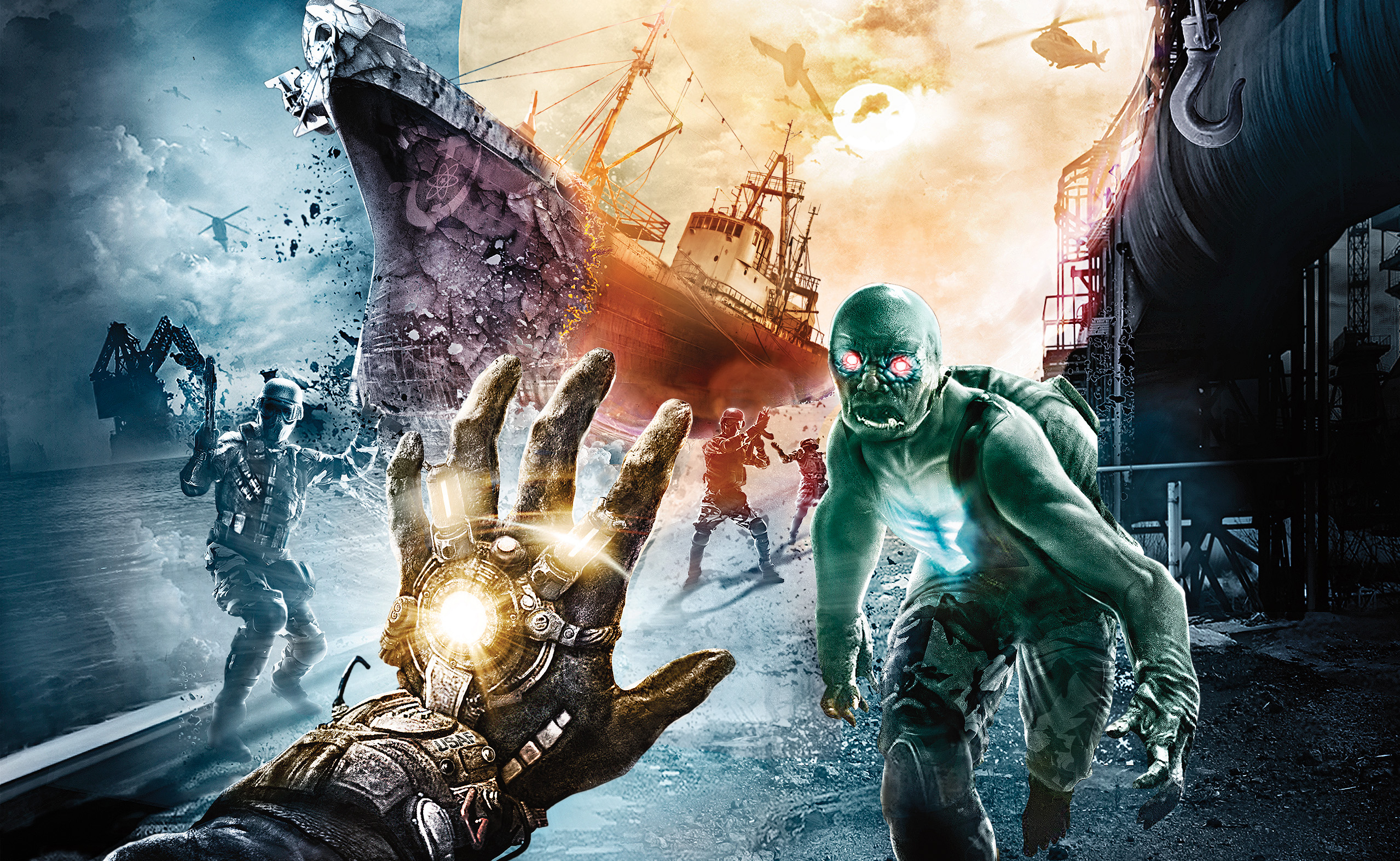
7. Singularity
Raven Software's Singularity felt like a hidden BioShock, but with time manipulation instead of plasmids. It had a genuinely creepy atmosphere, smart puzzles, and satisfying gunplay. You could age enemies to dust or reverse time to fix objects – super cool mechanics. But it arrived in a crowded market and got buried by Activision's behemoth franchises. It deserved far more recognition for its unique blend of sci-fi horror and FPS action.
8 / 10
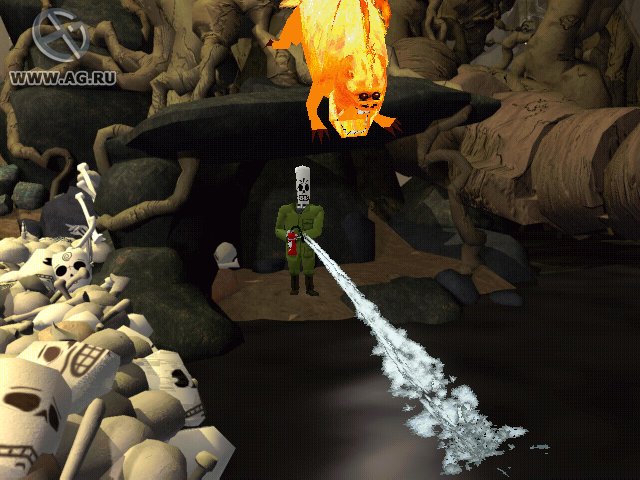
8. Grim Fandango
Look, Grim Fandango got a remaster, but even that felt like just a taste of what could be. This LucasArts classic was a masterpiece of storytelling, character design, and world-building, blending film noir with Mexican folklore. Its humor and heart are timeless. A full modern reimagining, retaining the point-and-click spirit but with contemporary design flair, would introduce this iconic adventure to a whole new generation.
9 / 10
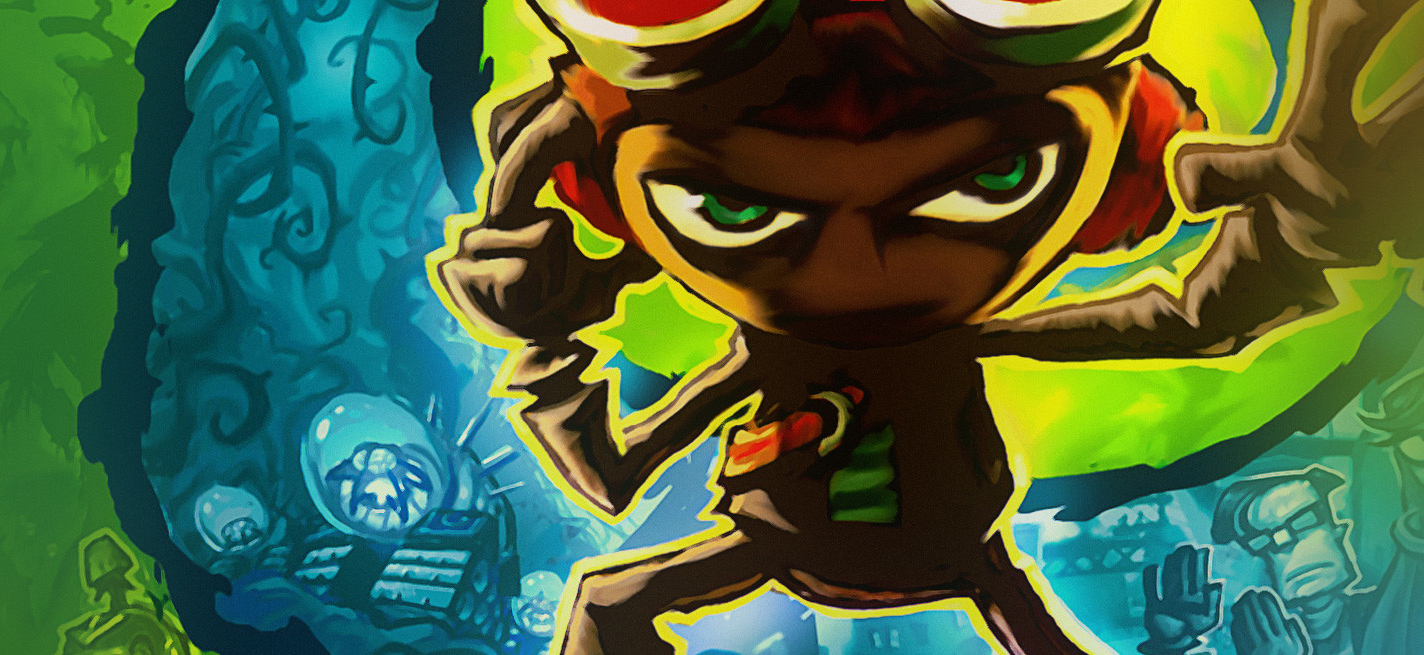
9. Psychonauts
Tim Schafer's Psychonauts was pure, unadulterated creative genius. Platforming through the minds of eccentric characters, solving puzzles, and confronting mental demons – it was imaginative, hilarious, and genuinely heartfelt. It struggled initially but became a beloved cult classic, especially after the sequel. The original still feels fresh, proving that innovative game design and strong narrative will always find their audience, eventually.
10 / 10
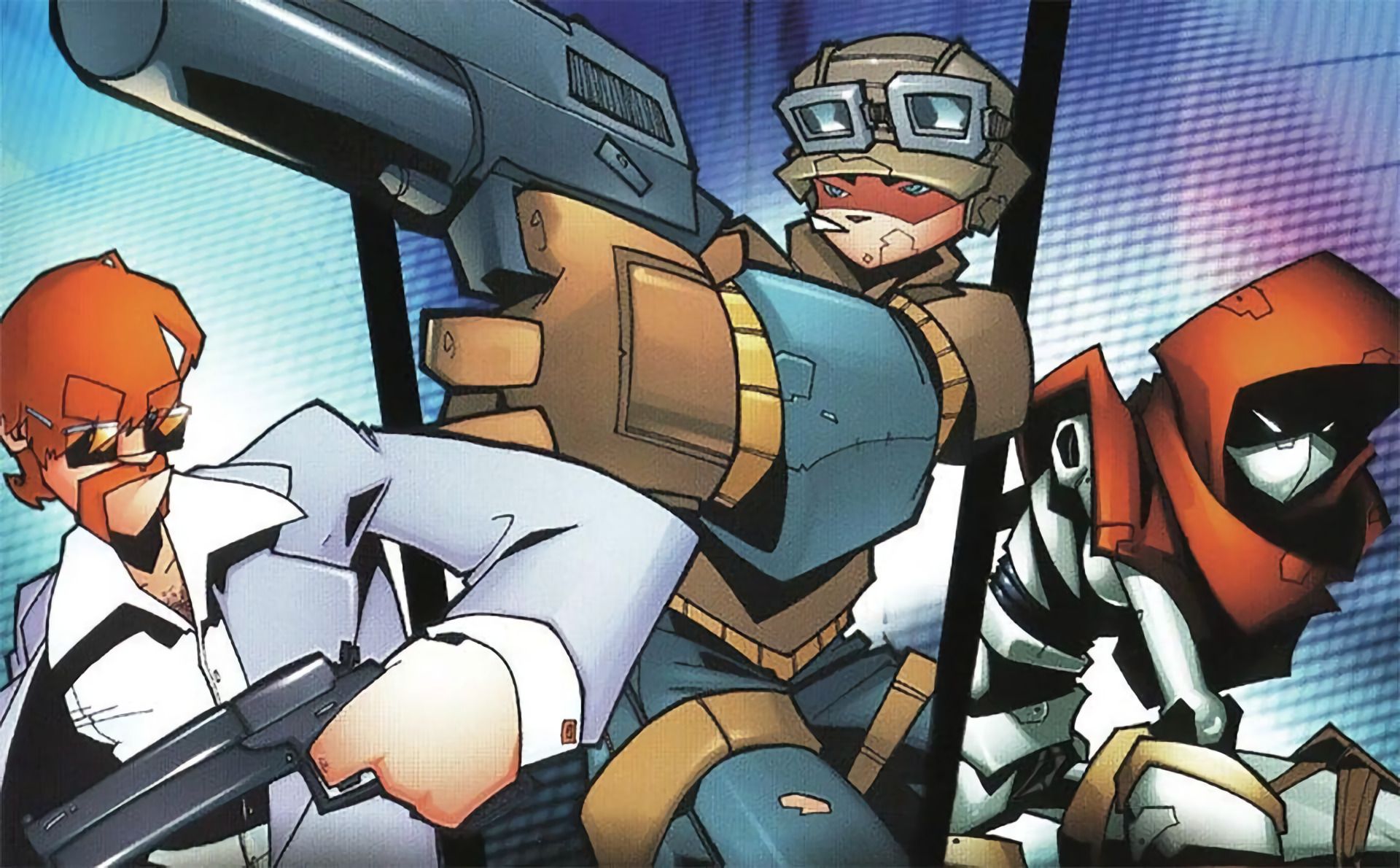
10. TimeSplitters 2
TimeSplitters 2 was the king of couch co-op shooters. Absurd characters, inventive weapons, and maps that were just pure playground fun. It was everything local multiplayer was meant to be before the internet swallowed everything. A modern revival, keeping that chaotic, arcade-style energy while ditching the industry's obsession with battle passes and monetization, would remind everyone why we fell in love with FPS games.