1. Max Headroom
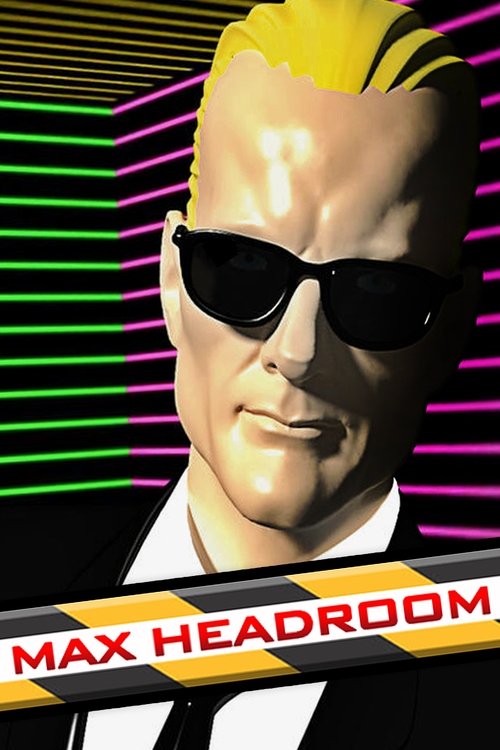
This show was a glitch in the system, a neon-soaked nightmare of corporate control and digital rebellion. Max, with his stuttering, synthesized sneer, felt like the future's broken mascot, born from cathode ray tube static. The practical effects, the cheap CGI, the way it twisted consumerism into a grotesque spectacle – it was unsettling, prophetic, and utterly punk. It felt like channel surfing through a dystopia.
2. Liquid Television
MTV was still cool when this hit, a chaotic kaleidoscope of short-form animation and experimental weirdness. It wasn't just cartoons; it was a fever dream, an art gallery for insomniacs. From Aeon Flux's fluid violence to Beavis and Butt-Head's first grunts, it pushed boundaries, defied expectations, and proved that television could be genuinely, gloriously strange. No rules, just pure analog anarchy.
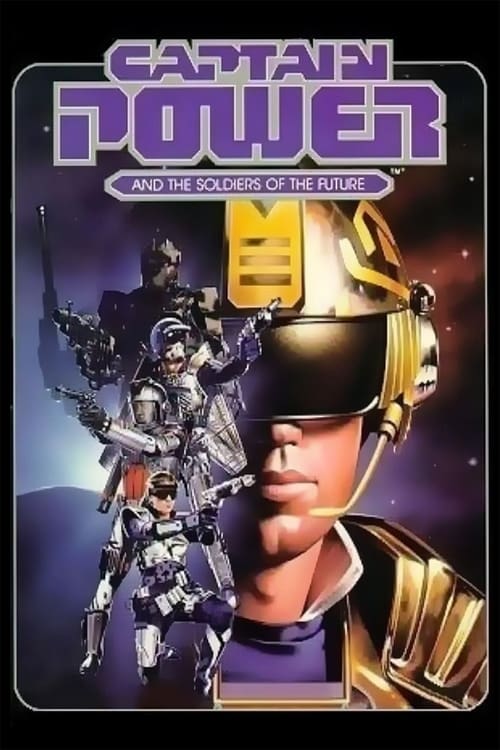
3. Captain Power and the Soldiers of the Future
This was Saturday morning cartoon logic filtered through a Terminator-esque lens. Live-action, clunky robots, and the whole "interactive" toy gimmick made it feel like a glimpse into a very expensive, very ambitious future. The themes were dark for a kids' show – humanity nearly extinct, machines triumphant. The practical suits and early CGI were endearing in their ambition, a true proto-genre hybrid trying to do too much, but doing it with guts.

4. Forever Knight
Syndicated TV was wild, and this vampire detective show was a prime example. Nick Knight, eternally brooding in a leather duster, fighting crime in Toronto while wrestling with his centuries-old bloodlust. It was moody, a little cheesy, and totally committed to its supernatural noir vibe. The flashbacks to his past were a soap-operatic touch, giving it that serialized pull, a strange blend of grit and gothic romance.
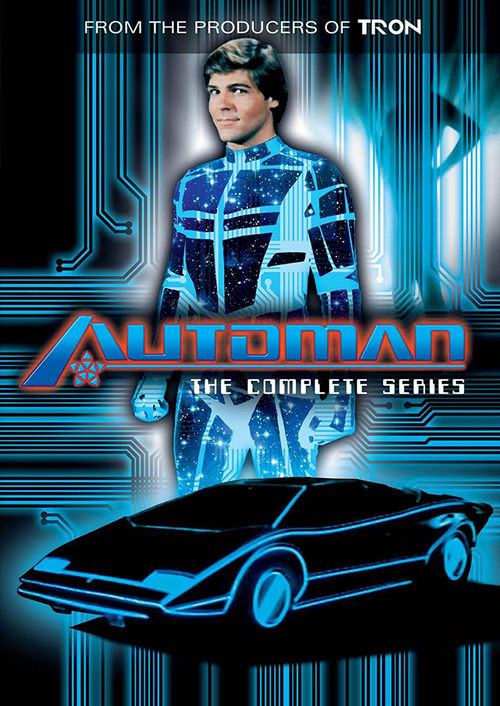
5. Automan
Before CGI was slick, there was Automan, literally made of light. This show was pure 80s neon fantasy, a glowing blue hero and his digital sidekick, Cursor, zipping around in a Lamborghini that appeared out of thin air. The visual effects were ambitious, though often clunky by today's standards, but they had a charm, a commitment to the impossible. It was a cartoon come to life, filtered through early computer graphics.
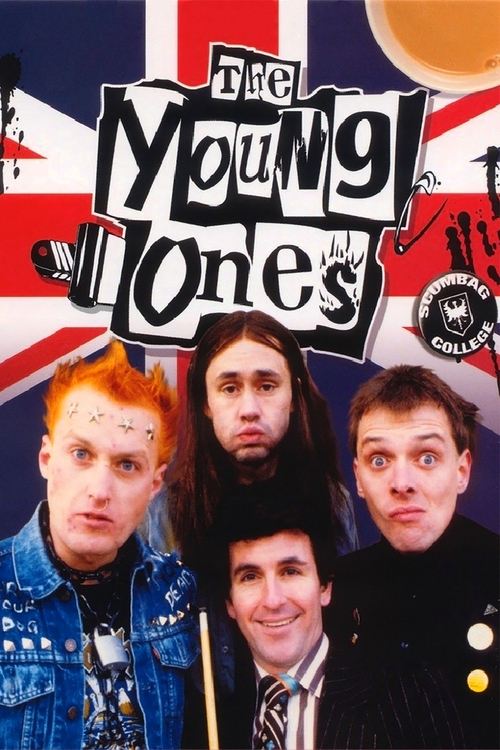
6. The Young Ones
This wasn't your typical sitcom. It was a collision of punk rock energy, surrealist humor, and pure, unadulterated chaos. Four perpetually squabbling students, living in squalor, constantly breaking the fourth wall and societal norms. It was aggressive, intellectually sharp, and utterly groundbreaking for its time. The DIY aesthetic, the bizarre cutaways, the musical guests – it was a beautiful, anarchic mess that redefined comedy.
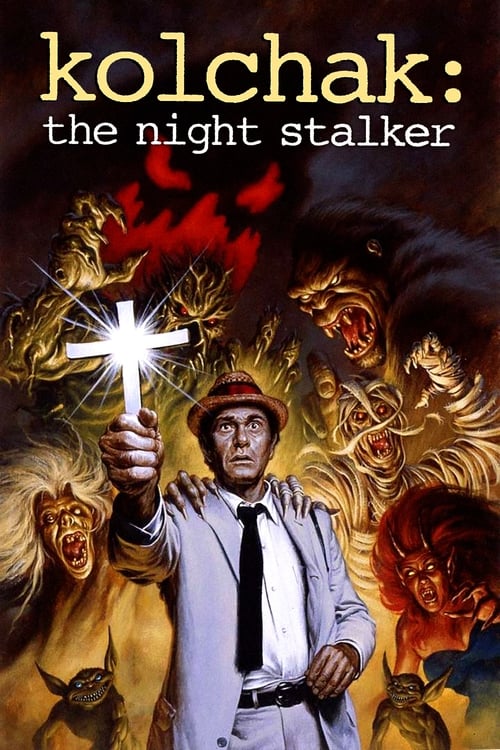
7. Kolchak: The Night Stalker
Long before Mulder and Scully, there was Carl Kolchak, a cynical reporter chasing monsters in the urban jungle. This syndicated gem was creepy, atmospheric, and surprisingly dark for its era. Kolchak's constant frustration with authority and his relentless pursuit of the impossible made him an unlikely hero. It proved that you didn't need big budgets to deliver genuine scares, just a good story and a sense of growing dread.
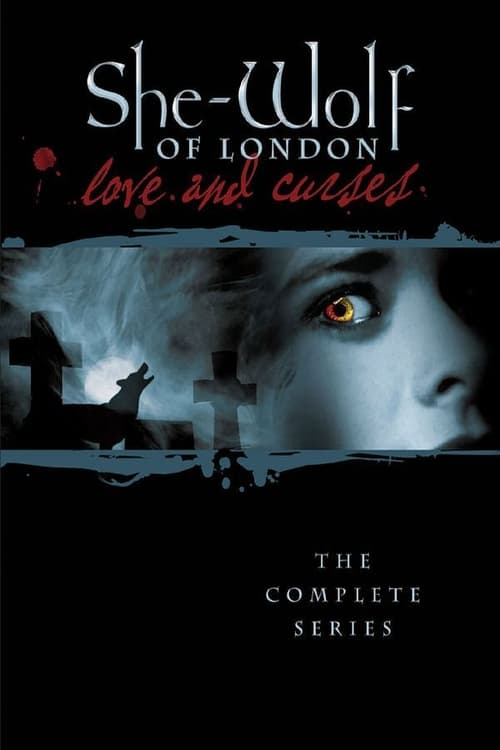
8. She-Wolf of London
Another syndicated oddity, this one was pure B-movie fun. An American student in London, cursed with lycanthropy, trying to live a normal life while investigating supernatural shenanigans. It had that distinct early 90s syndicated vibe – a bit campy, a bit serious, always trying to stretch its budget. It was a charming, often silly, monster-of-the-week show with a memorable female lead and plenty of practical creature effects.
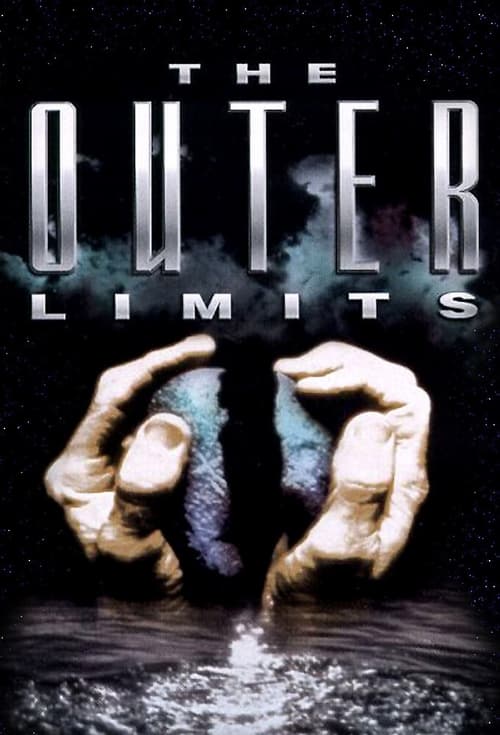
9. The Outer Limits
This revival picked up where the original left off, delivering fresh doses of chilling sci-fi paranoia. Each episode was a self-contained exploration of humanity's darker impulses, often with a technological twist. It wasn't afraid to go dark, to explore existential dread and moral dilemmas. The practical creature effects mixed with the era's emerging CGI gave it a distinct look, a true anthology for the grunge generation.
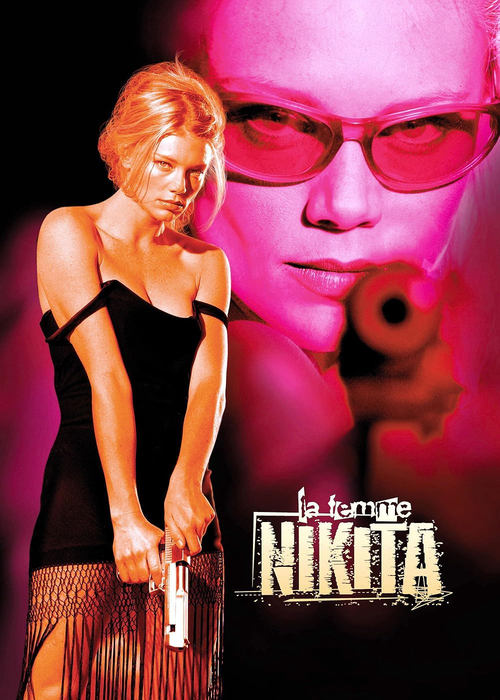
10. La Femme Nikita
Nikita was a revelation on basic cable, a dark, stylish spy thriller that felt grittier and more adult than network fare. Peta Wilson embodied the reluctant assassin with a quiet intensity, navigating a shadowy world of espionage and betrayal. It was serialized, deeply character-driven, and full of sleek action. The show proved that cable could produce complex, cinematic narratives, building a cult following one morally ambiguous mission at a time.