
1 / 9
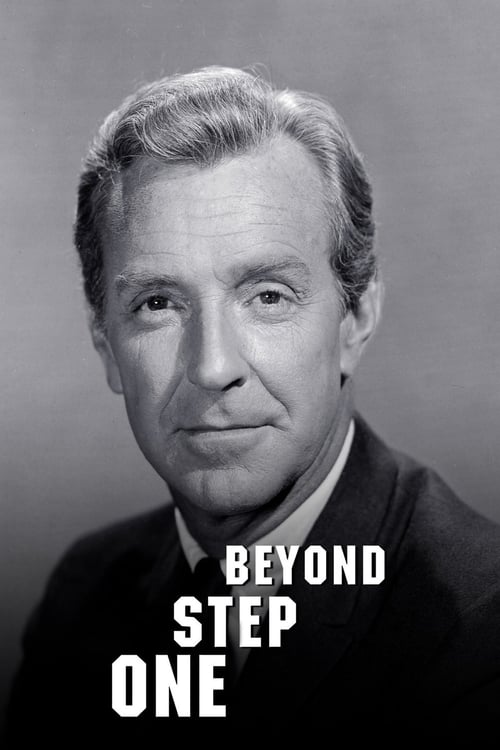
1. One Step Beyond
Before Rod Serling had his fancy "Twilight Zone," there was this. "One Step Beyond" delivered chills without relying on rubber monsters. It was all about the mind, the unexplained, usually with a somber narration that made you question reality. Filmed stark, black-and-white, it felt like a true document of the eerie, not just some Hollywood trick. A real gem for folks who liked their scares thoughtful.
2 / 9

2. The Many Loves of Dobie Gillis
Now, Dobie Gillis, that was something else. A young fellow, always chasing girls, but it was more than just laughs. It had these monologues, talking right to the camera, which felt awfully modern for its time. And the supporting cast! Maynard G. Krebs, the beatnik, he was a riot. It showed a younger generation trying to figure things out, with a wit sharper than most of the fluff on the air. A real character study, you could say.
3 / 9

3. Naked City
"Naked City" wasn't your cozy drawing-room mystery, no sir. This was filmed right on the mean streets of New York, and you could feel it. The grime, the hustle, the real people. It had a documentary feel, like you were right there with the detectives, not just watching actors on a set. Each episode ended with that famous line, "There are eight million stories in the Naked City. This has been one of them." And they all felt real.
4 / 9
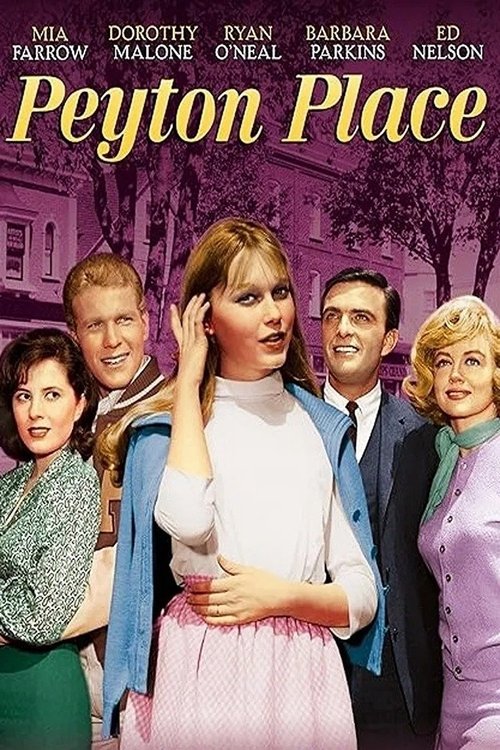
4. Peyton Place
You want to talk about shaking things up? "Peyton Place" did it. This wasn't your daytime fluff; this was a primetime soap opera, twice a week! It dug into the secrets and scandals of a small town, tackling things folks whispered about but never showed on TV – adultery, illegitimacy, murder. It kept you coming back, desperate to know what happened next. A real pioneer in telling a story that just kept going and going.
5 / 9

5. The Phil Silvers Show
Bilko! Now there was a character. Phil Silvers as Sergeant Bilko, always trying to pull a fast one at Fort Baxter. This show was pure ensemble comedy, with every single character pulling their weight. The rapid-fire dialogue, the elaborate schemes, the exasperated Colonel Hall – it was a masterclass in how to build a joke and deliver it. You just don't see that kind of tight, well-oiled comedic machine much anymore. Timeless, really.
6 / 9
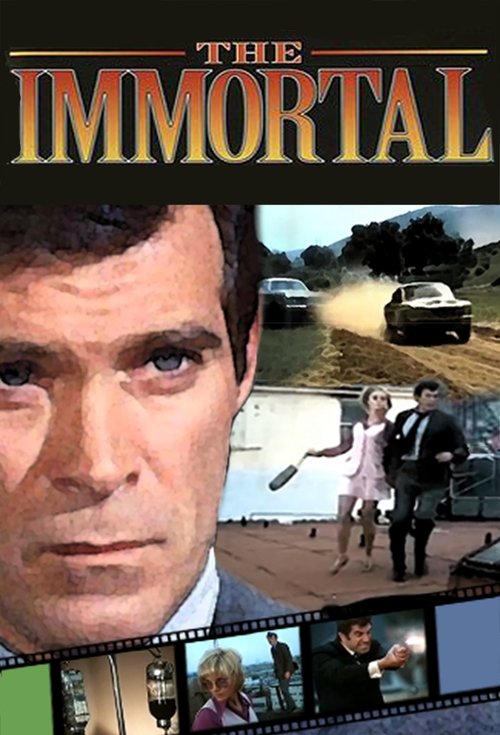
6. The Immortal
This one was a bit ahead of its time. A fellow named Ben Richards, immune to aging, pursued by a millionaire who wants his blood. It was like "The Fugitive" but with a sci-fi twist, and it tried to tell a continuous story, which was a brave move back then. It had that melancholic feel, a man always on the run, never quite belonging. A shame it didn't get more seasons; it had real potential for long-form drama.
7 / 9
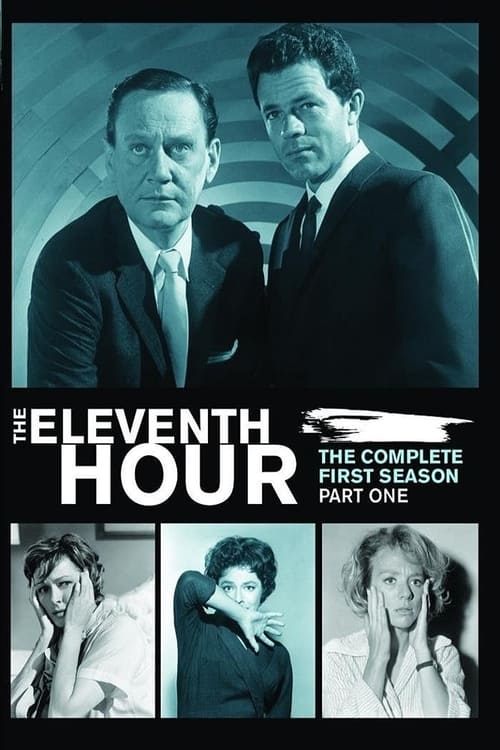
7. The Eleventh Hour
Before all the slick hospital dramas, "The Eleventh Hour" tackled mental illness with a seriousness you rarely saw. It followed two psychiatrists, dealing with patients' deep-seated problems. It wasn't flashy, but it was intelligent and often quite moving. Each week explored a different case, really digging into the human mind. A thoughtful show that tried to educate as much as entertain, and it often succeeded beautifully.
8 / 9
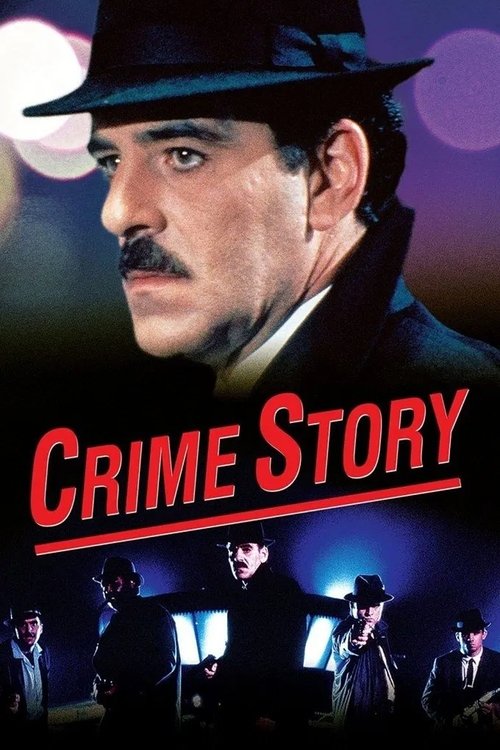
8. Crime Story
Now, "Crime Story" was a different beast entirely. Set in the early sixties, it followed a cop, Lieutenant Torello, and his relentless pursuit of a mobster, Ray Luca. This wasn't a neat, tied-up-in-an-hour kind of show. It was a serialized epic, more like a movie stretched over weeks, with a real cinematic look. Michael Mann brought a style that felt fresh and gritty, setting a new standard for TV crime.
9 / 9
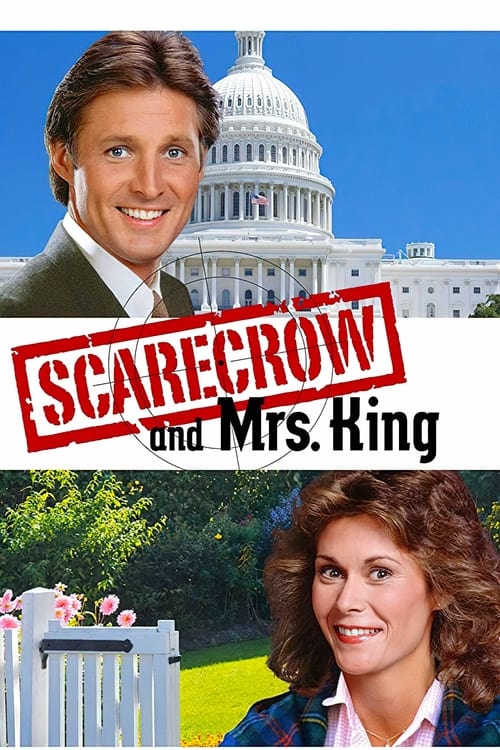
9. Scarecrow and Mrs. King
Ah, "Scarecrow and Mrs. King." A delightful bit of escapism. It was about a suburban housewife who accidentally gets pulled into espionage with a dashing spy. It mixed spy thrills with a romantic comedy, and it just worked. Bruce Boxleitner and Kate Jackson had real chemistry, and it was a fun, often witty, take on the Cold War paranoia, without getting too heavy. A charming caper that brightened many a weeknight.