

#1

Clayface
Tracking Matt Hagen’s transition from Gotham street kid to Hollywood leading man establishes a clean narrative baseline before the tragedy hits. The local crime boss disfigures him, his team abandons him, and the narrative locks into pure tragedy. When that experimental treatment restores his physical form while shattering his sanity, the thematic mechanics click into place. Hagen’s descent into vengeance ties the physical restoration directly to psychological unraveling, treating his rebuilt face as the catalyst for complete madness.
2 critics · 2 lists →
#2
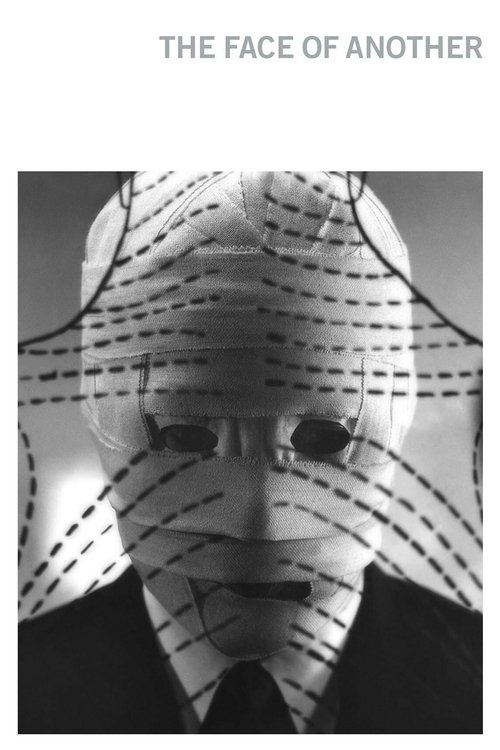
The Face of Another
Hiroshi Teshigahara structures Okuyama’s prosthetic transformation through meticulously detached cinematography. Notice the recurring transparent glass panels in the doctor's clinic: they mirror the psychic separation occurring between Okuyama's mind and his new visage. Once the doctor fits the synthetic skin over his burned face, the narrative documents a complete moral disintegration. Watch the framing during the apartment sequence where Okuyama tests his anonymity on his wife. The mask overrides his original identity, proving that synthetic flesh creates an entirely separate monster.
#3

House of Wax
Look past the early stereoscopic 3D gimmicks to examine Henry Jarrod’s timeline of deception. After his partner burns the original museum for insurance money, Jarrod returns bound to a wheelchair, hiding a synthetic prosthetic face over his charred flesh. Watch the lighting in Jarrod’s laboratory during the third act confrontation with Sue Allen. When her hands smash his false face, De Toth reveals the continuity slip Jarrod maintained: his living likeness was merely another sculpted shell, concealing pure vengeance.
#4

Phantom of the Paradise
Brian De Palma weaves Faustian motifs directly into physical trauma. Winslow Leach gets his face crushed in Swan’s record press, and the sound design makes the destruction of his vocal cords agonizingly permanent. Pay attention to the Death Records vault scene: the leather bird mask Winslow steals becomes his true biological armor, while the electronic synthesizer replaces his ruined voice box. Swan’s contractual manipulation ensures Winslow’s physical ruin binds him forever to the Paradise, completing a tragic, blood-inked metamorphosis.
#5

The Abominable Dr. Phibes
Anton Phibes operates on meticulous ritualistic logic. The car crash burns stripped Phibes of his vocal cords and facial structure, forcing him to plug an audio jack directly into his neck to speak. Look closely at his dining scenes with Vulnavia: he ingests liquids through a hidden surgical opening behind his neck while wearing a painted silicone visage. His elaborate revenge against the surgical team tracks the Ten Plagues of Egypt, turning his rebuilt body into an instrument of retribution.
#6

A Different Man
Aaron Schimberg executes a brutal subversion of physical transformation tropes. Edward’s neurofibromatosis literally peels away during the medical trial, falling off in grotesque plaster-like slabs to reveal a classically handsome face. But track Edward’s posture across the subsequent timeline: his psychological insecurity never heals. When Oswald appears—bearing the exact condition Edward fled yet possessing total charismatic confidence—Edward’s identity completely collapses. The horror resides entirely in the realization that shedding his disfigured flesh solved nothing about his crippling self-hatred.
0 / 6