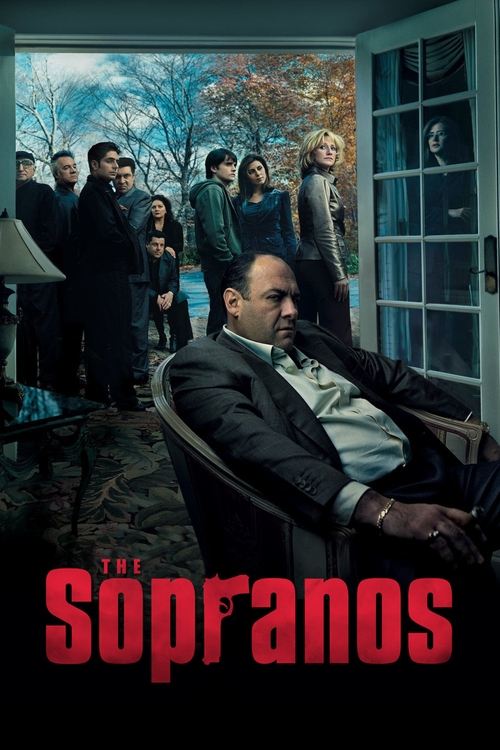
1. The Sopranos
Before Tony Soprano, you didn't see mob bosses getting therapy, wrestling with ducks, or grappling with existential dread on network television. HBO’s game-changer wasn't just a crime drama; it was a deep dive into the American psyche, a masterclass in moral ambiguity. It proved that audiences were ready for complicated, long-form narratives, elevating television to cinematic art. This show defined prestige TV, setting an impossibly high bar for serialized storytelling and character development. It became the ultimate water cooler conversation starter.
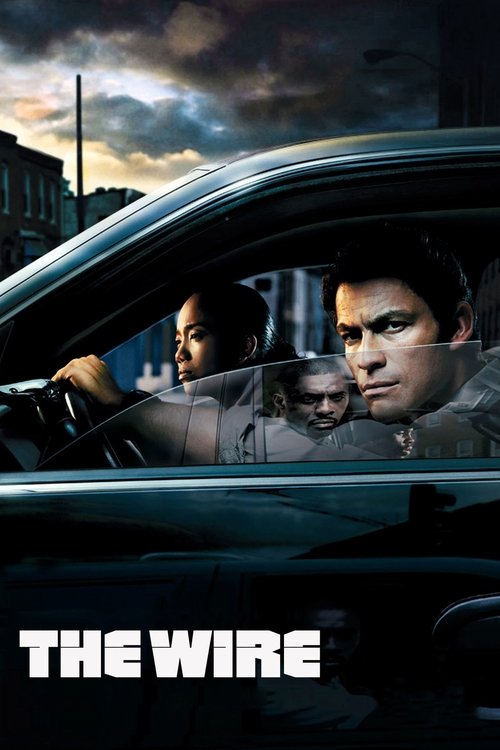
2. The Wire
Forget what you thought you knew about crime shows. This wasn’t just cops versus dealers; it was a systemic examination of urban decay, broken institutions, and the human cost of it all. Each season peeled back another layer of Baltimore, from the docks to the school system, with an unparalleled ensemble cast. It demanded your full attention, rewarding viewers with a sprawling, unflinching narrative that resonated long after the credits rolled. Pure, unadulterated serialized genius.

3. Six Feet Under
Death was just the beginning for the Fishers. This show took the ultimate taboo and turned it into an exquisite, character-driven exploration of life, grief, and family dysfunction. The serial nature allowed for incredible emotional depth, tackling mortality with dark humor and raw honesty. Every episode started with a death, a neat structural trick that grounded the often-surreal family dynamics. It was intimate, daring, and deeply moving, proving cable could do more than just violence.
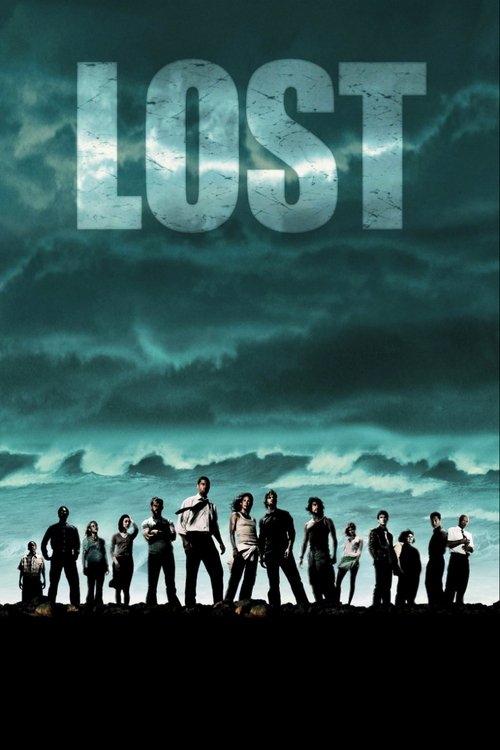
4. Lost
Remember when everyone was trying to figure out what was on the island? *Lost* was the ultimate mystery box, a serialized phenomenon that kept us guessing week after week. Its unique blend of character flashbacks, sci-fi elements, and cliffhangers made it essential viewing, inspiring passionate fan theories and water cooler debates. This show practically invented the concept of "appointment television" for a new generation, proving that complex, interwoven narratives could capture a massive audience.
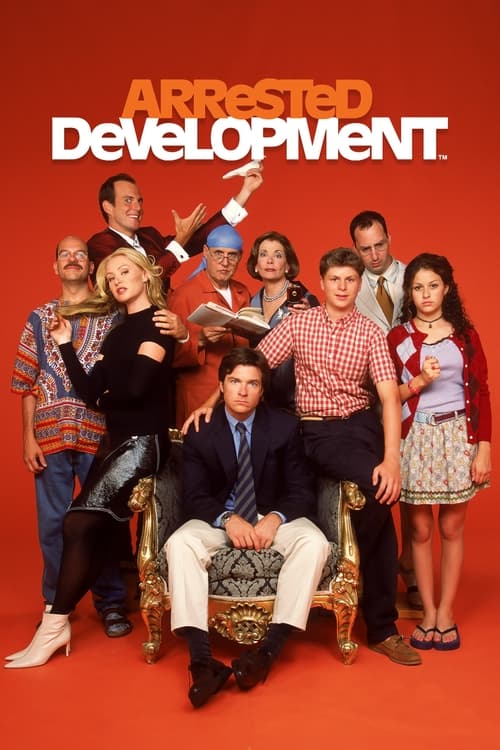
5. Arrested Development
This wasn't your average sitcom. *Arrested Development* pioneered the mockumentary style for comedy, packing jokes, callbacks, and subtle references into every frame. Its rapid-fire wit and deeply dysfunctional Bluth family required repeat viewings to catch everything, making it a cult favorite for the nascent on-demand era. It was smart, meta, and broke every sitcom rule, influencing a generation of comedies with its unique narrative structure and ensemble brilliance.
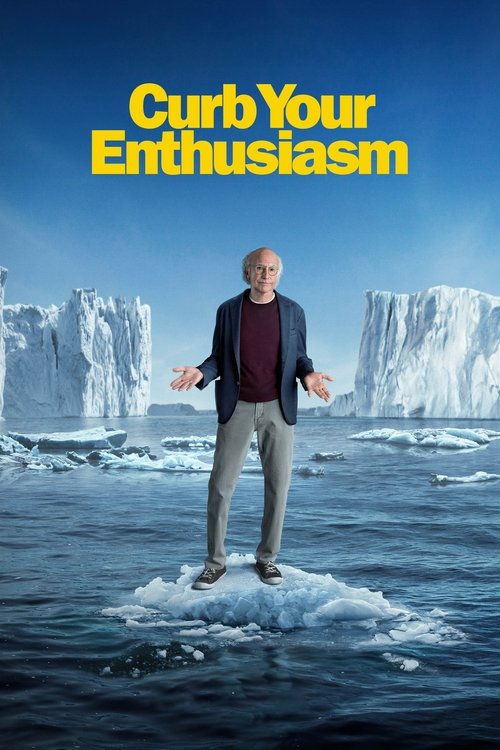
6. Curb Your Enthusiasm
Larry David just being Larry David. This show perfected the art of cringe comedy, taking everyday social faux pas and escalating them into hilariously awkward disasters. Its semi-improvised style and serialized narrative arcs, where every minor infraction had major consequences, were pure cable gold. It dared to make its protagonist utterly insufferable yet undeniably captivating, offering a raw, unfiltered look at human nature with a cynical, genius edge. Pretty, pretty, pretty good.
7. Oz
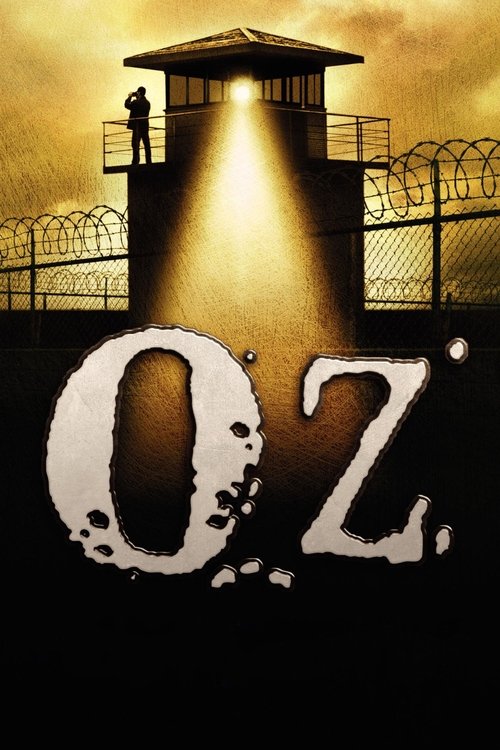
Before HBO was "HBO," there was *Oz*. This brutal, unflinching prison drama was a true cable pioneer, pushing boundaries with its raw violence, complex morality, and serialized storytelling. It threw out the procedural rulebook, immersing viewers in the chaotic, dangerous world of Emerald City. The ensemble cast was phenomenal, each character a study in survival and desperation. It proved that television could be as gritty and uncompromising as any feature film.
8. The West Wing
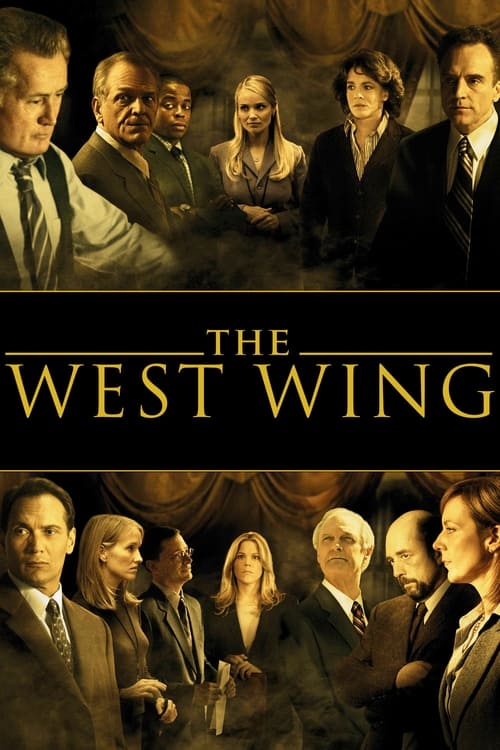
Aaron Sorkin’s rapid-fire dialogue and walk-and-talks became iconic, bringing the inner workings of the White House to life with intelligence and idealism. This ensemble drama made politics cool and aspirational, balancing weighty policy debates with deeply human character arcs. It proved that a broadcast network could still deliver prestige, serialized storytelling that felt cinematic and smart, making viewers believe in the power of good governance. An absolute masterclass in dramatic writing.
9. Buffy the Vampire Slayer
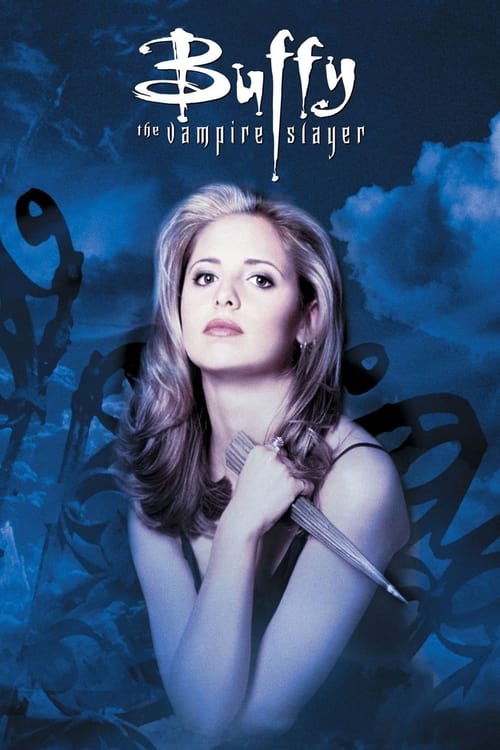
Don't let the title fool you. *Buffy* transcended its genre, using monsters as metaphors for the horrors of adolescence and young adulthood. It blended horror, comedy, and drama with unparalleled serialized character development. This show proved that genre television could be deeply intelligent, emotionally resonant, and culturally significant, building a passionate, enduring fanbase. It was a groundbreaking example of long-form storytelling that continues to influence shows today.
10. The X-Files
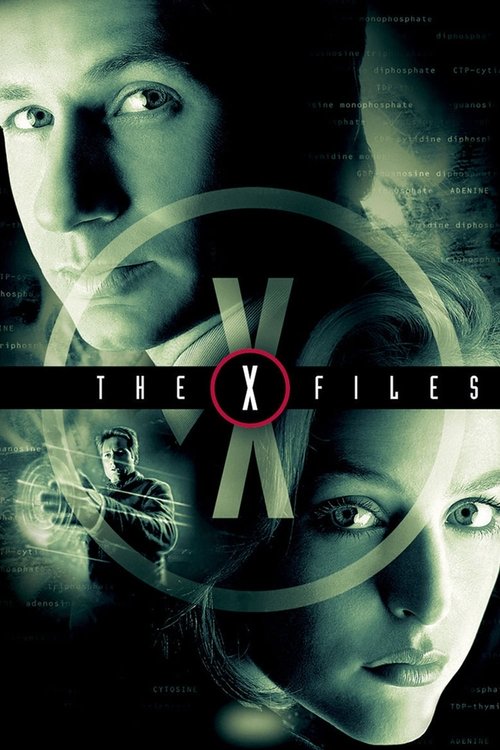
“The truth is out there,” and for nine seasons, Mulder and Scully chased it. This show blended standalone monster-of-the-week episodes with a sprawling, complex mythology arc, setting a template for serialized sci-fi. It tapped into post-Cold War paranoia and a burgeoning internet culture of conspiracy theories. Its dark, atmospheric style and iconic duo made it a global phenomenon, proving that network TV could deliver sophisticated, serialized genre storytelling that stuck with you.
11. Deadwood
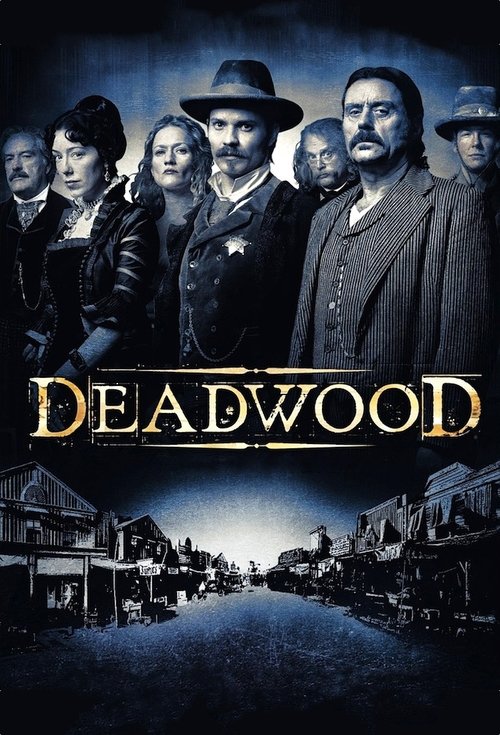
HBO went all in on this one. *Deadwood* wasn't just a western; it was a deeply cinematic, character-rich study of civilization's messy birth. Its foul-mouthed, poetic dialogue and intricate ensemble cast were unlike anything seen before. The serialized nature allowed for incredible depth, building a world that felt lived-in and real, despite its historical setting. It proved cable could tackle period pieces with an unflinching, gritty authenticity that redefined the genre.
12. Battlestar Galactica
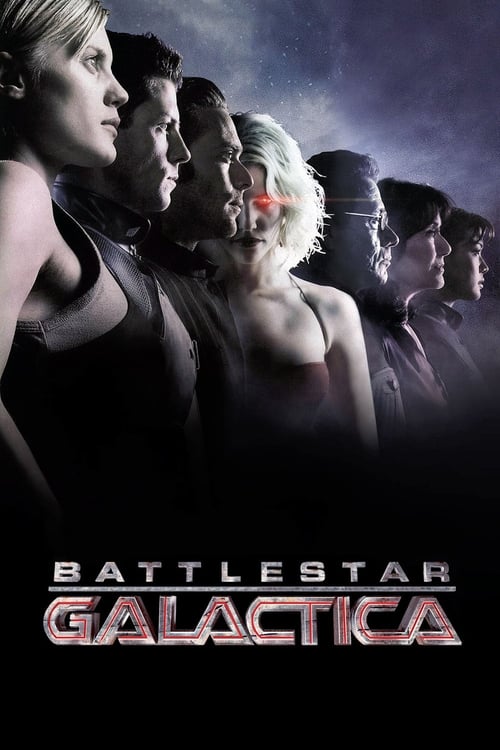
This wasn't your dad's *Battlestar*. The reboot took a pulpy sci-fi premise and turned it into a gritty, post-9/11 allegory about war, faith, and humanity's survival. Its serialized narrative tackled complex moral dilemmas and political intrigue with a cinematic scope. It proved that sci-fi could be both intellectually rigorous and emotionally devastating, cementing its place as a prestige drama for a new era. So say we all.