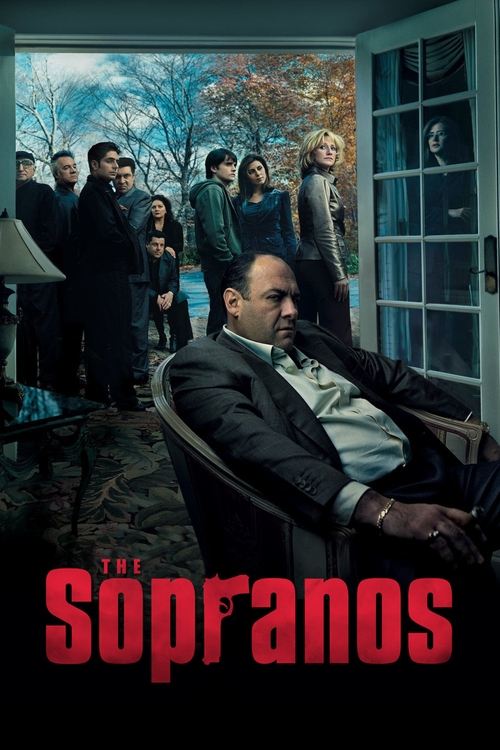
1. The Sopranos
This show just changed everything, man. HBO went all in, proving TV could be as complex and cinematic as any feature film. It wasn't just a mob story; it was a deep dive into character, family, and the American psyche. Tony Soprano’s therapy sessions? That was appointment viewing, sparking a million conversations. It launched the prestige TV era, demanding you pay attention, week after week, laying the groundwork for serial storytelling that felt like a long, great novel.
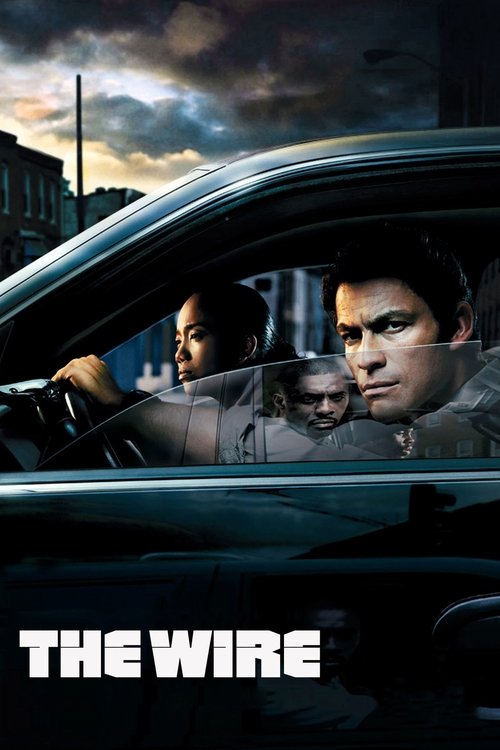
2. The Wire
Forget what you thought about cop shows. This wasn't about good guys and bad guys; it was about the system, the institutions, and how they chew people up. Each season peeled back another layer of Baltimore, from the streets to the docks, the schools, the city hall. It was an ensemble masterclass, demanding attention and rewarding patience with unparalleled depth. Nobody was watching it live, but everyone was talking about it as soon as they caught up, proving the power of a slow burn.
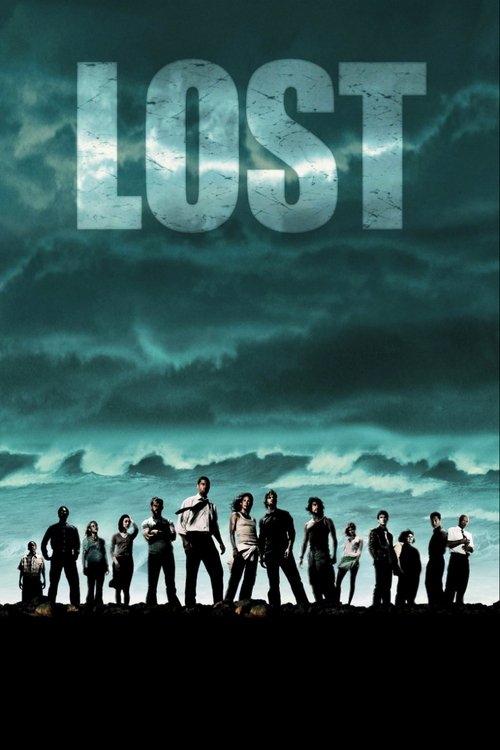
3. Lost
Okay, so the ending was... divisive. But for years, *Lost* was the ultimate water cooler show, sparking theories and arguments unlike anything before it. This was serialized storytelling cranked to eleven, with flashbacks, flash-forwards, and mysteries layered on mysteries. It showed how a large ensemble cast could carry an epic, island-bound narrative, making you tune in religiously every week, even if you never quite knew what was going on. It set the bar for modern TV event viewing.
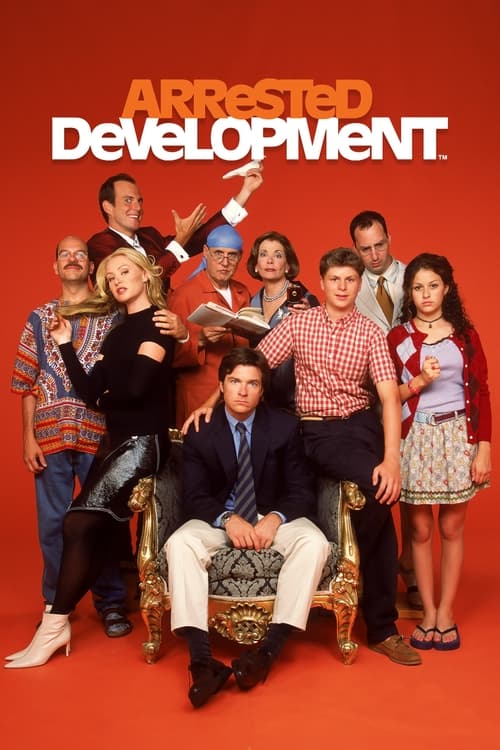
4. Arrested Development
This was a comedy that operated on another level. The meta-jokes, the running gags, the callbacks – you needed to pay attention, maybe even rewatch. It was a mockumentary style that felt fresh, fast-paced, and incredibly smart, building a world where every line, every prop, had a purpose. Fox cancelled it too soon, but its cult following and eventual Netflix revival showed how early on-demand could give brilliant, niche shows a second life. A true original.
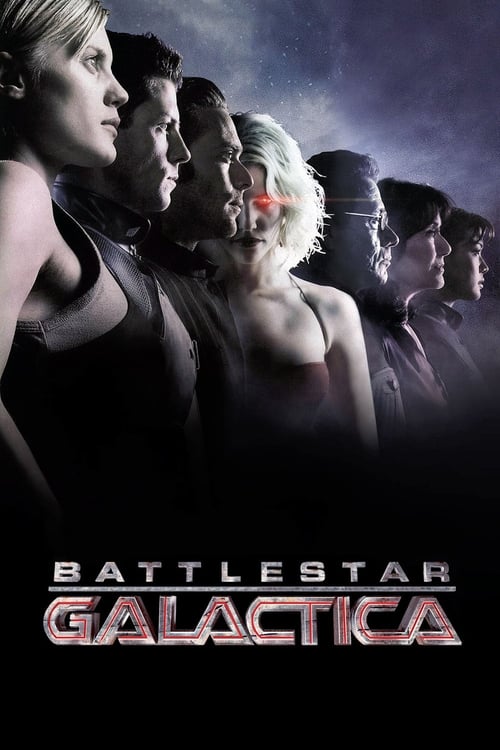
5. Battlestar Galactica
Who knew a reimagined sci-fi show could get so dark, so gritty, so *real*? This wasn't your dad's space opera. It tackled terrorism, religion, politics, and humanity’s survival with a gravitas and moral ambiguity usually reserved for cable dramas. The serialized nature, the character development, the cinematic scope – it elevated sci-fi to prestige status. It made you believe a show about spaceships could be one of the most important things on television.
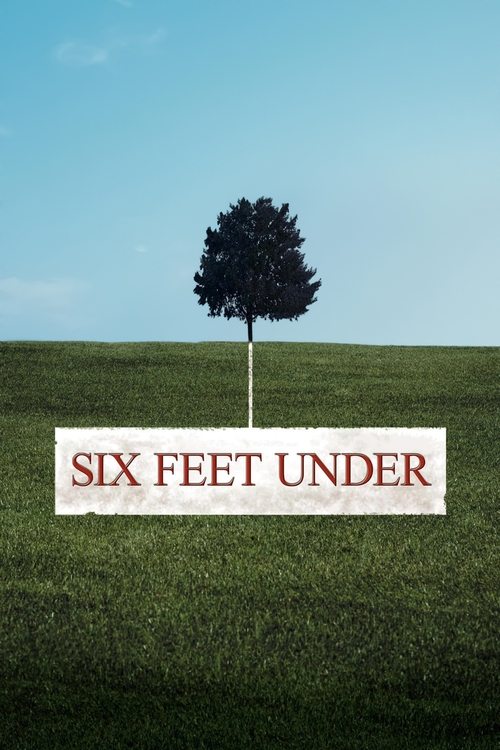
6. Six Feet Under
This was HBO doing what HBO does best: character-driven drama that pulled no punches. A show about a family running a funeral home? It sounds bleak, but it was profoundly moving, darkly funny, and utterly unique. Each episode started with a death, but it was always about life, grief, and personal growth. The ensemble was phenomenal, and its willingness to confront mortality head-on made it a hallmark of cable’s risk-taking, serialized storytelling.
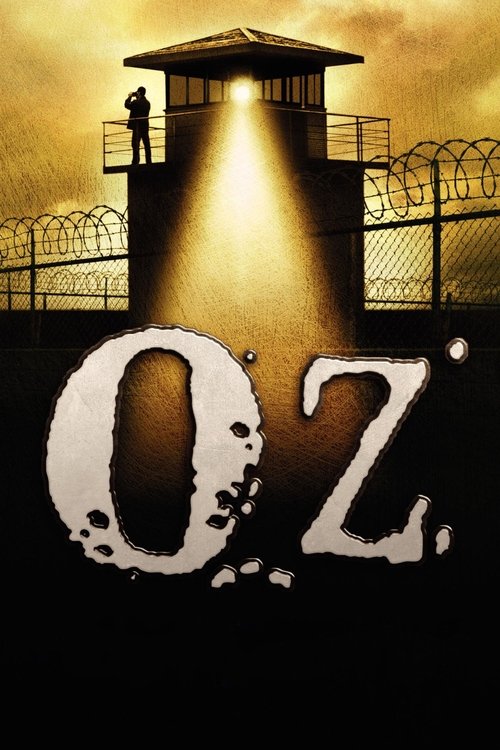
7. Oz
Before *The Sopranos*, there was *Oz*. This was HBO’s first hour-long drama, and man, did it announce cable’s arrival. Brutal, unflinching, and groundbreaking, it set the standard for adult, morally complex storytelling. The prison setting allowed for a huge ensemble, constantly shifting alliances, and a serialized narrative where no character was ever safe. It proved that TV could be raw, dangerous, and provocative, pushing boundaries network TV wouldn't dare touch.
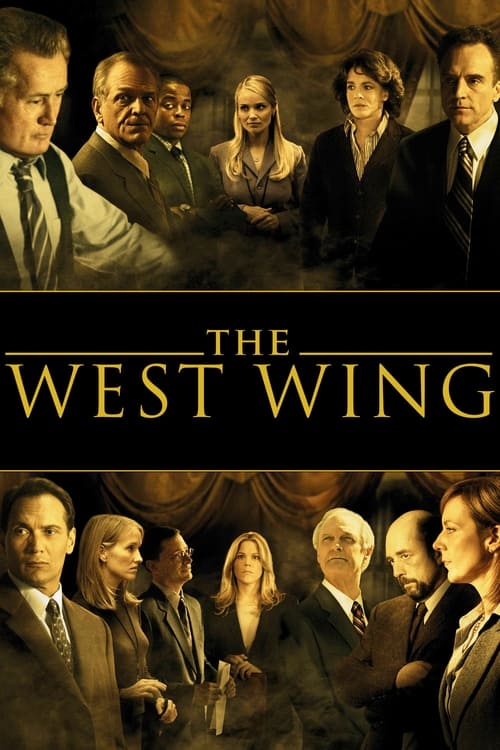
8. The West Wing
Aaron Sorkin’s rapid-fire dialogue and walk-and-talks became iconic, making politics feel exciting, intelligent, and even idealistic. This was network television operating at a prestige level, with an ensemble cast that made you believe in the White House. It showcased serialized storytelling on a grand scale, balancing policy debates with personal drama. It was appointment viewing for anyone who wanted to believe in the good guys, even in Washington.
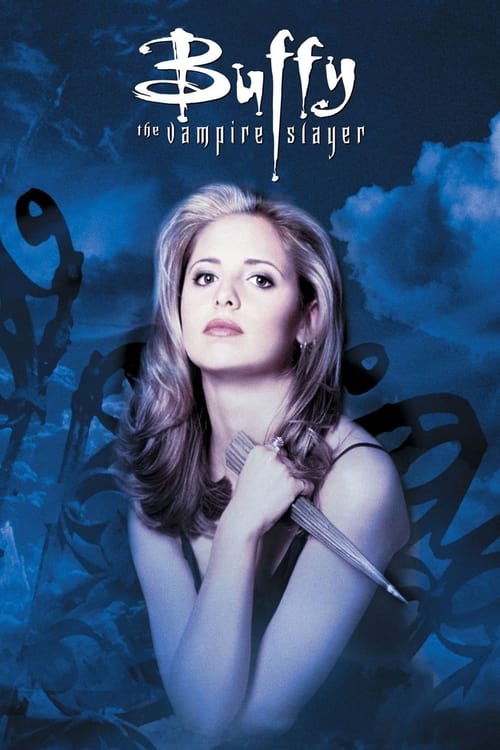
9. Buffy the Vampire Slayer
Don't let the title fool you; this was smart, witty, and surprisingly deep. Joss Whedon blended horror, comedy, and high school drama, using monster-of-the-week tropes to explore coming-of-age metaphors. But it was the serialized arcs, the complex relationships, and Buffy's journey that kept you hooked. It proved genre shows could have emotional heft and sharp writing, laying the groundwork for character-driven narratives outside traditional dramas.
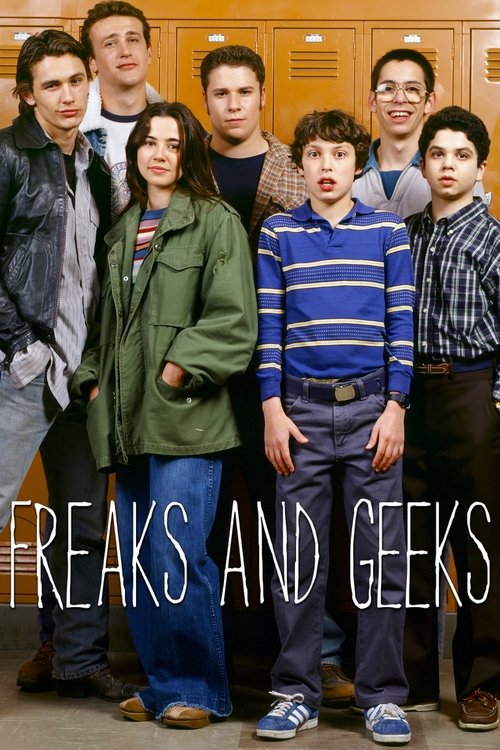
10. Freaks and Geeks
It only lasted one season, but *Freaks and Geeks* became a cult classic for a reason. This was raw, honest, and painfully relatable high school drama, completely free of the usual sitcom clichés. The ensemble cast was perfect, charting the awkwardness of adolescence with genuine heart and humor. Its single-season run cemented its legend, showcasing how a character-driven, serialized story could resonate deeply, even without a long network run. It felt real.
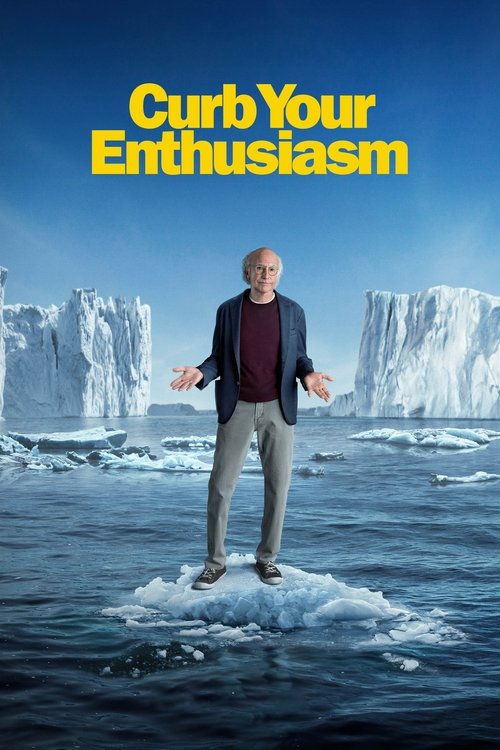
11. Curb Your Enthusiasm
Larry David just took the sitcom rulebook and threw it out the window. This was improv-heavy, cringe comedy before cringe comedy was even a thing. The "Seinfeld" co-creator played an exaggerated version of himself, turning everyday social gaffes into epic, uncomfortable sagas. It perfected the hybrid cinematic-TV style, feeling both meticulously plotted and completely spontaneous, showing how a single character could drive a long-running, serialized comedic narrative. Pretty, pretty good.
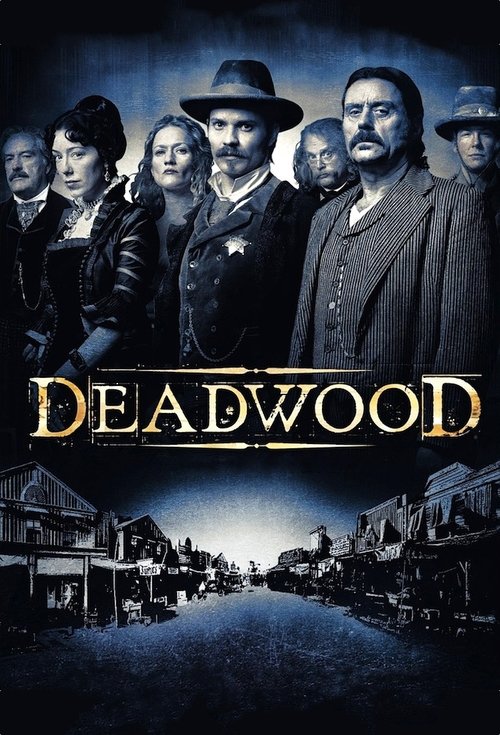
12. Deadwood
HBO went full Shakespeare in the mud with this one. A Western that felt more like a stage play than a TV show, with dialogue so rich and profane it was practically poetry. It was a dense, character-driven ensemble piece, charting the brutal birth of American civilization. The cinematic scope, the historical detail, and the commitment to its unique voice showed cable-era risk-taking at its peak. It's a tragedy it didn't get to finish its story properly.