
1 / 10
1. Omnibus
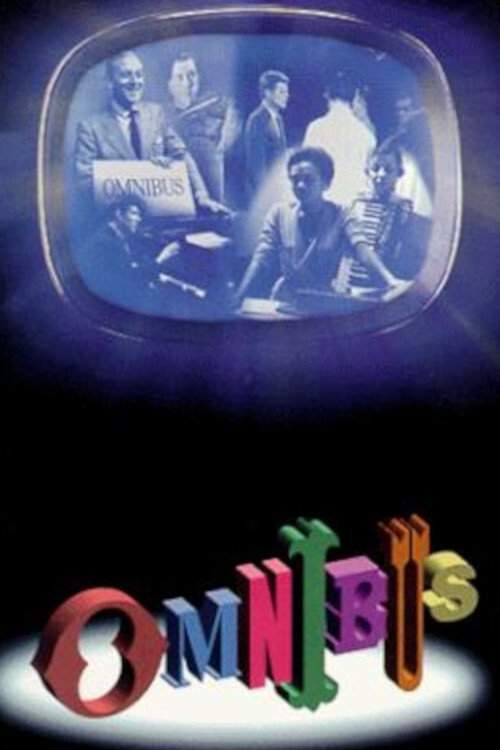
Omnibus, from '52, was a Sunday afternoon institution. It wasn't entertainment in the usual sense, more like a televised university, but never dry. Alistair Cooke, sharp as a tack, guided you through everything from Shakespeare to science. And it was live, mostly, so you felt a real connection. A true intellectual endeavor, and frankly, we don't see its like anymore. It showed what television could be beyond just selling soap.
2 / 10

2. Play of the Week
Now, Play of the Week in '59. This was a proper drama, two hours long, and live from New York studios. No canned laughter here. It tackled serious stuff, often with a theatrical bent, and gave actors a real chance to stretch. You'd see names you knew from the stage, giving powerful performances. It proved television could be more than just a passing fancy; it could be art, even if the picture was a bit muddy on kinescope.
3 / 10
3. Then Came Bronson
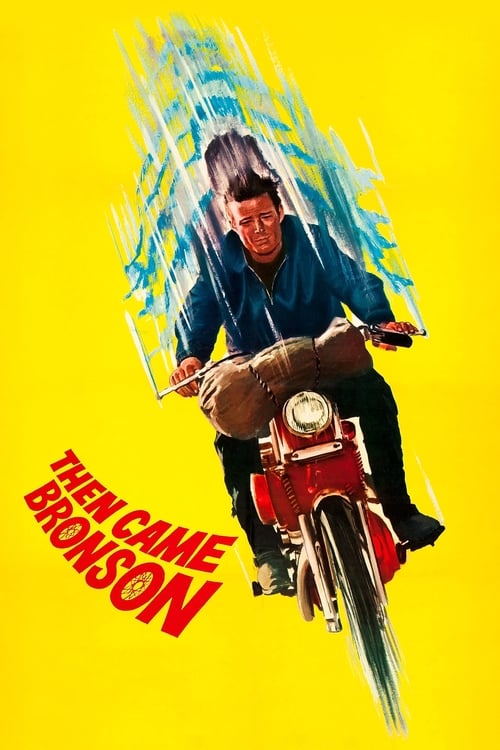
Ah, Bronson, the '69 model. A solitary man on a motorcycle, just riding across America, looking for answers. It was quiet, thoughtful, and a bit melancholy, a real shift from the usual shoot-'em-ups. Michael Parks had that detached cool, and the stories were more about human connection than big drama. It felt like a film, almost, a real journey unfolding week after week. Not everyone got it, but it had its devoted followers.
4 / 10
4. Nichols
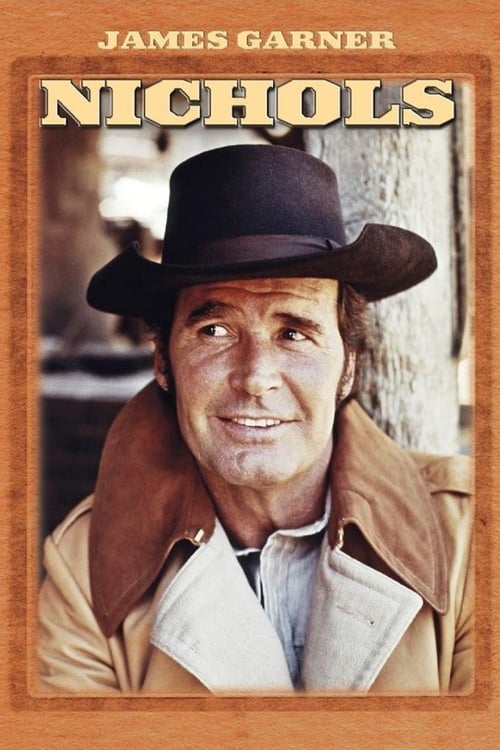
Nichols, with James Garner in '71. He played an unwilling sheriff, more interested in making a buck than upholding the law, but with a good heart underneath. It was a Western, yes, but a very different sort. Clever, understated, and often quite funny in a dry way. Garner, always a charmer, made it work. Too smart for its own good, maybe, because they cut it short. A shame, really.
5 / 10

5. The Snoop Sisters
The Snoop Sisters from '73, now that was a delightful surprise. Helen Hayes and Mildred Natwick playing these eccentric, older mystery writers who solve real crimes. It was cozy, witty, and so well-acted. Not a car chase in sight, just two sharp ladies using their brains. It was part of those NBC Mystery Movies, a nice change of pace from the gritty stuff. A real treat, if you could find it.
6 / 10
6. Police Story
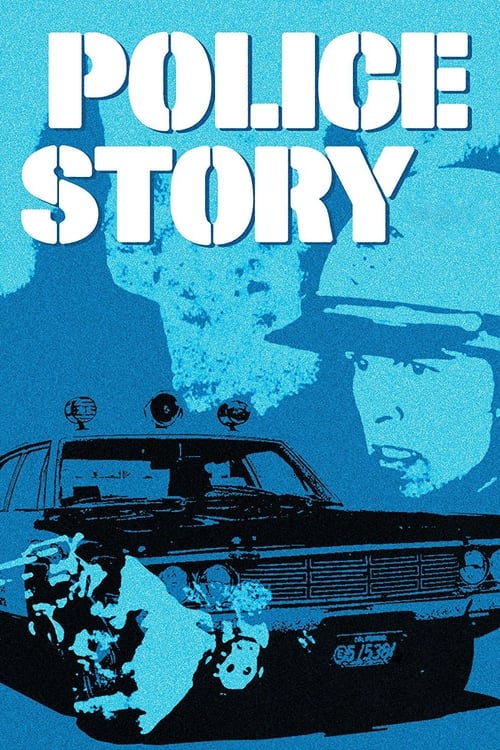
Police Story, starting in '73. This wasn't your typical cop show with clear-cut heroes. It was an anthology, showing different facets of police work, often gritty and sometimes bleak. You'd see the stress, the moral compromises, the human side. It felt real, a big departure from the clean-cut detectives. And every week, a new cast, new situation. It really pushed what you could do with a procedural.
7 / 10
7. The Paper Chase
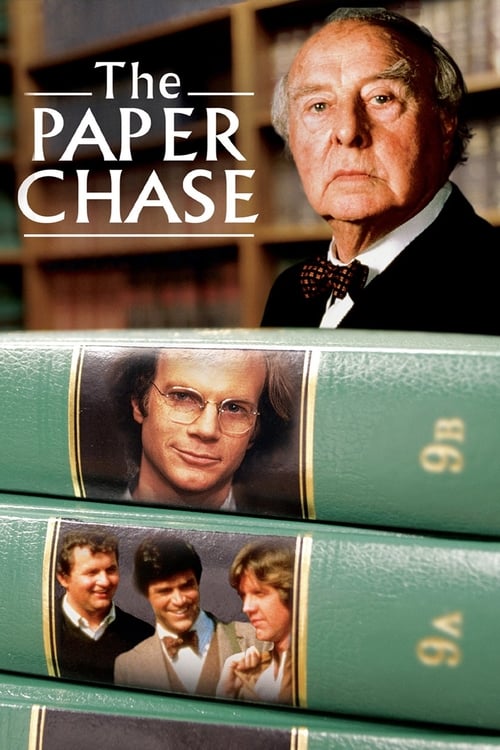
The Paper Chase, '78. Taking that great film to TV was a gamble, but it paid off. It plunged you into the cutthroat world of Harvard Law, with John Houseman's Professor Kingsfield as the terrifying, brilliant centerpiece. It was smart, character-driven, and didn't talk down to its audience. Didn't quite find a mass audience, of course, but it was a quality production, a real thinking person's drama. They even brought it back later.
8 / 10
8. Palmerstown, U.S.A.
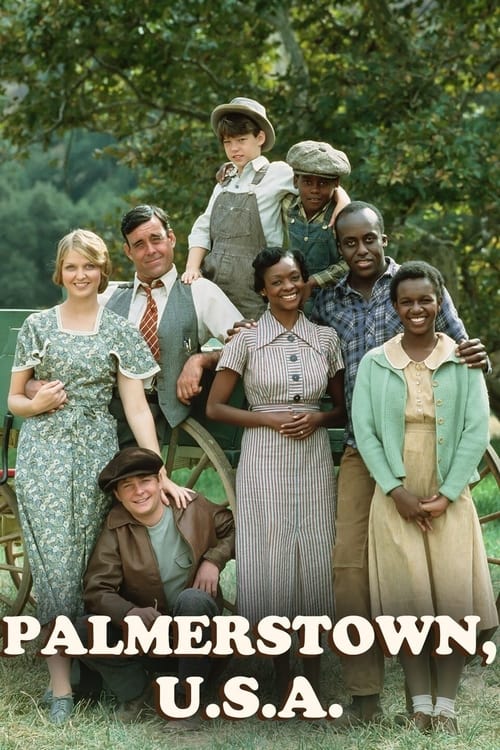
Palmerstown, U.S.A. from 1980. This was a gem. Set in the Depression-era South, it followed two young boys, one Black, one White, and their unlikely friendship. Alex Haley and Norman Lear were behind it, and you could feel the quality. It tackled race and poverty with dignity, something you didn't see much of on network TV. Heartfelt, honest, and beautifully told. A shame it didn't last longer.
9 / 10
9. Frank's Place
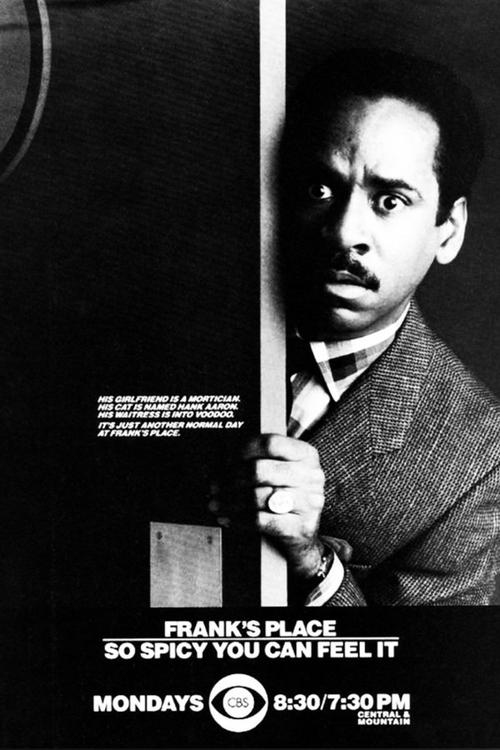
Frank's Place, '87. Now, this was something different for a sitcom. Set in a New Orleans restaurant, it blended comedy with real drama, all without a laugh track. Tim Reid was fantastic as the sophisticated professor inheriting this funky spot. It had a wonderful ensemble cast and a distinctive, almost cinematic feel. It truly broke the mold for what a half-hour show could be. A shame it got lost in the shuffle.
10 / 10
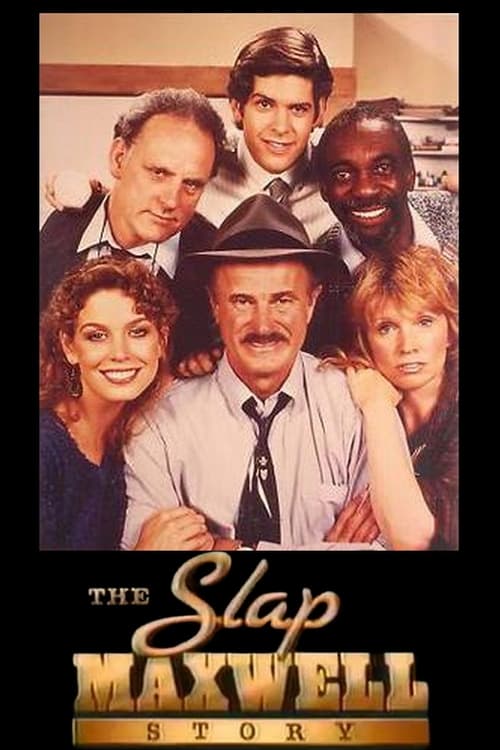
10. The Slap Maxwell Story
The Slap Maxwell Story, also '87. Dabney Coleman played a sportswriter whose life was just falling apart, and he played it with that glorious, cantankerous charm only he possessed. It was a bleak comedy, often uncomfortable but always compelling. He was a master of the sardonic. Not a show for everyone, certainly, but for those who appreciated a good anti-hero, it was a darkly humorous treat. Coleman was just superb.