
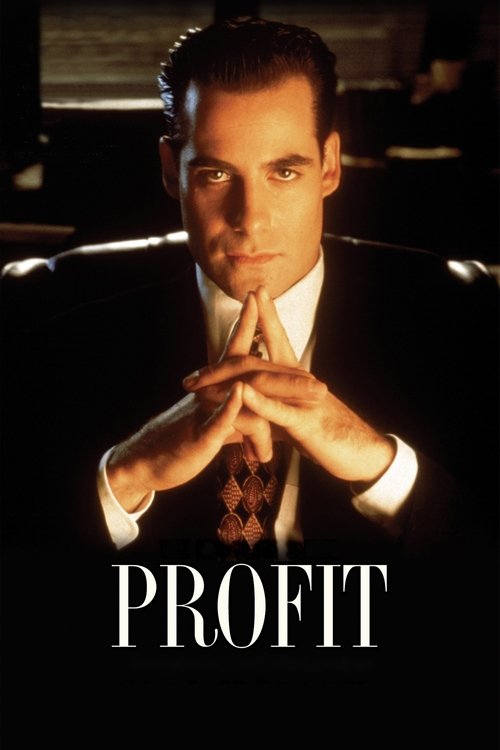
1. Profit
Before cable perfected the anti-hero, Fox unleashed *Profit*. Jim Profit was a corporate sociopath, manipulating everyone in his path with chilling calm. It was a pitch-black satire, so cynical and transgressive for network TV in '96, it barely lasted a handful of episodes. But it laid groundwork for the morally ambiguous protagonists that would define prestige drama years later. A stark, brutal vision of power.
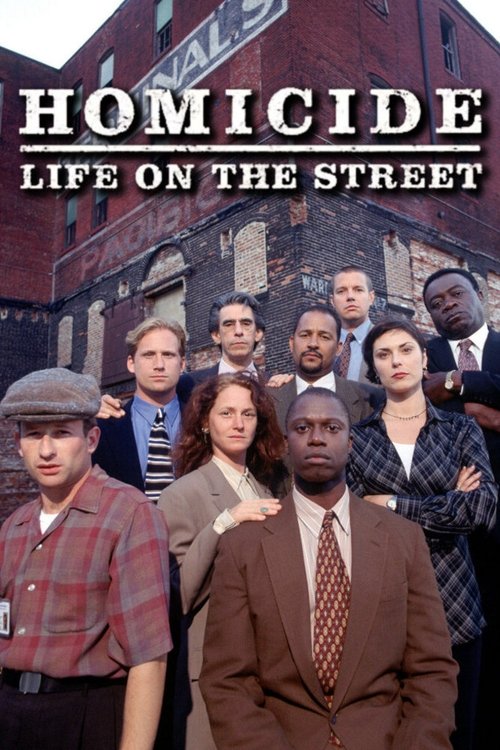
2. Homicide: Life on the Street
This show was a game-changer, breaking ground with its cinéma vérité style and raw, unflinching look at detective work. Baltimore felt real, lived-in. Its ensemble cast delivered performances that felt less like acting and more like capturing genuine human struggle. It wasn't about solving the case in an hour; it was about the grind, the moral ambiguities, and the cumulative weight of the job. A masterclass in serialized realism.
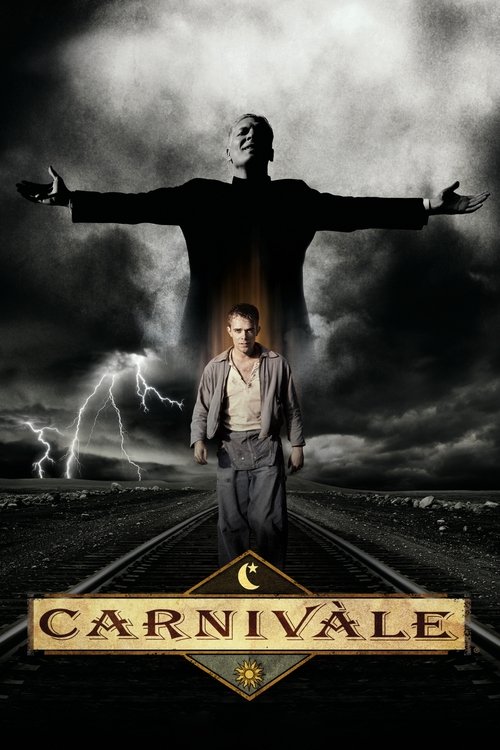
3. Carnivàle
HBO, man. They took a huge swing with this one. A sprawling, surreal epic set during the Depression, following a traveling carnival and a brewing cosmic battle. It was dense, visually stunning, and demanded total immersion. While its mythology became almost impossibly complex, its sheer ambition and the world-building were unmatched. It wasn't for everyone, but for those who got it, *Carnivàle* built a universe you could truly get lost in.
4. Farscape
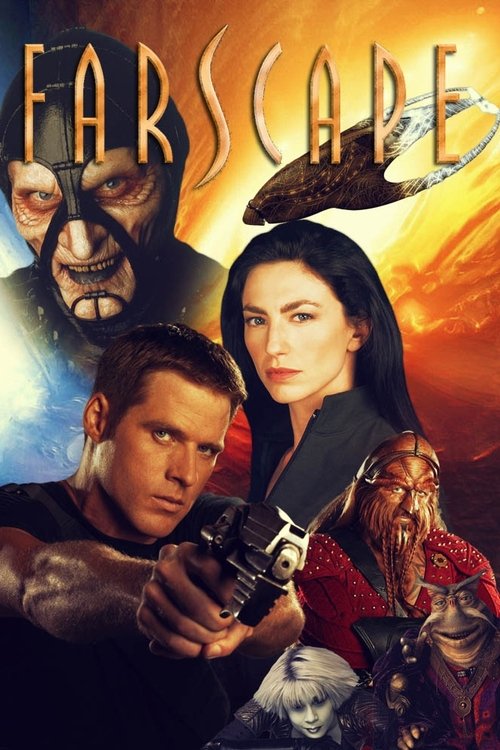
Forget your clean-cut starships. *Farscape* was messy, wild, and deeply weird. From Jim Henson’s Creature Shop came aliens that were actual characters, not just rubber suits. It embraced serialized storytelling in a way few sci-fi shows dared, focusing on character arcs and a truly alien perspective. It pushed emotional boundaries and wasn't afraid to get dark, showing what sci-fi could really be when it stepped away from the usual tropes.
5. Spaced
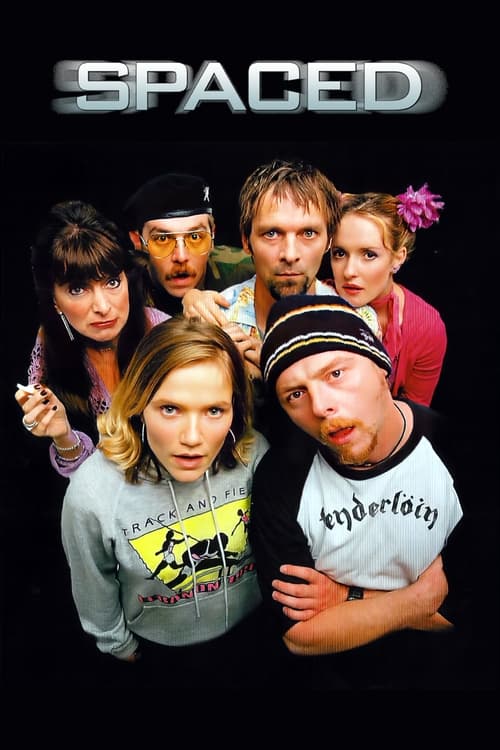
Before *Shaun of the Dead*, Edgar Wright and Simon Pegg gave us *Spaced*. This British gem was a love letter to pop culture, filtering friendship and quarter-life crises through a hyper-stylized lens. Its rapid-fire gags, visual flourishes, and constant genre nods made it feel like nothing else on TV. It was smart, funny, and built a world of shared obsessions that resonated deeply with its niche audience.
6. Brass Eye
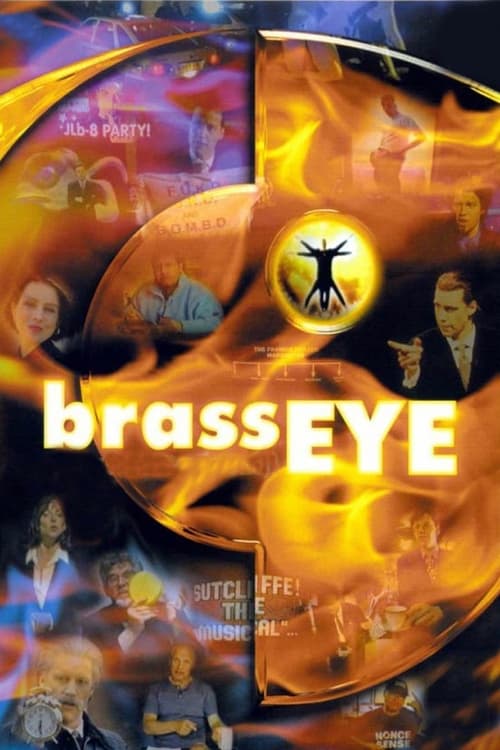
Chris Morris was a mad genius, and *Brass Eye* was his masterpiece of media satire. A fake news show that relentlessly exposed journalistic malpractice and public credulity, it blurred the line between parody and disturbing reality. Its "Paedogeddon" episode remains legendary for the uproar it caused. This wasn't just funny; it was a savage, brave, and deeply uncomfortable critique of the era’s sensationalism, years ahead of its time.
7. Terriers
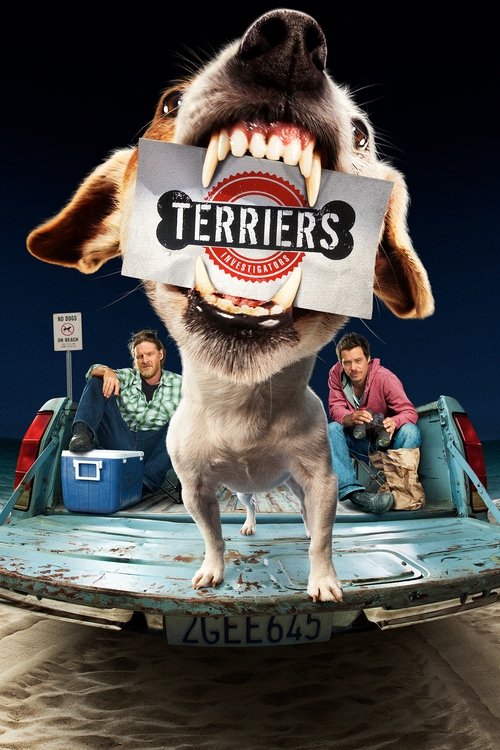
FX put out some gems, and *Terriers* was one of those shows that got canceled too soon, but left a lasting impression. It was a shaggy-dog detective story, grounded in the messy lives of two down-on-their-luck P.I.s in San Diego. More about character and mood than intricate plots, it had a melancholic charm. It showed cable could do character-driven drama without constant high stakes, just real people trying to get by.
8. Rubicon
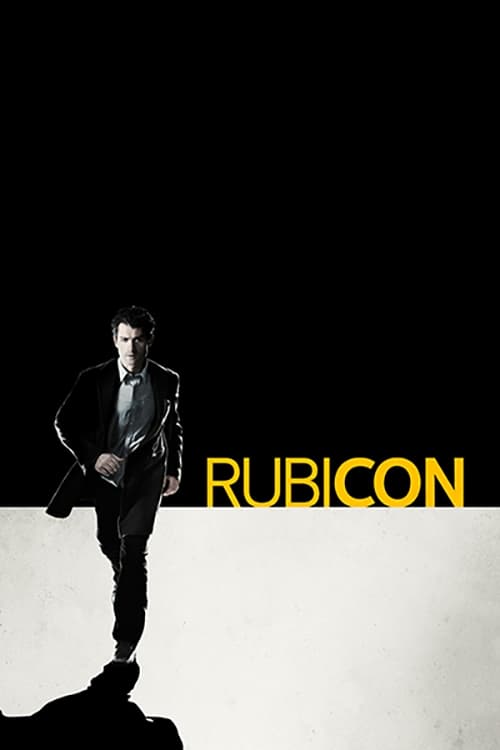
AMC was on a roll, and *Rubicon* was their quiet, cerebral entry. This spy thriller was a slow burn, focusing on a brilliant but socially awkward analyst uncovering a vast conspiracy. It rewarded patience with dense plotting and an oppressive atmosphere of paranoia. It didn't have the flash of other spy shows, but its commitment to intellectual tension and a meticulously crafted, unsettling world was singular.
9. Boomtown
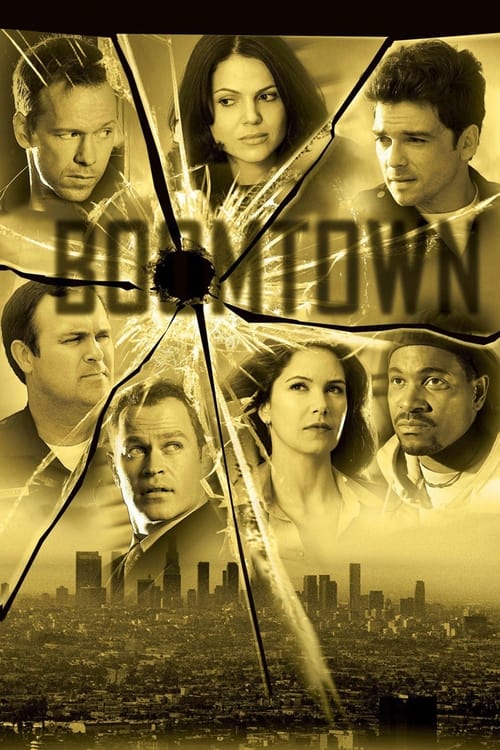
This show was structurally ambitious, telling the story of a single crime from multiple perspectives – cops, criminals, victims. Each episode offered a Rashomon-like re-evaluation, deepening characters and motivations. It was a procedural, sure, but one that valued complexity and moral ambiguity, weaving a rich tapestry of interwoven lives. *Boomtown* explored the human element of crime in a way few others dared, building a truly layered universe.
10. Greg the Bunny
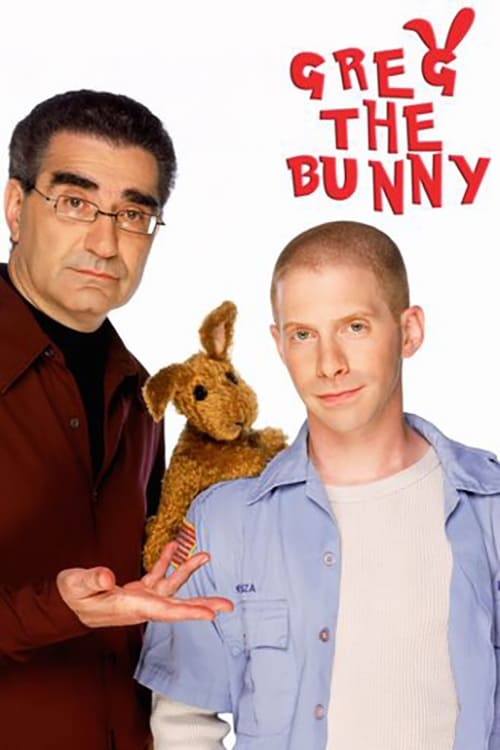
Before *The Muppets* tried for adult appeal, there was *Greg the Bunny*. This mockumentary followed a puppet trying to make it in showbiz, surrounded by both human and felt co-stars. It was incredibly meta, sharply funny, and surprisingly poignant. It found a niche audience who appreciated its cleverness and its ability to satirize Hollywood while still having a huge heart. A truly unique concept executed brilliantly.
11. Action
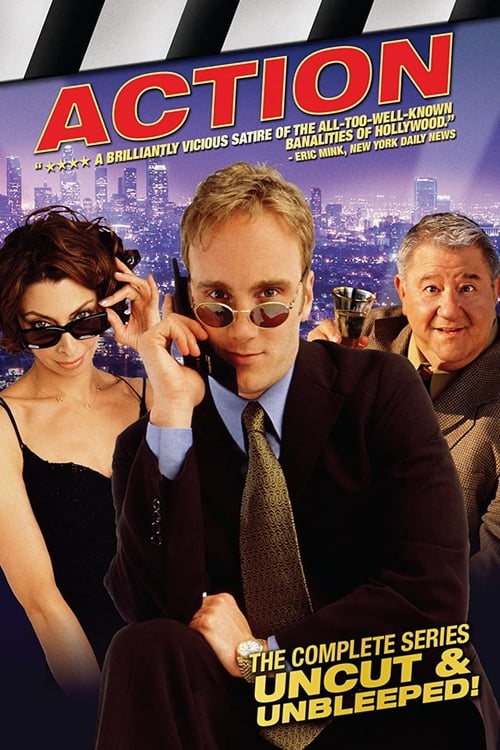
This was network TV pushing boundaries in '99, with a show so unrepentantly cynical and hilarious about Hollywood, it probably scared the executives who greenlit it. Jay Mohr played a truly awful studio exec, and Buddy Hackett was his foul-mouthed driver. It was a brutal, quick-witted satire, gleefully dark, and completely unafraid to offend. A short-lived cult classic that deserved so much more time to shock and amuse.
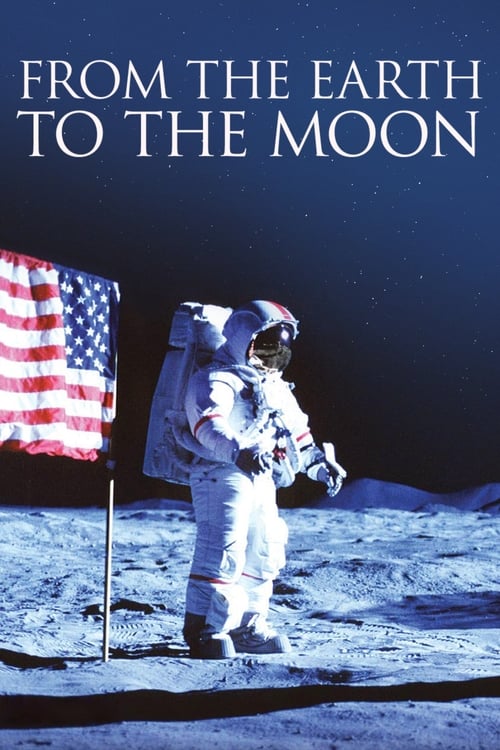
12. From the Earth to the Moon
HBO again, demonstrating how limited series could become an event. This Tom Hanks-produced miniseries chronicled the Apollo missions with meticulous historical detail and cinematic scope. It wasn't just about the science; it was about the human stories, the bravery, and the sacrifices. It felt grand, important, and elevated the entire medium, proving that television could tell epic, sweeping narratives with the weight of film.