
1 / 11
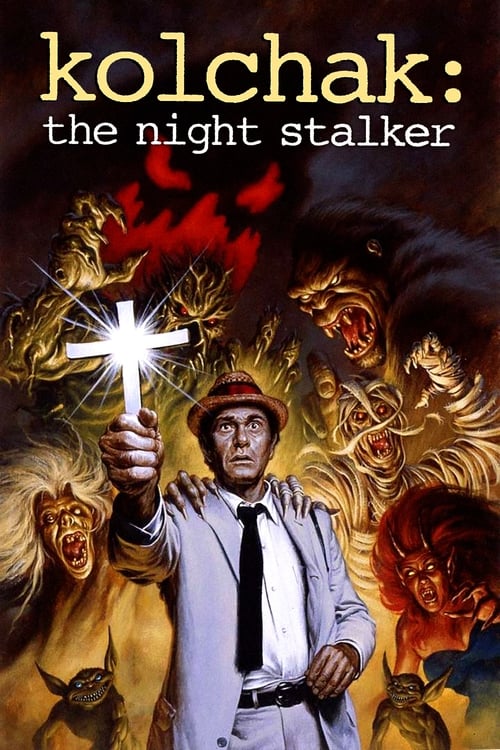
1. Kolchak: The Night Stalker
It felt like a late-night B-movie on the small screen, didn't it? Darren McGavin, always chasing some unbelievable creature. Each week, a new fright, and nobody ever believed him. That low-budget, grainy look just added to the creepiness, making those monsters seem all the more out of place in modern Chicago. This show understood how to make episodic horror work, even if it often felt like a dark, flickering tale spun just for you.
2 / 11
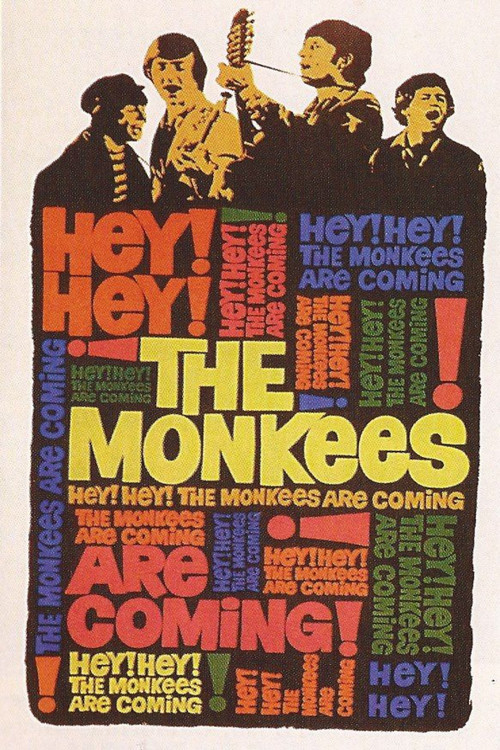
2. The Monkees
Well, this was something else, wasn't it? Four lads, always getting into trouble, with songs wedged right in the middle. It broke the mold, jumping between slapstick and musical numbers like nobody's business. Felt like a Saturday morning cartoon for grown-ups, but with real tunes. The camera tricks, the quick cuts – it was pure television magic, pushing what a sitcom could be and showing a lot of visual experimentation.
3 / 11
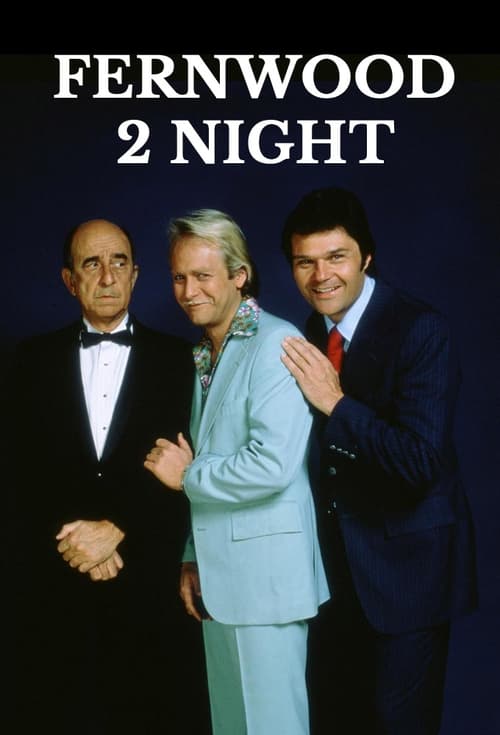
3. Fernwood 2 Night
Now, this was a clever one. A local talk show from the fictional Fernwood, Ohio, hosted by Martin Mull and Fred Willard. It was deliberately clunky, painfully awkward, and absolutely hilarious. You felt like you were watching actual cable access, with all its glorious imperfections. And that was the joke, wasn't it? A brilliant send-up of small-town television, played perfectly straight, proving less could truly be more.
4 / 11
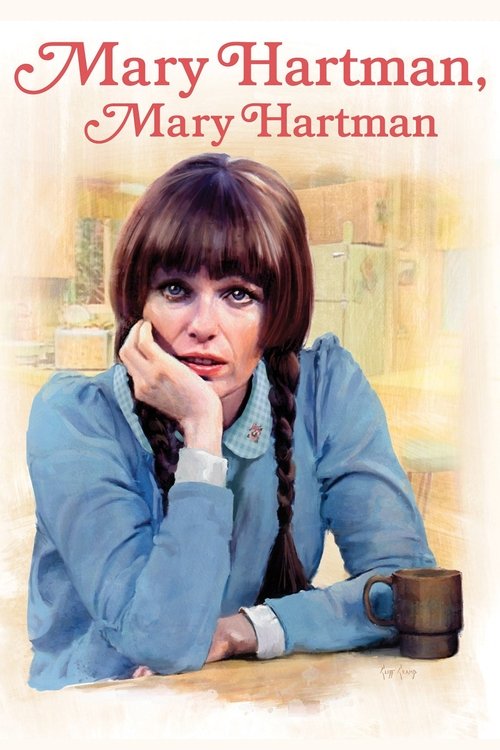
4. Mary Hartman, Mary Hartman
Good heavens, this was a wild ride. Norman Lear, pushing the boundaries, making a soap opera that was also a commentary on everything wrong with America. Louise Lasser as Mary, just drifting through suburban absurdity and real tragedy. It felt so raw, often black-and-white even in color, like a classic melodrama stretched to its breaking point. Unique, unsettling, and utterly compelling television that truly broke the mold.
5 / 11
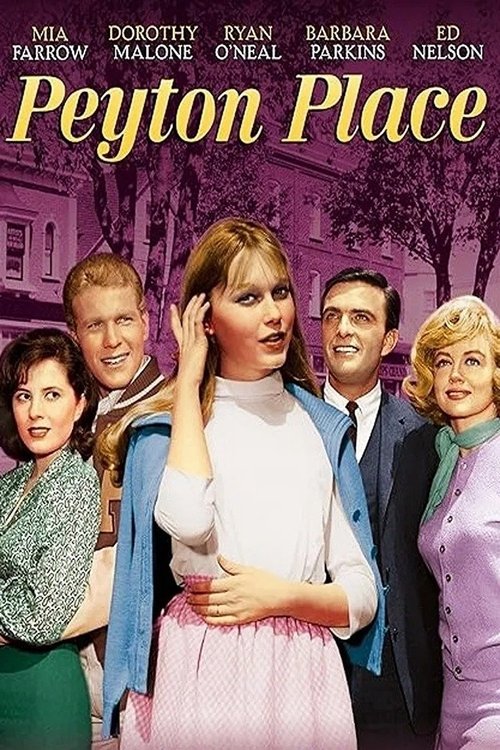
5. Peyton Place
Oh, the drama! This was the show that truly taught us about long-form continuity, wasn't it? Every night, another secret, another scandal in that little New England town. The black-and-white cinematography added to the melodrama, making every illicit glance and whispered accusation feel truly monumental. It grabbed you and wouldn't let go, proving that television could tell a story over months, not just hours. A real game-changer.
6 / 11
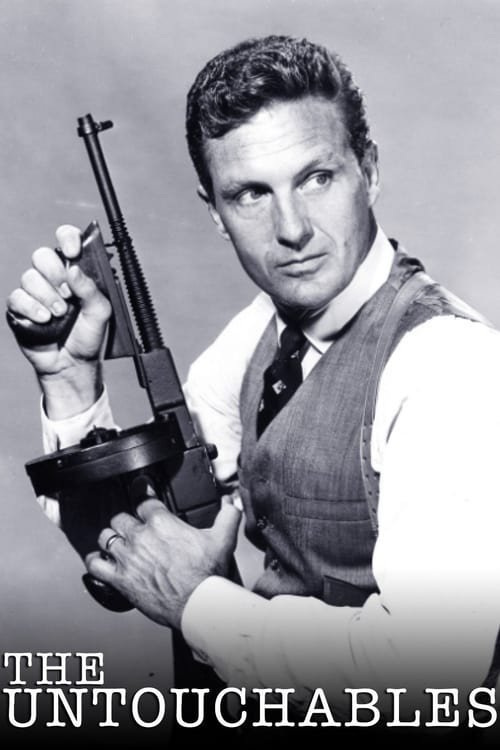
6. The Untouchables
This was stark, grim stuff for the late fifties. Robert Stack as Eliot Ness, battling the mob in black-and-white, with that gravelly narration. You felt the grit, the danger, the sheer desperation of it all. It didn't pull punches, and the kinescope-like quality made it feel even more immediate, like watching a dramatic newsreel unfold right in your living room. Powerful, intense television that left an impression.
7 / 11
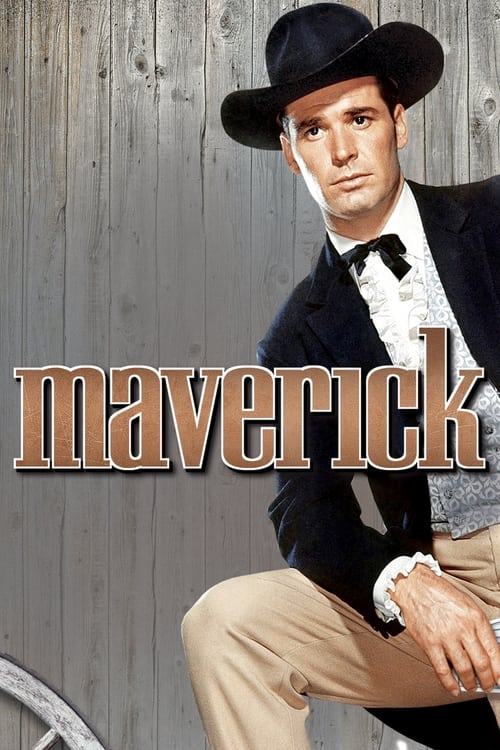
7. Maverick
A Western where the hero would rather talk his way out of trouble or even run away? James Garner made Bret Maverick something truly special. It had smart dialogue, a wink to the audience, and truly broke the mold for what a cowboy could be. Each week felt like a clever new play, a stand-alone adventure that still built on Maverick's roguish charm. Black-and-white, but full of character and wit.
8 / 11
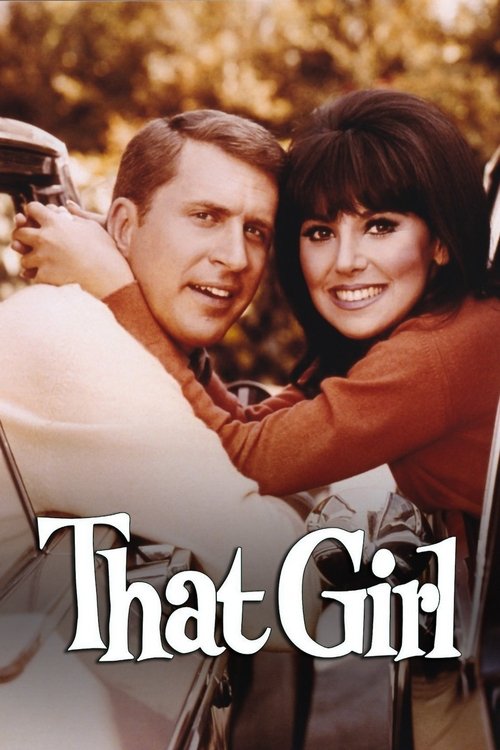
8. That Girl
Ann Marie, trying to make it as an actress in the big city! Marlo Thomas just sparkled. It was a bright, optimistic sitcom, but it also showed a young woman carving out her own life, not just waiting for a husband. That was rather progressive for the time, you know. It captured the energy of the sixties, all while delivering charming, episodic laughs and a little bit of ambition for the small screen.
9 / 11
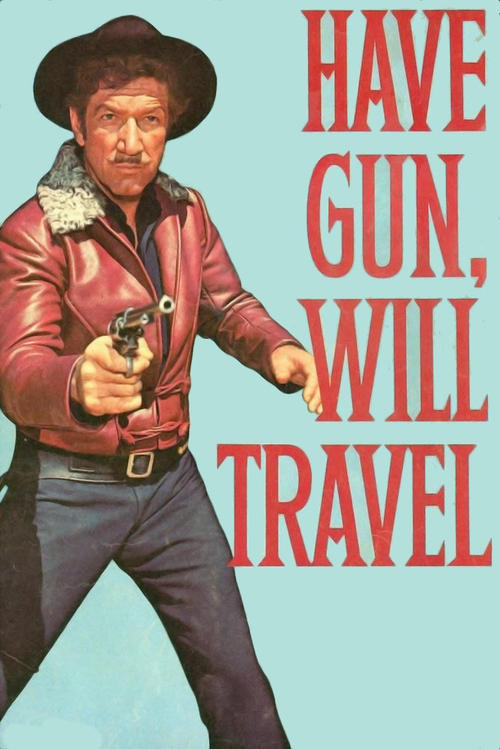
9. Have Gun, Will Travel
Paladin was a different kind of gunfighter, wasn't he? Richard Boone brought such gravitas to the role, a cultured gentleman who solved problems with intellect as much as his Colt .45. Each episode was a tightly wound moral play, a little anthology of justice in the Old West. Black-and-white, but full of shadows and moral complexities. A truly thoughtful, compelling half-hour of television, week after week.
10 / 11
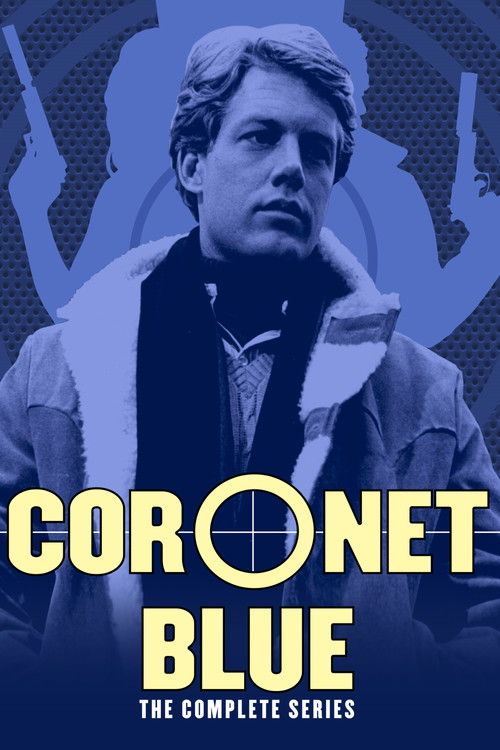
10. Coronet Blue
Now, this was a fascinating puzzle. A man with amnesia, pursued by unknown forces, trying to piece together who he was. It was ahead of its time, really, with a continuous, serialized mystery that kept you guessing every week. You couldn't miss an episode! It had an almost dreamlike, atmospheric quality, a true experiment in suspense that deserved more than its brief run on the airwaves.
11 / 11
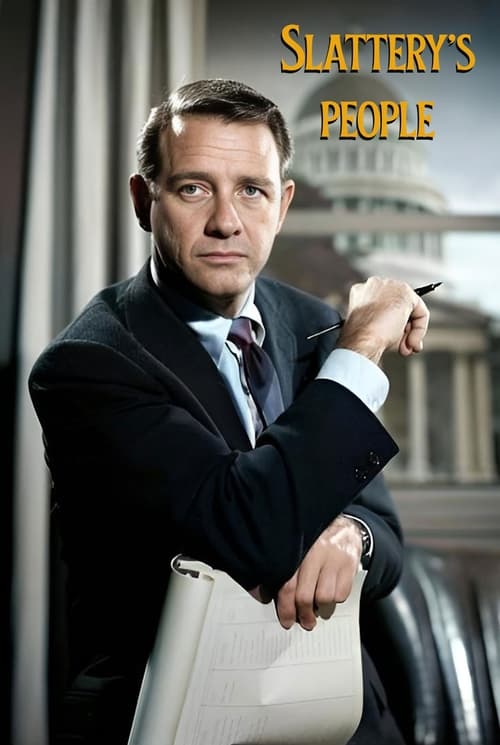
11. Slattery's People
This one was for the thinkers. A political drama, focused on a state legislator, played by Richard Crenna. It tackled complex issues, often without easy answers, feeling more like a stage play adapted for the small screen. The black-and-white starkness suited its serious tone, making it feel less like entertainment and more like a weekly dissection of society's big questions. Thought-provoking, definitely, and very well-written.