
1. Naked City
You know, before they got slick with those fancy cameras, *Naked City* showed us what television could *really* do. The 1958 version, hour-long and gritty, walked those New York streets, often feeling less like a set and more like a documentary. It embraced the city's pulse, showing crime and human drama from every angle. And believe me, seeing those real locations on your tube, in sharp black and white, felt like peering through a window. It wasn't just a police show; it was a character study of a metropolis.
2. East Side/West Side
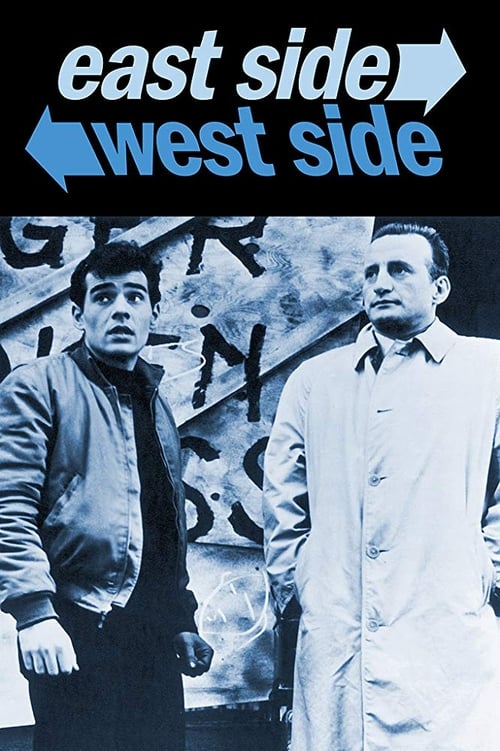
Now, *this* one, with George C. Scott, wasn't afraid to hit you over the head with reality. It tackled poverty, prejudice, and all the tough stuff that most shows shied away from. And it was in black and white, which just amplified the starkness of it all. Scott played a social worker, not some dashing hero, grappling with problems that didn't always have neat solutions. It was challenging viewing, and it proved television could be more than just escapism.

3. Playhouse 90
Ah, *Playhouse 90*. That was the Golden Age, wasn't it? Live drama, every week, with a budget that let them do things no one else dared. They'd bring in the best writers, the best actors, and perform these intricate, emotional stories right there on the air. Sometimes you saw the seams, sure, but that was part of the magic. It felt like theater, but in your living room, captured for posterity on those old kinescopes. A true television event, every time.
4. Way Out
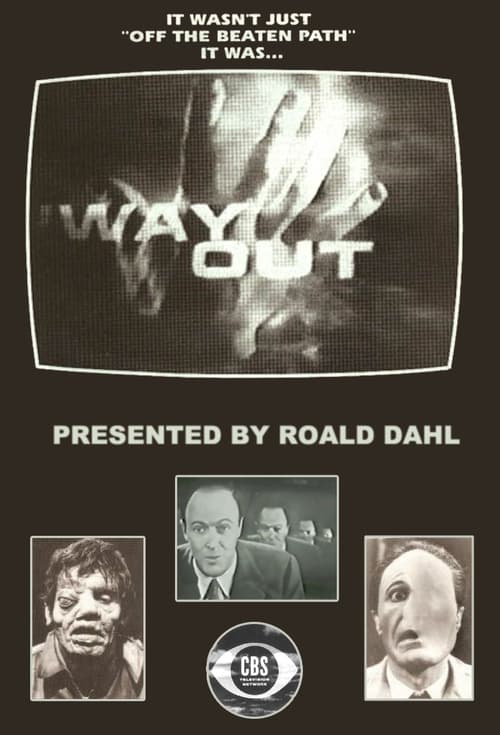
Roald Dahl hosting, mind you. This was short-lived, yes, but it left a mark. It wasn't your typical monster-of-the-week stuff. No, *Way Out* got under your skin with psychological chills and strange, unsettling tales. Often surreal, always with an unnerving atmosphere, it showed that even in black and white, the tube could conjure up nightmares. It was an early experiment in unsettling anthology storytelling that didn't rely on jump scares, but on creeping dread.
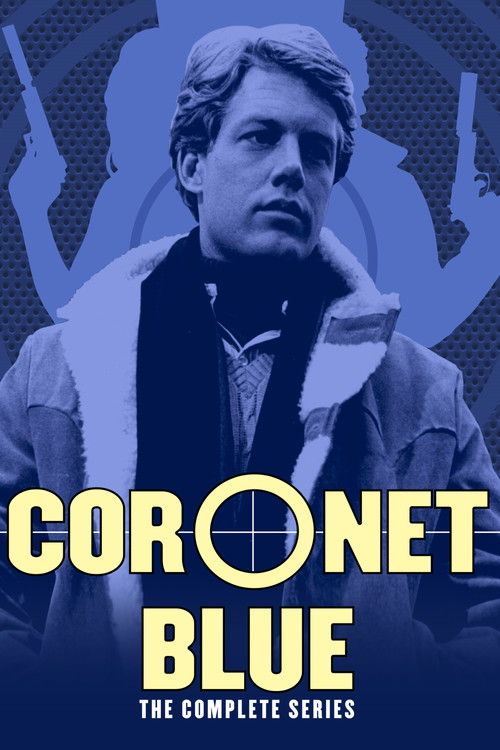
5. Coronet Blue
Now, *Coronet Blue* tried something truly bold for its time: a full-on serialized mystery. Our amnesiac hero spent 13 episodes piecing together who he was, and viewers were hooked on the long-form puzzle. It was a proper cliffhanger every week, building to a big reveal that, sadly, never came. Network politics, you see. But it showed that audiences could follow a continuous story, proving the tube wasn't just for standalone episodes. A real shame it ended so abruptly.
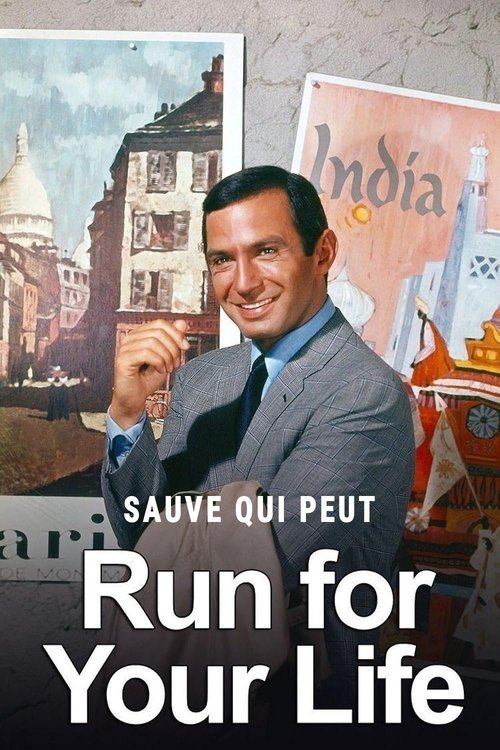
6. Run for Your Life
Ben Gazzara as Paul Bryan, a man given two years to live, deciding to see the world. It was a clever setup, letting them do a different adventure every week, but with that underlying clock ticking. You had the episodic fun, but also this continuous, poignant character journey. It balanced the dramatic stakes with a travelogue feel, showing how you could weave a thread through disparate stories. And Gazzara, he had that quiet intensity that just held your attention.
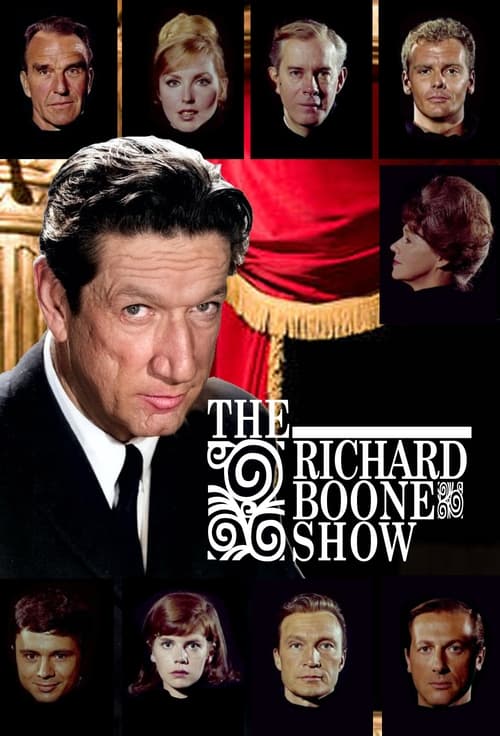
7. The Richard Boone Show
Richard Boone, what a character. Here he was, leading a repertory company of actors, putting on a different play every single week. Boone himself would often show up in different roles, too. It was a showcase for serious acting and varied storytelling, a real commitment to the craft. They weren't afraid to take risks, proving that television could be a legitimate artistic medium, not just a conveyor belt for formulaic fare. Pure quality, week after week.