
1. Omnibus
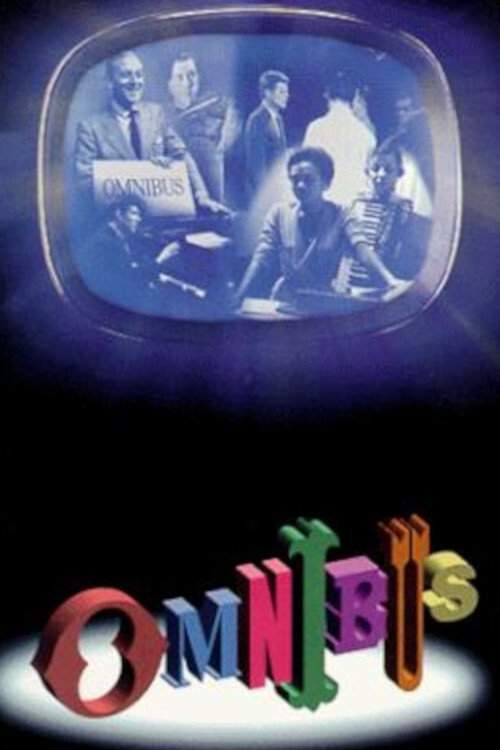
Now, "Omnibus" was something else entirely. It wasn't just entertainment; it was television's classroom, a proper Sunday afternoon institution. From Leonard Bernstein explaining music to live Shakespeare, it embraced the medium's potential for cultural enrichment. These kinescopes showcase the ambition of early live TV, proving that broadcasting could be both intellectual and accessible, without pandering. A true marvel of serious programming.

2. The Goldbergs
Before families were constantly squabbling for laughs, there was "The Goldbergs." This series brought Molly Goldberg and her New York family right into your living room, straight from radio. It was warm, honest, and truly groundbreaking for depicting Jewish-American life with such authenticity. The early black-and-white visuals might seem quaint now, but the heart of these stories, the everyday struggles and joys, still resonates. A real precursor to family-centric sitcoms.
3. One Step Beyond
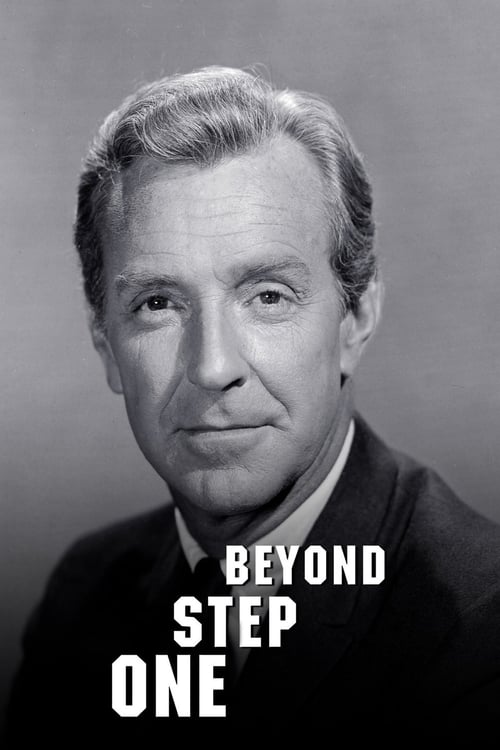
You remember "The Twilight Zone," sure, but "One Step Beyond" offered a different, often chilling, flavor of the inexplicable. John Newland, always serious, introduced tales of genuine psychic phenomena and true events, no aliens or monsters, just uncanny human experiences. The black-and-white photography amplified that sense of dread and mystery, making you genuinely wonder about the world's hidden corners. It was unnerving, yet utterly compelling viewing.

4. Naked City
Naked City" showed you New York City, grimy and real, not just a painted backdrop. Each episode, with its famous closing line, was a self-contained drama, but the feeling of the city itself was the constant character. Shot largely on location, it brought a stark, almost documentary feel to crime stories, a far cry from the studio-bound melodramas. This was raw, honest storytelling, hinting at the longer narrative arcs we'd see much later.
5. Studio One
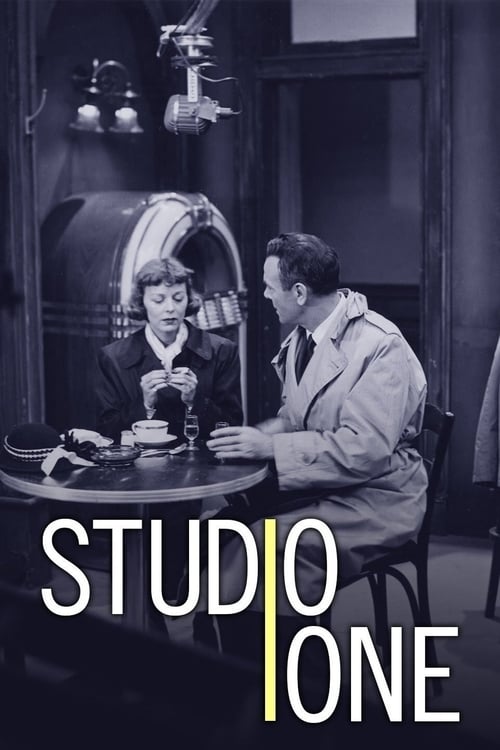
Ah, "Studio One." This was where television truly found its dramatic footing. Live, ambitious, and often broadcast from grand stages, it was a crucible for writers and actors alike. Imagine the pressure, the thrill of live performance across the airwaves. The surviving kinescopes, though sometimes technically rough, preserve these vital early experiments in long-form storytelling and character development, showing how television could be a serious artistic medium.
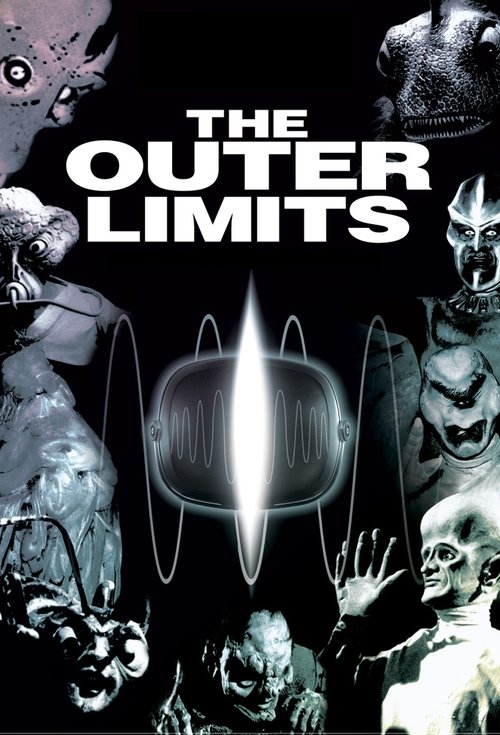
6. The Outer Limits
When "The Outer Limits" came on, you knew you were in for something grander, and often scarier, than its contemporary sci-fi. It wasn't just about the monsters, though they were unforgettable; it explored the human condition, morality, and the unknown with a serious, often dark tone. The "bear" opening, the shadowy cinematography—it all built an atmosphere of genuine wonder and dread. It pushed boundaries, intellectually and visually.
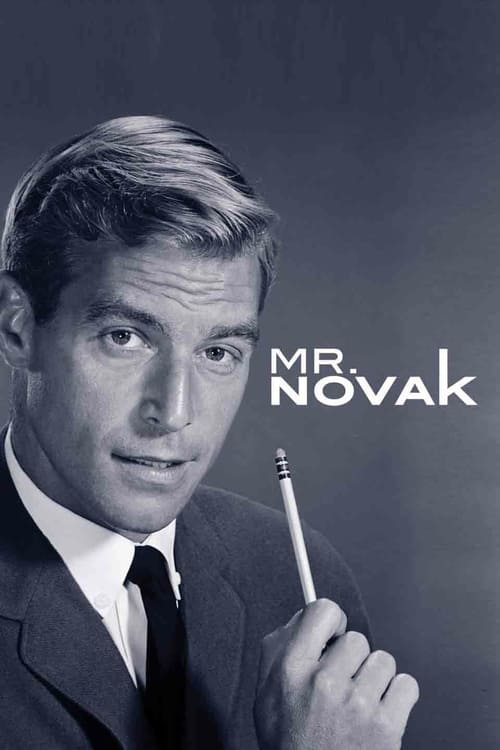
7. Mr. Novak
"Mr. Novak" wasn't your typical lighthearted school show. It tackled serious issues of the day—discipline, integration, social pressures—through the eyes of a dedicated English teacher. These weren't simple, wrapped-up-in-thirty-minutes morality plays; the show often explored the nuances of education and adolescence with a surprising depth for its era. It offered a glimpse into early attempts at serialized character development within a dramatic framework.
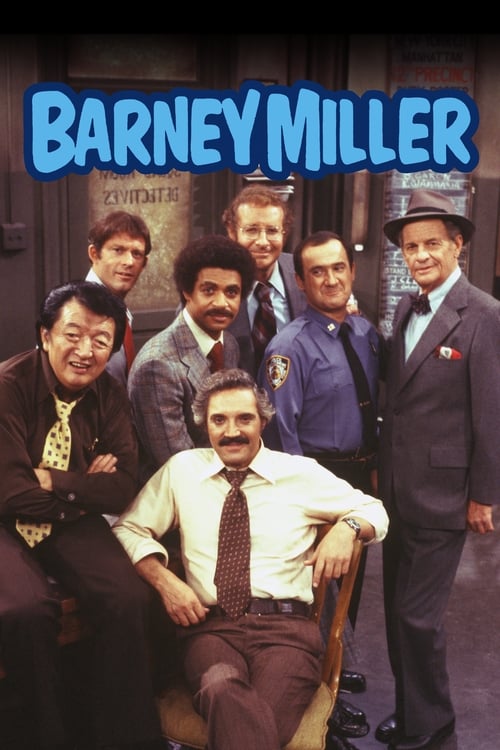
8. Barney Miller
"Barney Miller" proved you didn't need car chases or exotic locales for great television. Just a single, drab precinct office, brilliant writing, and a cast that understood comedic timing like no other. The genius was in the character dynamics and the subtle, intelligent humor, often derived from the mundane absurdity of police work. It was a masterclass in ensemble acting and a benchmark for later workplace comedies, with surprising heart.