
1. Naked City
Sgt. Bilko, now that was a character! Phil Silvers, he was a genius, a real song-and-dance man doing comedy. This show, it moved like lightning. Bilko, always trying to pull a fast one, usually on Colonel Hall, and his platoon of stooges just going right along with it. It was classic sitcom structure, but with such energy. You couldn't help but laugh at his schemes, even when you knew they'd blow up in his face. A masterclass in comedic timing.

2. The Phil Silvers Show
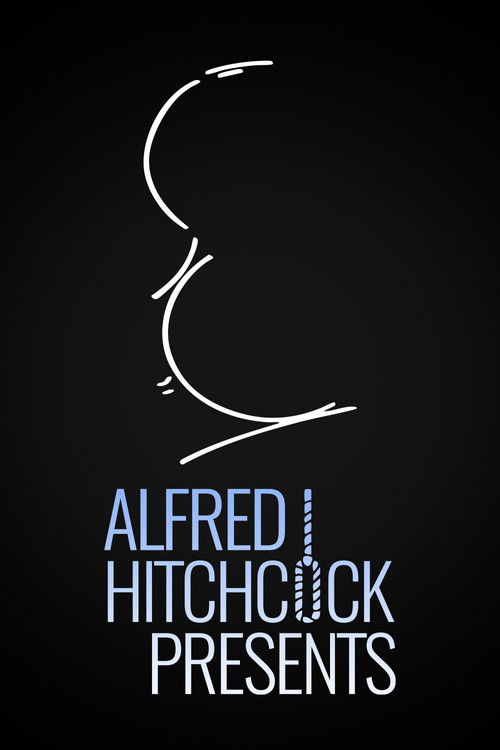
Hitchcock, he made you think, didn't he? Every week, a new story, a new cast, but always that touch of the macabre. The way he'd introduce each episode, with that silhouette and his dry wit, it was part of the show itself. And those twist endings! They weren't just surprises; they were often moral punchlines, leaving you a bit unsettled. Black and white just amplified the mood, the shadows playing tricks on your mind. Pure, unadulterated suspense, every single time.
3. Alfred Hitchcock Presents
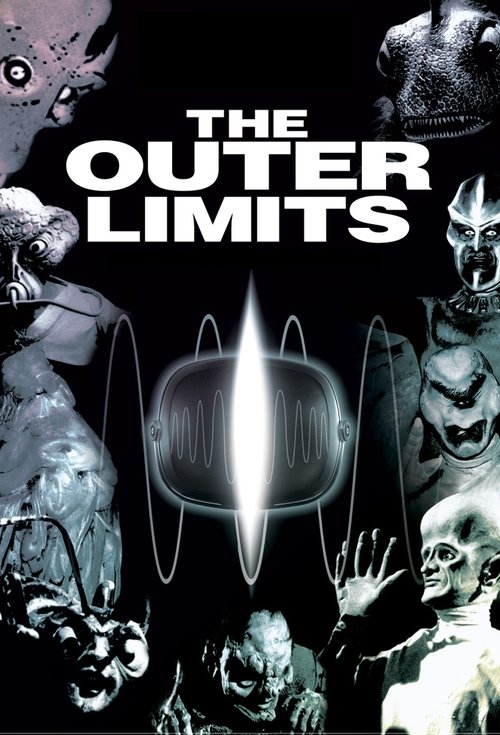
Oh, 'The Outer Limits,' that show gave you chills. Not just monsters, mind you, though they had some memorable ones. It was the ideas, the questions it posed about humanity and the unknown. Often dark, often thought-provoking, and always in that stark, high-contrast black and white that made everything feel so immediate and strange. The framing device, 'There is nothing wrong with your television set,' it was brilliant. It felt like a peek into a different dimension, truly experimental for its time.
4. The Outer Limits
Now, 'The Fugitive,' that was something new. A man on the run, week after week, trying to clear his name. Before that, most shows reset each episode. Dr. Richard Kimble, always just one step ahead of Lieutenant Gerard. It built this incredible tension, this long-form story you had to follow. David Janssen, he made you believe in Kimble's plight. And all in that stark black and white, amplifying the loneliness and desperation of his journey. A real game-changer for drama.

5. The Fugitive
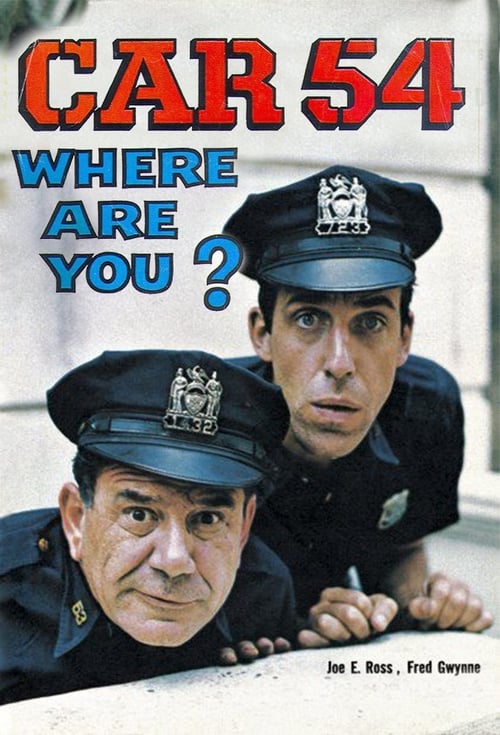
Car 54, that was just good, clean fun. Fred Gwynne and Joe E. Ross as those two bumbling cops, Toody and Muldoon, patrolling the Bronx. Their personalities just bounced off each other. It was pure physical comedy and character-driven gags, never mean-spirited. The situations were often absurd, but you bought into it because the characters were so endearing. A classic early sitcom, showing you didn't need much more than a couple of good actors and some silly situations to get a laugh. Simple, effective television.
6. Car 54, Where Are You?
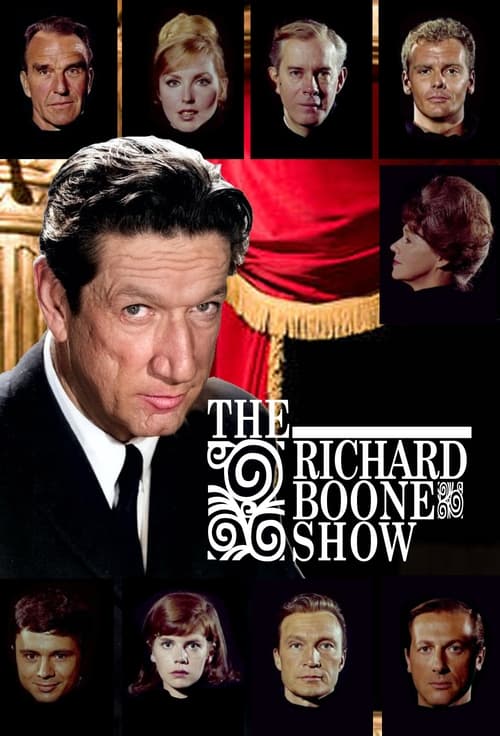
Richard Boone, he was a serious actor, and this show, it was a showcase. Every week, a different play, a different story, but with the same core group of actors taking on new roles. It was like a repertory theater company on television, which was a pretty ambitious idea for the time. You got to see these performers stretch, and Boone himself was always magnetic. High-quality drama, often quite intense, in that classic black and white. It really showed what acting could do on the small screen.
7. The Richard Boone Show
Police Story, that one felt different. By '73, we were out of black and white, and this show embraced a grittier, more realistic look at police work. Each episode was almost a standalone movie, often focusing on the human side, the toll the job took on officers. It wasn't always about the chase; it was about the tough decisions, the moral ambiguities. They got real police officers to consult, and you could feel that authenticity. It really raised the bar for cop dramas, showing the messy truth.