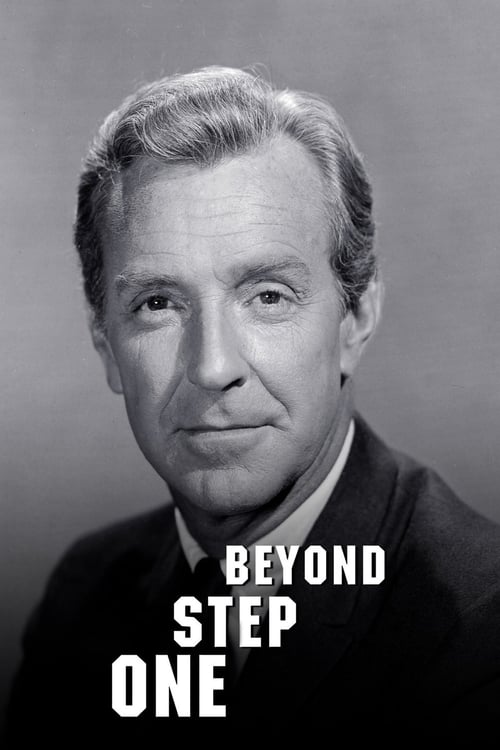
1. One Step Beyond
Ah, John Newland. He'd stand there, looking directly at you, promising 'true' stories of the unexplained. And in that stark black and white, those little tales of premonition or ghostly encounters felt genuinely unsettling. It wasn't flashy, mind you, but its quiet, almost clinical presentation of the uncanny, often ending with a shiver, really stuck with you. A master class in building dread with very little, proving the power of suggestion over special effects. Kinescope aesthetic at its finest.
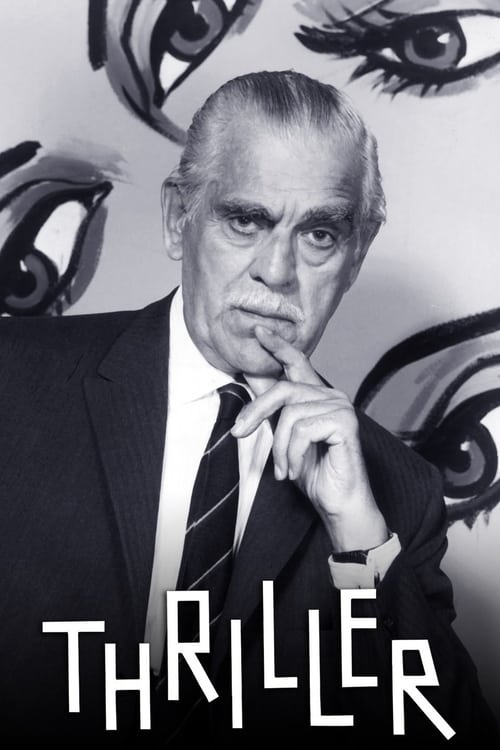
2. Thriller
While everyone talks about Rod Serling, Boris Karloff's 'Thriller' often gets overlooked. This was pure, unadulterated macabre, often dipping into horror that pushed the boundaries for its time. Karloff's introductions, his smooth, ominous voice, set the stage for tales that were genuinely chilling, not just spooky. The black-and-white cinematography often felt like a German Expressionist film, full of deep shadows and unsettling angles. A true fright-fest for those who liked their evening entertainment with a good scare.
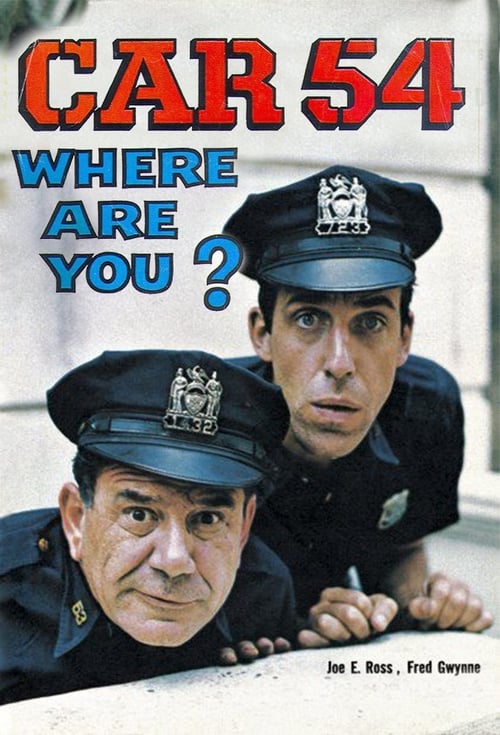
3. Car 54, Where Are You?
A classic sitcom from the golden age, this one had heart and a good deal of slapstick. You had the tall, bumbling Toody and the short, sensible Muldoon, two New York City police officers who were more likely to cause chaos than catch criminals. It was filmed on location in the Bronx and at Biograph Studios, giving it a real flavor. The humor was physical, character-driven, and utterly charming. Just good, clean, black-and-white fun, the kind that makes you chuckle out loud.
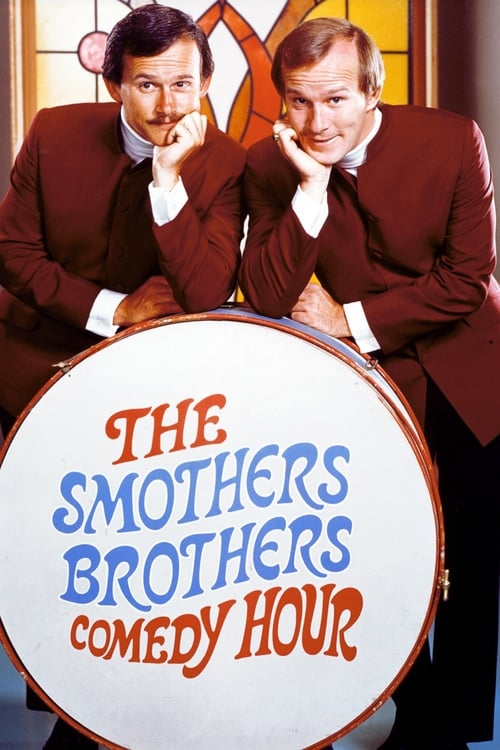
4. The Smothers Brothers Comedy Hour
Now, this was something else. Sunday nights, and those two brothers, Tommy and Dick, bringing their folk music and a whole lot more. You never knew what guest they'd have, or what 'controversial' joke Tommy would slip in that week. It felt fresh, pushing against the edges of what network television would allow. A true variety show, but with a surprising amount of bite and actual thought behind the laughs. And, yes, it eventually got them into trouble, but it was glorious while it lasted.
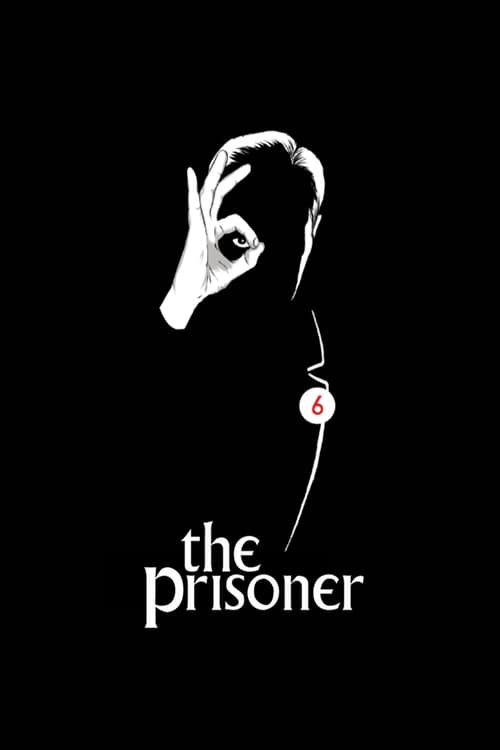
5. The Prisoner
From the very first moment, you knew this was different. Patrick McGoohan, after resigning, wakes up in 'The Village,' a seemingly idyllic place where everyone is a number and escape is impossible. Its surreal, allegorical nature, combined with a continuous mystery, was groundbreaking. Each episode felt like a puzzle, forcing you to think, to question authority and identity. It wasn't just a spy show; it was a philosophical statement, wrapped in a wonderfully bizarre package. A true mind-bender.
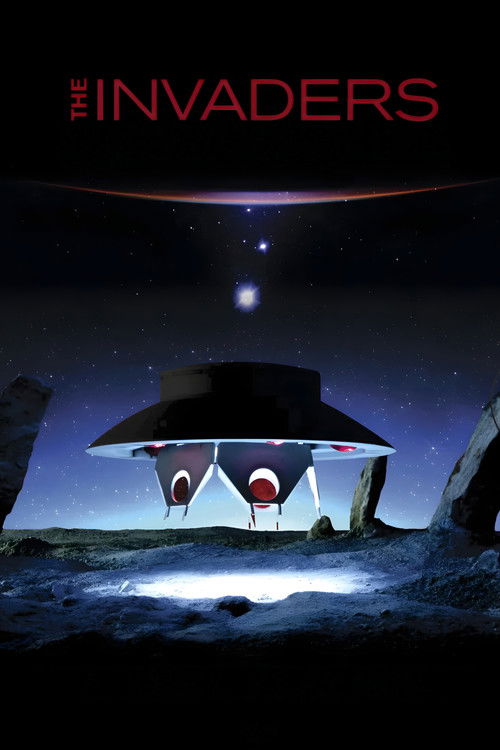
6. The Invaders
David Vincent saw them! And for two seasons, he was almost alone in his desperate struggle against an alien menace disguised as humans. This show tapped into the Cold War paranoia of the era, turning it into a compelling, serialized science fiction drama. The stark black and white of the early episodes added to the oppressive atmosphere. Roy Thinnes carried the weight of the world on his shoulders, constantly running, constantly trying to convince a skeptical world. Gripping, tense, and ahead of its time.
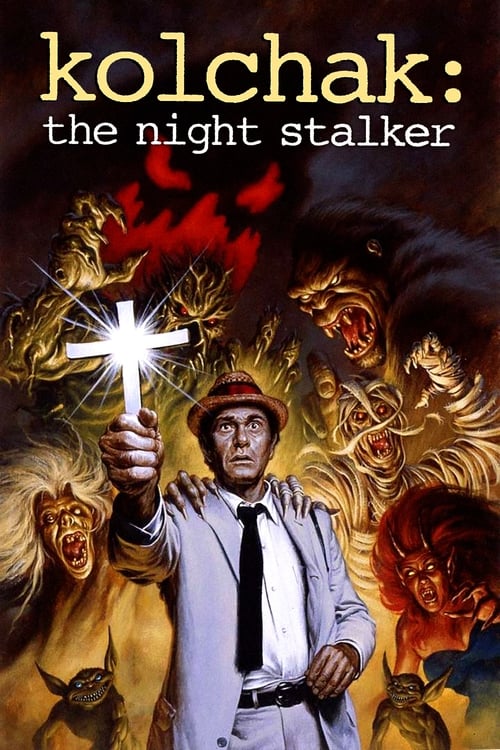
7. Kolchak: The Night Stalker
Darren McGavin as Carl Kolchak was a revelation. A newspaper reporter who stumbled upon monsters, vampires, and all manner of supernatural creatures, only to have his stories dismissed by his editors. It was a gritty, urban take on the horror genre, almost like a police procedural for the occult. Despite being in color, it often felt like classic black-and-white melodrama, full of shadows and cynical charm. McGavin's performance made it sing, a true cult classic that holds up beautifully.
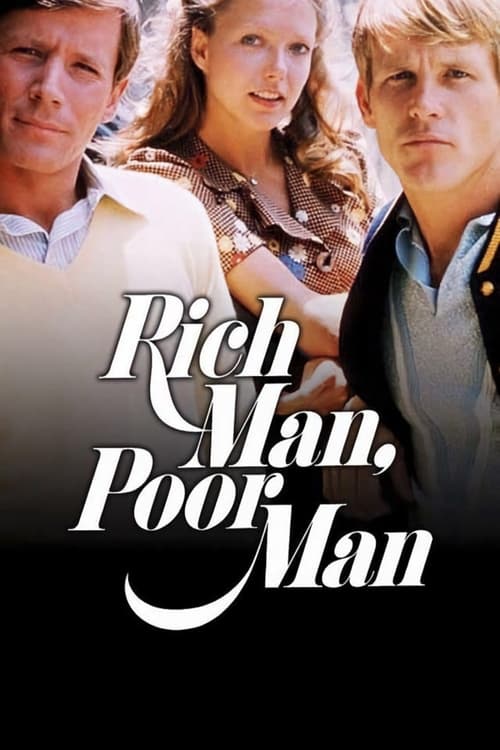
8. Rich Man, Poor Man
This was a game-changer. You watched for weeks, following the Jordache family from the post-war years through decades of triumph and tragedy. The sheer scale, seeing characters grow and change across a lengthy narrative, it was like reading a big novel right there on your television set. And, oh, the performances! Nick and Rudy, their lives intertwining and diverging. It showed what television could do when given the space to tell a truly epic, long-form story, captivating audiences every Sunday night.