1. Automan
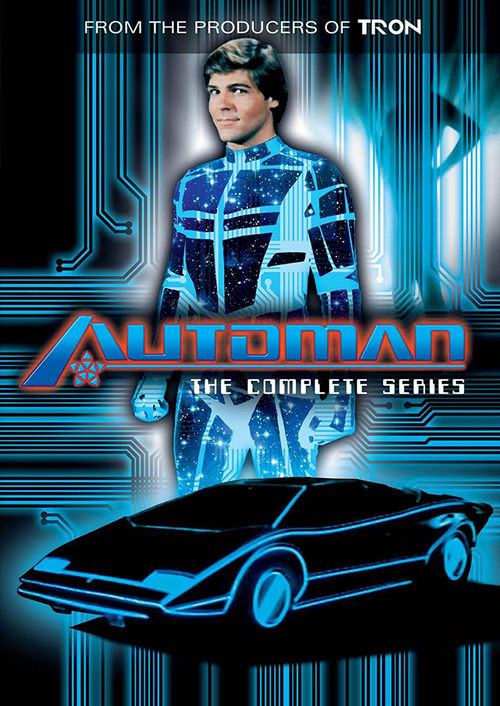
Automan was pure 80s digital fever dream, a guy made of light and code, driving around in a car that turned corners at right angles because *computers*. It was clunky, sure, but the glowing wireframe effects were revolutionary for network TV then. And that sidekick, Cursor? A floating block that could literally draw anything into existence. Maximalist practical effects trying to be digital. It felt like watching the future through a CRT screen, all neon grids and pulsing energy, a true proto-cyberpunk vision.
2. Misfits of Science
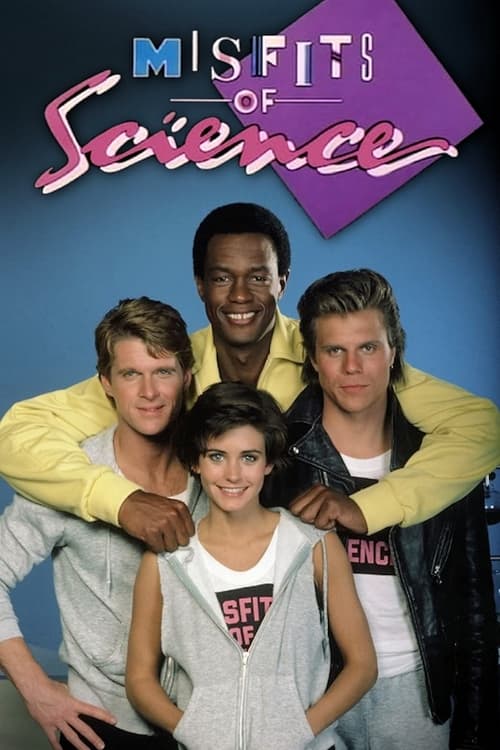
Before X-Men went mainstream, there were these Misfits, a ragtag bunch of weirdos with powers nobody really wanted. A telekinetic teen, a shrinking guy, a woman who shot electricity. It was all very tongue-in-cheek, a low-fi, syndicated version of heroics. The special effects were delightfully cheesy, a testament to what you could do with a limited budget and a lot of imagination. A true cult classic, right on the edge of prime-time and B-movie madness.
3. Captain Power and the Soldiers of the Future
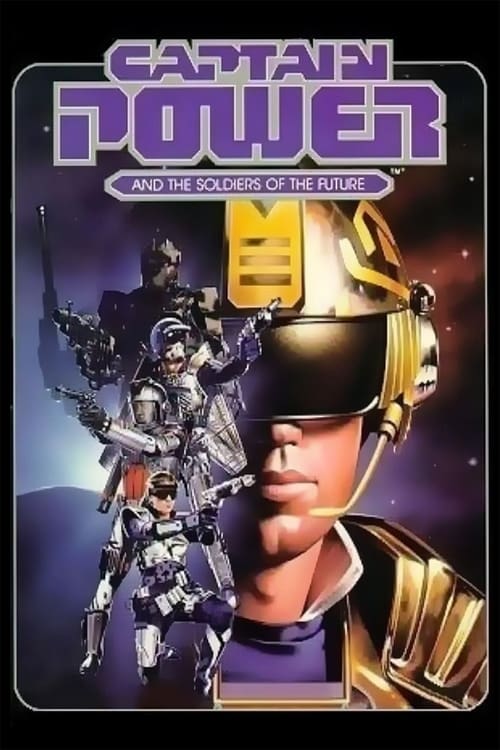
This show was wild, man. Live-action actors in a grim, post-apocalyptic future fighting sentient machines called Bio-Dreads. But the real hook? You could buy the toys and shoot at your TV, interacting with the show. It was a bizarre, ambitious experiment, blending early CGI for the robot enemies with practical sets. A genuinely dark, serialized narrative for its time, definitely pushing boundaries with its dystopian vision and surprisingly adult themes. Ahead of its time, for sure.
4. Street Hawk
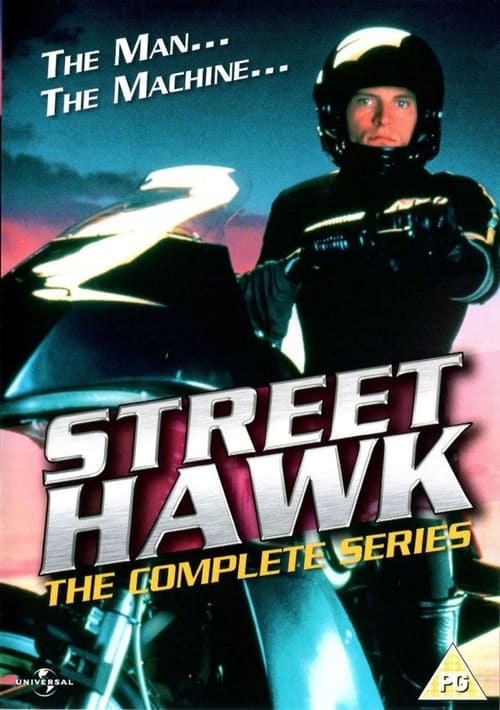
Forget KITT, Street Hawk was all about the bike. A super-modified, off-road motorcycle that could hit 300mph and jump over anything. It was *Knight Rider* on two wheels, leaning into that cool, lone wolf vibe. The practical effects, the stunts, the slow-motion jumps – it was pure 80s action cheese, a syndicated dream of speed and leather, blurring across the screen. You could practically feel the wind in your hair watching the desert highway.
5. The Adventures of Brisco County, Jr.
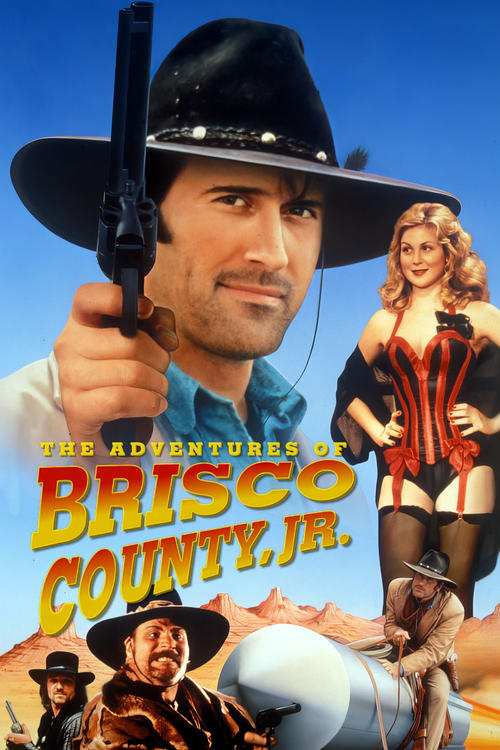
This one was a gem, a glorious genre mash-up before that was even a thing. Bruce Campbell as a Harvard-educated bounty hunter in the Old West, chasing a mysterious orb and fighting ninjas. It was a syndicated show that dared to be weird, blending sci-fi elements with classic Western tropes and a healthy dose of self-aware humor. Practically a cult classic from day one, it felt like a comic book brought to life on the small screen.

6. Forever Knight
A vampire detective working the night shift in Toronto, wrestling with his immortality and a serious bloodlust problem. This show was pure syndicated pulp, a dark, moody urban fantasy that pre-dated the mainstream vampire craze. It had that classic soap-operatic angst, blending police procedural with gothic melodrama. The flashbacks to his past lives were always a trip, adding layers of history to the perpetual night he inhabited.
7. Babylon 5
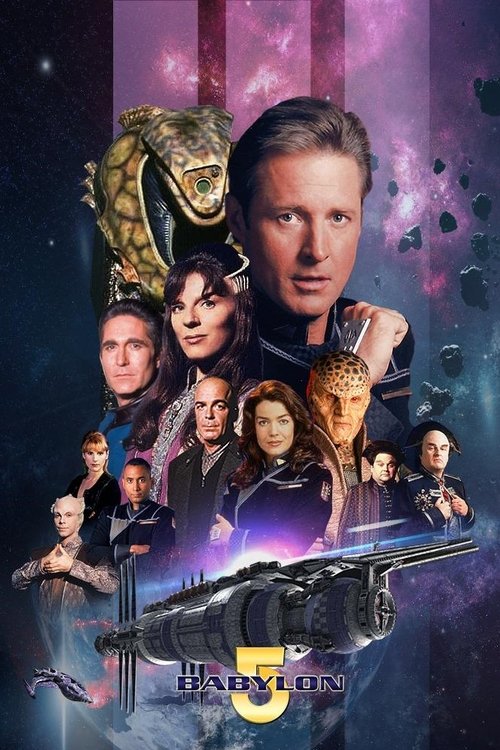
This wasn't just a sci-fi show; it was a grand, five-year novel for television. *Babylon 5* brought proper serialization to space opera, with complex political intrigue, alien diplomacy, and moral ambiguity. The early CGI was groundbreaking for its time, allowing for epic space battles and alien worlds. It felt like a truly adult science fiction, a sprawling narrative that demanded commitment, proving that TV could be as epic as any film.
8. The Outer Limits
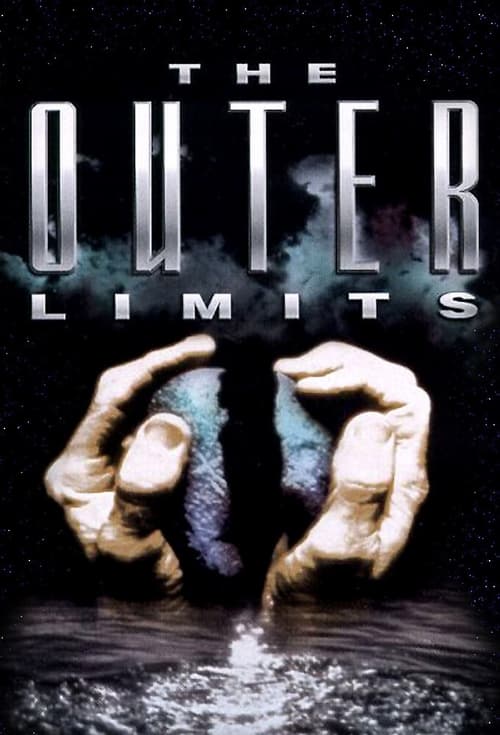
The 90s reboot of *The Outer Limits* hit different. It kept that classic anthology format, delivering eerie, thought-provoking sci-fi stories with a darker edge. Some episodes were genuinely unsettling, using a mix of practical effects and early CGI to craft strange new worlds and creatures. It wasn't afraid to tackle social issues through a genre lens, often leaving you with a lingering sense of unease. Pure, unsettling, syndicated sci-fi gold.
9. Profit
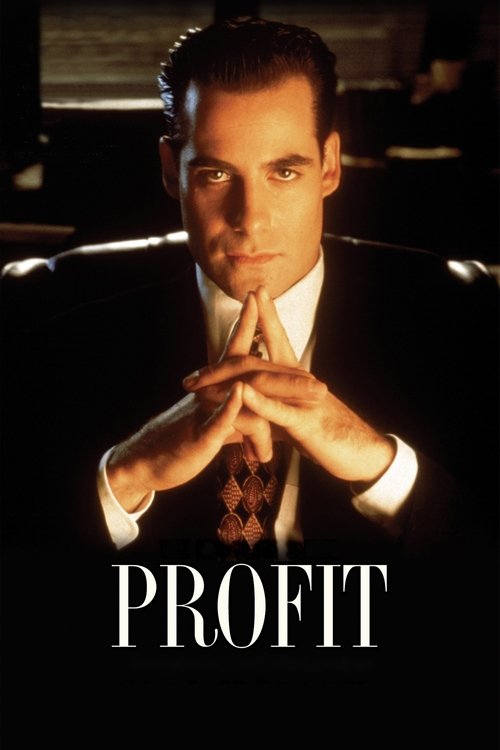
*Profit* was a brutal, cynical shock to the system. It followed a ruthless corporate climber who literally murdered and blackmailed his way to the top. It was unapologetically dark, a satirical jab at corporate America that was too edgy for mainstream audiences. The protagonist often broke the fourth wall, sharing his twisted philosophies directly with the viewer. A genuinely provocative, experimental show, it was a glimpse into television's darker, unvarnished potential.