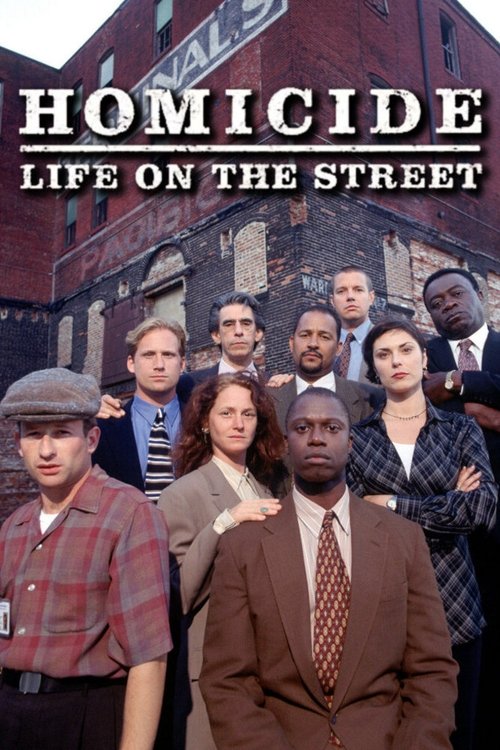
1. Homicide: Life on the Street
This one hit different from day one. Gritty, handheld, a real ensemble piece that felt more like a movie than network TV. It stripped away the polish of typical procedurals, showing the grind, the moral ambiguities of police work. Baltimore wasn't just a backdrop; it was a character. You saw the roots of what cable would later build on, pushing network boundaries with its serialized, unglamorous approach.
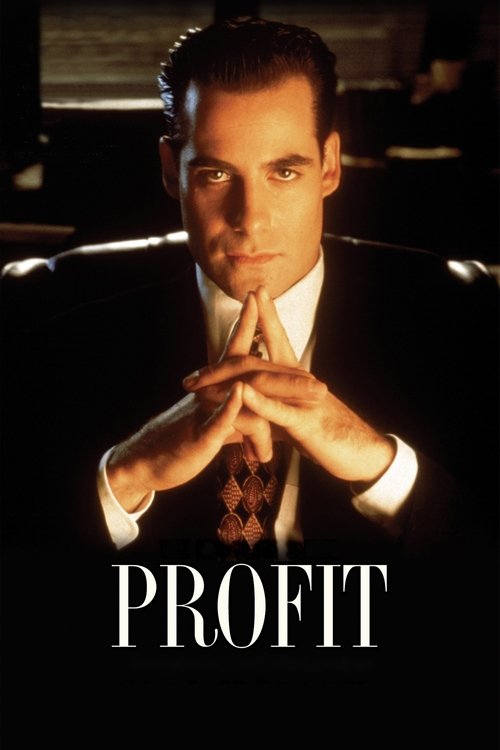
2. Profit
Remember when Fox tried to get *really* dark? Jim Profit was a corporate psychopath, plain and simple, and this show revelled in his machinations. It was audacious, ahead of its time for broadcast, daring to make its lead a truly despicable anti-hero. Fox pulled the plug fast, but it planted a seed for the complex, morally bankrupt characters we'd later embrace on premium cable.
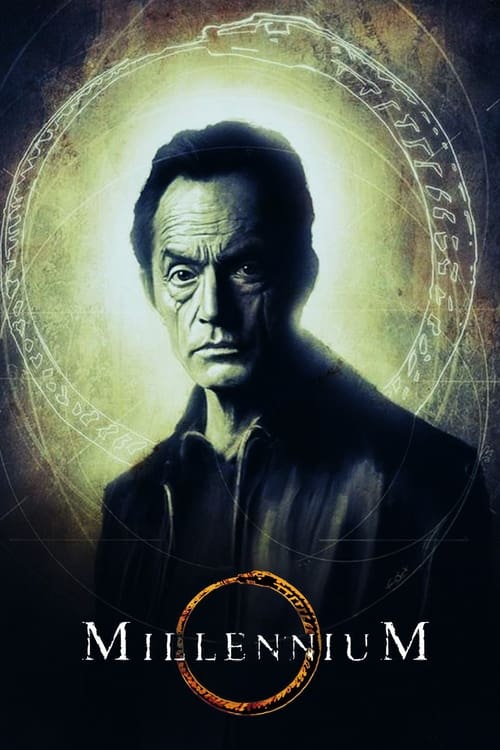
3. Millennium
Chris Carter's follow-up to *The X-Files* went to a much darker, more unsettling place. Frank Black wasn't chasing aliens, but the absolute worst of humanity, with a supernatural edge. It was atmospheric, brooding, and serialized its mythology in a way that demanded attention, far from episodic case-of-the-week stuff. Audiences might not have fully bought in then, but it pushed that narrative envelope.
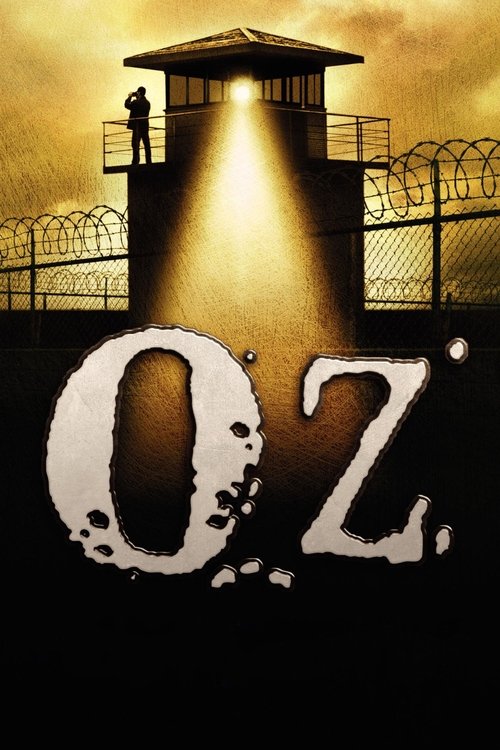
4. Oz
HBO didn't just walk into the game; they kicked the door down with *Oz*. This wasn't some sanitized prison drama. It was brutal, raw, unapologetically adult, and established that cable could tell stories broadcast wouldn't touch. The ensemble cast was phenomenal, and its serialized, character-driven arcs were a blueprint for the "prestige TV" that was about to explode.
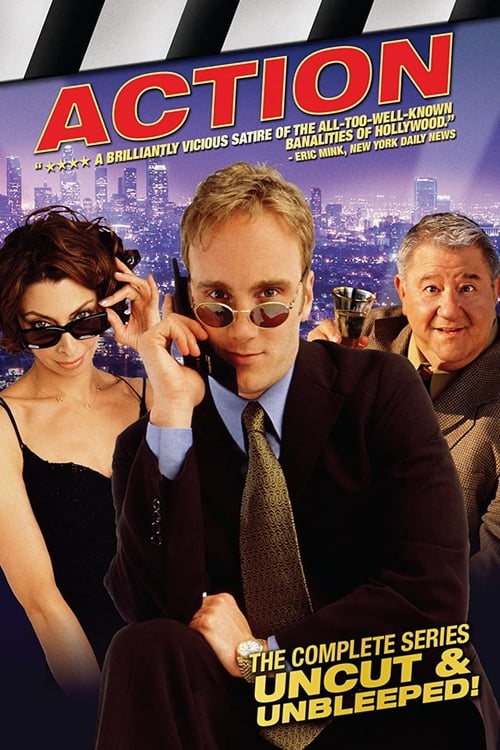
5. Action
This one was a brilliant, cynical skewering of Hollywood, a pitch-black comedy before that was truly mainstream. Jay Mohr as a sleazy producer and Buddy Hackett as his former child star advisor? Genius. It was sharp, profane, and didn't care about being likable. Fox cancelled it fast, but its unapologetic edge and meta-commentary paved the way for later, more successful industry satires.
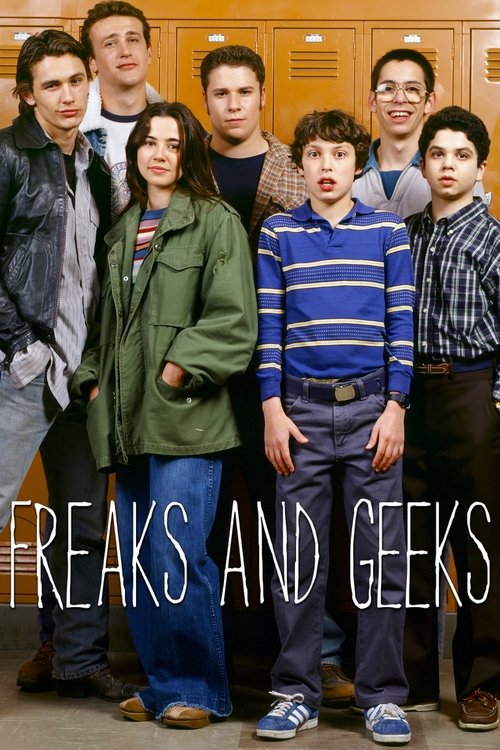
6. Freaks and Geeks
It only lasted a season, but *Freaks and Geeks* felt so real it hurt. This wasn't glossy teen drama; it was an honest, often awkward look at high school life, perfectly cast. Its cinematic feel, naturalistic dialogue, and focus on character over plot were a huge departure. It proved that authentic, serialized coming-of-age stories had a place, even if networks didn't quite get it yet.
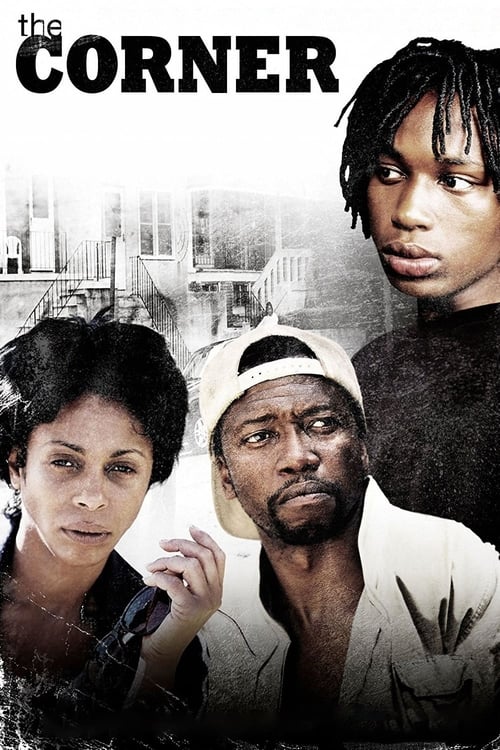
7. The Corner
Before *The Wire*, David Simon and Ed Burns gave us *The Corner*, an HBO miniseries that laid the groundwork. It was a brutal, unflinching look at one family caught in Baltimore's drug trade, shot like a documentary. This wasn't just a story; it was an immersive, serialized social commentary that proved television could tackle serious, complex issues with unparalleled depth and realism.
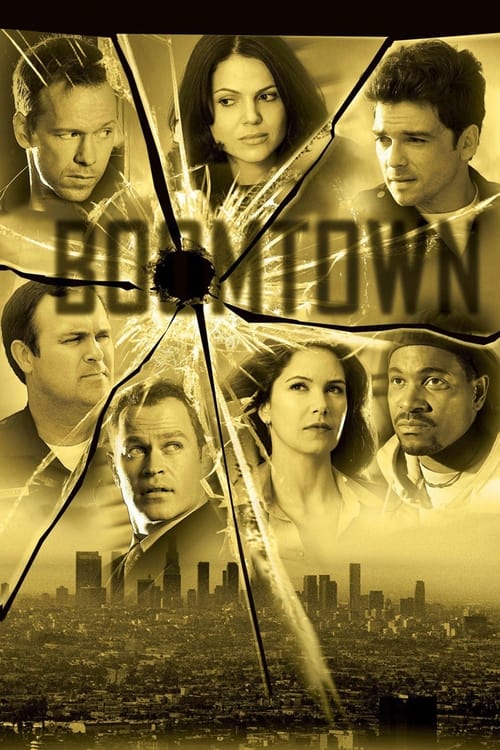
8. Boomtown
This show was a narrative puzzle box, telling its crime stories from multiple perspectives, jumping through time. It was ambitious, stylish, and serialized its character development alongside the weekly cases. Audiences found it a little too complex for network TV, but its innovative structure and cinematic flair were clearly ahead of the curve, hinting at the sophisticated storytelling to come.

9. The Comeback
Lisa Kudrow as Valerie Cherish, trying to restart her career with a reality show crew documenting her every cringe-worthy step. This mockumentary was painfully, hilariously real. It wasn't just a comedy; it was a scathing satire on fame, ageism, and the emerging reality TV landscape. It pioneered that uncomfortable, hyper-realistic style long before it became a genre staple.
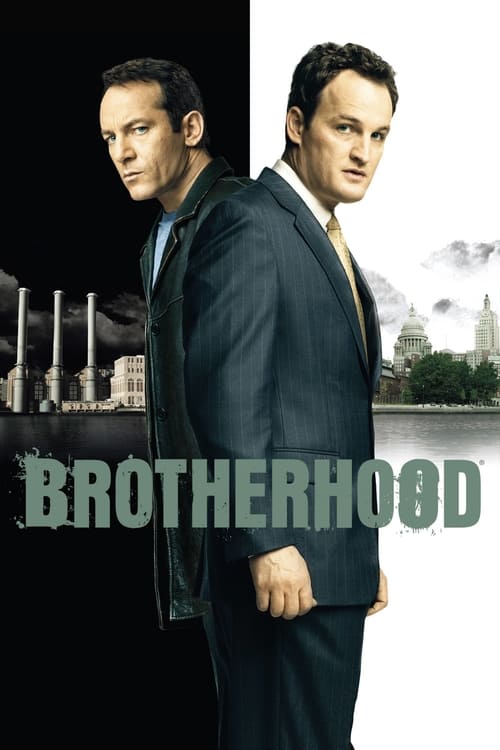
10. Brotherhood
Showtime's answer to *The Sopranos*, but with a distinct Providence, Rhode Island, political/gangster flavor. This show was dark, morally complex, and absolutely serialized, focusing on two brothers on opposite sides of the law. It cemented Showtime's place as a serious contender in the prestige drama space, showing that compelling, character-driven sagas weren't just HBO's domain.
11. Terriers
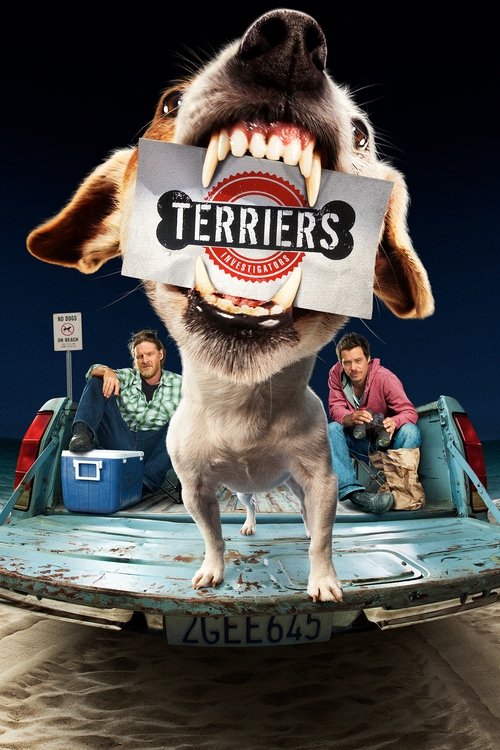
A quirky, sun-drenched noir about two unlicensed private investigators in San Diego. This FX gem was critically beloved but struggled to find an audience. It was a serialized character study wrapped in a procedural, showcasing incredible chemistry and a naturalistic style. It proved that cable could produce truly unique, understated dramas that defied easy categorization, even if they sometimes got overlooked.
12. Rubicon
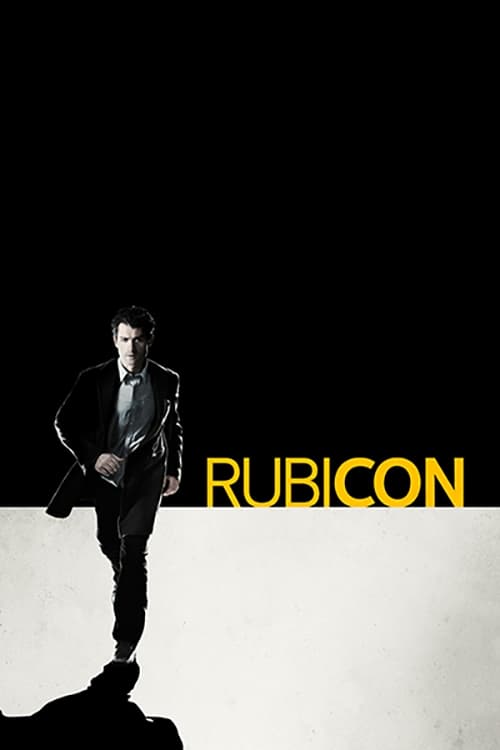
AMC was riding high, and *Rubicon* felt like the logical next step: a slow-burn, cerebral conspiracy thriller. It demanded patience, focusing on atmosphere and intricate plotting over explosive action. It was a clear signal that cable was increasingly catering to viewers seeking complex, serialized narratives that respected their intelligence, even if its pace ultimately proved too deliberate for some.