


1. Last Session
You hear the weariness, but also the undiminished fire in these grooves. Mingus, even as he faced down the final curtain, still conjured a profound, sprawling blues sermon. It’s not just jazz; it’s a lament, a protest, a final roar of a lion who understood the deep current of American music, from gospel shouts to bebop’s restless invention. This session stands as a monumental, if somber, testament to a singular vision, bleeding soul and grit.

2. Gospel Train (Expanded Edition)
This expanded cut pulls back the curtain on the pure, unadulterated power of early gospel. Before it got polished for wider audiences, this was the sound of conviction, the shout and sway that birthed rock and roll and fueled the blues. It’s raw, it’s fervent, and it’s a direct line to the spiritual bedrock of so much that came after. Hear the grit, the call-and-response, the sheer visceral force. It's an essential, foundational roar.
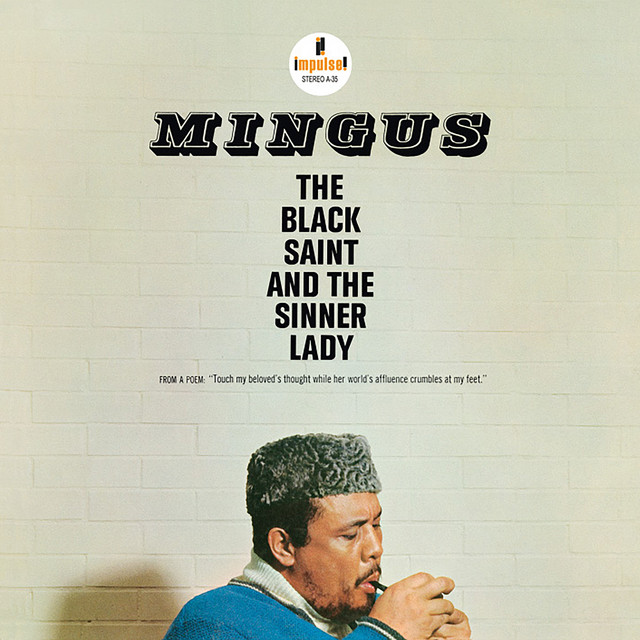
3. The Black Saint And The Sinner Lady
Mingus. 1963. This ain't your daddy's dinner jazz. It's a sprawling, multi-movement beast, a cathartic ballet for big band that swings hard then shatters into a thousand emotional fragments. You hear the blues, the gospel wail, the intricate bebop lines, all twisted into something fiercely personal and profoundly rebellious. It’s dense, it’s beautiful, it’s violent, a pure explosion of a visionary mind. A masterwork of orchestrated chaos.
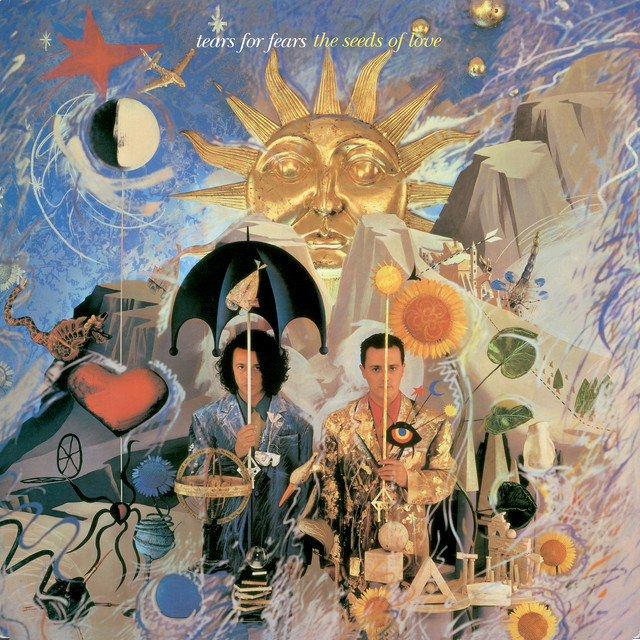
4. The Seeds Of Love
So, by '89, things were getting slick, but this album... it had teeth. Tears for Fears, moving beyond their earlier synth-pop, layered on gospel choirs, intricate arrangements, and a touch of that classic rock grandiosity. It’s polished, sure, but underneath the sheen, there’s a genuine striving, a soulful ambition that echoes the expansive sounds of the 70s. A bold, almost orchestral statement for the era, surprisingly deep for pop.
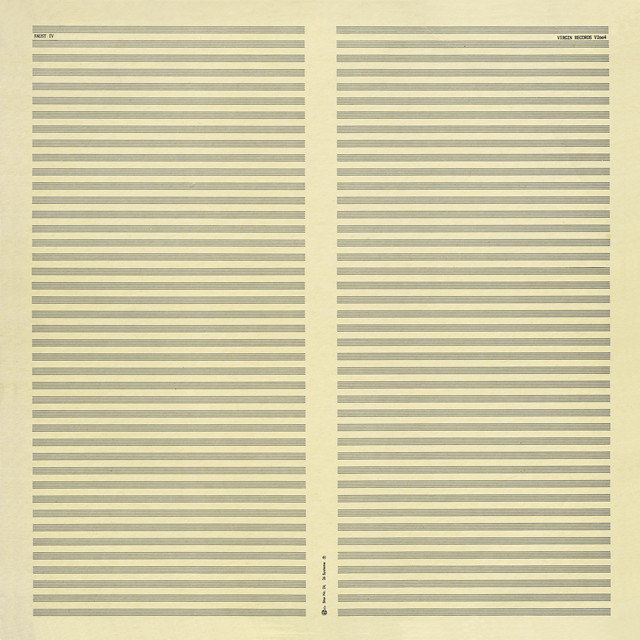
5. Faust IV (Deluxe Edition)
Faust, 1973. This is pure Krautrock, a deliberate dismantling of rock’s conventions. The 'Deluxe Edition' just gives you more of their glorious, often absurd, sonic explorations. They built their own sonic language, full of bizarre textures, repetitive grooves, and sudden, jarring shifts. It’s industrial in its cold precision, psychedelic in its effect, a blueprint for post-punk’s deconstruction and early electronic minimalism. Disorienting and utterly essential.
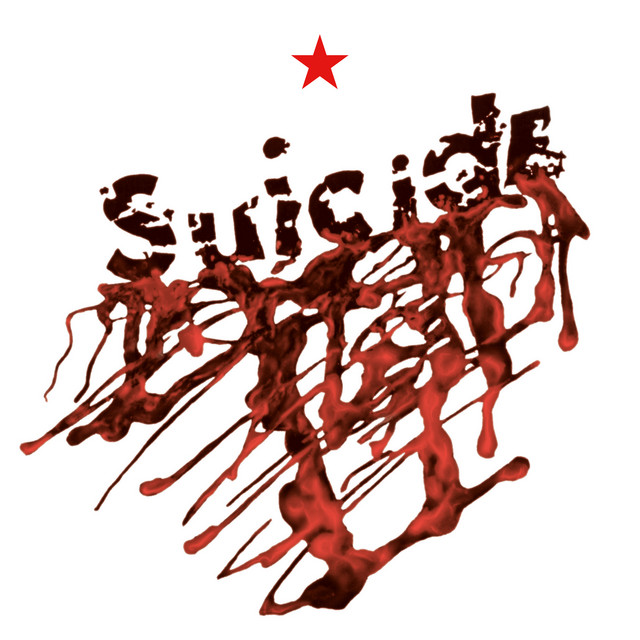
6. Suicide (2019 - Remaster)
Suicide, 1977. This is the sound of New York’s grimiest corners. A drum machine, a cheap organ, and Alan Vega’s sneer. This 2019 remaster just clarifies the brutal beauty of it. It’s primal, stripped-down, a relentless beat that predates industrial and pushes punk’s confrontational edge into truly unsettling territory. No guitars, just pure, unadulterated menace and a chilling, hypnotic vibe. A foundational text for urban dread.
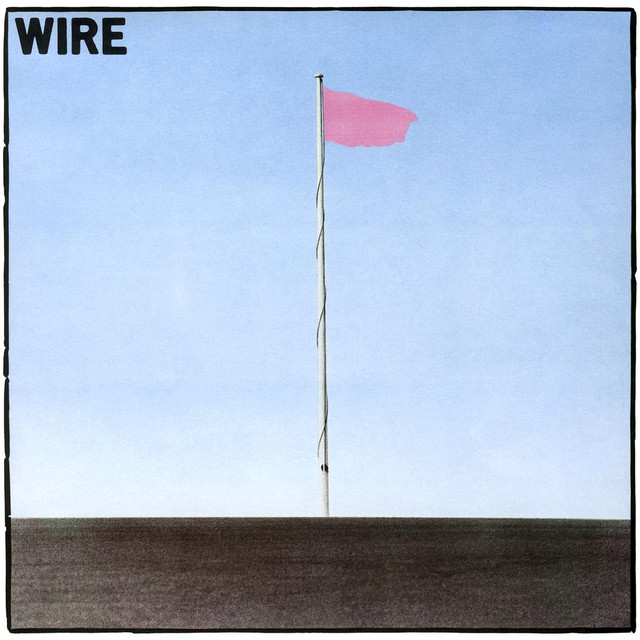
7. Pink Flag (2006 Remastered Version)
Wire, 1977. This 2006 remaster brings out the lean, mean precision of *Pink Flag*. It’s punk, yeah, but already hinting at something more angular, more intellectual. Short, sharp shocks of guitar, minimal lyrics, and a relentless forward drive. It stripped rock down to its bare bones, then rebuilt it with a colder, more detached efficiency. A vital bridge from punk’s raw energy to post-punk’s artful deconstruction. No fat, just pure attack.
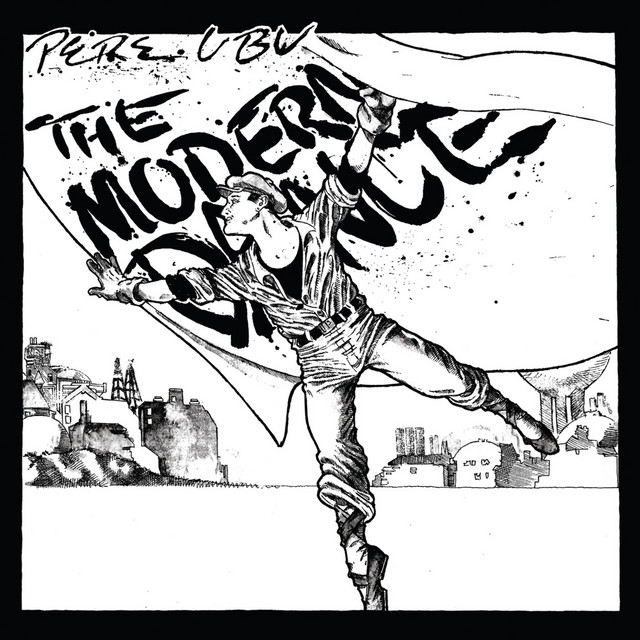
8. The Modern Dance
Pere Ubu, 1978. This ain't no dance, not in the disco sense. It's a jittery, anxious, and utterly brilliant collision of art-rock, raw R&B, and dadaist theatrics. David Thomas's warble, the cutting guitar lines, the industrial clatter – it’s a sound that’s both deeply American and utterly alien. A landmark of post-punk, it’s got that greasy, intellectual grit, pushing rock’s boundaries into uncomfortable, captivating territory.
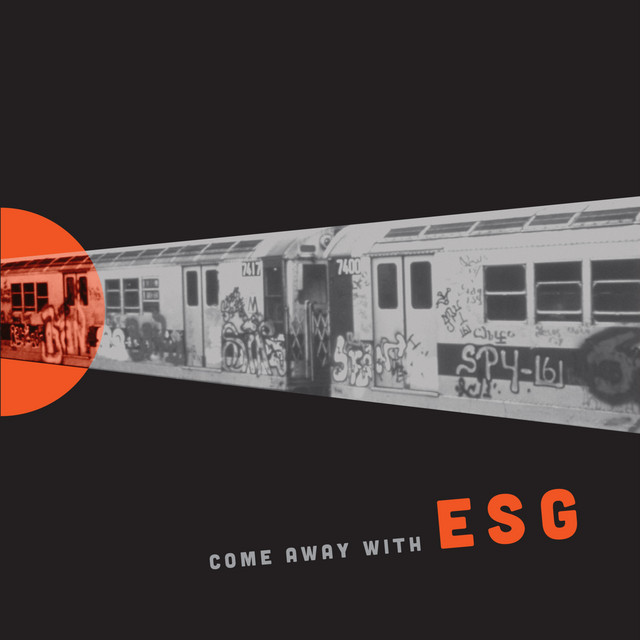
9. Come Away with ESG
ESG, 1983. This EP is pure, unadulterated groove. Stripped-down funk, pulsing basslines, and spare, hypnotic vocals that beg you to move. It’s got that raw, downtown New York energy, fusing punk’s DIY ethos with the emerging sounds of the dancefloor. You hear echoes of early house, proto-hip-hop breaks, and a relentless, minimalist swing that’s still utterly fresh. Utterly essential, it’s got that low-end, street-level thump.
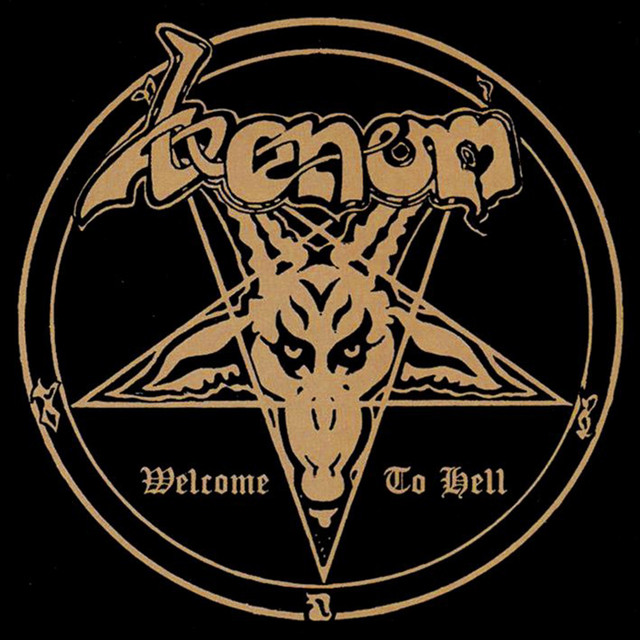
10. Welcome to Hell
Venom, 1981. This was a chaotic, unholy racket. Sure, the production was thin, the playing often sloppy, but *Welcome to Hell* was a primal scream that birthed an entire subgenre. It took metal’s aggression and cranked it past eleven, throwing in occult imagery and a raw, uncompromising ferocity. You hear the formative structures of extreme metal, a true sonic assault that scared the purists and inspired legions. Pure, unadulterated mayhem.
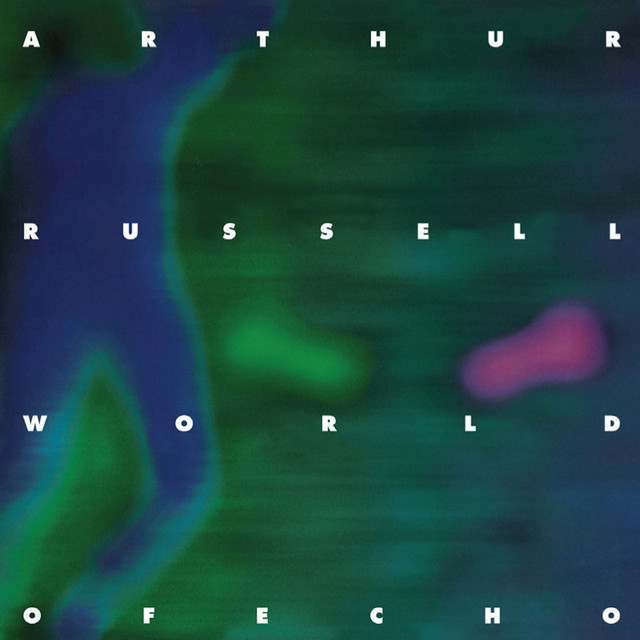
11. World Of Echo
Arthur Russell, 1986. This album is a solitary, spectral beauty. Russell, just his cello, voice, and a sparse electronic sheen, crafts something profoundly intimate and haunting. It’s minimalist, yet deeply emotional, with echoes of folk’s starkness and early electronic textures. A truly unique vision, it floats in its own ethereal space, a dreamlike whisper of a record that resonates with a quiet, persistent power. Pure, unclassifiable artistry.