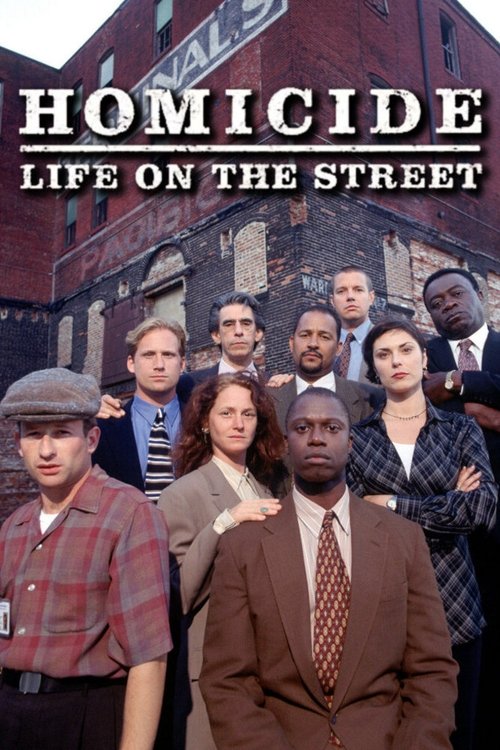
1. Homicide: Life on the Street
Before HBO was HBO, there was *Homicide*. This 1993 debut felt like a punch to the gut, swapping tidy procedural tropes for raw, handheld chaos and real-time dialogue. Barry Levinson’s cinematic eye, coupled with David Simon’s grounded storytelling, gave us an ensemble of flawed, weary detectives. It showed network television could dig deep, embracing character nuance and moral ambiguity, laying groundwork for the serialized dramas that would soon dominate. It wasn't just a cop show; it was a character study.
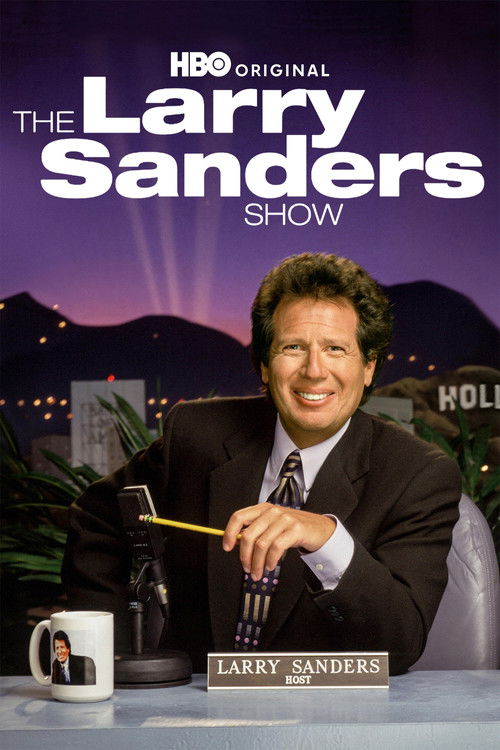
2. The Larry Sanders Show
Garry Shandling’s 1992 masterpiece redefined television comedy, pulling back the curtain on late-night talk shows with a viciously smart, often uncomfortable mockumentary style. This wasn't a sitcom with a laugh track; it was a cringe-comedy precursor, sharp as a tack, laying bare the egos and anxieties behind the glamour. HBO let it be truly dark, truly cynical, influencing everything from *The Office* to *Curb Your Enthusiasm*. It proved cable could be smarter, and funnier, than anything on network.
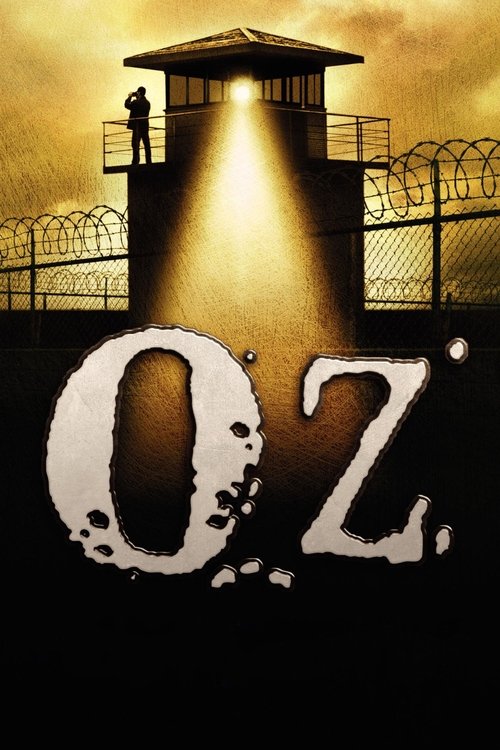
3. Oz
Before *The Sopranos* got all the glory, there was *Oz*, HBO’s brutal 1997 plunge into a maximum-security prison. This show didn't just push boundaries; it annihilated them. Graphic violence, explicit sexuality, and morally bankrupt characters – it was a serialized, Shakespearean tragedy played out in cell blocks. Tom Fontana crafted an ensemble narrative where no one was safe, proving cable could tackle taboo subjects with unflinching honesty and artistic ambition, setting the tone for HBO's golden age.
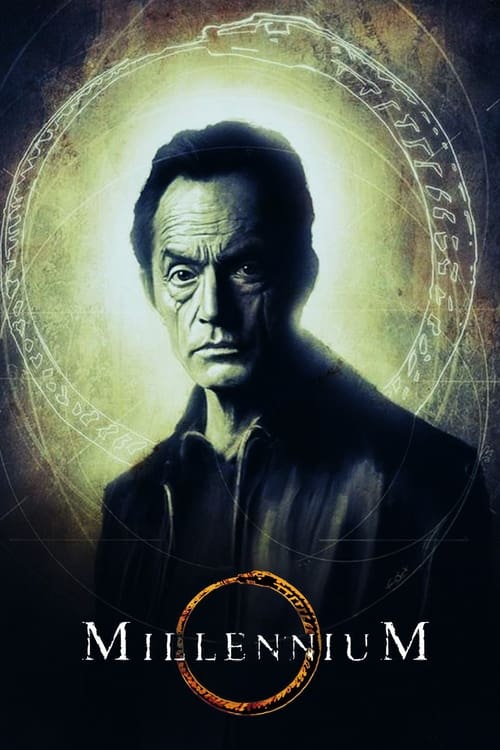
4. Millennium
From Chris Carter, *Millennium* (1996) was *The X-Files*' darker, more unsettling cousin. Frank Black’s ability to see into the minds of killers wasn't just a gimmick; it was a window into humanity's bleakest corners. This show brought a truly cinematic, atmospheric dread to network TV, diving into serialized mythology and psychological horror with an intensity usually reserved for cable. It was moody, cerebral, and often terrifying, pushing the limits of what a mainstream audience could stomach.

5. Six Feet Under
Alan Ball’s *Six Feet Under*, arriving in 2001, was a profoundly human exploration of life, death, and family. Each episode began with a death, framing the Fisher family’s struggles with grief, identity, and the macabre business of funeral directing. It was an intimate, darkly humorous, and emotionally devastating ensemble piece. This show perfected the art of the character-driven serialized drama, proving that television could be as emotionally resonant and introspective as any great novel or film.
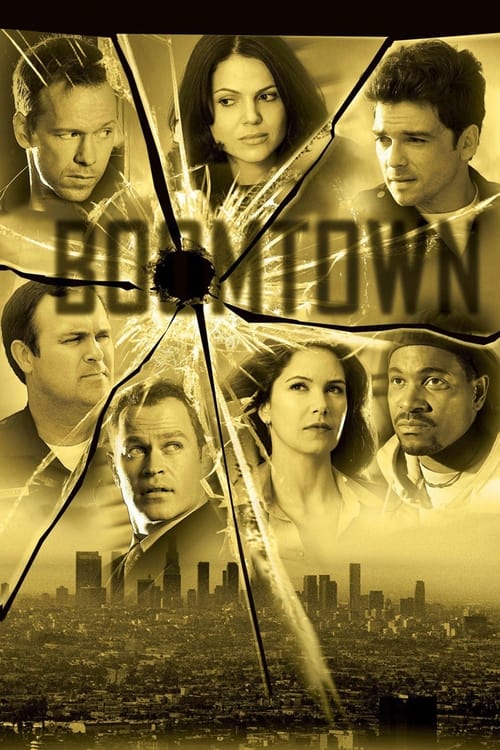
6. Boomtown
Graham Yost’s *Boomtown* (2002) was a bold, criminally underrated experiment in narrative structure. It told a single crime story from multiple perspectives—detectives, victims, perpetrators—often out of chronological order, revealing layers of truth. This cinematic, non-linear approach elevated the procedural, making it less about solving a case and more about the complex web of human experience. It was ambitious, intelligent, and a masterclass in ensemble storytelling that sadly arrived a little too early.
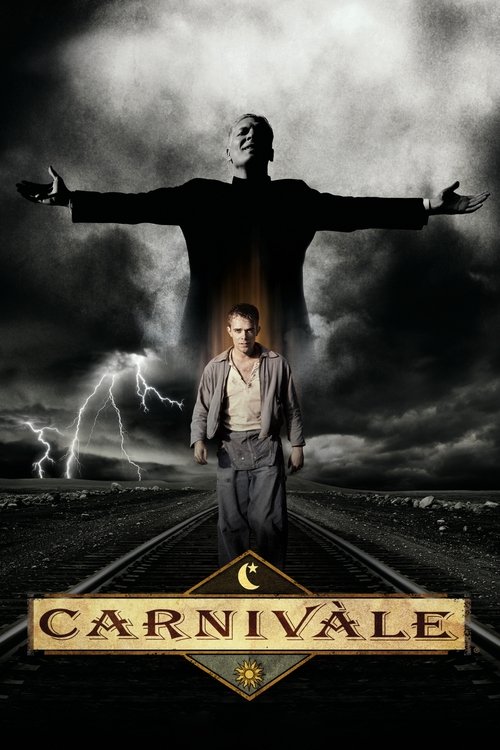
7. Carnivàle
Carnivàle (2003) was HBO’s ambitious, sprawling epic set during the Dust Bowl, blending mythology, mysticism, and stark realism. Visually stunning and narratively dense, it was a serialized enigma that demanded total immersion. This show embraced a slower burn, trusting its audience to invest in its complex characters and unfolding mysteries. It pushed the boundaries of television as art, demonstrating a willingness to craft an expensive, singular vision that felt more like a grand novel than weekly TV.