1. Oz
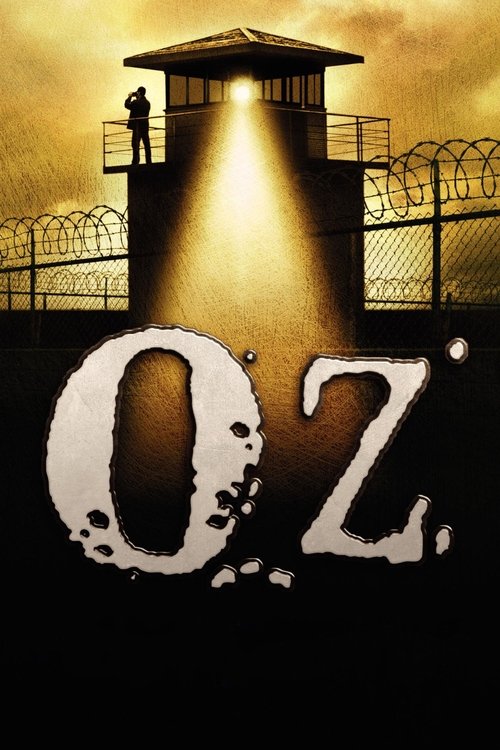
Before prestige TV was even a term, HBO unleashed *Oz*. This wasn't some network cop show; this was raw, unapologetic prison life, showcasing moral ambiguities and a truly ensemble cast. It pushed boundaries for what you could show, what you could say, and how dark television could get. It paved the way for everything that followed, proving cable could deliver complex, gritty adult narratives.
2. Profit
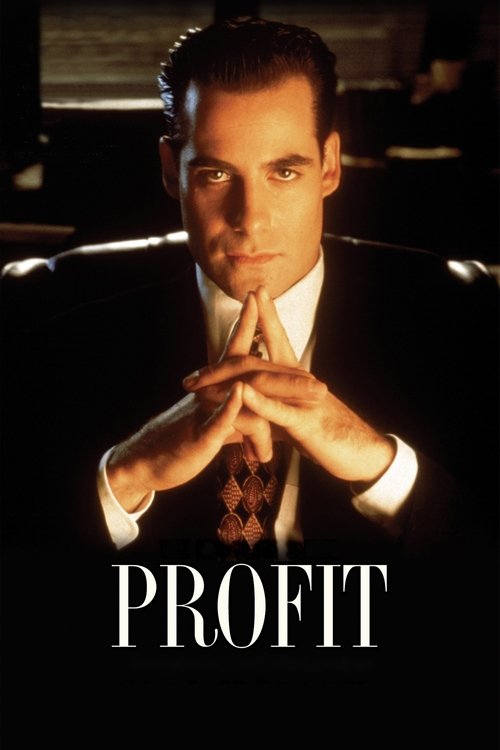
*Profit* on Fox was a truly wild ride, a pitch-black satire about a corporate psychopath long before anti-heroes were trendy. Jim Profit was a morally bankrupt genius, manipulating everyone around him with chilling precision. It was too dark, too cynical for mid-90s network TV, and it got cancelled fast. But it showed a nascent desire for complex, unsettling characters that would later define the cable era. A brave, albeit brief, experiment.
3. Millennium
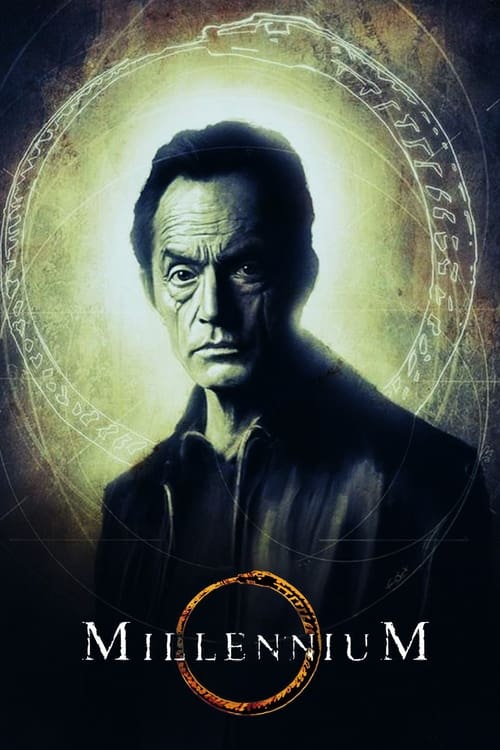
Coming off *The X-Files*, Chris Carter dove headfirst into the end-of-the-millennium dread with *Millennium*. This wasn't monster-of-the-week; it was a deep, psychological dive into Frank Black's disturbing visions and the darkness of humanity. It was grim, atmospheric, and often unsettling, exploring themes of evil and prophecy in a way network TV rarely dared. A serialized, intense exploration of impending doom.
4. The Kingdom
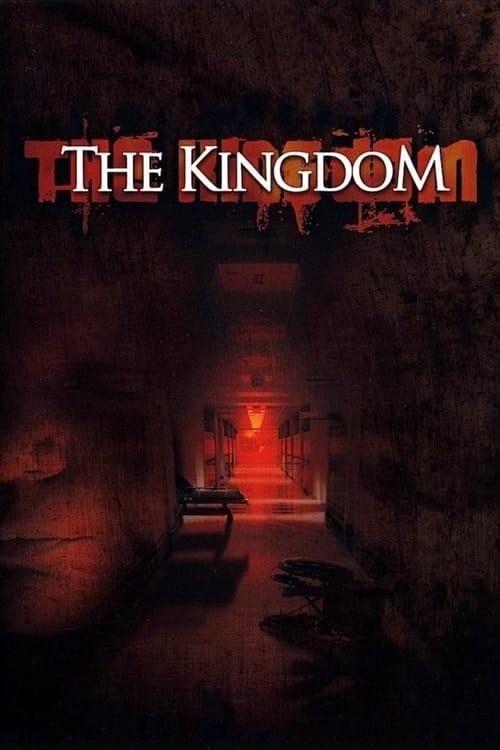
Lars von Trier's *The Kingdom* was something else entirely, a Danish miniseries that felt like a fever dream. Set in a haunted hospital, it blended horror, dark comedy, and the truly bizarre. This wasn't mainstream; it was art-house cinema spilling onto the small screen, with a handheld, gritty aesthetic that felt incredibly fresh. It proved television could be a canvas for experimental, serialized storytelling from anywhere in the world.
5. Spaced
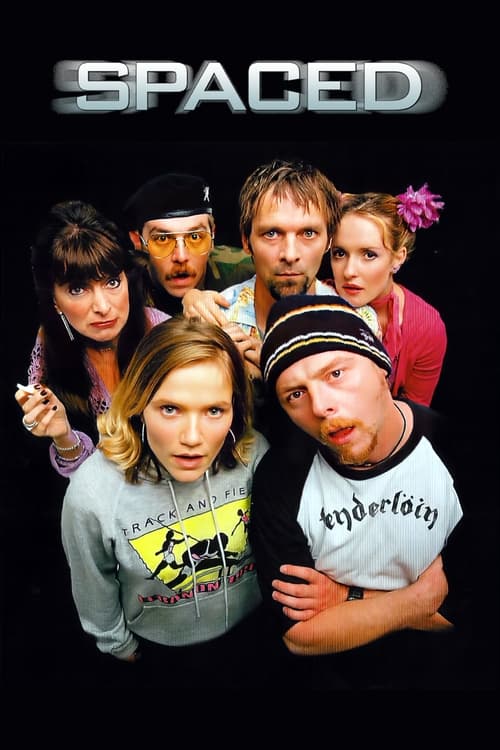
Before *Shaun of the Dead*, there was *Spaced*. Edgar Wright, Simon Pegg, and Jessica Hynes crafted a hilarious, deeply referential sitcom that felt like a love letter to pop culture. It wasn't just jokes; it was cinematic, with rapid-fire editing and visual gags that broke the mold for sitcoms. It showed how a small ensemble could create something incredibly dense, funny, and technically ambitious on a TV budget.
6. The Corner
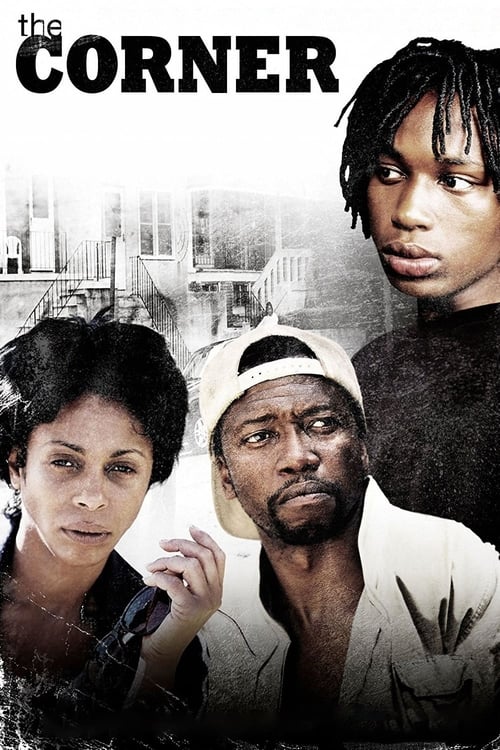
*The Corner* was David Simon's precursor to *The Wire*, a searing, unflinching look at drug addiction and poverty in West Baltimore. This HBO miniseries was devastatingly real, focusing on an ensemble of characters caught in systemic despair. It wasn't about heroes or villains; it was about the brutal, complex reality, presented with a documentary-like precision. This was early prestige TV doing what it does best: holding a mirror up to society.
7. The Shield
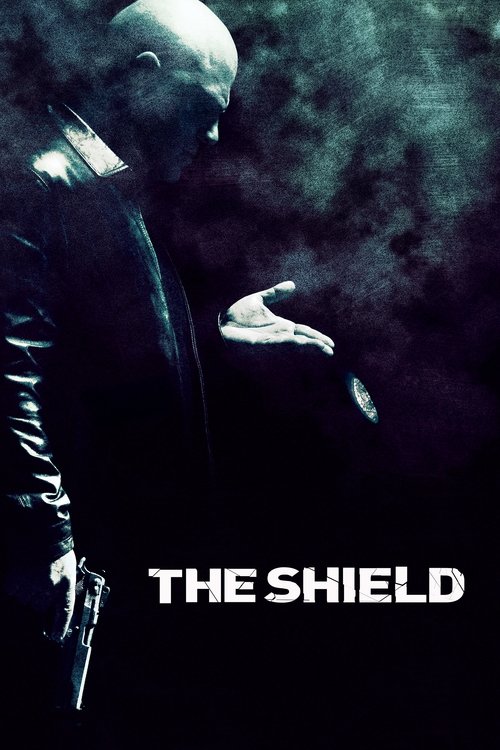
FX came out swinging with *The Shield*, a show that cemented the anti-hero as a TV staple. Vic Mackey wasn't just a cop; he was a brutal, corrupt, yet strangely effective figure. This series pushed the envelope with its moral ambiguities and intense, visceral storytelling. It proved that basic cable could deliver the kind of raw, serialized drama that HBO was known for, making its own mark with unflinching narratives.
8. Carnivàle
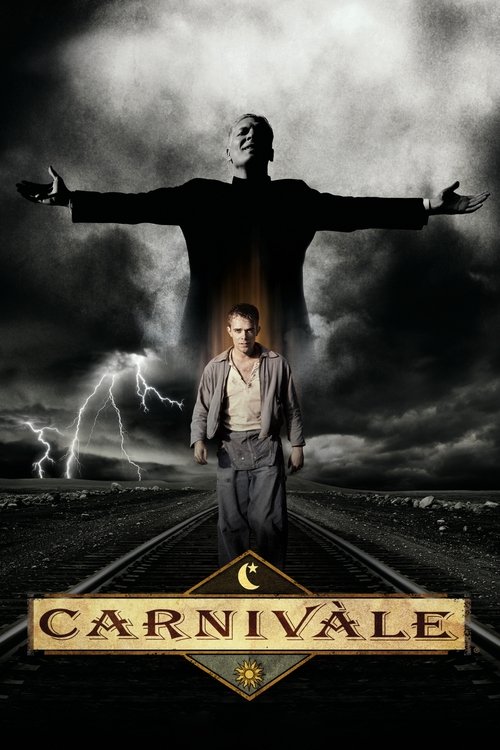
*Carnivàle* was HBO taking a massive swing, delivering an epic, atmospheric tale set during the Dust Bowl with a heavy dose of supernatural mystery. It was visually stunning, narratively ambitious, and incredibly dense, weaving together a vast ensemble of characters in a struggle between good and evil. While it ended too soon, its sheer scale and commitment to a unique, surreal vision were unparalleled for its time.
9. State of Play
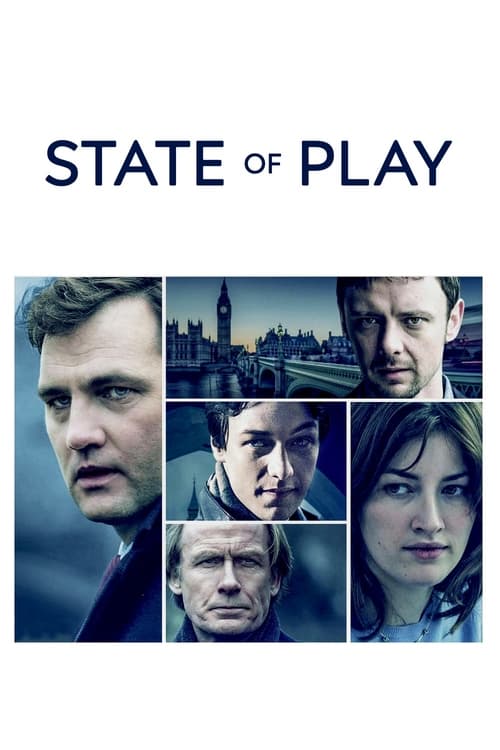
The original *State of Play* from the BBC was a masterclass in political thriller storytelling. This miniseries was tightly plotted, intelligent, and incredibly tense, following a journalist uncovering a deep conspiracy. It demonstrated how serialized storytelling could build intricate narratives over a limited run, demanding attention and rewarding viewers with complex characters and a thrilling, believable plot. A benchmark for sophisticated drama.