
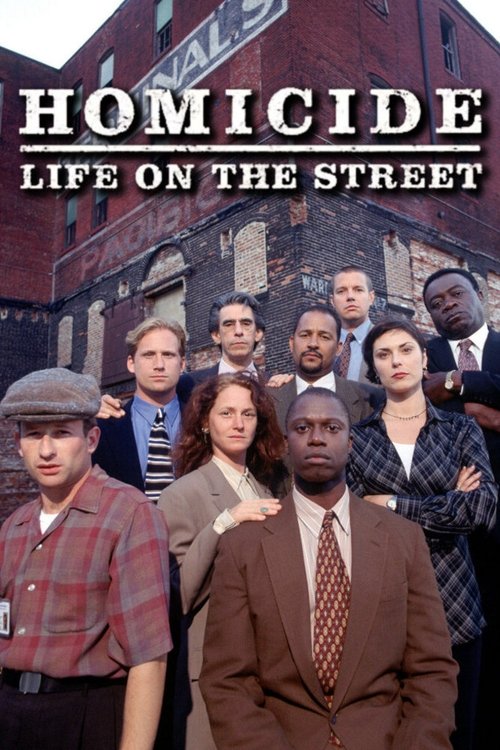
1. Homicide: Life on the Street
This one hit different right from the jump. Baltimore detectives, long takes, jump cuts, that handheld grit – it felt like a documentary, but with a script. It was an ensemble piece that didn't just tell stories, it built a world, week after week. Barry Levinson and Tom Fontana basically wrote the blueprint for prestige procedurals, showing network TV could be more than just episodic case-of-the-week stuff. It was serialized before "serialized" was a buzzword, laying groundwork for so much that followed.
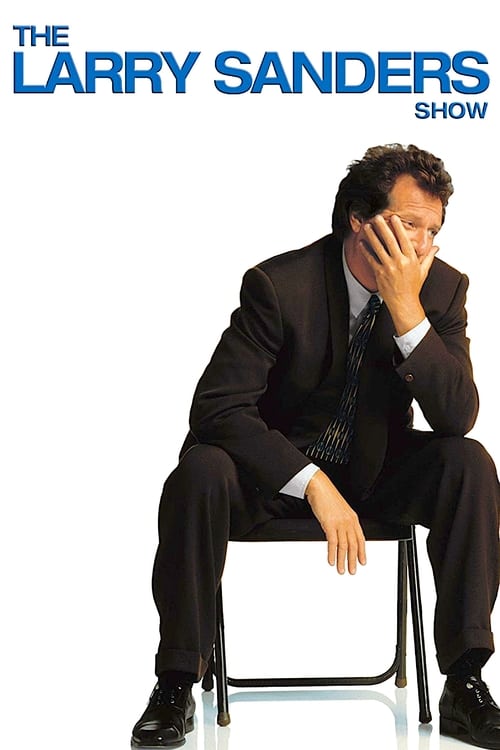
2. The Larry Sanders Show
Before everyone was doing it, Larry Sanders perfected the mockumentary style, peeling back the curtain on late-night TV's manufactured charm. Garry Shandling and his crew created a world that was hilarious, cringeworthy, and deeply human, showing the fragile egos behind the laughs. It was fearless in its satire, daring to be uncomfortable and real, really pushing what cable comedy could be. No laugh track needed; the awkward silences were the punchlines.
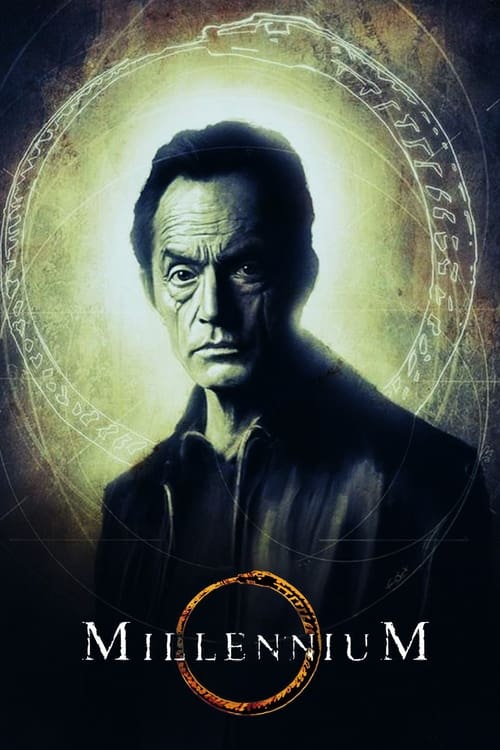
3. Millennium
Coming off The X-Files, Chris Carter went even darker with Millennium. This wasn't your typical monster-of-the-week; it was a deep dive into the psychological abyss of evil, often with a disturbing, almost cinematic intensity. Frank Black’s tortured visions and the impending sense of dread were serialized across seasons, building a pervasive atmosphere of unease. It was network TV exploring themes cable would later own, proving audiences could handle truly unsettling, complex storytelling.
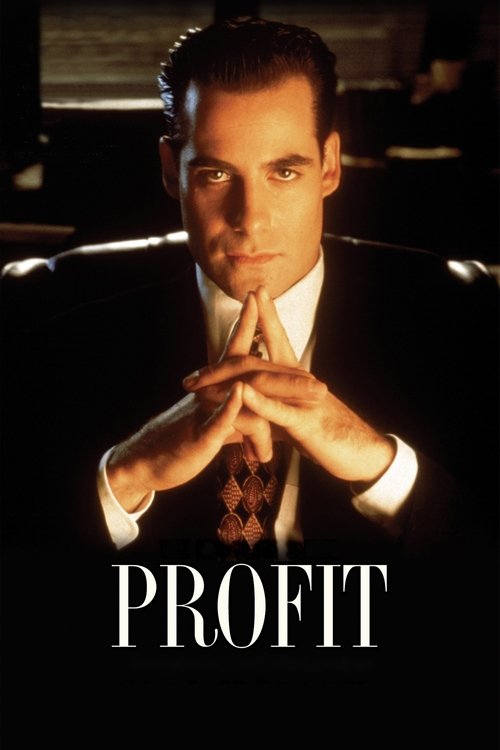
4. Profit
Profit was a cynical, darkly comedic shocker that felt years ahead of its time for network television. Starring Jim Profit, a corporate climber utterly devoid of morality, it dared to make an anti-hero its central figure long before Tony Soprano or Vic Mackey became household names. The show reveled in its protagonist's Machiavellian schemes, pushing boundaries with its bleak worldview and sharp satire of corporate greed. It was a risky, intense gamble that paved the way for cable's future anti-hero obsession.
5. Six Feet Under
HBO really hit its stride with Six Feet Under. Alan Ball created this darkly funny, deeply moving family drama centered around a funeral home, and it was pure prestige television. Every episode started with a death, but it was really about life, grief, and the messy intimacy of family. The serialized character arcs were incredible, and it felt cinematic in its scope and emotional depth. This was appointment viewing, showing cable could tell stories network wouldn't touch.
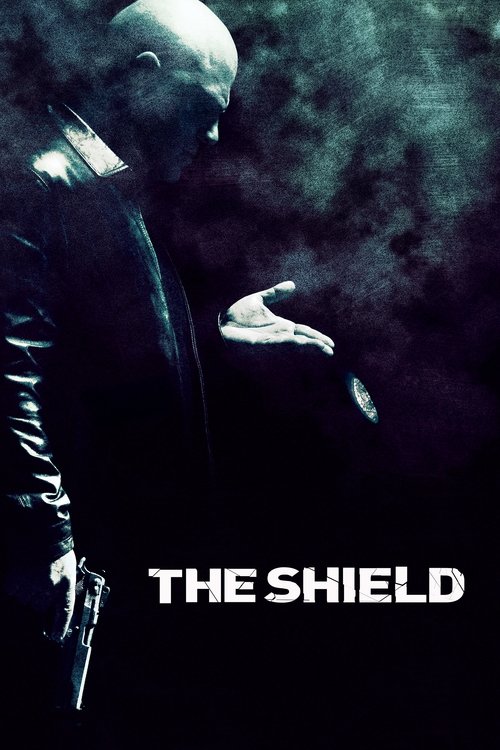
6. The Shield
When The Shield premiered on FX, it was like a punch to the gut. Vic Mackey and the Strike Team weren't just dirty cops; they were complex, often brutal anti-heroes in a world without easy answers. Shawn Ryan crafted a serialized crime drama that was relentlessly intense, pushing the envelope with its violence and moral ambiguity. It solidified FX as a serious player, demonstrating cable's willingness to explore dark, provocative narratives with a cinematic, unflinching eye.
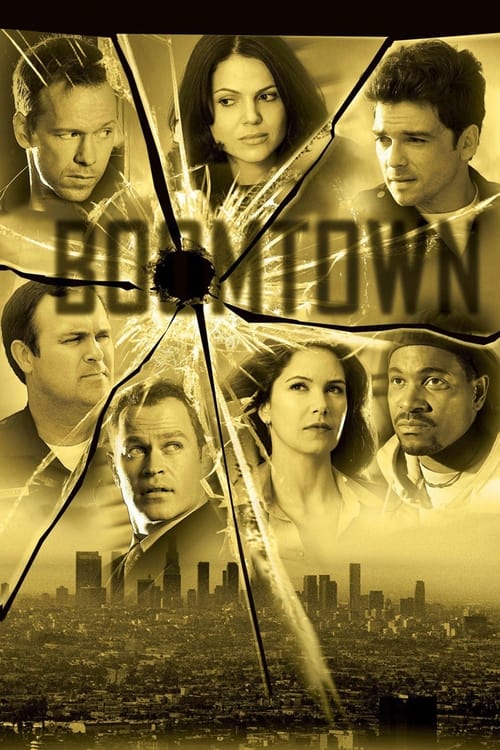
7. Boomtown
Boomtown was one of those network shows that felt like it belonged on cable. It took the procedural format and fractured it, telling each case from multiple, non-linear perspectives – cops, victims, criminals. The ambition was palpable, demanding close attention as it meticulously pieced together a mosaic of crime in LA. It was an ensemble drama that genuinely experimented with storytelling structure, creating a rich, cinematic experience that was genuinely innovative for its time.
8. Carnivàle
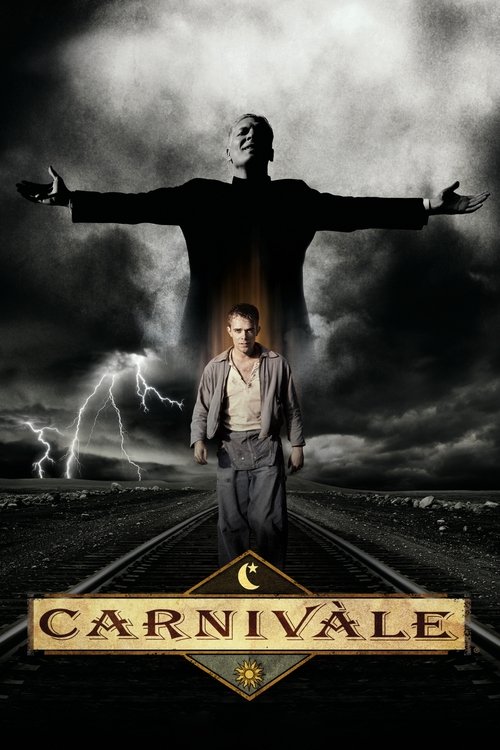
Carnivàle on HBO was a sprawling, atmospheric epic unlike anything else. Set during the Great Depression, this dark fantasy followed a traveling carnival and its enigmatic characters, weaving together a complex mythology of good versus evil. It was visually stunning, deeply weird, and entirely serialized, demanding commitment from its audience. This was cable TV embracing bold, high-concept storytelling with a cinematic scale and a willingness to explore the surreal and the profound.
9. K Street
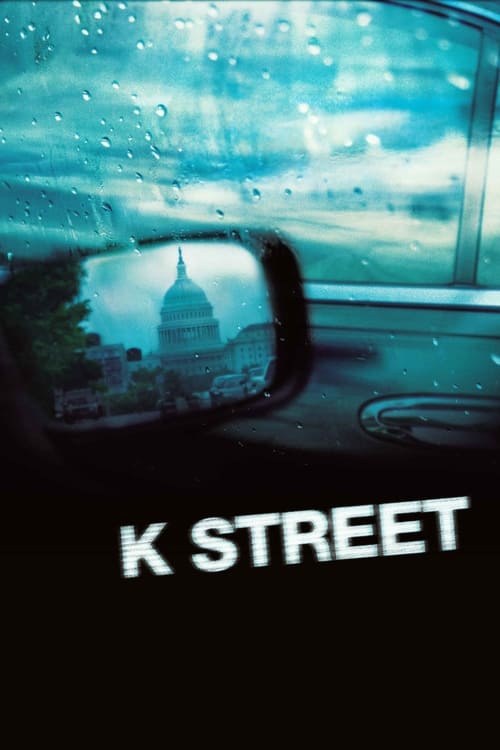
K Street was a fascinating, experimental gamble from HBO, executive produced by Soderbergh and Clooney. It blurred the lines between fiction and reality, featuring real political consultants playing themselves, improvising storylines that reacted to actual current events. This show was a raw, almost docu-drama take on Washington D.C. power plays, airing practically in real-time. It was a bold, unique endeavor that foreshadowed later political dramas, proving cable could push form and content simultaneously.
10. Deadwood
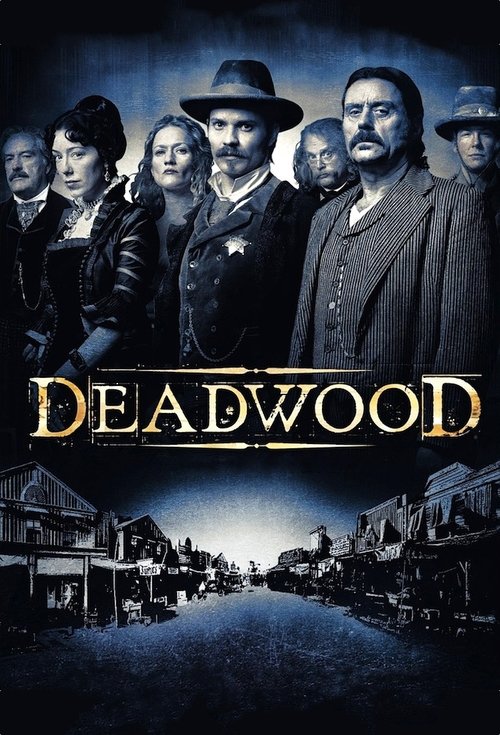
David Milch’s Deadwood on HBO was a masterclass in historical drama, but it was so much more. The language was Shakespearean in its profanity and poetry, the characters deeply flawed and utterly captivating. It was a serialized, sprawling ensemble piece, building a nascent town from the ground up, with a cinematic scope that felt huge. It redefined what a period piece could be, proving cable could deliver raw, intellectual, and utterly authentic storytelling.
11. ReGenesis
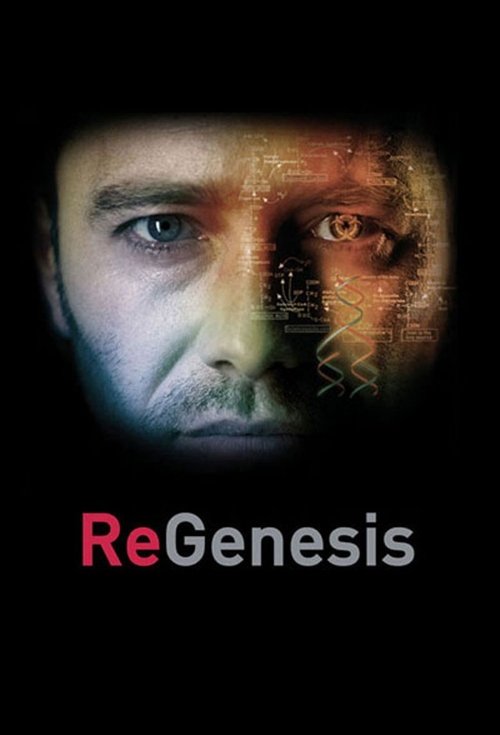
This Canadian gem was a sophisticated sci-fi thriller that didn't get enough attention. ReGenesis tackled bio-ethical dilemmas, pandemics, and cutting-edge science with intelligence and a serialized plot that kept you hooked. It showcased a serious, adult approach to genre television long before it became common. An early example of how international productions could deliver compelling, thought-provoking drama that pushed scientific and moral boundaries with a consistent narrative drive.