
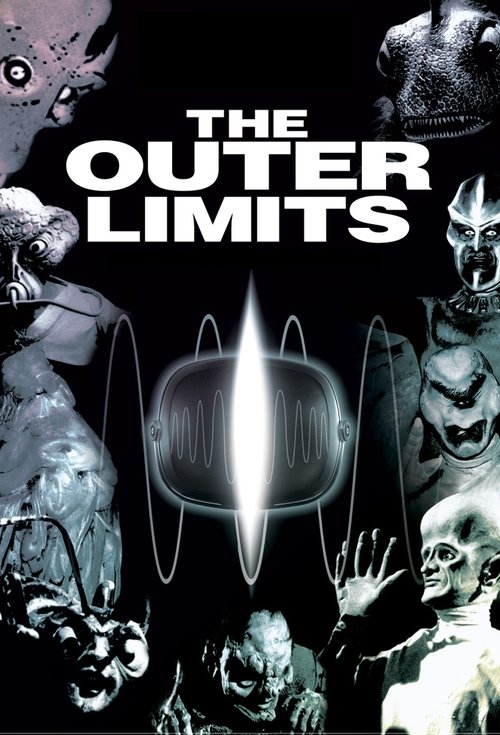
1. The Outer Limits
Oh, that opening! "There is nothing wrong with your television set..." Right away, it grabbed you. This wasn't just science fiction; it was a moody, often unsettling look at what humanity might become, or what might be out there. The black-and-white photography, all those shadows and sharp angles, made every monster and every moral dilemma feel genuinely *alien*. And the stories, they really made you think after the set went dark. It was proper, serious television.
2. Alfred Hitchcock Presents
Well, you couldn't beat Mr. Hitchcock's little introductions, could you? Always a macabre joke before the real suspense began. These were tight, half-hour morality plays, often with a twist that left you feeling a bit… unsettled. The B&W cinematography was key, making every shadow a potential hiding place for mischief or murder. And the sheer variety of stories, from grim humor to outright chiller, proved that good writing and a clever premise could carry any show. Proper storytelling, that was.

3. Naked City
"There are eight million stories in the Naked City. This has been one of them." What an ending. This show practically invented the gritty police procedural, taking you right into the alleys and tenements of New York. It felt real, not like some studio backlot. The camera work, often on location, gave it a documentary feel, showing ordinary people caught in extraordinary circumstances. It wasn't always pretty, but it was honest, and it explored the darker corners of urban life in a way few shows dared.
4. Playhouse 90
Oh, this was event television. Live, mostly, and for a full ninety minutes, which was a marathon back then. They tackled serious dramas, big themes, and really let the actors sink their teeth into those parts. You saw some incredible performances, and the writing was often top-notch, like a stage play for the small screen. It showed what television could really *do* when it aimed high, taking risks and delivering powerful, often uncomfortable, stories right into your living room. A true broadcast original.
5. Combat!
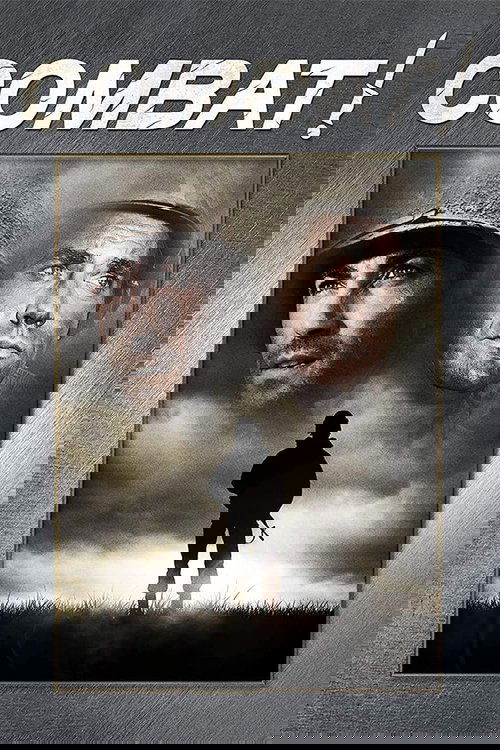
This wasn't your typical flag-waving war show. It was down in the mud, with a squad of American soldiers in World War II France, week after week. You got to know those characters, their fears and their courage. It showed the human cost of war, not just the glory. The black-and-white added to the grittiness, making the explosions and the struggle feel more immediate. It was serious, often intense, and really gave you a sense of what those men went through.
6. Burke's Law
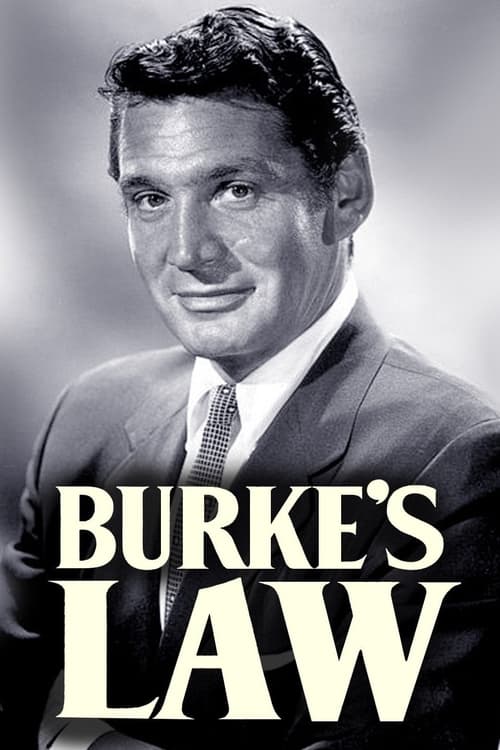
A millionaire police chief who solved crimes in between lavish parties and exotic travel? Well, that was pure escapism, wasn't it? Gene Barry, always impeccably dressed, sashaying through high society while figuring out whodunit. It was light, stylish, and full of guest stars – a real "who's who" of Hollywood. The plots were often secondary to the sheer glamour and wit of it all. Not every show had to be heavy; sometimes you just wanted a bit of sophisticated fun, and this delivered.
7. Run for Your Life
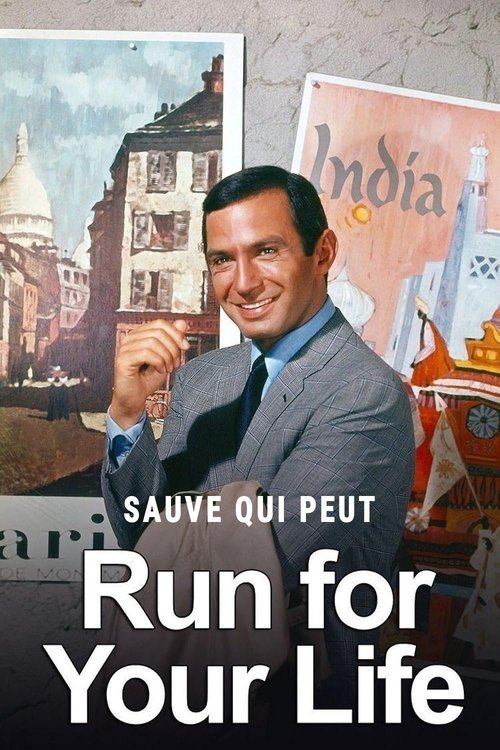
Now here was a novel concept for a weekly series. A man, told he had only a year or two to live, decides to spend his remaining time seeing the world and living life to the fullest. David Janssen, always the haunted everyman, made you care about his journey. Each week was a new city, new people, and often a new entanglement. It was an early serialized drama, of sorts, with that overarching ticking clock making every episode feel poignant. Made you think about your own time, it did.
8. The Bell Telephone Hour
Oh, this was something else entirely. A full hour of classical music, opera, ballet, and Broadway stars, right there on your television. It was high culture, presented beautifully, and sponsored by Bell, no less. You saw legends perform, and it introduced a whole generation to the performing arts. In a time before endless channels, this brought a touch of elegance and genuine talent right into American homes. A true variety show, but with a refined, educational bent. You just don't see that anymore.
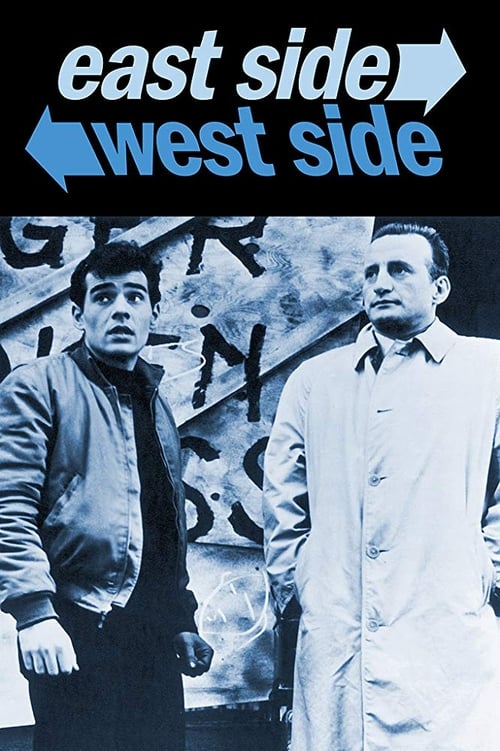
9. East Side/West Side
This show was ahead of its time, really. George C. Scott as a social worker in New York, tackling urban poverty, racial tensions, and systemic issues. It was raw, unflinching, and often quite grim for network television in the early sixties. It didn't offer easy answers, and it certainly didn't shy away from controversy. The black-and-white only emphasized the stark realities it depicted. A brave show that, perhaps, was too honest for its era, but it left a lasting impression on those who watched.