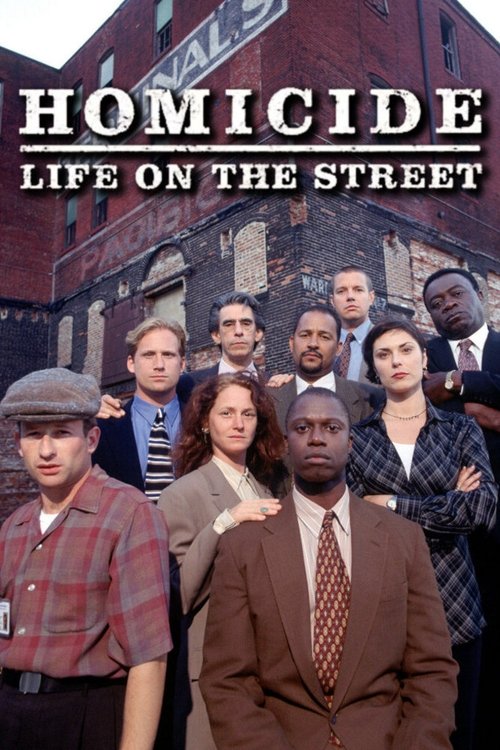
1. Homicide: Life on the Street
This wasn't your father's police procedural. Shot on location in Baltimore, it felt lived-in, messy, and utterly real. Barry Levinson brought a film sensibility to network television, using jump cuts and overlapping dialogue long before it was trendy. You followed these detectives through their everyday grind, the cases not always neatly solved, and the personal toll always palpable. It showed you could do smart, serialized drama on NBC, pushing boundaries with its raw, unflinching look at urban crime. A true game-changer for network drama.
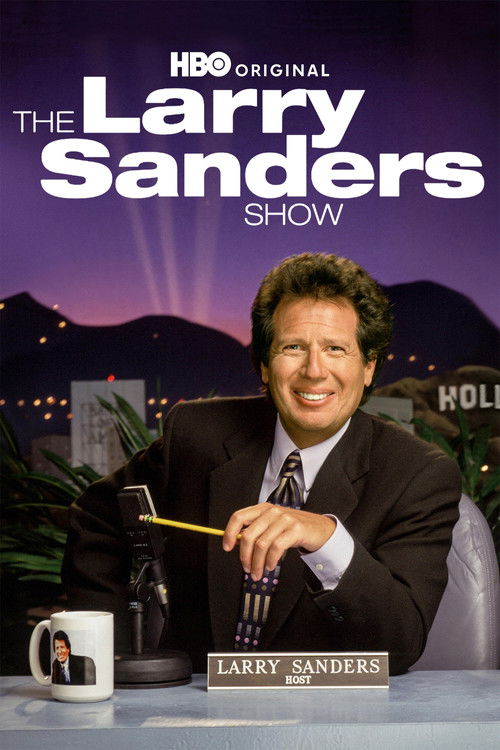
2. The Larry Sanders Show
Larry Sanders gave us a peek behind the curtain of late-night TV, but it wasn't glamorous. This HBO gem invented the cringe comedy long before anyone called it that. Garry Shandling played the insecure host perfectly, surrounded by a cast of self-serving, neurotic characters. It was a mockumentary before that term even hit the mainstream, showing the petty jealousies and brutal honesty of show business. HBO proved cable could deliver smart, subversive comedy that network TV wouldn't touch.
3. Oz
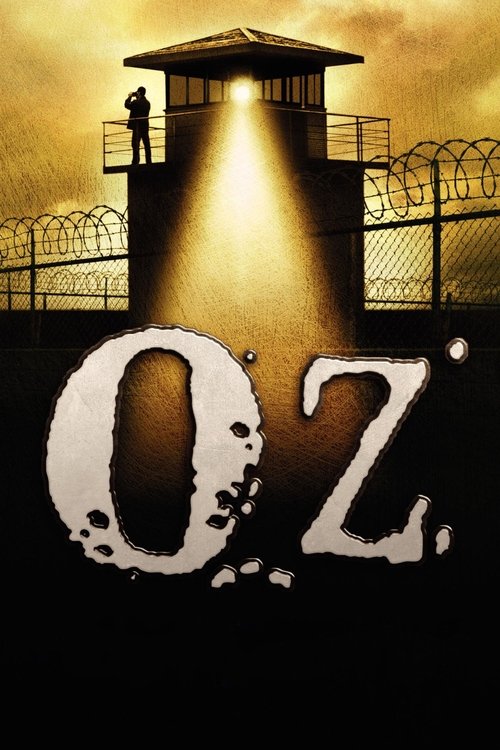
HBO really went for it with *Oz*. No one had ever seen anything like this on television. A brutal, unflinching look inside an experimental prison unit, it was raw, violent, and morally complex. The serialized storytelling meant you were deeply invested in these characters, good and bad, as they navigated a truly hellish environment. It cemented HBO’s reputation for daring, adult drama that pushed every single boundary, proving that cable could be a home for stories too dark and challenging for broadcast.
4. Sports Night
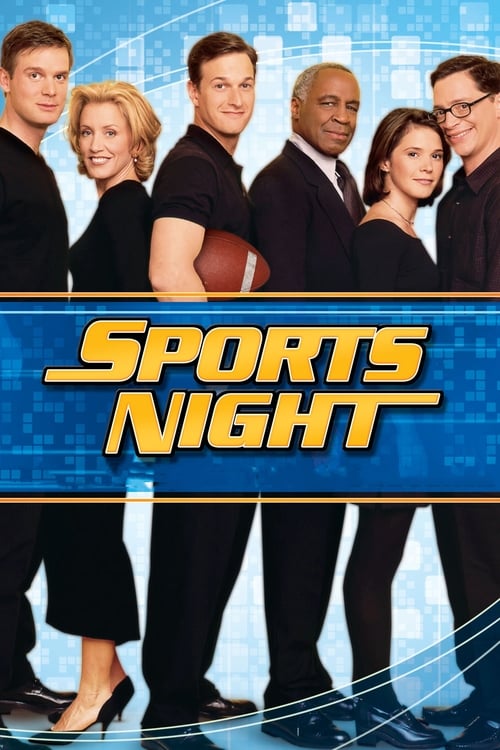
Before *The West Wing*, Aaron Sorkin brought his signature rapid-fire, intellectual dialogue to a sports news show. It was technically a comedy, but the drama and character work were always front and center. *Sports Night* showed you could have whip-smart writing, a passionate ensemble, and still tackle serious themes while making you laugh. Its single-camera, film-like approach was a precursor to so much prestige television, even if ABC didn't quite know what they had.
5. Boomtown
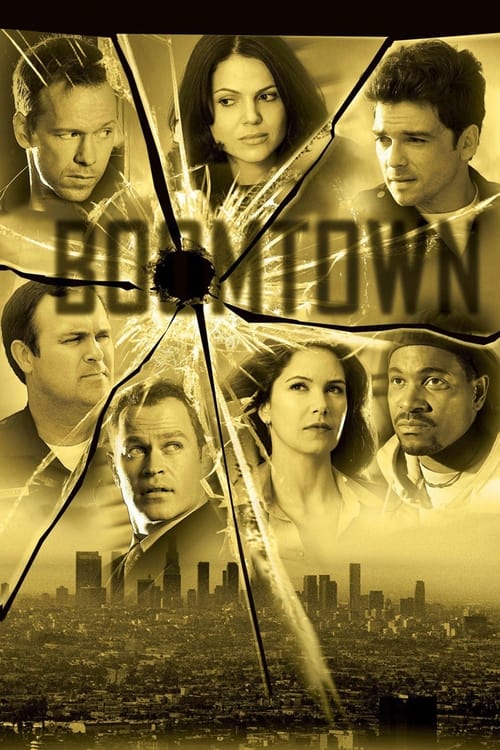
This one was a real swing for the fences. *Boomtown* took a standard L.A. crime procedural and completely blew up the format. Each episode re-told a crime from multiple, shifting perspectives – the cops, the victims, the criminals – often non-linearly. It demanded attention and rewarded it, showing how different viewpoints could completely alter your understanding of events. It was ambitious, challenging, and sadly, maybe a little too smart for network television at the time, but its influence lingered.
6. The Shield
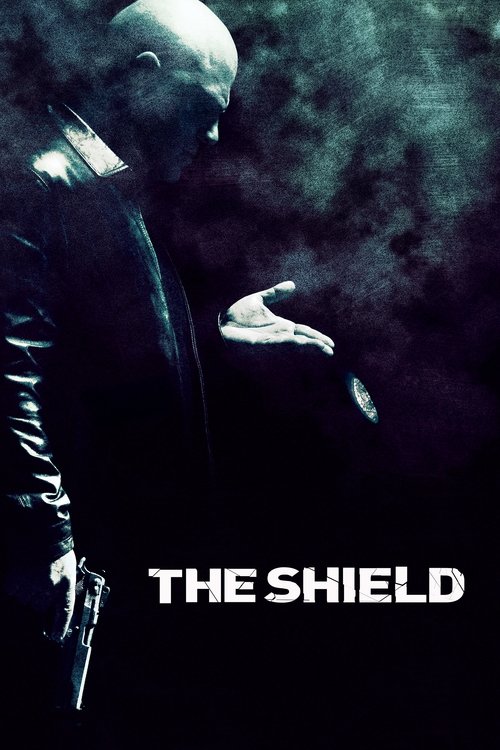
When *The Shield* hit FX, it redefined what a cable drama could be. Vic Mackey wasn't just flawed; he was a violent, corrupt cop you somehow still rooted for. This show plunged you into the moral gray areas of law enforcement, proving that television could explore deeply complex anti-heroes and serialized arcs that paid off over years. It was brutal, uncompromising, and showed that basic cable could deliver stories as compelling and risky as premium channels.
7. Six Feet Under
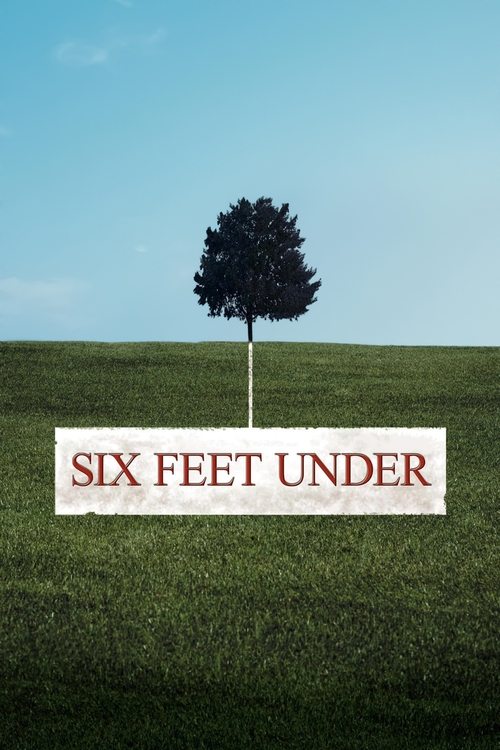
*Six Feet Under* was a family drama centered around a funeral home – and it started with a death every episode. This HBO series explored grief, mortality, and dysfunctional family dynamics with a darkly comedic, deeply human touch. It wasn't afraid to get weird, philosophical, or emotionally devastating. The serialized journey of the Fishers, with their dreams and inner monologues, cemented HBO’s reputation for character-driven, profound storytelling that network TV couldn't touch.
8. Deadwood
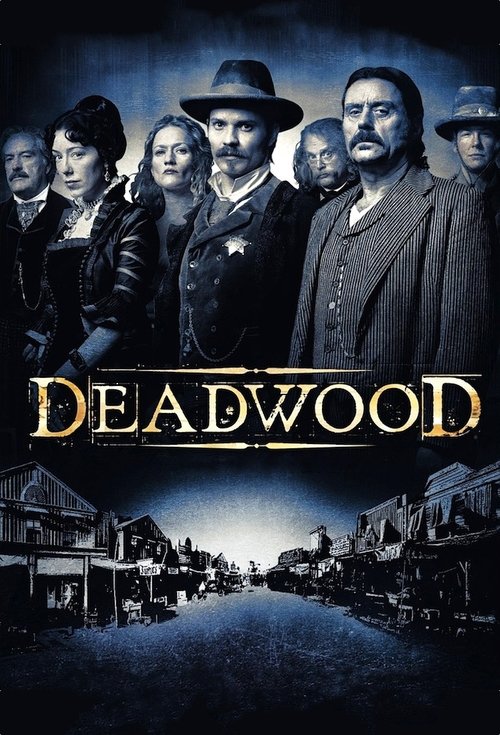
Forget everything you thought you knew about Westerns. *Deadwood* was Shakespeare in the mud, with language so rich and profane it was practically poetry. David Milch crafted a world teeming with unforgettable characters, each trying to carve out a life in a lawless town. It was historically informed, cinematically shot, and brutally honest about the origins of American society. HBO once again delivered a period piece that was utterly unique, showing television could be as literary and visually stunning as film.
9. Brotherhood
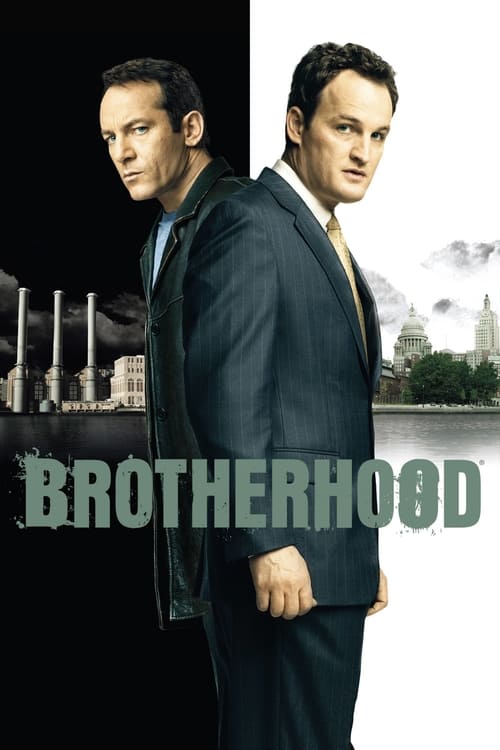
Showtime's answer to HBO's gritty dramas, *Brotherhood* dug deep into the lives of two Irish-American brothers in Providence, one a politician, the other a gangster. It explored the intertwined worlds of crime and politics with a raw, almost claustrophobic intimacy. This show proved that other premium cable networks could also deliver complex, morally ambiguous anti-hero narratives with a strong sense of place. It was a dark, compelling character study that deserved more attention.
10. Party Down
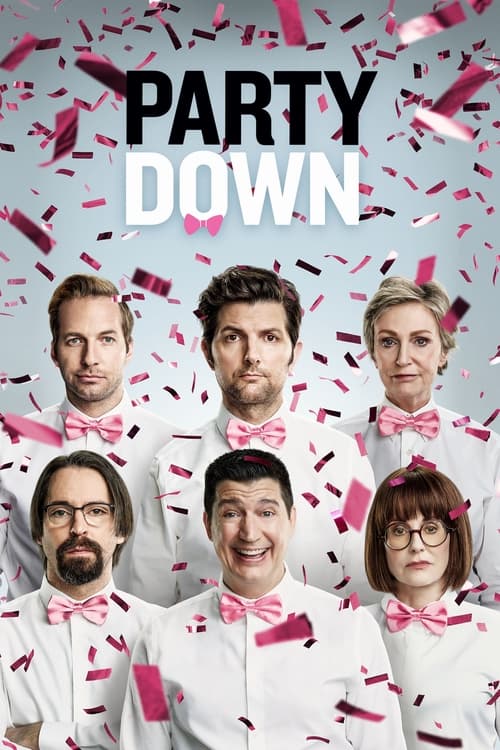
*Party Down* captured the soul-crushing reality of Hollywood dreamers stuck catering parties. This ensemble comedy was hilarious, heartbreaking, and brutally honest about ambition and failure. With its sharp writing and a cast that would become huge stars, it built a cult following, often discovered through early streaming or DVD. It had that indie film vibe, proving that smart, character-driven comedy didn't need a huge budget or network slot to find an audience. A true gem.