

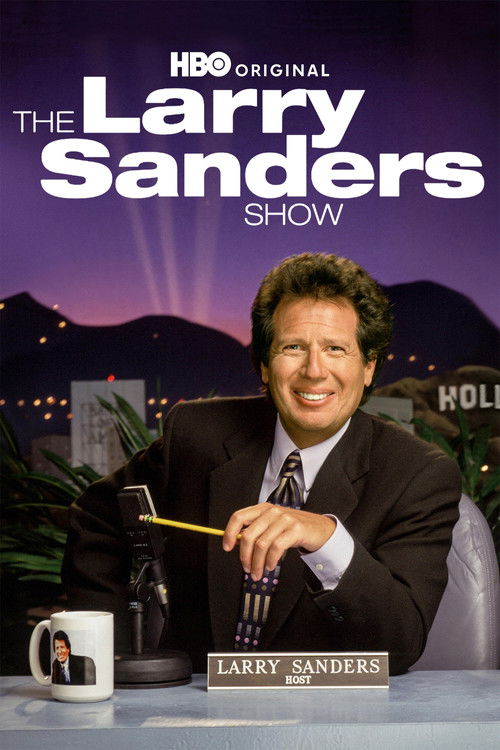
1. The Larry Sanders Show
This wasn't just a sitcom; it was a blueprint for meta-comedy and backstage drama. Sanders blurred the lines between reality and fiction, crafting a mockumentary style that felt painfully real, exposing the egos and anxieties behind the late-night facade. It was smart, cynical, and showcased how serialized character arcs could elevate comedy, making you actually care about these dysfunctional people long before that became the norm.
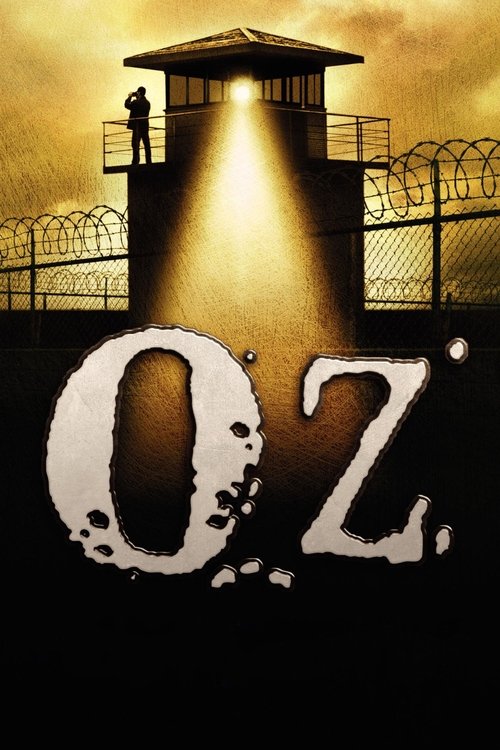
2. Oz
Before HBO was HBO, there was *Oz*. This show didn't just push boundaries; it bulldozed them. Raw, relentless, and unflinchingly brutal, it proved that premium cable could deliver serialized, character-driven drama without network compromises. The ensemble cast navigated a morally bankrupt world, revealing the grim realities of prison life with a cinematic scope and an intensity that felt utterly revolutionary at the time.
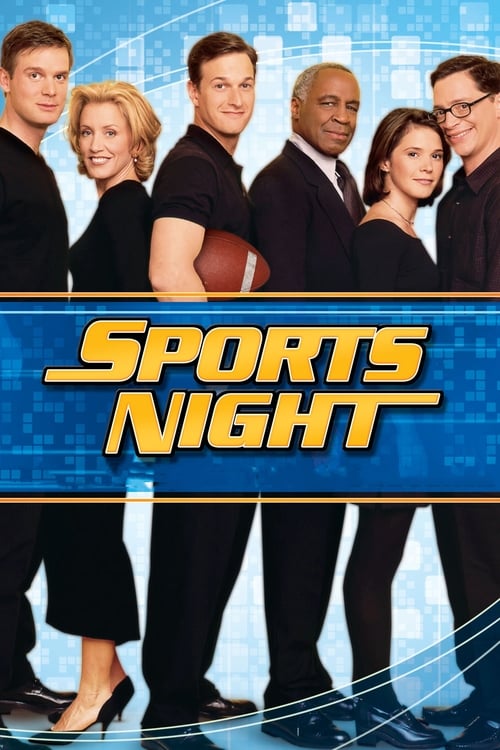
3. Sports Night
Aaron Sorkin's signature rapid-fire dialogue and "walk and talk" style found its early rhythm here. It was a half-hour show that refused to be just a sitcom, blending sharp comedy with genuine drama about integrity, ambition, and the messy lives behind the broadcast. The ensemble was key, making you invest in their professional and personal struggles, proving that intelligent, serialized storytelling could thrive on network TV, even if it took a while to find its audience.
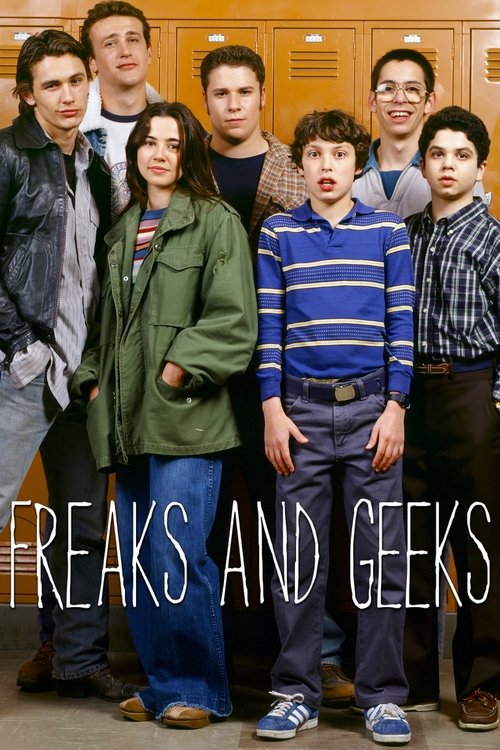
4. Freaks and Geeks
This show was a heartbreakingly authentic look at high school, completely stripping away the glossy sitcom clichés. It understood teenage awkwardness, parental disconnect, and the desperate search for identity with an honesty that felt revolutionary. Its cinematic approach to character development and refusal to offer easy answers set a new standard for coming-of-age stories, proving that niche, character-driven dramas could resonate deeply.
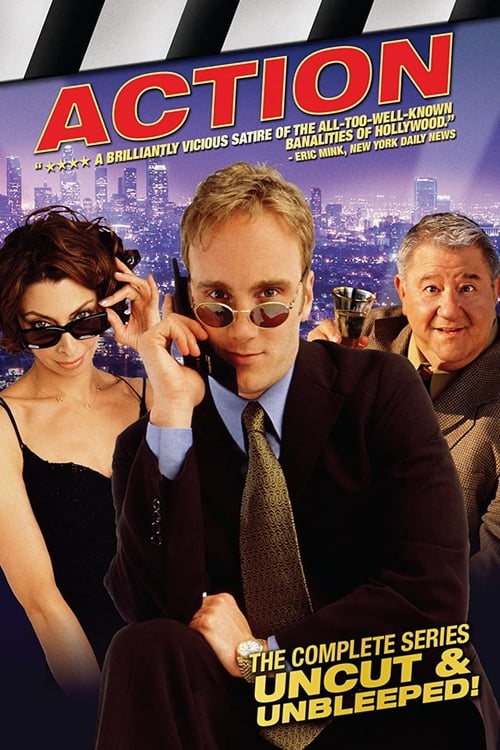
5. Action
A truly audacious and cynical Hollywood satire that was probably too dark for its time, especially on network TV. *Action* dove headfirst into the morally bankrupt world of movie executives, delivering sharp, profane humor and unflinching critiques of the industry. It was relentlessly mean-spirited in the best possible way, featuring a protagonist you loved to hate, and foreshadowed the kind of boundary-pushing content that would later thrive on cable.
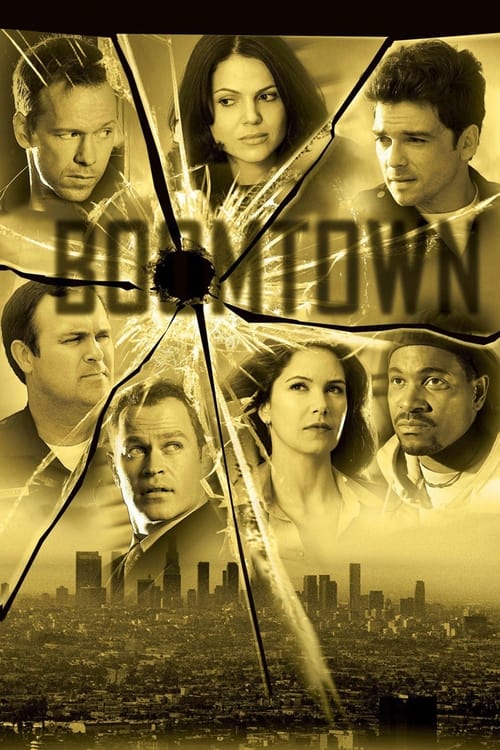
6. Boomtown
This procedural was a masterclass in non-linear storytelling. Each episode dissected a single crime from multiple perspectives – police, victim, perpetrator – often jumping through time and offering conflicting viewpoints. It was ambitious, cinematic, and demanded audience engagement, showing how a traditional genre could be reinvented with complex narrative structures. It was serialized in its character arcs, but anthology-like in its weekly puzzle.
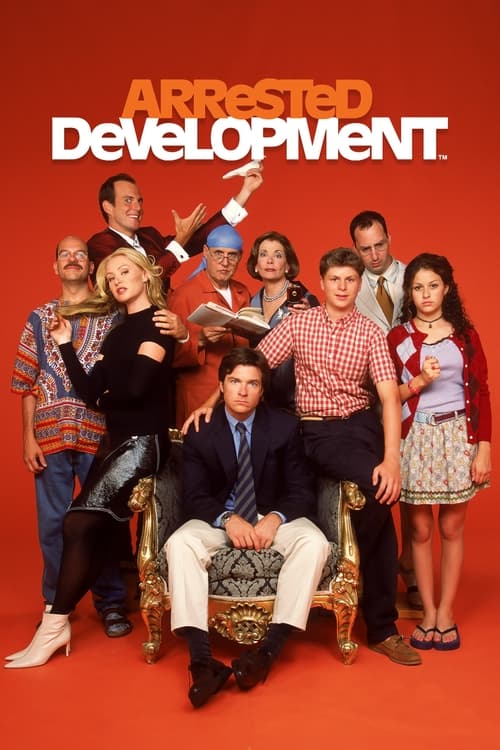
7. Arrested Development
A comedic marvel that redefined sitcom structure. This mockumentary was a dense tapestry of running gags, callbacks, and subtle visual jokes that rewarded rewatching. It championed a serialized approach to comedy, building a world where every episode referenced the last, requiring viewers to pay attention. This layered storytelling practically invented the idea of "binge-watching" before the term even existed, making DVDs essential.
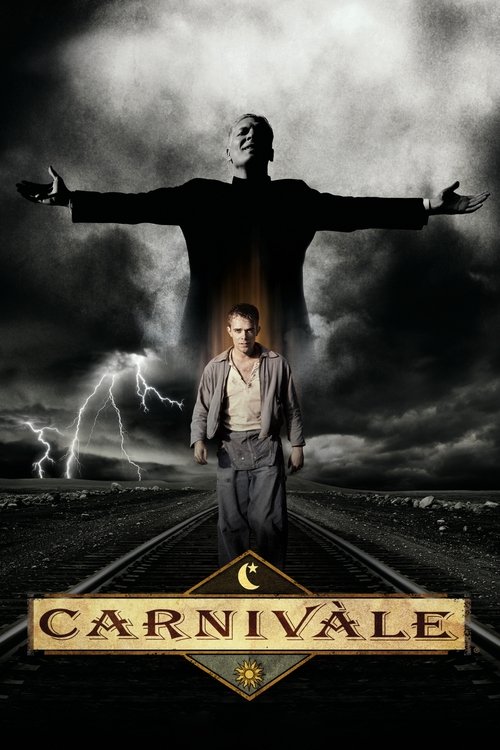
8. Carnivàle
HBO went all-in on atmospheric, complex serials with *Carnivàle*. This was television as a sprawling, cinematic novel, set against the dust-bowl backdrop of a traveling carnival. Its intricate mythology, slow-burn pacing, and incredibly high production values were a direct challenge to network norms. It wasn't just a show; it was an experience, proving that audiences would commit to dense, challenging narratives.

9. Mr. Show with Bob and David
This was sketch comedy for people who were tired of sketch comedy. *Mr. Show* blew up conventional structure, linking sketches with meta-narratives and surreal transitions. It was smart, subversive, and relentlessly experimental, influencing a generation of comedians. Its anti-establishment humor and willingness to get weird cemented its cult status, showing how niche, intelligent comedy could find its dedicated audience.