1. Max Headroom
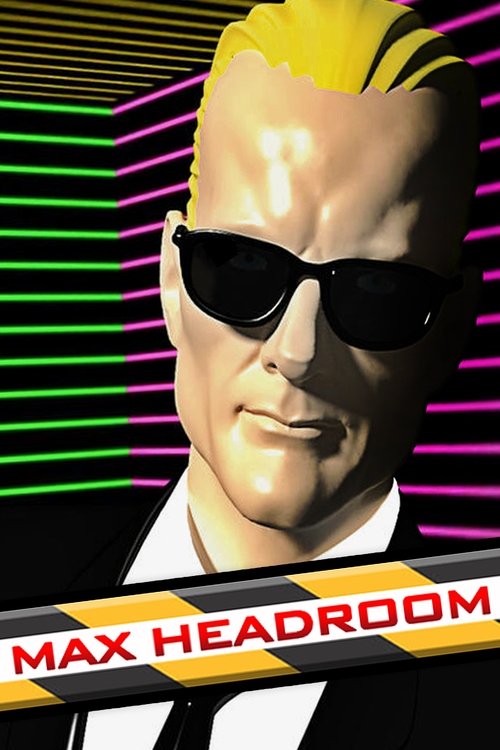
Man, this thing was a trip. The 1987 series took the VJ concept and spun it into a dystopian nightmare. Max, the glitchy AI host, was a corporate rebel, a digital punk spitting truth in a neon-soaked future. It was ahead of its time, really, with its commentary on media saturation and corporate control. The analog visual effects still hold up, giving it a raw, experimental edge. You felt like you were watching something genuinely new, something that shouldn't even exist on network TV.
2. Æon Flux
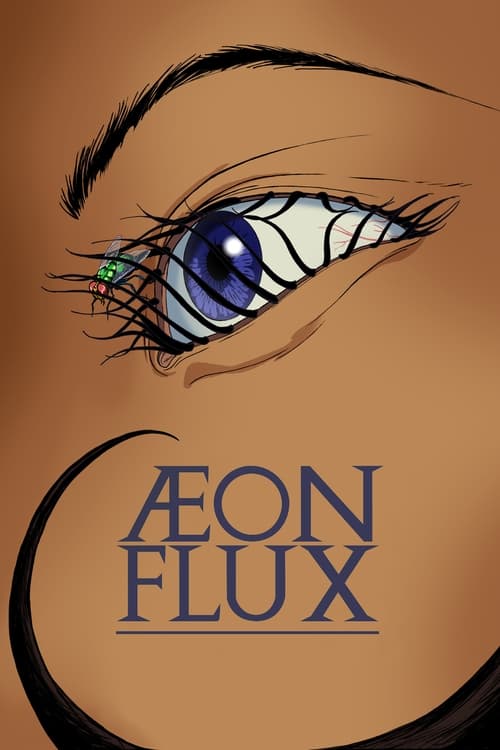
MTV’s Liquid Television was a wild west, and Æon Flux was its most dangerous outlaw. The 1991 shorts weren't about plot, they were about mood, kinetic energy, and raw, unsettling visuals. Peter Chung crafted a hyper-stylized, dystopian spy saga with a lead who was pure enigma. It felt like a fever dream, brutal and beautiful, pushing animation far beyond Saturday morning cartoons. This was avant-garde, punk rock TV, challenging you to keep up.
3. Captain Power and the Soldiers of the Future
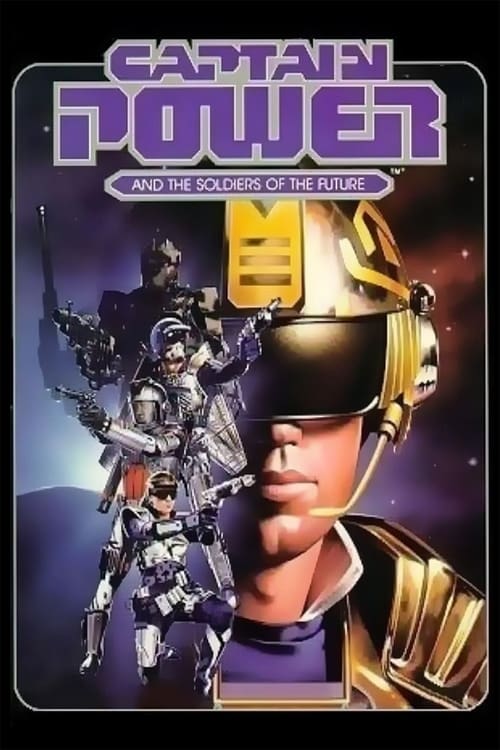
You gotta respect Captain Power for trying. In 1987, it was pitching a grim, post-apocalyptic future where machines had won, and doing it with groundbreaking (for TV) CGI. It was a toy commercial, yeah, but a seriously bleak one, exploring heavy themes of survival and rebellion. The interactive element with the toys was a gimmick, sure, but the show itself had a surprisingly dark, serialized narrative. It was ambitious, maybe too much so, but unforgettable.
4. Automan
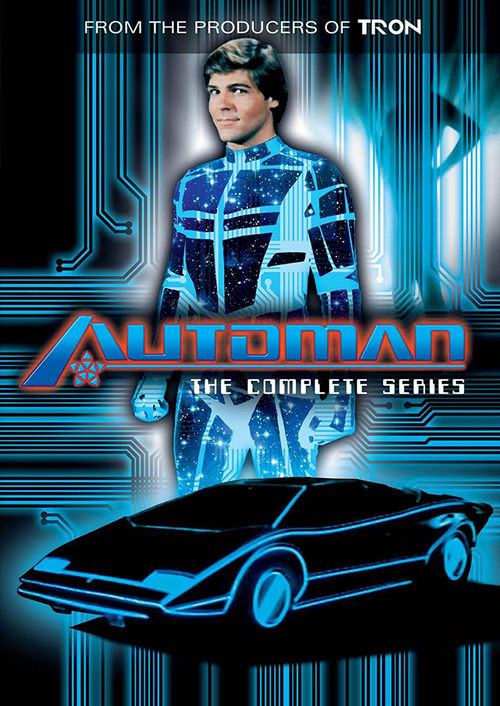
Automan was Tron on a TV budget, and I loved it for that. The 1983 series gave us a hero literally made of light, bursting out of a computer screen. His glowing car and motorcycle were pure 80s magic, even if the effects were sometimes clunky. It had that proto-cyberpunk vibe, a human programmer creating a perfect digital crime-fighter. It was silly, sure, but it was also a pure blast of neon-soaked fantasy. A real artifact of early digital dreams.

5. Lexx
Lexx was a Canadian fever dream that nobody quite understood, but everyone who saw it remembered. The 1997 debut miniseries and subsequent seasons were a maximalist explosion of low-budget, high-concept sci-fi. It was dark, funny, incredibly raunchy, and utterly unique. A sentient, planet-destroying spaceship, a zombie security guard, a sex slave, and a love-slave robot? It was a glorious mess, embracing its weirdness and pushing boundaries on syndicated cable.
6. Friday the 13th: The Series
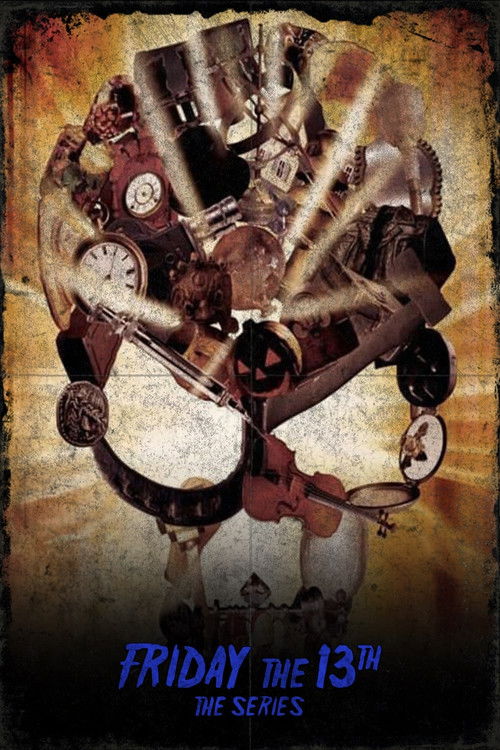
Don't let the name fool you, this 1987 series had nothing to do with Jason Voorhees. It was a dark, creepy anthology built around cursed antiques. Each week, our heroes had to track down and reclaim items sold from a demonic shop. It had a surprisingly grim tone for syndicated TV, with genuine scares and bleak endings. It felt like a precursor to later dark fantasy shows, a grimy, unsettling take on the supernatural. A cult classic for a reason.
7. The Adventures of Brisco County, Jr.
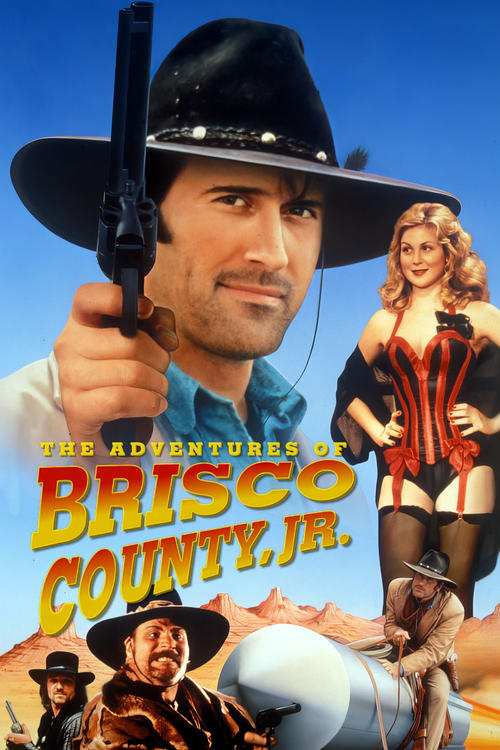
Bruce Campbell as a Harvard-educated cowboy bounty hunter chasing an orb from the future? Yeah, that’s Brisco County, Jr. The 1993 series was a glorious, bizarre genre mash-up. It mixed classic western tropes with steampunk-ish sci-fi and a heavy dose of quirky humor. It was smarter than it had any right to be, playing with its premise and delivering genuinely fun, adventurous television. Fox cancelled it too soon, obviously. A true, weird gem.

8. VR.5
Before The Matrix, there was VR.5. The 1995 UPN series dove deep into virtual reality, but not as a game; it was a psychological tool, a way to manipulate people's minds. It was moody, atmospheric, and genuinely unsettling, blurring the lines between reality and simulation. The analog visual effects for the VR world were crude but effective, giving it a surreal, dreamlike quality. It was ambitious, maybe too much so, but fascinatingly experimental.
9. The Tripods
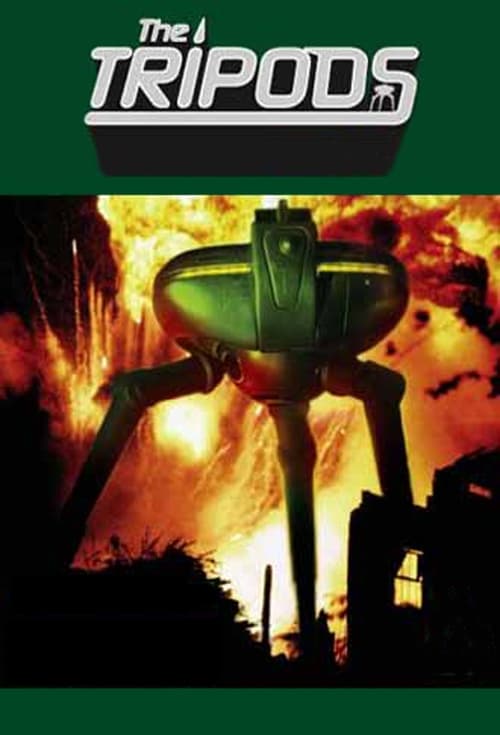
This BBC adaptation from 1984 was pure nightmare fuel for a generation of kids. Giant alien tripods subjugating humanity through mind-control "cappings"? It was a chilling vision of a post-apocalyptic Earth, delivered with a stark, unsettling British sensibility. For a children's show, it was relentlessly bleak and genuinely frightening, exploring themes of rebellion and freedom against impossible odds. That opening theme alone still gives me shivers.
10. Street Hawk
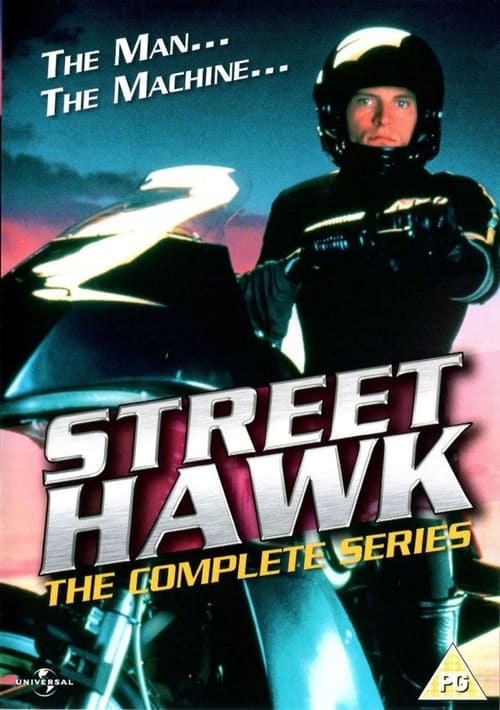
Street Hawk was basically Knight Rider on two wheels, and it was glorious. The 1985 series featured a super-secret, weaponized motorcycle that could hit ludicrous speeds. It was peak 80s action, with practical effects for the bike’s jumps and stunts that still look cool. The premise was simple: fight crime with advanced tech and a lot of horsepower. It was pure, unadulterated escapism, delivering exactly what you expected from a mid-80s action show.
11. M.A.N.T.I.S.
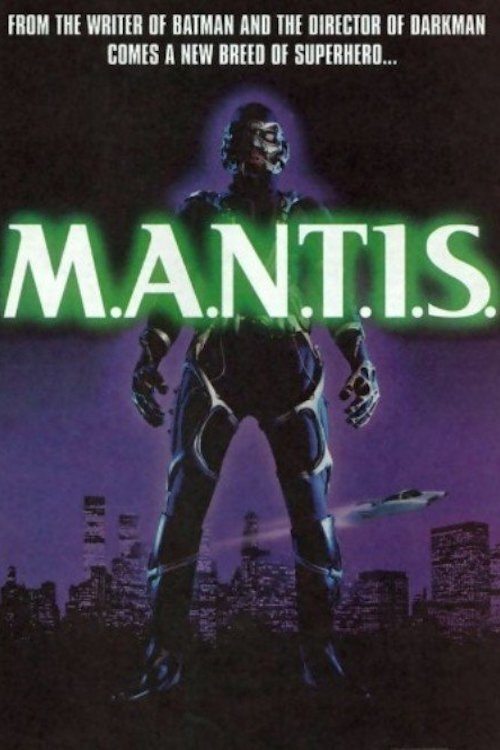
M.A.N.T.I.S. started as a TV movie in 1994, then spun into a series. It was groundbreaking, featuring the first black superhero lead on network television. The suit was wild, a clunky exoskeleton that allowed a paralyzed scientist to fight crime. It had a gritty, urban sci-fi feel, but the show struggled to find its footing, eventually going full-on bizarre with time travel and alien plots. Still, that initial concept and suit were pure 90s experimental TV.