
1. The Sopranos
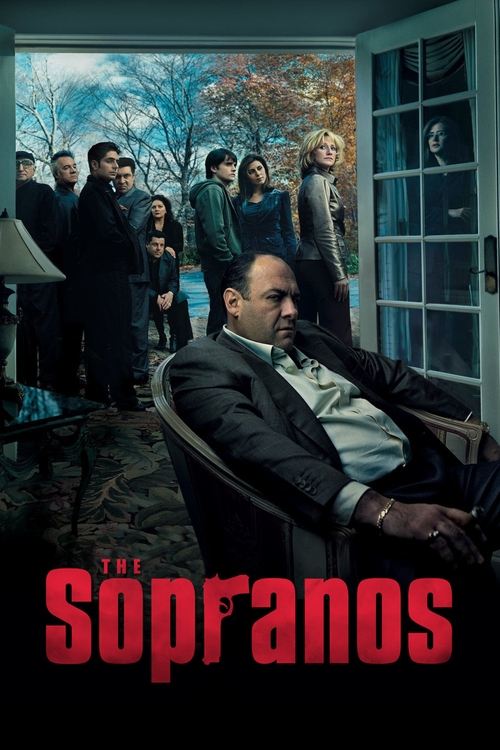
This show wasn't just good; it blew the doors off what cable TV could be. HBO let David Chase explore a mob boss's psyche with a depth networks wouldn't touch. It proved audiences craved complex characters, morally grey areas, and long-form storytelling that demanded your attention week after week. No more neat bows; this was messy, cinematic, and truly set the bar for the anti-hero era, showing TV could be art.
2. The Wire
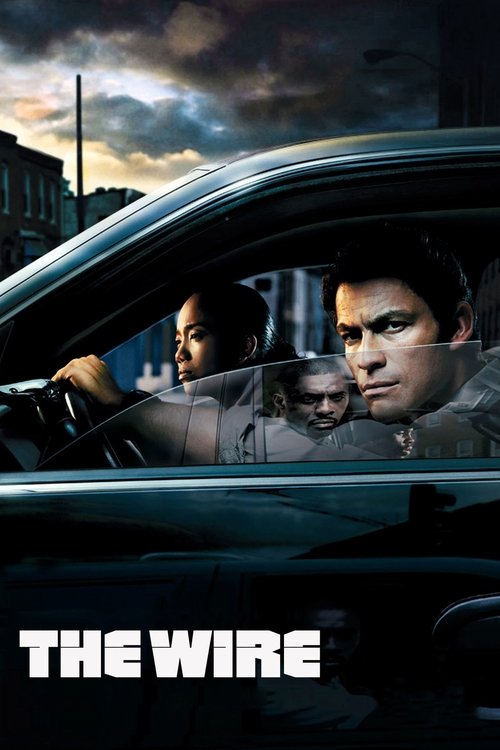
Forget procedural crime; "The Wire" was a novel for television. Each season peeled back another layer of Baltimore's institutions, showing how the system worked, or didn't. Its sprawling ensemble cast and meticulous, serialized narrative demanded patience, but rewarded it with unparalleled insight. This wasn't just TV; it was sociology, shot with a cinematic eye that made every episode feel essential.

3. Six Feet Under
Before "prestige" was a buzzword, this show was quietly reinventing family drama. Dealing with death every episode, it explored life's big questions with a darkly comedic, deeply human touch. The Fisher family's internal lives were laid bare through a superb ensemble cast, proving that serialized storytelling could be profoundly intimate, emotionally resonant, and utterly unconventional for Sunday night viewing.
4. Arrested Development
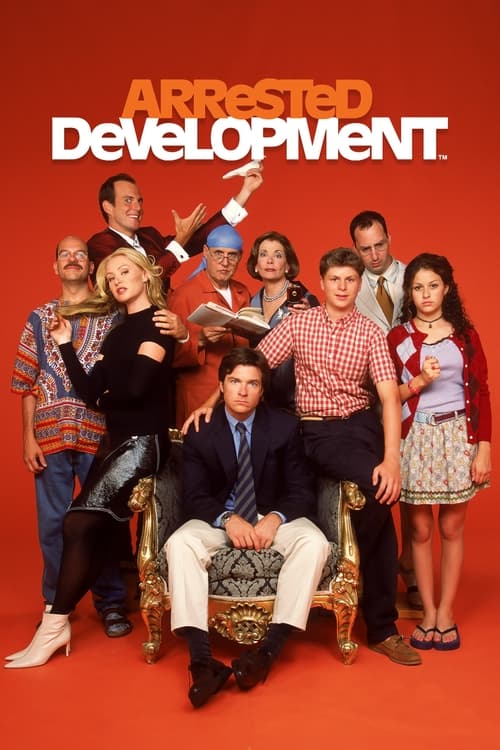
This wasn't just a sitcom; it was a masterclass in comedic density. Its mockumentary style and rapid-fire, layered jokes demanded repeat viewings, practically foretelling the rise of on-demand. Every episode was packed with callbacks and subtle gags, making it the perfect show to binge before bingeing was even a thing. It proved smart comedy didn't need a laugh track.
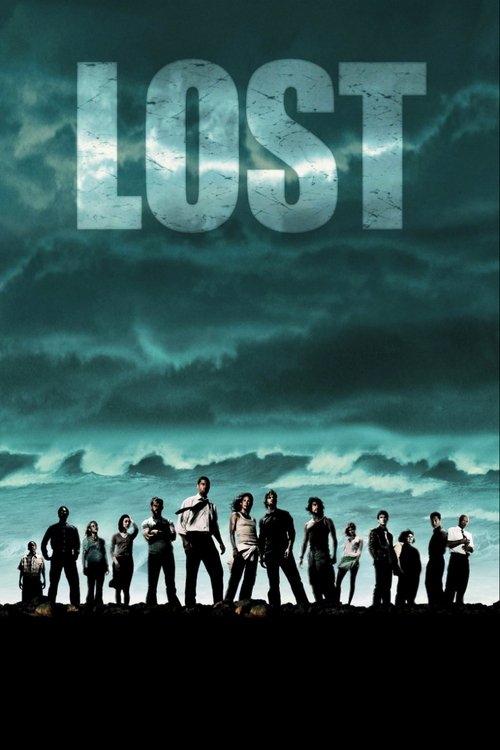
5. Lost
Talk about water cooler TV. "Lost" hooked millions with its island mysteries, complex mythology, and a massive ensemble cast where everyone had secrets. Its serialized structure, cliffhangers, and cinematic scope made it appointment viewing, pushing the boundaries of network television storytelling. Even if the ending was divisive, it proved serial puzzles could captivate a global audience like nothing before.
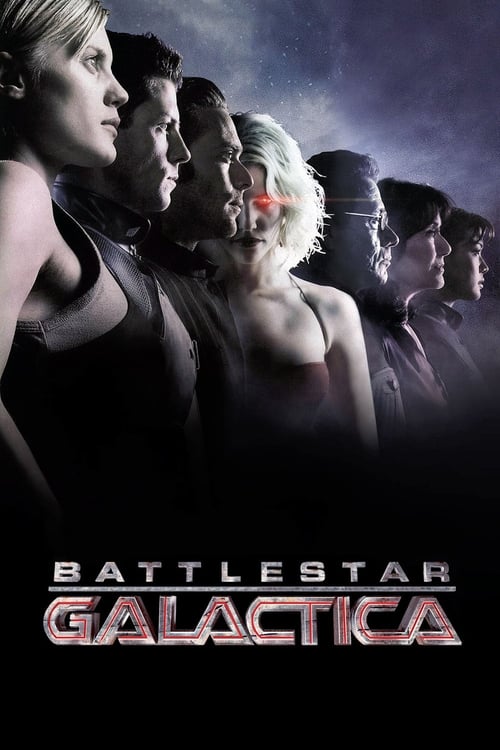
6. Battlestar Galactica
Who knew a reimagined sci-fi show could tackle post-9/11 anxieties, religious fundamentalism, and political intrigue with such depth? "BSG" delivered gritty, serialized drama with complex characters and moral ambiguity, all wrapped in a sci-fi package. It wasn't just space battles; it was a profound human story, proving that genre TV could be as thought-provoking as any "serious" drama.
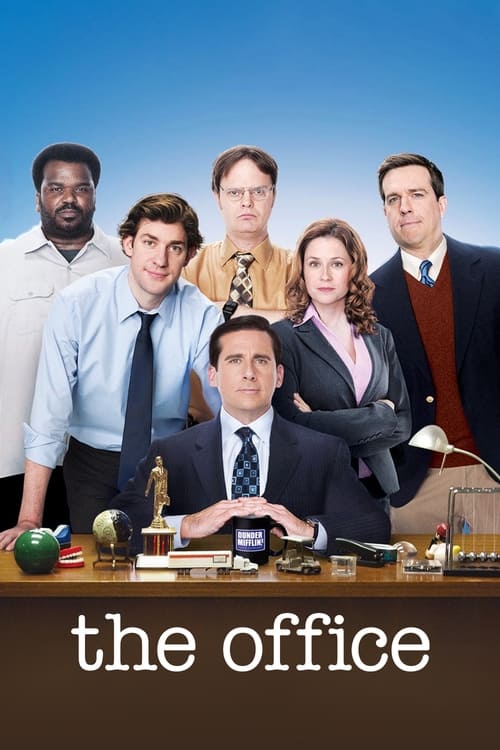
7. The Office
This mockumentary took a familiar workplace setup and infused it with cringe humor and surprising heart. Its subtle character arcs and naturalistic performances, captured in that 'found footage' style, made it feel incredibly real. It solidified the mockumentary as a legitimate and immensely popular comedic form, proving that everyday absurdities could be endlessly entertaining without a laugh track.
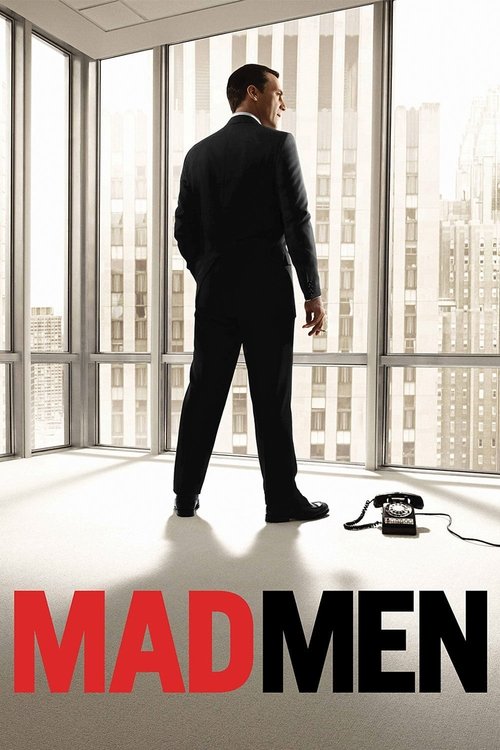
8. Mad Men
Stepping into the 1960s Madison Avenue, "Mad Men" was a meticulously crafted period piece that explored identity, ambition, and the changing American psyche. Its cinematic visuals and deliberate pacing were unheard of for basic cable. Don Draper's enigmatic presence and the show's rich, serialized character studies demonstrated that TV could be as artful and psychologically complex as film.
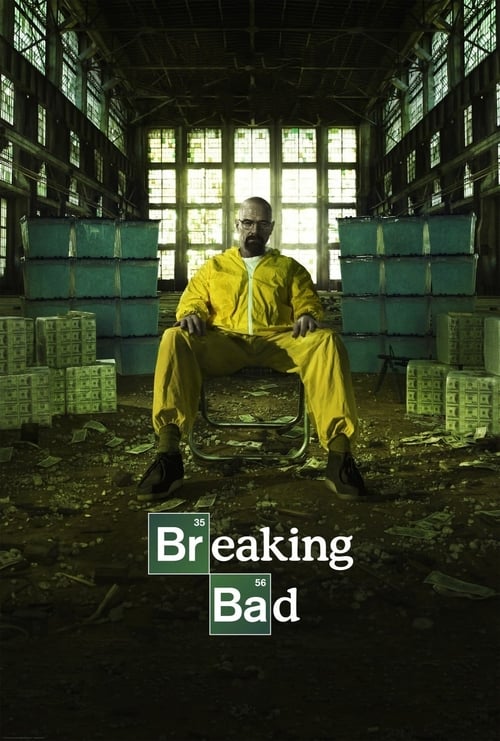
9. Breaking Bad
Vince Gilligan gave us a chemistry teacher's descent into darkness, a serialized character study that was relentless and utterly compelling. The cinematic cinematography, meticulous plotting, and Bryan Cranston's transformative performance redefined the anti-hero. It was a masterclass in escalating tension and moral decay, showing how cable could take a character to places network TV simply wouldn't dare.
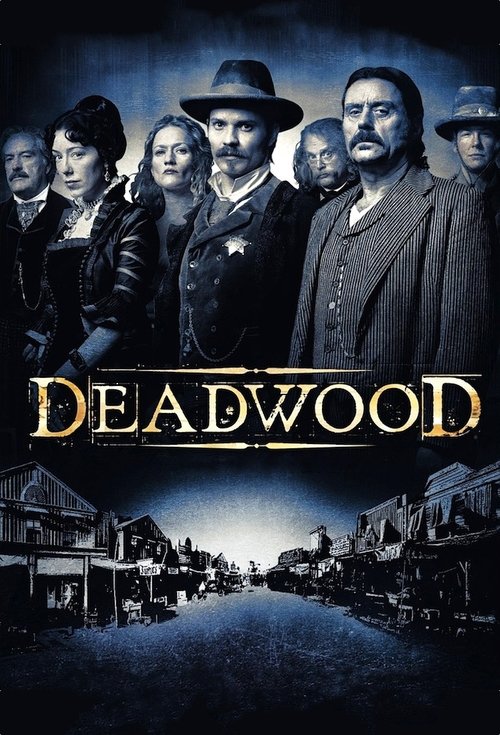
10. Deadwood
This wasn't your grandpa's Western. "Deadwood" was a raw, poetic, and utterly profane look at a fledgling town in the Black Hills. Its dense, theatrical dialogue and sprawling ensemble of historical figures created a vivid, serialized world. HBO allowed language and violence that pushed boundaries, proving that historical drama could be visceral, unvarnished, and unlike anything else on television.
11. Oz
Before HBO was HBO, there was "Oz." This brutal prison drama was one of the earliest examples of truly serialized, adult-oriented cable storytelling. Its unflinching look at violence, power dynamics, and morality within a single institution, backed by a sprawling ensemble, showed that TV could be dark, challenging, and relentlessly intense. It laid crucial groundwork for everything that came after.