

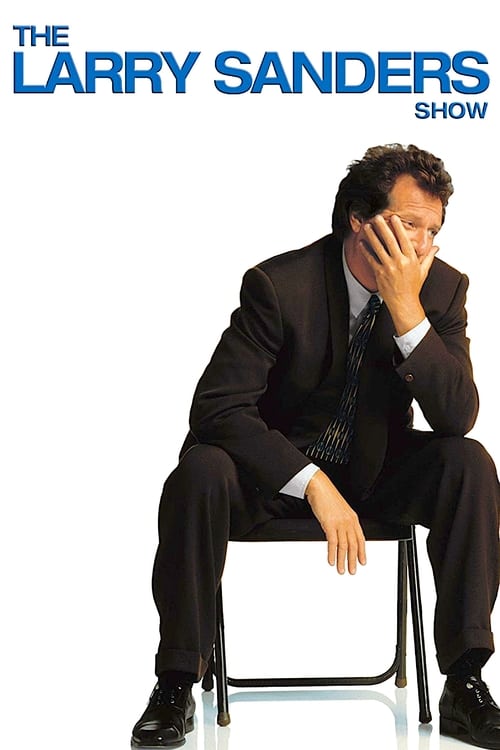
1. The Larry Sanders Show
HBO in '92, man, that was different. *Larry Sanders* wasn't just a sitcom; it was a masterclass in uncomfortable comedy, peeling back the veneer of late-night TV. Garry Shandling's performance was raw, and the ensemble cast, from Rip Torn to Jeffrey Tambor, made every backstage maneuver feel brutally real. It pioneered that faux-doc style, showing how TV could get meta before anyone even used the word. This thing felt like a secret.
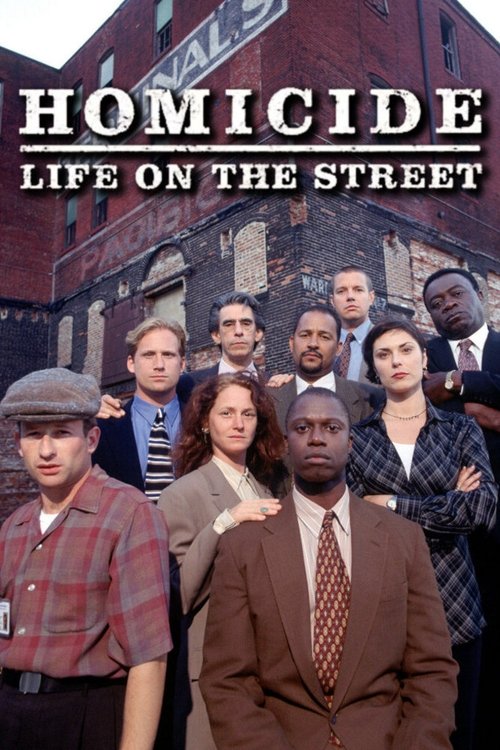
2. Homicide: Life on the Street
NBC in '93, doing something this dark and serialized? *Homicide* felt like a feature film every week. Barry Levinson brought that gritty, handheld camera work to broadcast, making Baltimore's homicide unit feel unnervingly real. The ensemble cast was phenomenal, playing complex characters grappling with impossible choices. It wasn't about neat conclusions; it was about the grind, the moral ambiguities, setting a new bar for broadcast drama.
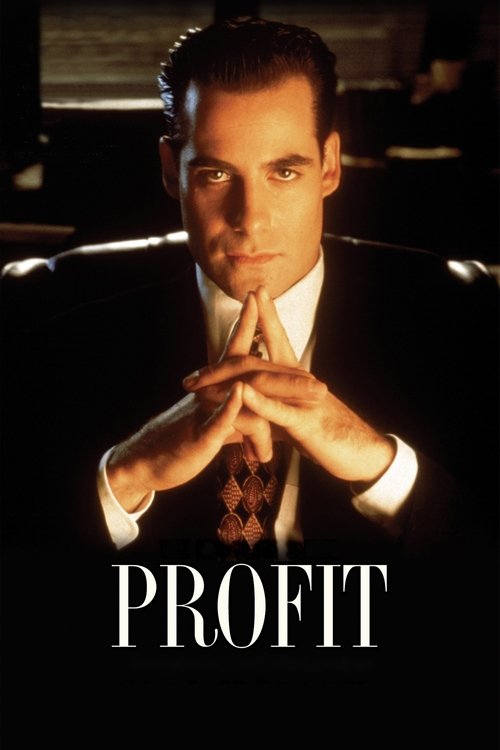
3. Profit
Fox, 1996, and they greenlit *Profit*? This show was a shocking, audacious gamble. Jim Profit was an unrepentant corporate psychopath, manipulating everyone with chilling precision. It was brutally dark, cynical, and utterly amoral, pushing boundaries in a way broadcast networks just didn't do. It was too much for '96 audiences, canceled fast, but it foreshadowed the anti-hero era years before Tony Soprano. Ahead of its time.
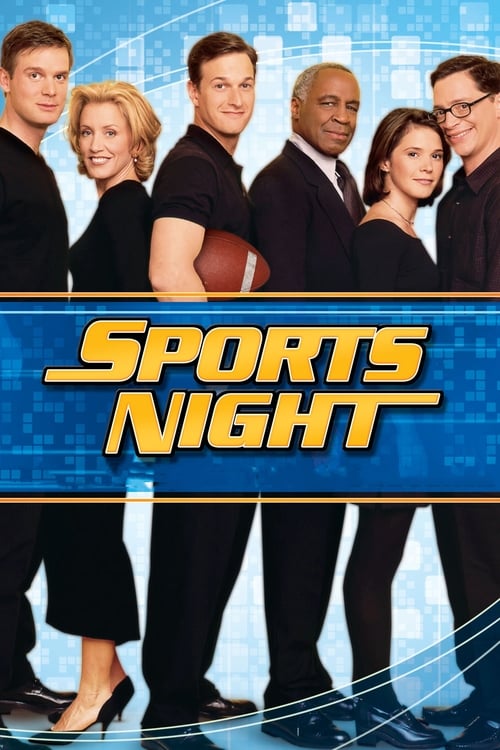
4. Sports Night
Aaron Sorkin's debut, *Sports Night* on ABC, was a revelation in '98. It had that signature rapid-fire, walk-and-talk dialogue, sharp as hell. Was it a sitcom? A drama? It blended both, capturing the frantic energy and personal lives behind a cable sports news show. The ensemble cast, led by Peter Krause and Josh Charles, made you feel like part of the crew. It showed how smart writing could elevate any premise.
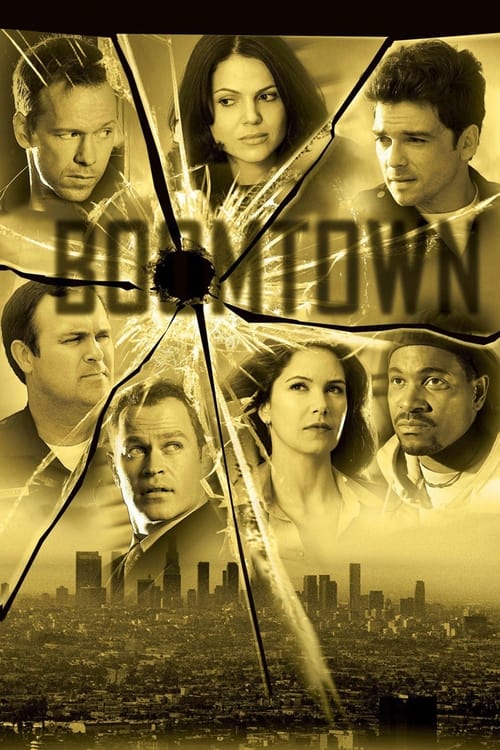
5. Boomtown
*Boomtown* on NBC in 2002 was a stylistic flex. It tackled crime from multiple perspectives – cops, victims, perps – and played with non-linear storytelling before it became a gimmick. Each episode was like a puzzle, revealing layers of a case from different angles. It pushed the procedural format into something cinematic and serialized, demanding attention. Too complex for its time, maybe, but it was a bold swing for network TV.
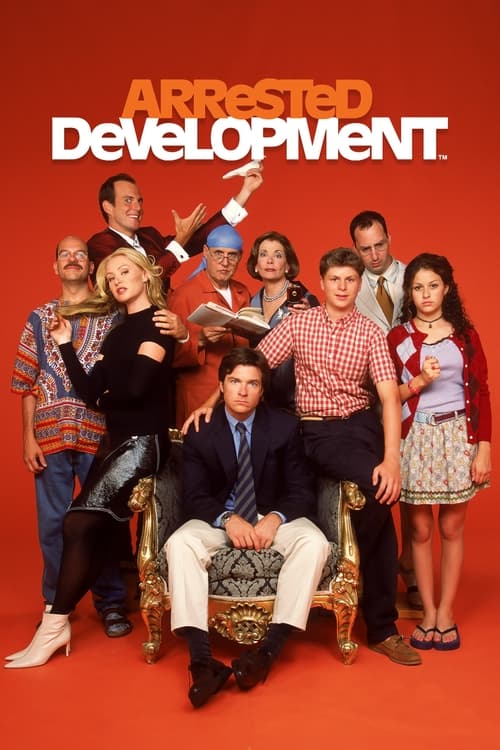
6. Arrested Development
Fox, 2003, and *Arrested Development* redefined sitcoms. Its mockumentary style, dense callbacks, and layered jokes were pure genius. Every rewatch revealed something new. The Bluth family was a masterclass in dysfunction, and the ensemble cast was perfection. It was almost too smart for network TV, demanding an attention span that streaming would later reward. An early indicator of how sophisticated comedy could get.
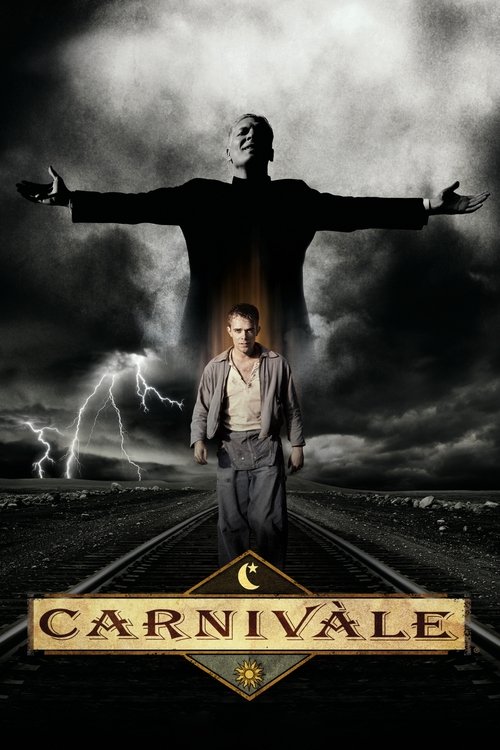
7. Carnivàle
HBO in 2003, and *Carnivàle* was an experience. It was expensive, slow-burn, and utterly unique – a dust-bowl depression-era fantasy epic. The atmosphere was thick, the mythology vast, and the serialized storytelling was next-level. It demanded commitment, rewarding viewers with stunning visuals and deep character dives. This was prestige cable flexing its muscles, proving TV could be as ambitious and cinematic as film.