1. Playhouse 90
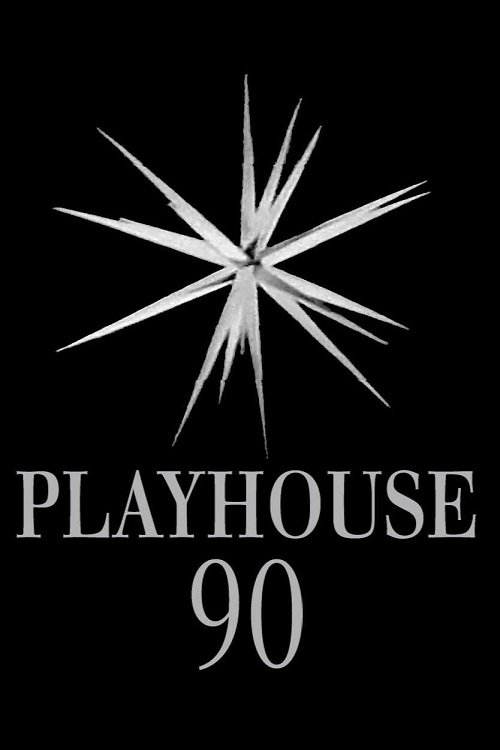
This was live television, mostly, for ninety minutes straight. Imagine the nerves! You’d see big-name stars, the kind who usually stuck to movies, doing these intense dramas, sometimes flubbing lines, but always with that raw energy. It was theater for the masses, broadcast right into your living room, unedited. And the sheer ambition of it, week after week, was something truly special.

2. Naked City
Shot on the actual streets of New York, this show had a grit you rarely saw on the small screen back then. It wasn't about glamorous detectives; it was about the city itself, a character in its own right. Each week, a new human drama unfolded, often with a stark, documentary feel. That final line, "There are eight million stories in the Naked City. This has been one of them," always stuck with you.
3. Thriller
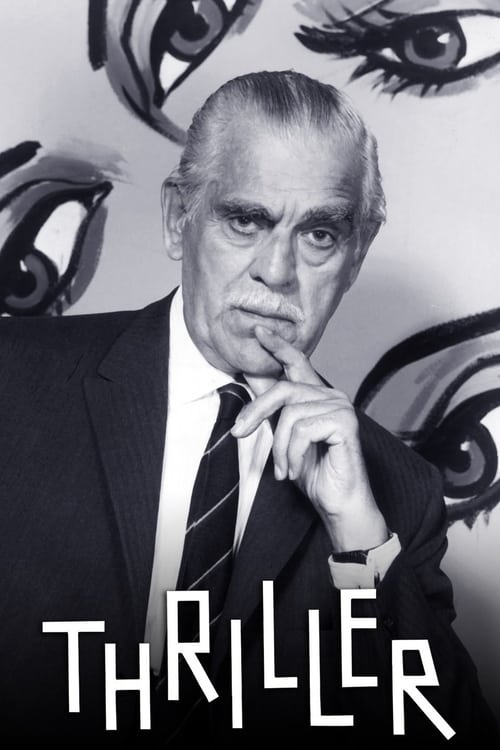
Boris Karloff, the horror icon himself, introducing tales of suspense and the supernatural. This wasn’t your kiddie monster show. It got genuinely creepy, often with a psychological edge, and sometimes veered into outright terror. The black-and-white cinematography added so much to the mood, making shadows feel deeper, and the unknown even more unsettling. A real gem for late-night viewing.
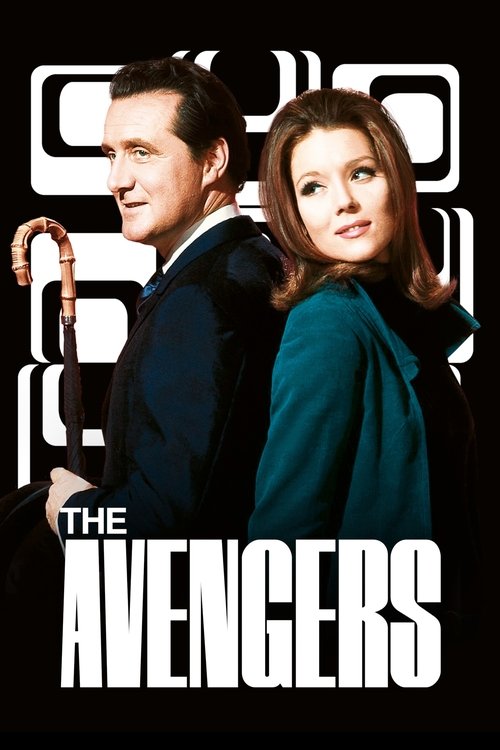
4. The Avengers
Oh, Steed and Cathy Gale, then Emma Peel! The early black-and-white episodes were so stylish, so uniquely British. It wasn't just a spy show; it was quirky, with a dry wit and surreal villains. The fashion, the dialogue – it felt sophisticated, a world apart from American fare. And the way they played with conventions, even in those first seasons, was just delightful.
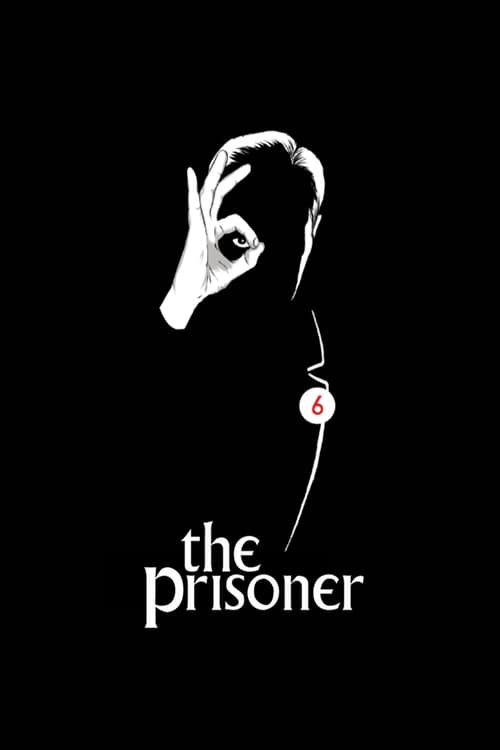
5. The Prisoner
Now, this one was a head-scratcher, in the best possible way. Patrick McGoohan, trapped in "The Village," constantly trying to escape, but never quite knowing who was in charge or why. It was mind-bending, allegorical, and utterly unique. Every episode was a puzzle, a philosophical debate wrapped in a spy thriller. They never truly explained it, and that was its genius.
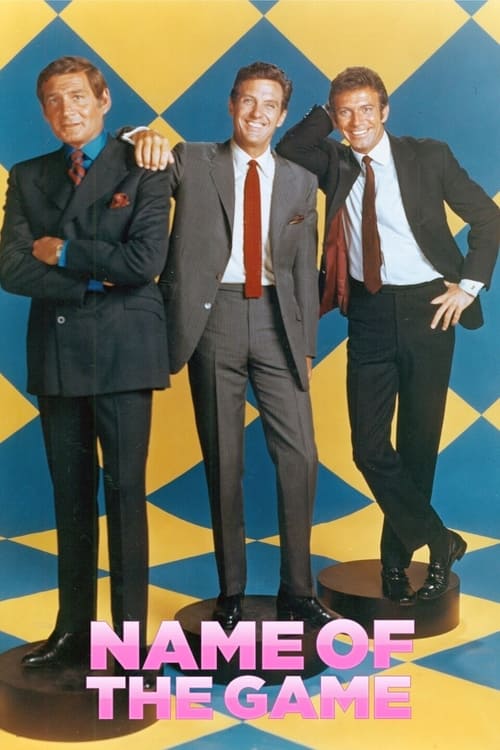
6. The Name of the Game
Remember those 90-minute rotating lead shows? This was one of the big ones. Anthony Franciosa, Robert Stack, and Gene Barry, each taking a turn as a magazine bigwig, tackling different cases. It was lavish, ambitious, almost like three distinct series under one umbrella. And because of the longer runtime, stories had room to breathe, feeling more like a mini-movie each week.
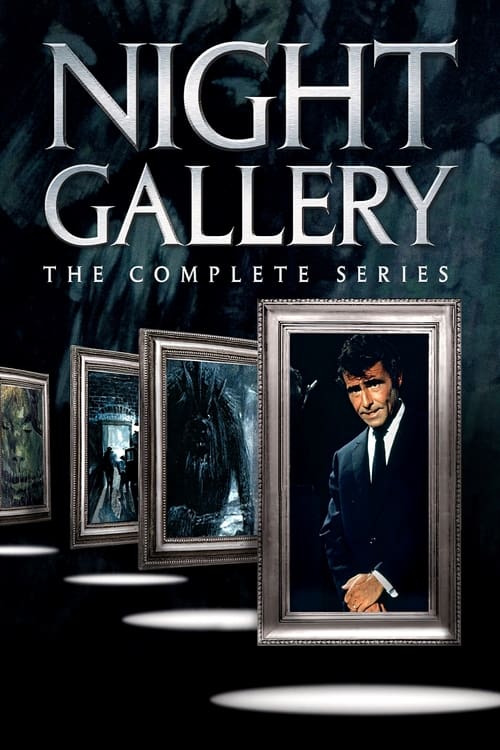
7. Night Gallery
Rod Serling again, but this time with a darker, more supernatural bent than his previous efforts. Each week, he’d introduce three macabre stories, often with a twist ending or a truly unsettling premise. It wasn't always top-tier, but when it hit, it really dug in. And the paintings introducing each segment added such a wonderfully eerie touch. Good stuff for a late-night fright.
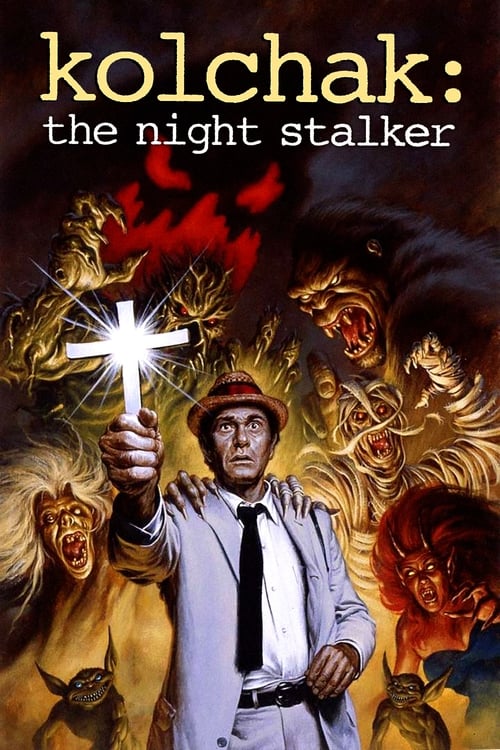
8. Kolchak: The Night Stalker
Darren McGavin as Carl Kolchak, the cynical reporter who kept stumbling onto vampires, werewolves, and all sorts of monstrous things. Nobody ever believed him, of course, which was half the fun. It was a procedural, but with a fantastic, unsettling twist, pre-dating so many modern monster-of-the-week shows. Gritty, a bit spooky, and genuinely ahead of its time.
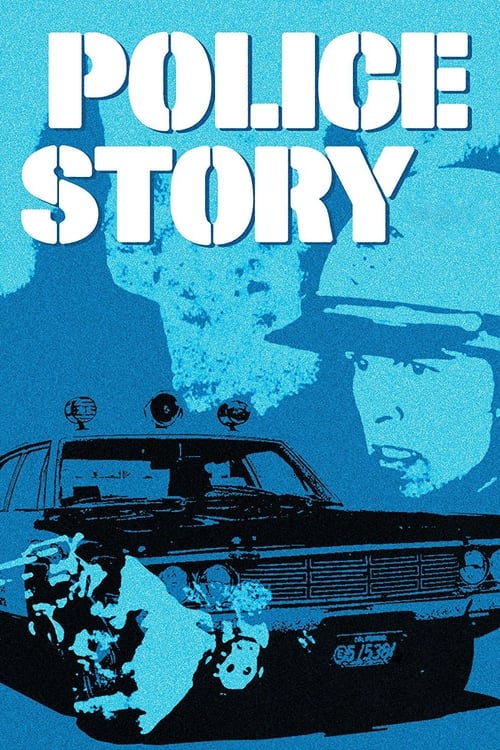
9. Police Story
This was groundbreaking. Instead of a single heroic cop, *Police Story* offered an anthology of different officers, different situations, with a raw, almost documentary realism. It pulled back the curtain on police work, showing the grind, the danger, and the moral ambiguities. It influenced every cop show that came after, proving TV could do more than just simple good-guy vs. bad-guy tales.
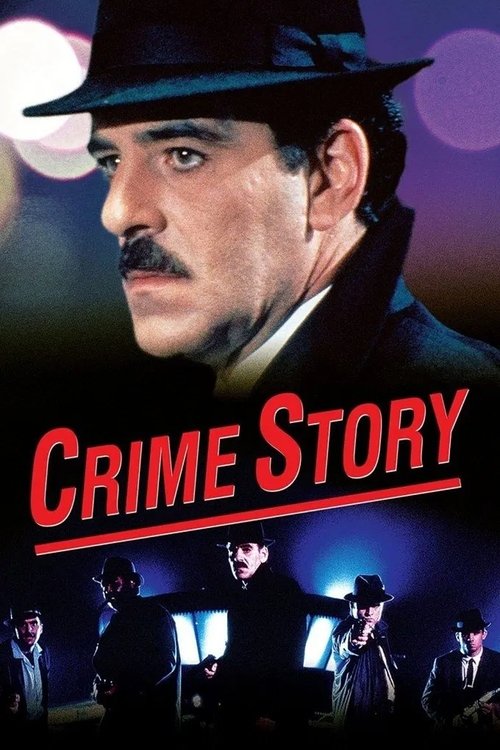
10. Crime Story
Michael Mann, fresh off *Miami Vice*, brought us this gritty, serialized look at a Chicago cop's obsession with a young mobster. It was stylish, almost cinematic, but with a relentless, unfolding narrative that was a rarity for network TV. Cliffhangers and long-form character arcs were the name of the game here. You had to tune in every week, or you'd miss a crucial beat.

11. Wiseguy
Another one that broke the mold for network drama. Ken Wahl played Vinnie Terranova, an undercover agent infiltrating organized crime. The genius was in its long story arcs, sometimes lasting an entire season, where Vinnie would deeply embed himself. It explored loyalty, betrayal, and the psychological toll of living a double life. Intense, complex, and utterly compelling week after week.