

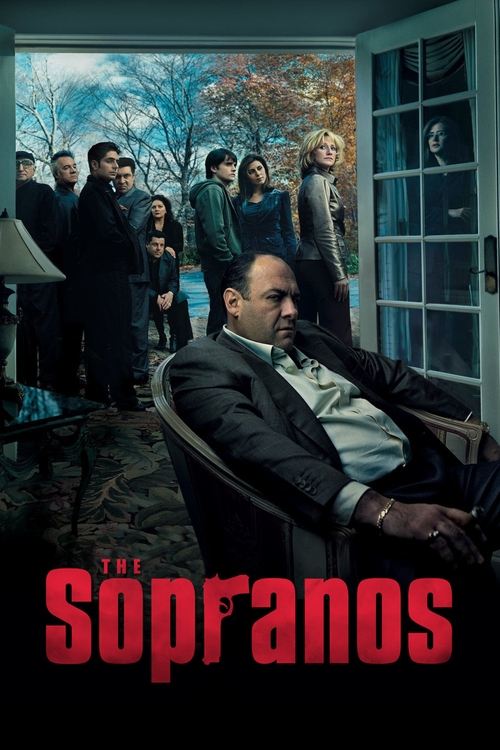
1. The Sopranos
Before Tony, nobody really saw television like this. HBO took the anti-hero concept and ran with it, delivering cinematic scope and psychological depth week after week. It wasn't just a mob show; it was a character study, a family drama, and a commentary on the American dream. This was appointment viewing that redefined what a TV series could be, setting the bar impossibly high for what followed.
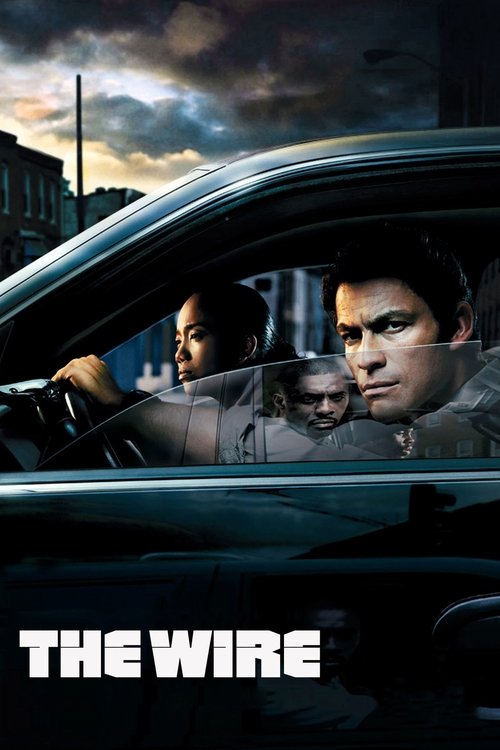
2. The Wire
Forget procedural, *The Wire* was an epic novel for the small screen, each season a deep dive into a different institution. It demanded your full attention, building its intricate world slowly, deliberately, with an ensemble cast that felt utterly lived-in. No easy heroes, no cartoon villains, just complex systems at play, meticulously rendered. This wasn't background noise; it was homework you were thrilled to do, revealing layers with every rewatch.
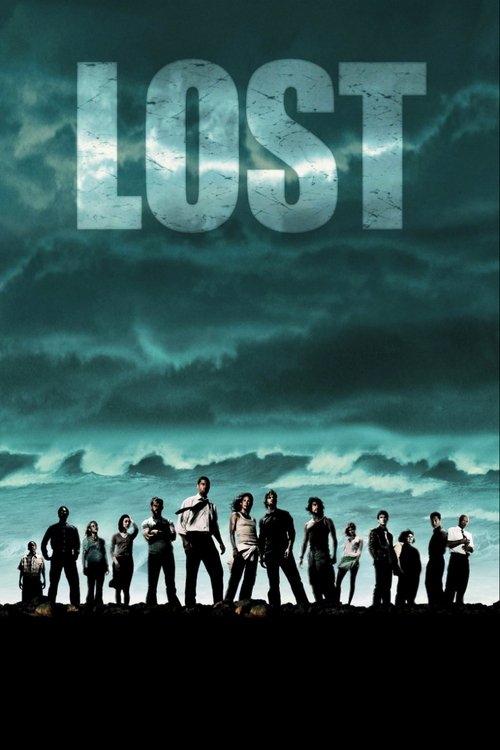
3. Lost
Love it or hate the ending, *Lost* was the ultimate water cooler show. The serialized mystery box structure, those jaw-dropping cliffhangers, the flashbacks—it was a masterclass in keeping you glued to the screen. Every episode felt like a mini-movie, pushing the boundaries of what network television could do visually and narratively. We all gathered to dissect theories before the internet truly exploded.
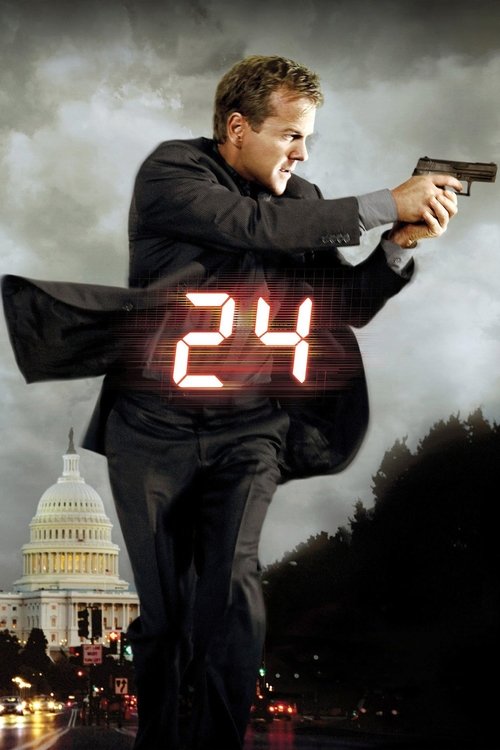
4. 24
Nobody had seen anything like *24*. The real-time conceit was a stroke of genius, creating an unbearable tension that made every commercial break feel like an eternity. Jack Bauer’s relentless pursuit of justice, often outside the rules, made for compulsive viewing. It was a high-octane thrill ride that proved serialized storytelling could work wonders even on network TV, keeping you on the edge of your seat for 24 straight hours.
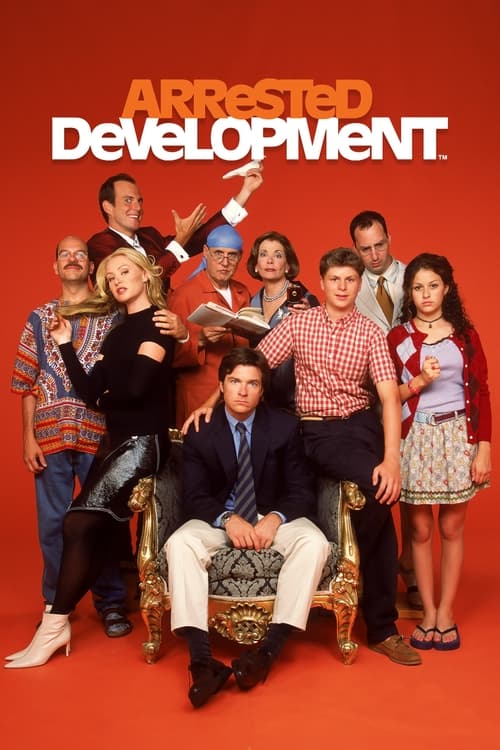
5. Arrested Development
Before the streaming era, *Arrested Development* was already built for rewatching. Its mockumentary style and densely layered jokes rewarded close attention, making it a cult favorite. Every throwaway line or visual gag paid off seasons later. It was smart, subversive comedy that broke the sitcom mold, proving that even network shows could be sophisticated and serial, if you were paying attention.

6. Six Feet Under
*Six Feet Under* was a masterclass in blending the mundane with the profound, starting every episode with a death. It explored family dynamics, grief, and the human condition with an unflinching honesty that was rare on television. HBO again pushed boundaries, offering a deeply emotional, character-driven narrative that felt more like a novel than a weekly series. It was heavy, but utterly compelling.
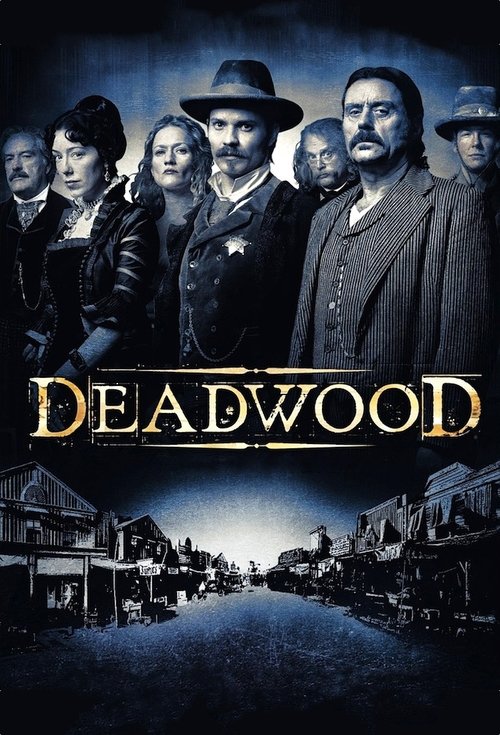
7. Deadwood
*Deadwood* proved the Western could be reinvented for the cable era. It wasn't about cowboys and Indians; it was Shakespeare in the mud. The dialogue was a character unto itself—filthy, poetic, and utterly distinctive. HBO delivered a raw, gritty, character-driven historical piece that felt incredibly authentic, showcasing how far television could go in terms of language and adult themes.
8. Oz
*Oz* was HBO's first hour-long drama and it hit like a punch to the gut. This wasn't your typical network procedural; it was a brutal, unflinching look at life inside a maximum-security prison. It pushed boundaries with its violence, sexuality, and moral ambiguity, paving the way for the risk-taking cable dramas that followed. An ensemble cast delivered powerhouse performances, making it appointment viewing despite its intensity.
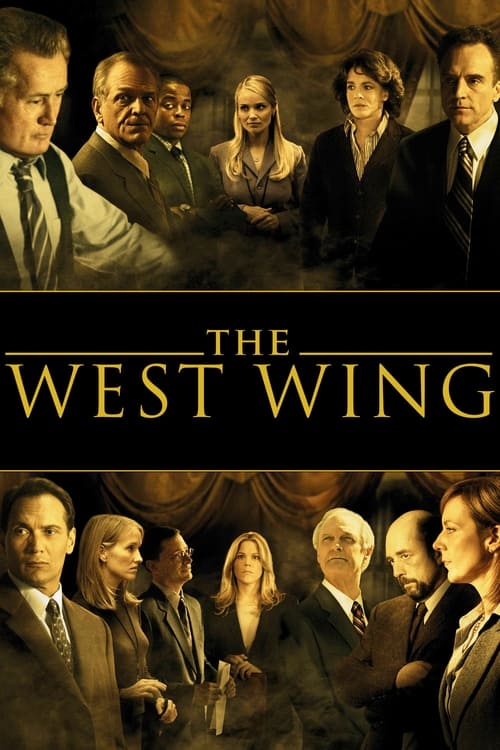
9. The West Wing
*The West Wing* made politics cool, intelligent, and aspirational. Aaron Sorkin’s rapid-fire, witty dialogue and signature walk-and-talks were addictive, pulling you into the inner workings of the White House. It showed that network TV could deliver sophisticated, serialized drama, making you feel smarter just by watching. It was a show that believed in idealism, and we believed in it too, every Wednesday night.