
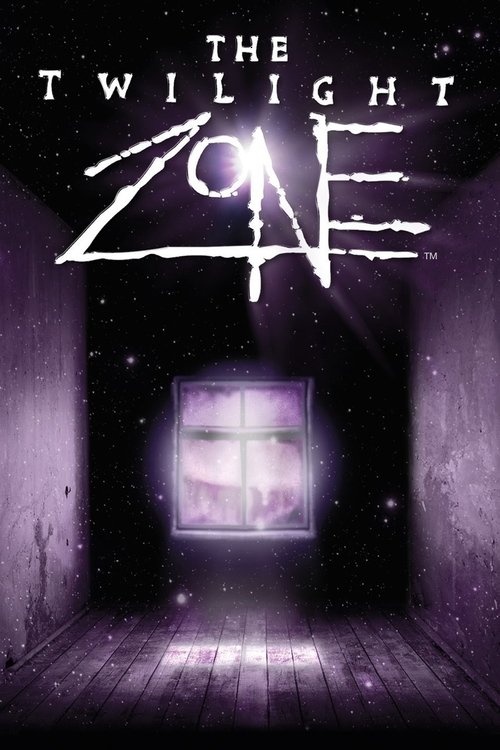
1. The Twilight Zone
Ah, Rod Serling. He understood that television, even in stark black and white, could show us more than just cowboys and cops. Every week was a new tale, a little fable or a chilling glimpse into human nature, often with a twist you just didn't see coming. It wasn't always comfortable, but it always made you think. And those episodes, they hold up, you know? A true masterclass in what a half-hour could deliver.
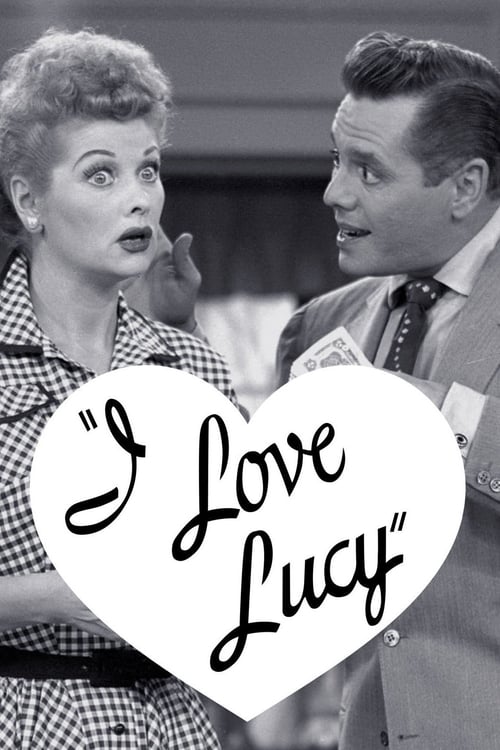
2. I Love Lucy
Well, Lucy and Desi, they practically invented the situation comedy as we knew it. That red hair, those antics, and Ricky’s exasperated "Luuucy!" You couldn't help but laugh. It was a simple premise, a wife always getting into trouble, but the chemistry was undeniable. And they filmed it before a live audience, which was a real innovation, making you feel like you were right there in the studio.
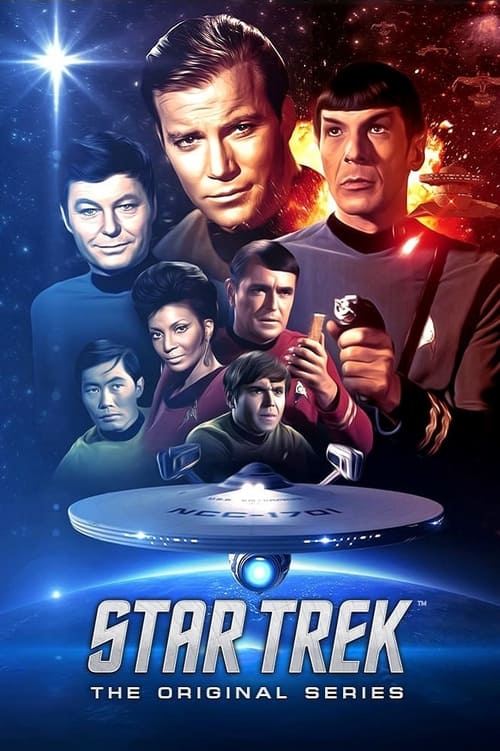
3. Star Trek
Gene Roddenberry really gave us something special with this one. A starship exploring strange new worlds, and a crew that looked like the whole world, not just one part of it. It was episodic, sure, but those stories, they often tackled big ideas disguised as space adventures. And the special effects, well, they were something else back then. It showed us that television could reach for the stars, literally.

4. The Fugitive
David Janssen as Dr. Richard Kimble, always on the run, always looking for that one-armed man. This was black-and-white melodrama at its peak. Every week, a new town, new characters, and a narrow escape. It kept you on the edge of your seat, a true nail-biter. And the final reveal, after all those years, that was an event. It proved television could sustain a long-form chase.

5. The Ed Sullivan Show
Really, there was nothing else like it. Sunday nights, you tuned in to Ed Sullivan, and you never knew what you'd see. Plate spinners, opera singers, comedians, and then, suddenly, The Beatles. It was a live broadcast, a grand showcase for talent from everywhere. A true variety hour that brought families together in front of the set. It defined Sunday evening programming for generations.

6. All in the Family
Archie Bunker, he wasn’t easy to love, but you couldn't ignore him. This show, it broke all the rules for sitcoms. It put uncomfortable conversations right there in your living room, week after week. And it was funny, yes, but it made you think, too. It proved that a sitcom could be more than just laughs; it could hold a mirror up to society, even if that mirror was a bit smudged.
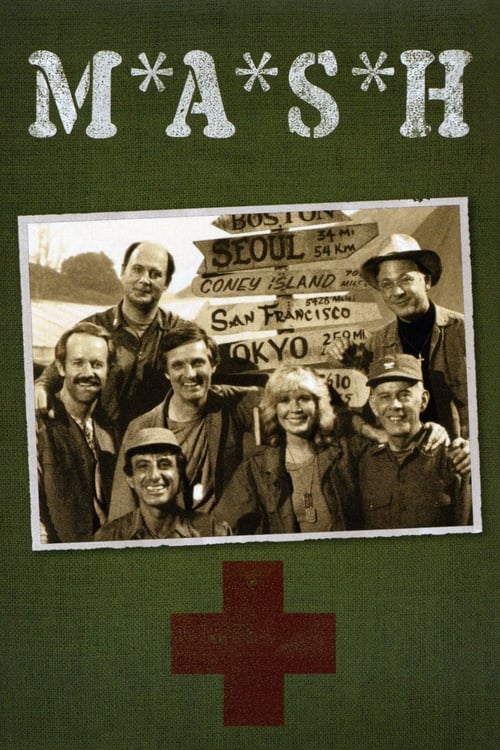
7. M*A*S*H
A comedy set during the Korean War? It sounded crazy, but it worked. This show perfectly blended humor and heartbreak, often in the same scene. Those characters, from Hawkeye to Radar, became like family over the years. It showed that even a laugh track couldn't hide the serious messages about war and humanity. And its finale, well, everyone watched that, didn't they?
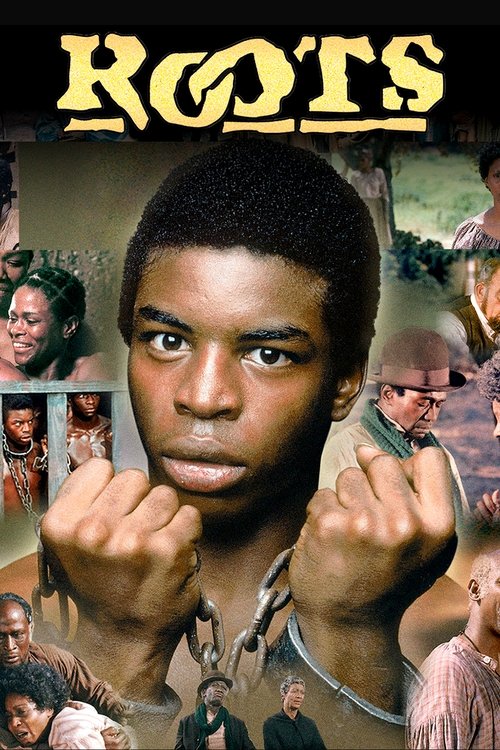
8. Roots
Now this, this was an event. A true American saga, told over eight nights. It wasn't just a television show; it was a cultural phenomenon. Everyone talked about it, everyone watched it. It showed what a long-form miniseries could achieve, connecting generations through a powerful, often painful, story. And it truly tuned our expectations for what television could teach us about history.
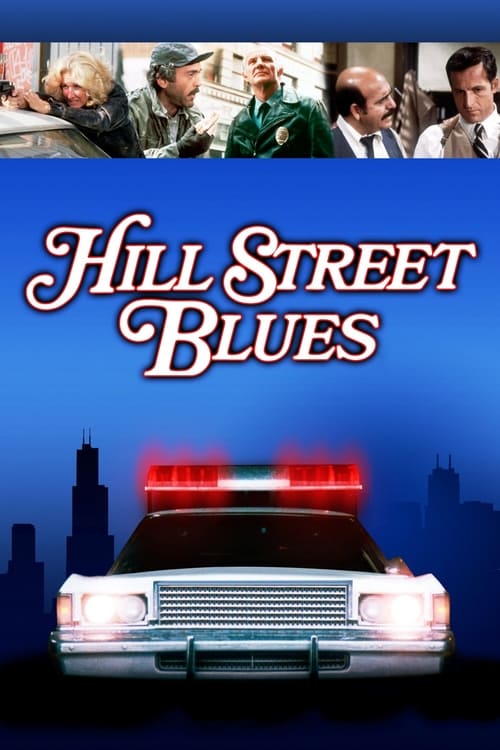
9. Hill Street Blues
"Let's be careful out there." Every episode started with that, and every episode plunged you into the messy, complicated world of a police precinct. It wasn't clean, it wasn't always pretty, and storylines carried over week to week. This was serialized drama before it was common, showing life on the beat with a grittiness that felt real. It changed cop shows forever, for the better.