
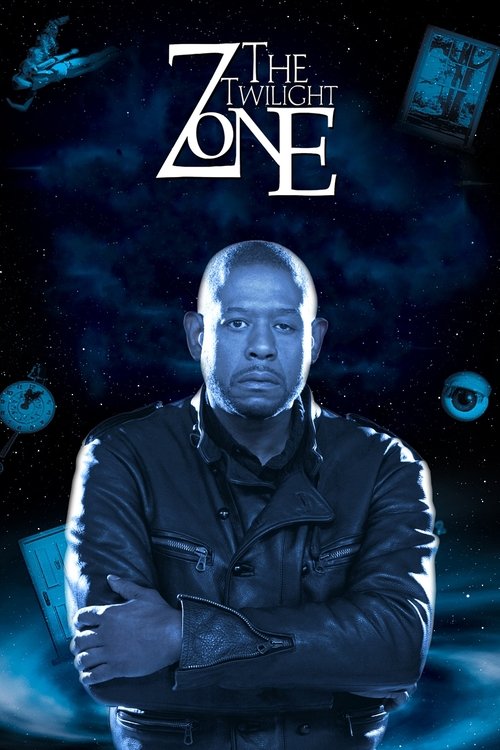
1. The Twilight Zone
Now, this was something. Rod Serling, he understood a good yarn. Each week, a new tale, often with a twist that left you thinking long after the credits rolled. Black and white, of course, which only added to the mood, lending a certain starkness to the moral quandaries. It wasn't about special effects, you see, but about the human condition, wrapped up in a tidy half-hour. A real masterclass in storytelling brevity.
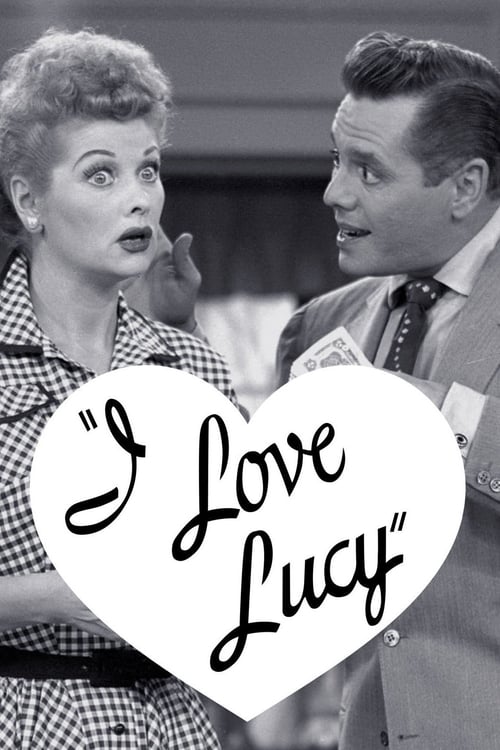
2. I Love Lucy
Well, bless her heart, Lucille Ball was a force. This program, it practically invented the modern sitcom. The live studio audience, the physical comedy, the domestic squabbles—it all felt so immediate, like you were right there in their living room. And Desi Arnaz, he was more than just a bandleader, you know. They built a whole empire on honest laughs and recognizable situations, week in and week out. Remarkable.

3. Dragnet
Joe Friday, he didn't mess around, did he? "Just the facts, ma'am." This was a procedural before the term was even commonplace. Black and white, stark, almost like a documentary at times, showing the nitty-gritty of police work. Each episode was a self-contained case, neatly tied up by the end, giving you a sense of order in a sometimes-disorderly world. It set a standard for straightforward, no-nonsense storytelling.
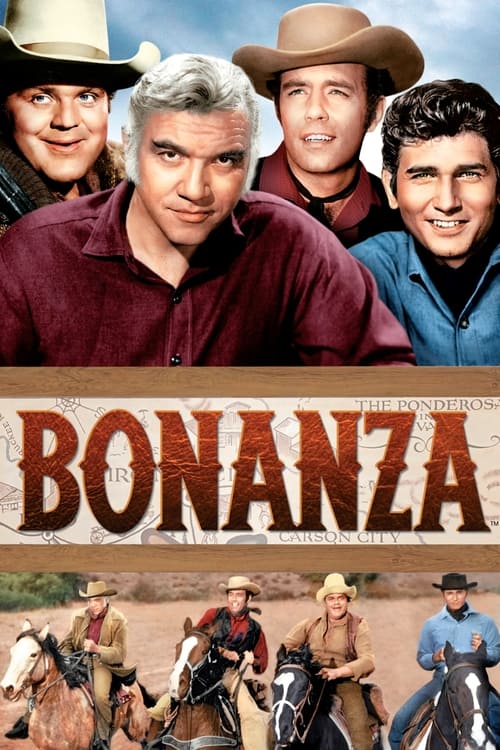
4. Bonanza
The Cartwrights, now there was a family. This show brought the Western right into your living room, in glorious color, no less, which was quite a thing back then. It wasn't just shoot-em-ups, though; it was about family values, land, and the challenges of the frontier. Each episode often focused on a different character, but the core—the Ponderosa, the father and his three sons—always held it together. Good, solid drama.

5. The Fugitive
Ah, Dr. Richard Kimble, forever running. This program, it was one of the first to really understand long-form continuity on television, building suspense over years. Every week, a new town, a new identity, and the constant threat of capture, all while searching for that one-armed man. It was pure, black-and-white melodrama, a relentless chase that kept you glued to the screen, hoping he'd finally clear his name. What a quest.

6. All in the Family
And then there was Archie Bunker. This show, it certainly stirred the pot, didn't it? A sitcom that dared to tackle real issues, right there in the living room, with characters who weren't always agreeable. It sparked conversations, and that was its genius. The dialogue was sharp, the situations uncomfortable, but it was honest. It showed that even with deeply flawed characters, you could still find plenty of humor and truth.
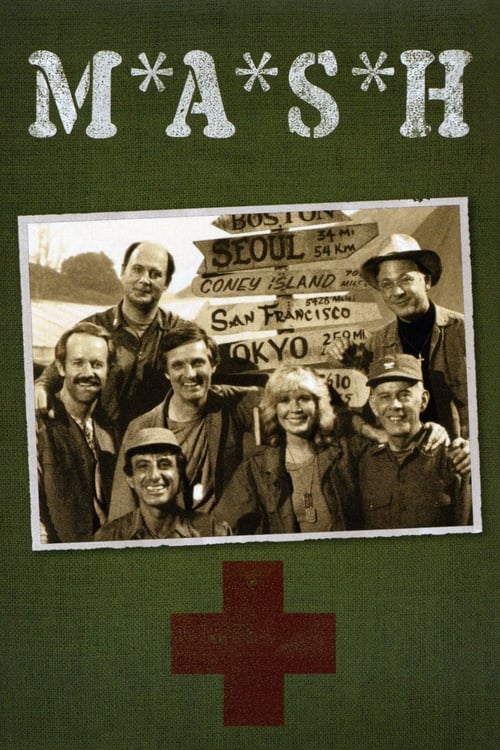
7. M*A*S*H
Now, *M*A*S*H*. It started as a comedy, you see, but it grew into something much more profound. Set in a war zone, it found humor in the direst circumstances, but it never shied away from the drama. The characters evolved, their relationships deepened, and it wasn't always a happy ending. It was a masterclass in blending genres, showing the true cost of conflict through wit and genuine emotion. A truly remarkable achievement.
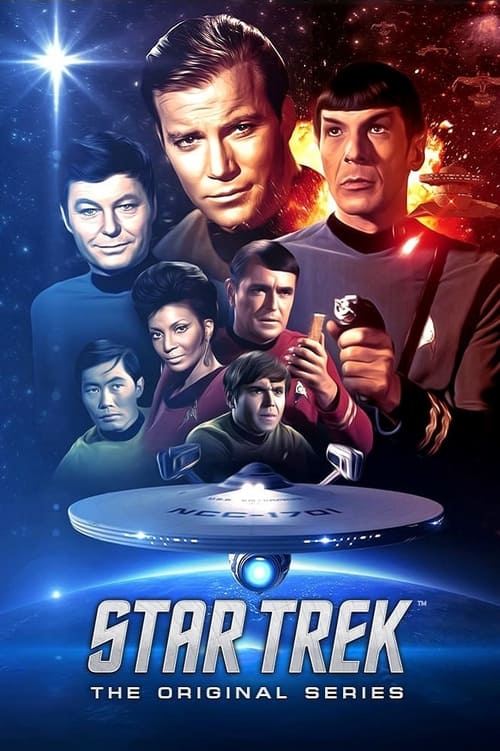
8. Star Trek
To boldly go, indeed. *Star Trek* offered a window into the future, a hopeful one at that. Each week, the Enterprise would visit a new planet, encounter a new alien, and often face a moral dilemma that mirrored issues right here on Earth. It was episodic, sure, but the ongoing relationships between Kirk, Spock, and McCoy gave it a continuous thread. It stretched the imagination and showed what television could really achieve.
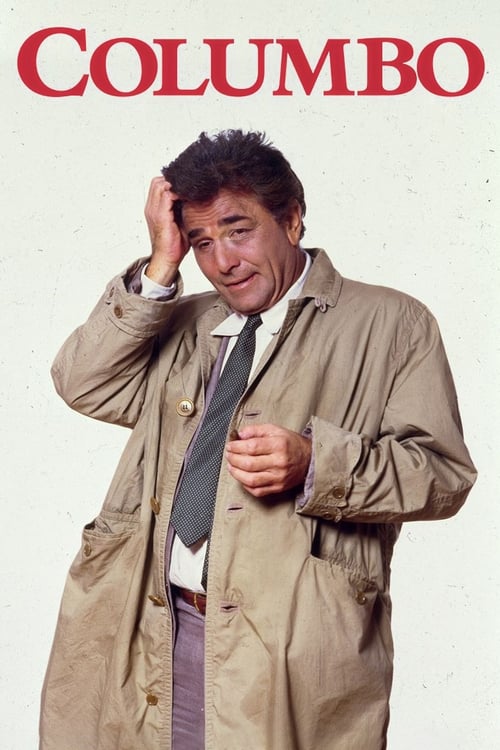
9. Columbo
Peter Falk, as Lieutenant Columbo, was a revelation. You always knew who the killer was from the start, you see, but the fun was watching Columbo, with his rumpled coat and "just one more thing," slowly unravel their perfect crime. It was a character study as much as a mystery, with Columbo's unassuming demeanor hiding a truly sharp mind. Long-form episodes, often movie-length, allowed for a meticulous, satisfying unraveling.