1. Gunsmoke
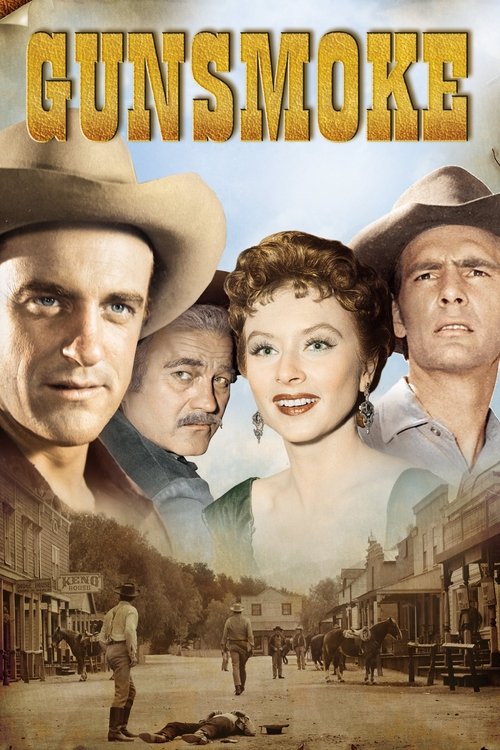
Well, folks, Marshal Dillon and that Dodge City crew certainly held the fort for a good long stretch. Started out in stark black-and-white, a real gritty look at the frontier, then eased into color without missing a beat. It wasn't just shoot-em-ups; it was about human dilemmas, the tough choices folks made in a raw land. And it proved that audiences had an appetite for a weekly drama that truly felt lived-in, not just visited.

2. The Ed Sullivan Show
Now, Ed Sullivan, he was a Sunday night institution, wasn't he? You never knew who'd show up – a plate spinner, a rock-and-roll sensation, maybe even a foreign comedian. It was live, often a little stiff, but always a grand spectacle. He brought the whole world into your living room every week, a true variety show that captured what "event television" meant before we even had the phrase. A real piece of history, that one.
3. M*A*S*H
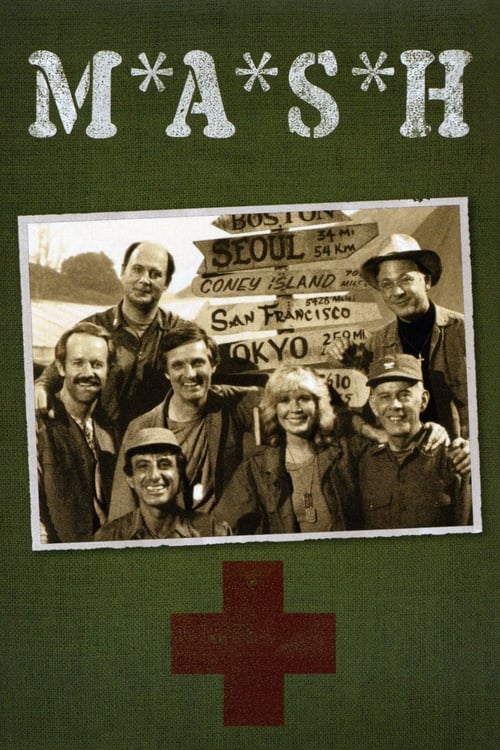
M*A*S*H, now that was something else. Started out as a wild, irreverent look at war, but it quickly found its heart, didn't it? Blended the laughs with the tears, a real tightrope walk. You felt for those doctors and nurses stuck in Korea, trying to make sense of it all. And that finale, folks, everyone watched that. It showed you could tell serious stories, even in a half-hour comedy format. A real triumph.
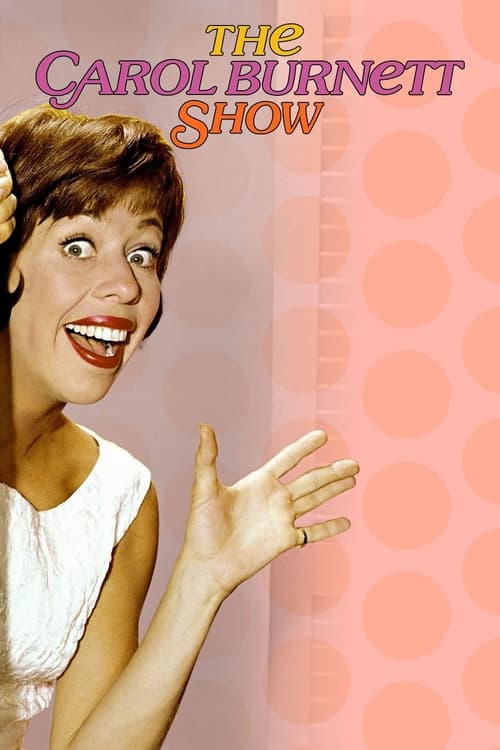
4. The Carol Burnett Show
Carol Burnett, bless her heart, she was pure gold. Every Saturday night, you knew you were in for some genuine belly laughs. Her sketch comedy, the broad characters, the way she'd break character and just let it all hang out – that was television magic. And she always had a song to close it out. It was classic variety, but with a warmth and sincerity that made you feel like part of the family. A true comedic genius.
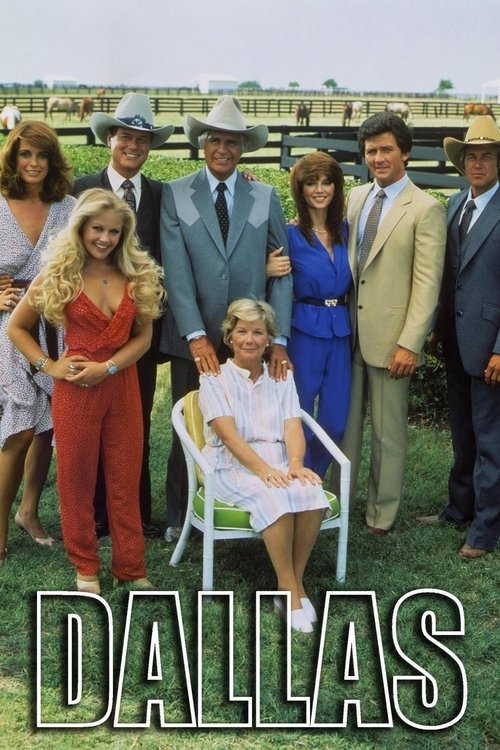
5. Dallas
Now, 'Dallas' – talk about long-form continuity! That show grabbed hold of America and didn't let go. All those wealthy Texans, the backstabbing, the big hair, and those notorious cliffhangers, especially the 'Who shot J.R.?' debacle. It proved that audiences would follow complex, serialized stories week after week, demanding answers. It was pure melodrama, often ridiculous, but utterly captivating, a real water cooler show for its time.
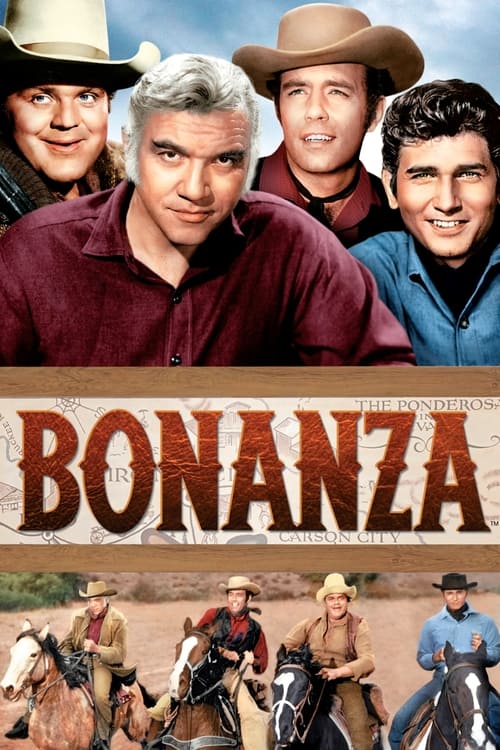
6. Bonanza
Bonanza, the Ponderosa, the Cartwrights – that was a staple for many years. It was one of the first big hits broadcast entirely in color, which was quite the spectacle back then. A western, yes, but often a family drama at its core, with Ben and his boys dealing with everything from land disputes to personal heartbreak. It brought the sweeping landscapes of the West right into your living room, big and bold.
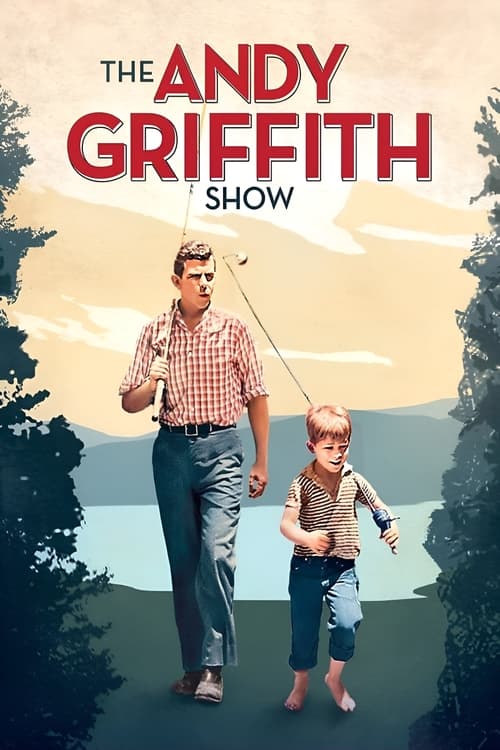
7. The Andy Griffith Show
Andy Griffith, down in Mayberry, that was a slice of Americana, wasn't it? A gentle, good-hearted sitcom that relied on character rather than slapstick. Andy, Barney, Opie, Aunt Bee – they felt like folks you knew. It showed you could tell funny, meaningful stories without a lot of fuss or big city lights. Just good people, simple dilemmas, and a whole lot of heart. A real comfort, week after week.
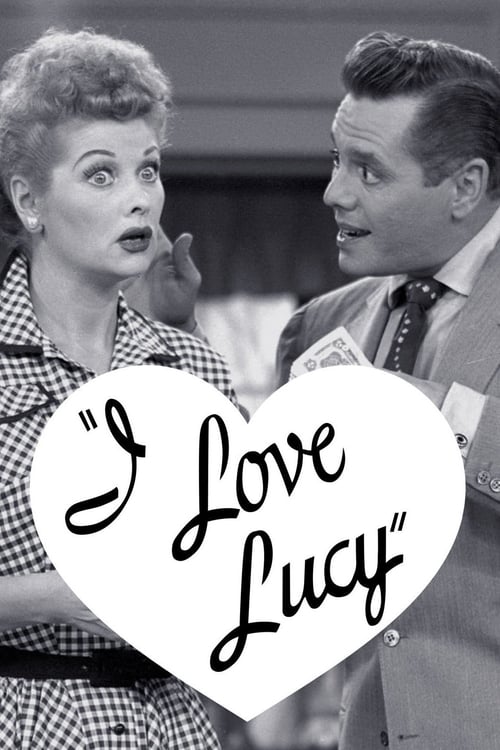
8. I Love Lucy
Lucy, now there was a firecracker! 'I Love Lucy' practically invented the modern sitcom. Desi Arnaz was a genius with the multi-camera setup and filming before a live studio audience, a technique still used today. Lucille Ball's physical comedy was unparalleled, and the chemistry with Desi was undeniable. Even in black-and-white, their antics were vibrant, setting the standard for comedic timing and character-driven hilarity for decades to come.
9. The Twilight Zone
Rod Serling's 'The Twilight Zone' was something else entirely. Every week, a new story, a new set of characters, often with a twist that left you thinking. It used science fiction and fantasy not just for thrills, but to explore deeper human questions and moral quandaries. Even in its stark black-and-white, it created an atmosphere, a mood, that was unlike anything else on television. A true masterclass in anthology storytelling.

10. General Hospital 2
Now, 'General Hospital,' that's a commitment! For generations, folks tuned in daily to see what calamities and romances would befall the residents of Port Charles. It’s the very definition of long-form continuity, with plots weaving and unweaving over years. Love triangles, amnesia, dastardly villains – it had all the black-and-white melodrama, even when it went to color. A true testament to the power of ongoing serialized storytelling.