

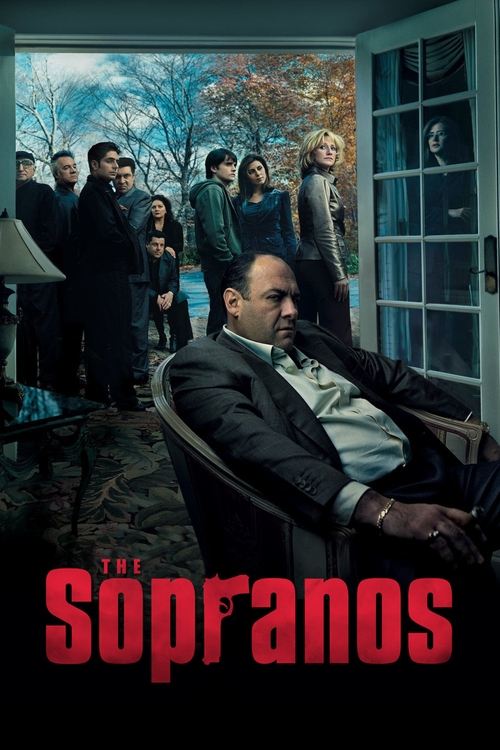
1. The Sopranos
Before Tony Soprano, TV drama often felt like a watered-down movie. HBO gave us this, a nuanced, brutal look at a mob boss navigating therapy and family. It wasn't just a weekly story; it was a sprawling, character-driven saga that demanded your full attention, pushing boundaries with its raw honesty and cinematic scope. This was where premium cable truly started proving its worth, showing network television how to evolve its storytelling.
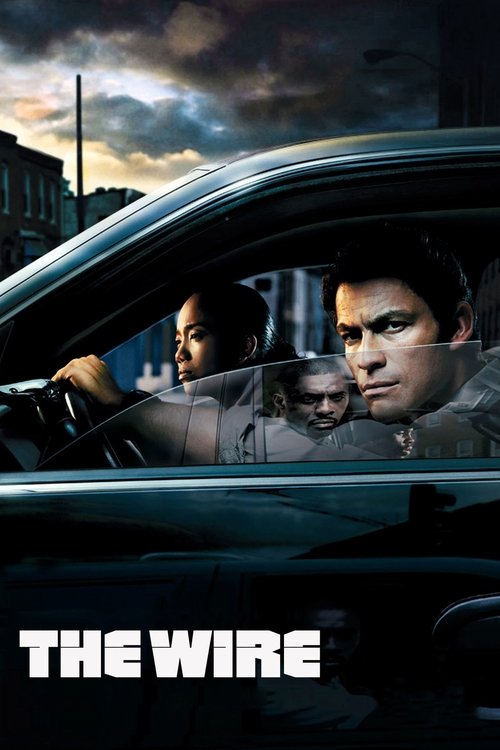
2. The Wire
"The Wire" wasn't just a cop show; it was a detailed, unflinching examination of an entire city, from the streets to the institutions. Its ensemble cast was massive, each storyline intricately woven into a larger, serialized narrative that felt more like a novel than a weekly procedural. It challenged viewers to pay attention, refusing to simplify complex social issues. This was television as serious art, no easy answers.
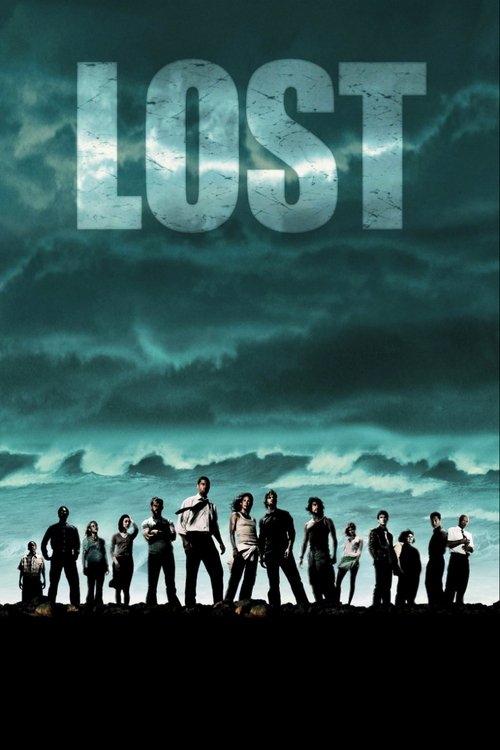
3. Lost
"Lost" was the ultimate watercooler show of its era, dropping us onto an island with more questions than answers. Its serialized mystery hooked millions, making you *have* to tune in or risk falling behind. The show’s complex mythology and character flashbacks kept online forums buzzing, laying groundwork for appointment viewing, even as early DVRs and nascent online platforms started letting folks catch up. It proved deep serialization worked.
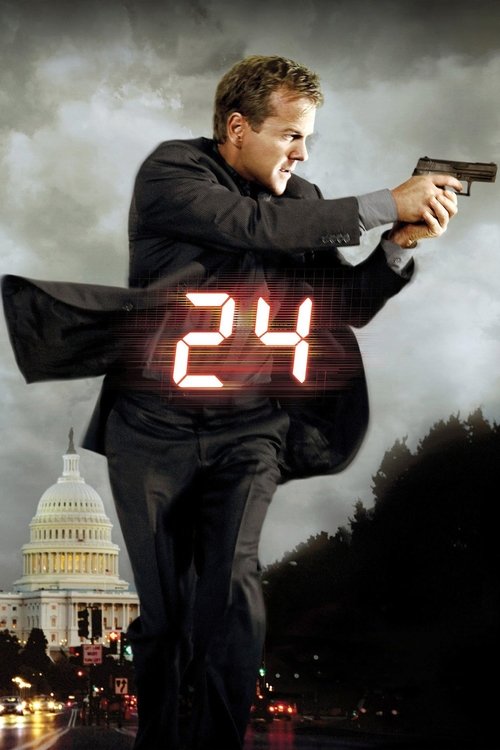
4. 24
"24" wasn't just serialized; it was *real-time*. That ticking clock kept you on the edge of your seat, making every episode feel urgent and necessary. It was a procedural, sure, but the continuous narrative meant you couldn't miss a beat. This high-stakes, adrenaline-fueled format pushed the envelope for network TV, proving that intense, serialized storytelling could thrive outside of cable and capture a massive audience.

5. ER
"ER" brought a level of cinematic urgency to network television that hadn't been seen before. Its fast-paced, multi-camera style, long takes, and ensemble cast made the hospital feel chaotic and real. It was a procedural, but with character arcs spanning seasons, you invested deeply in their lives. This show demonstrated how visual flair and a deep bench of talent could elevate a genre and keep audiences glued to the screen.
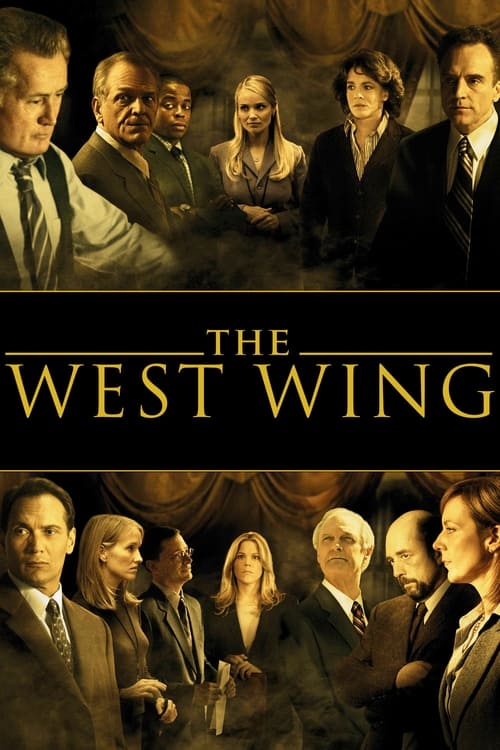
6. The West Wing
"The West Wing" elevated political drama to an art form, showcasing rapid-fire dialogue and intricate character development within the halls of power. It wasn't just about policy; it was about the people shaping it, presented with an aspirational idealism. This ensemble drama proved network TV could deliver sophisticated, serialized storytelling with cinematic polish, making audiences care deeply about the inner workings of government. It redefined primetime prestige.
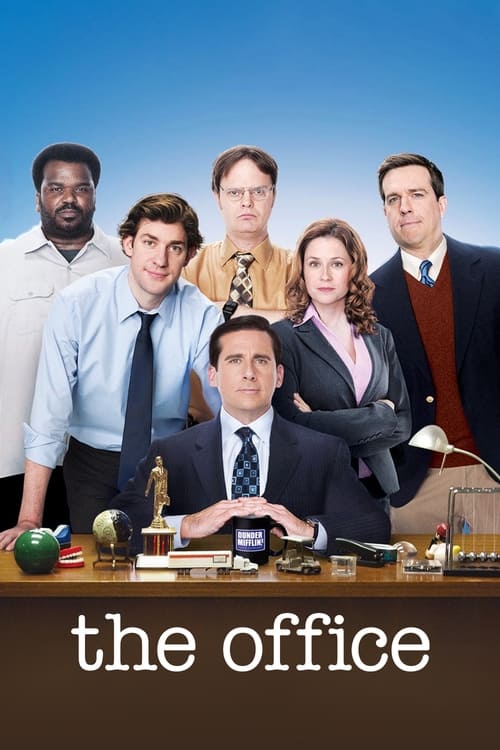
7. The Office
The American "Office" didn't just adapt a British hit; it perfected the mockumentary format for a broader audience. Its cringe-worthy humor and deeply human characters made us feel like we were right there in Dunder Mifflin. This show proved that serialized comedy, built on an ensemble cast and subtle emotional arcs, could be just as compelling as drama, blurring lines between reality and fiction for massive laughs.
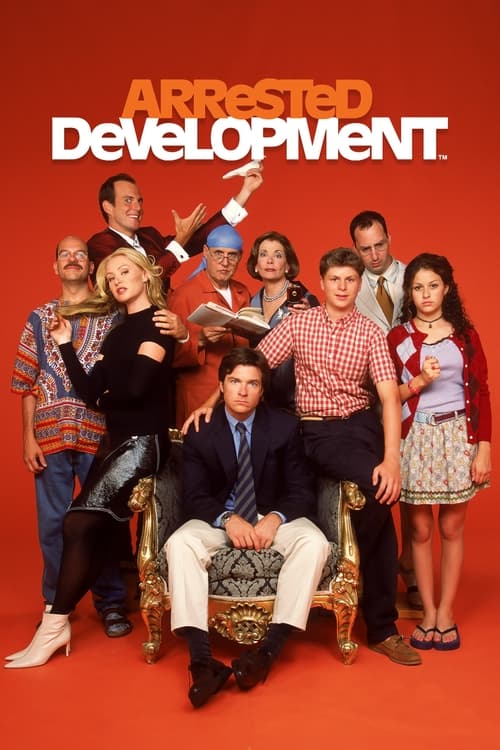
8. Arrested Development
"Arrested Development" was ahead of its time, a dense, layered comedy packed with callbacks and running gags that practically demanded rewatching. Its mockumentary style and ensemble cast delivered humor on multiple levels. It struggled on network TV, but its cult following thrived thanks to DVD box sets and early on-demand platforms, proving that complex, serialized comedies could find their audience outside traditional broadcast schedules.