
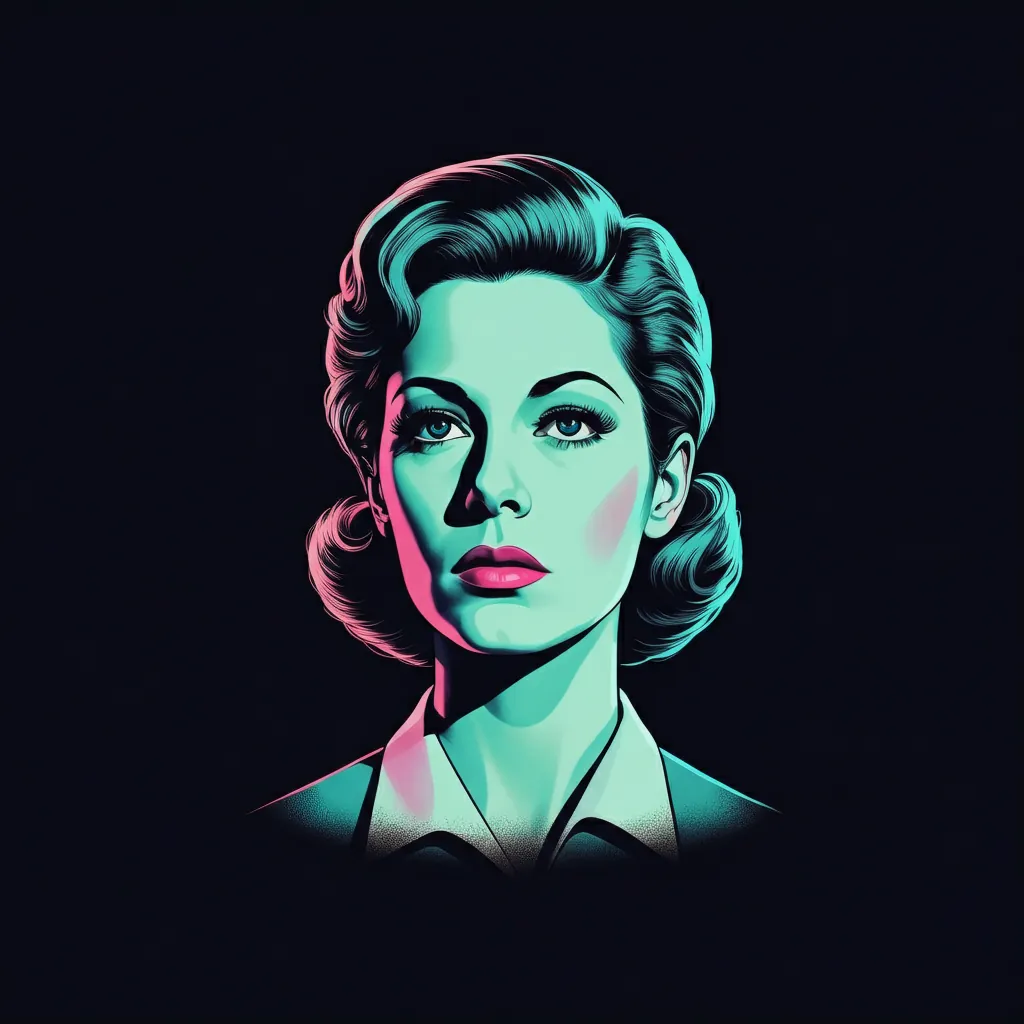

1. Naked City
This was prime black-and-white television, wasn't it? Every week, a new story, but always with that gritty, almost documentary feel of New York. And the camera work, it wasn't afraid to get in close, showing you the real streets, the real faces. The drama felt earned, not manufactured, as if they just pointed a lens at life itself. A true anthology, and always ending with that iconic line, "There are eight million stories in the naked city. This has been one of them."
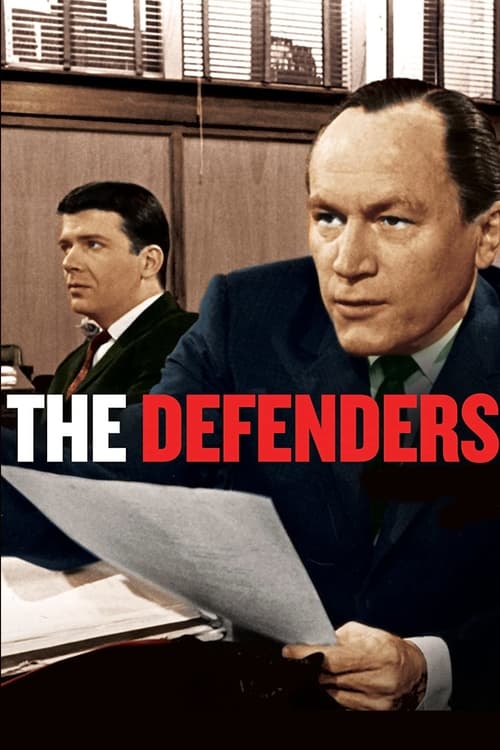
2. The Defenders
Now here was a program that didn't shy away from the hard questions. A father-and-son legal team, yes, but they wrestled with moral dilemmas that you just didn't see on the tube much then. Capital punishment, abortion, civil rights – they tackled them all, and with a seriousness that demanded your attention. It wasn't always comfortable viewing, but it was important. And it showed you what drama could truly be.
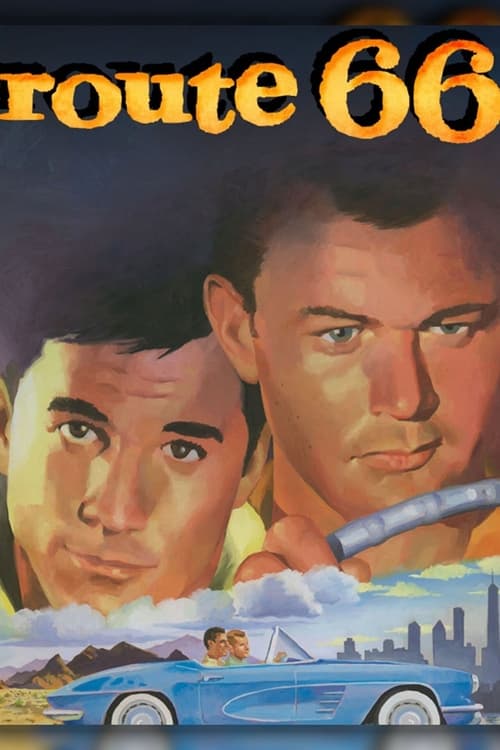
3. Route 66
Two young men, a Corvette, and the open road. Sounded simple, but each week they'd roll into a new town and find themselves tangled in some human drama. The real draw, though, wasn't just the stories; it was seeing America, shot on location. Not a soundstage in sight! It had a wandering spirit, and sometimes the plots felt a bit like an excuse for the travelogue, but the performances often cut through.
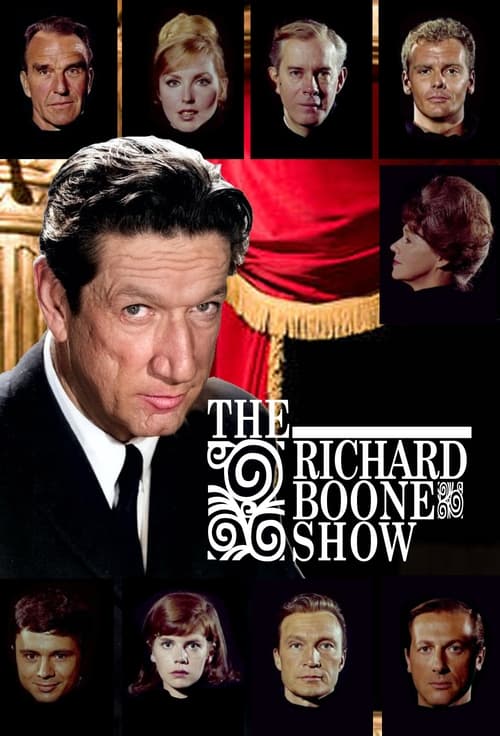
4. The Richard Boone Show
An anthology series with a repertory company of actors, led by the formidable Mr. Boone himself. Each week, a different play, different roles for the same familiar faces. This was television trying to be theater, and often succeeding. You saw the same actors stretch their range, diving into comedy one week, stark drama the next. It was an ambitious undertaking, a real showcase for talent, and a welcome break from the usual episodic grind.
5. Slattery's People
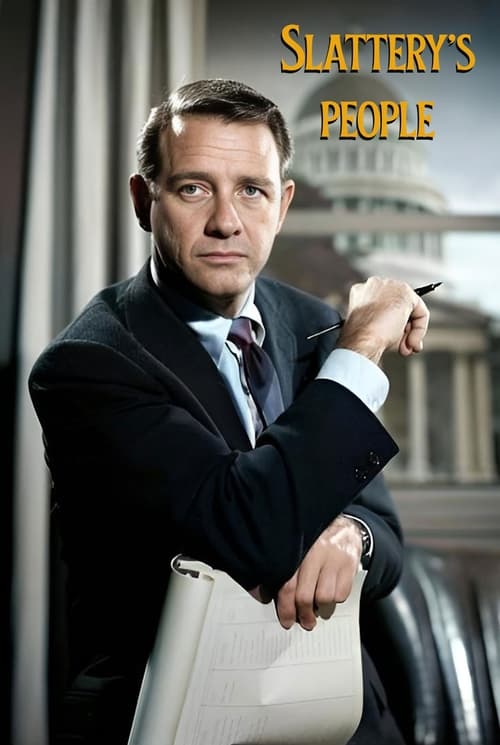
Politics, but not the back-slapping kind you usually saw. This was about a state legislator, James Slattery, who genuinely tried to do good in a world full of compromise. It was a serious, thoughtful show, much like "The Defenders" in its willingness to explore complex issues. The dialogue was sharp, and the conflicts felt real, not just manufactured for the hour. It made you think, and that was a rare thing for prime time.
6. Rich Man, Poor Man
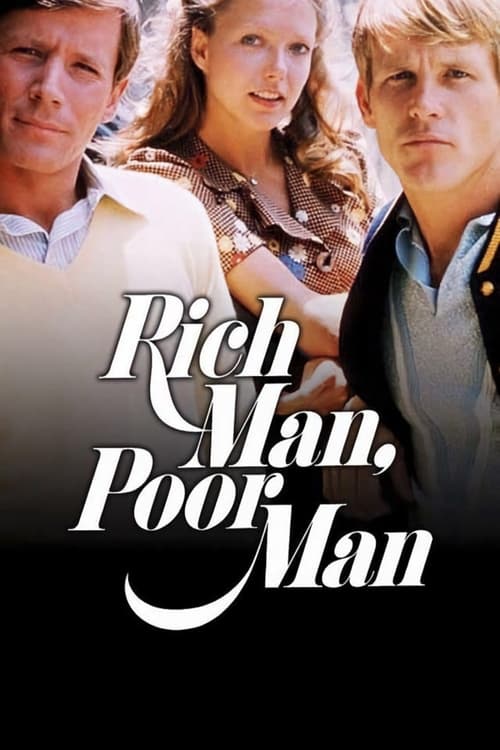
Ah, the miniseries. This really was something new, a long-form story that stretched over weeks, adapted from a fat novel. You followed the Jordache brothers through decades of their lives, their triumphs and tragedies. It proved that audiences would commit to a serialized drama, and it had everyone talking around the water cooler. A real event in television, and it cemented the miniseries as a force.
7. Family
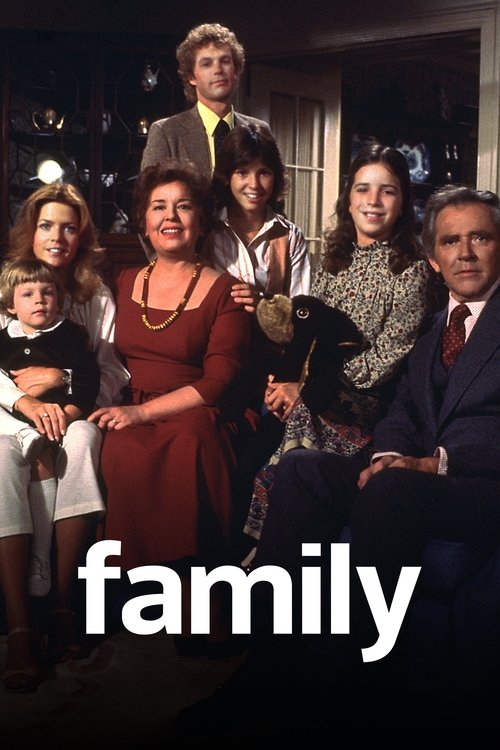
This was about the everyday lives of the Lawrence family, and for once, it didn't shy away from the hard stuff. Divorce, illness, teenage angst – it was all there, played out with an honesty that felt quite revolutionary for the time. It wasn't flashy, but it was deeply felt. And it showed that domestic drama could be just as compelling, if not more so, than cops and robbers. A real touchstone for many.
8. Then Came Bronson
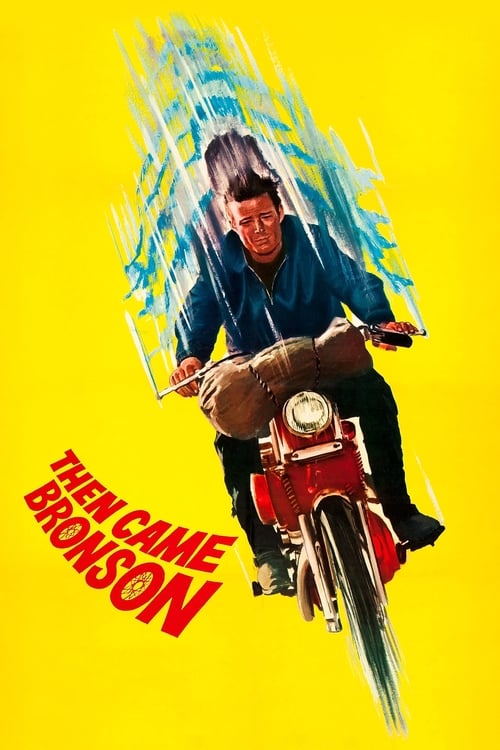
A man, a Harley-Davidson, and a search for meaning after a friend's suicide. Michael Parks as Jim Bronson, drifting across America, encountering different lives, different problems. It had a quiet, introspective quality, not unlike "Route 66" but with a heavier existential weight. The theme song was memorable, and the whole premise felt like a reaction to the turbulent times. A bit melancholic, but often poignant.
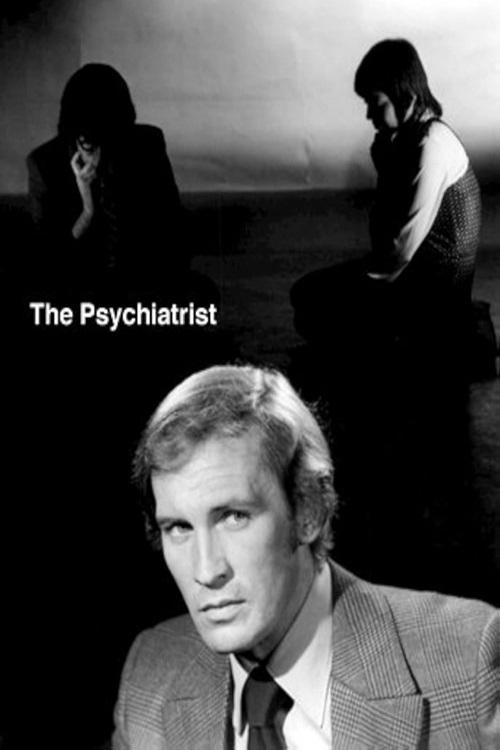
9. The Psychiatrist
Well, this was part of "The New Doctors" wheel, but the Dr. Whitman segments really stood out. Roy Thinnes played the titular psychiatrist, delving into the minds of his patients. It was a different kind of drama, more about internal conflict and psychological exploration than external action. Not always easy to follow, but it showed television trying to be more sophisticated, more adult in its approach to human problems.