

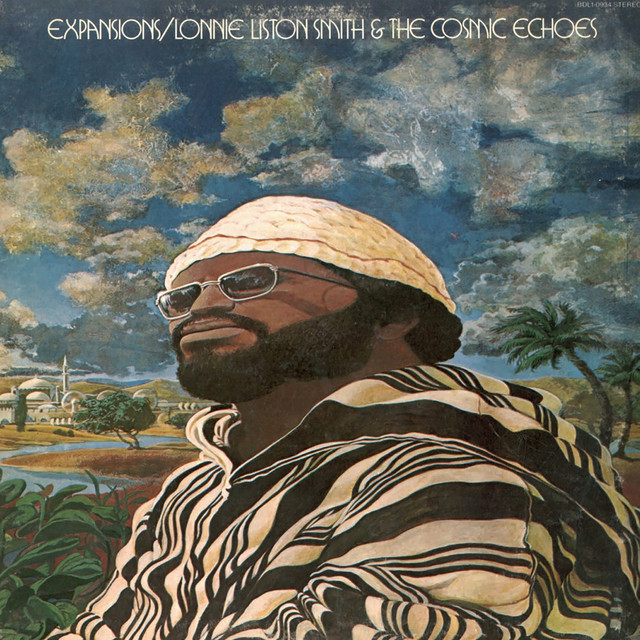
1. Expansions
Lonnie Liston Smith's 1975 opus, "Expansions," remains a cornerstone of spiritual jazz-fusion. Its atmospheric washes of Fender Rhodes and soaring synthesizers craft a truly transportive experience, guiding the listener through cosmic consciousness. The grooves, deep and unhurried, pulse with an organic vitality, showcasing a band at the peak of its telepathic interplay. This is analog warmth personified, a vibrant pre-digital soundscape that feels both ancient and utterly forward-thinking for its era.
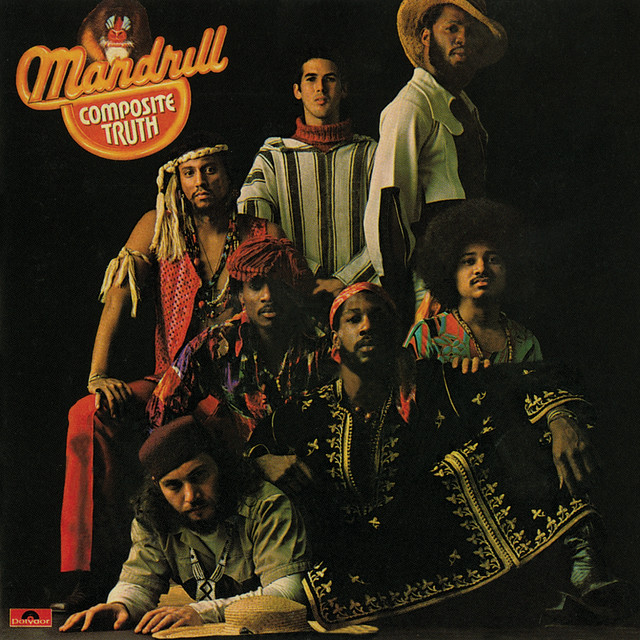
2. Composite Truth
Pieces of a Dream’s 1980 debut, "Composite Truth," showcases youthful exuberance meeting sophisticated jazz-funk. Led by then-teenagers James Lloyd and Curtis Harmon, the album marries nimble improvisations with undeniably infectious grooves. It's that sweet spot where jazz chops aren't afraid to embrace the dancefloor, hinting at the smooth R&B textures that would dominate the decade. And yet, the organic instrumentation maintains a vibrant, pre-programmed feel often lost later.

3. Deceit
This Heat’s 1981 "Deceit" is a chilling testament to post-punk's confrontational edge. Its stark, minimalist arrangements and often dissonant textures create a palpable sense of unease, reflecting the Cold War anxieties of its time. The rhythmic complexity, often fractured and insistent, feels both primal and highly intellectual. This isn't easy listening; it’s a necessary, unsettling exploration of sonic boundaries, raw and unpolished, a blueprint for later industrial excursions.
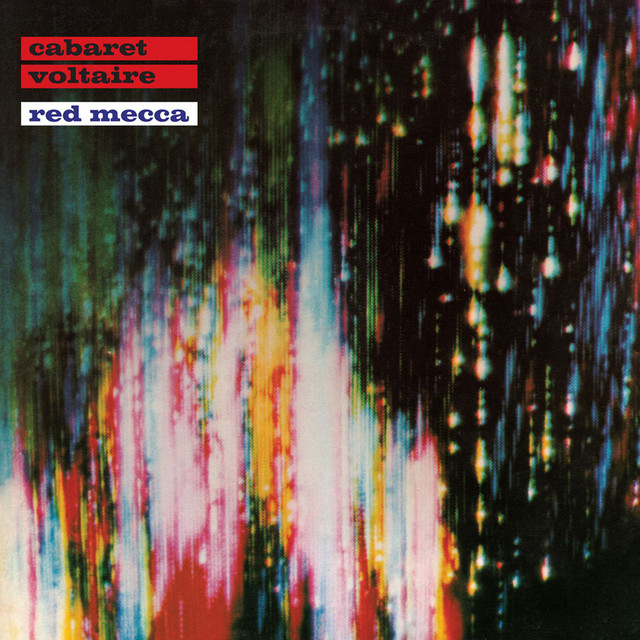
4. Red Mecca
Cabaret Voltaire's 1981 "Red Mecca" is a bleak, uncompromising dive into industrial soundscapes. Built from tape loops, processed sounds, and often distorted vocals, it conjures an oppressive, dystopian atmosphere. The rhythms are mechanical, unsettling, laying groundwork for early techno's more abstract forms. It's a testament to the power of the studio as an instrument, manipulating raw audio into a truly disquieting, yet compelling, sonic statement, far removed from any conventional pop sensibility.
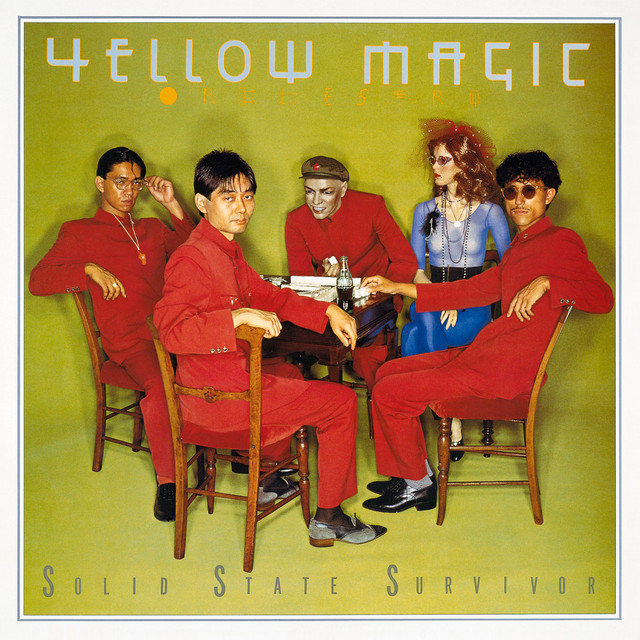
5. Solid State Survivor
Yellow Magic Orchestra’s 1979 "Solid State Survivor" is a groundbreaking blueprint for synth-pop and early techno. Its pristine, almost clinical, electronic textures are softened by undeniably catchy melodies and playful arrangements. The album showcases incredible mastery of analog synthesizers, crafting a futuristic sound that still feels remarkably fresh. It’s a seminal work, bridging the gap between Kraftwerk's mechanical precision and the burgeoning pop sensibilities of the new wave, all with a distinct Japanese flair.
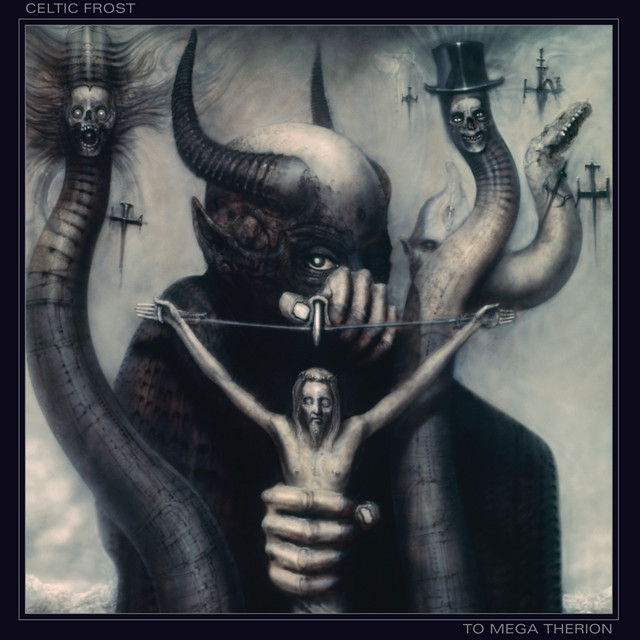
6. To Mega Therion
Celtic Frost's 1985 "To Mega Therion" is a monstrous slab of pioneering extreme metal. Its raw, crushing riffs and Tom G. Warrior's guttural pronouncements established a new benchmark for brutality. Yet, amid the sonic assault, there’s an unsettling, almost theatrical grandeur, often incorporating orchestral elements that were entirely unexpected. It's a dark, primal force, pushing against metal's conventional boundaries, a true testament to pre-digital aggression and grim aesthetic.
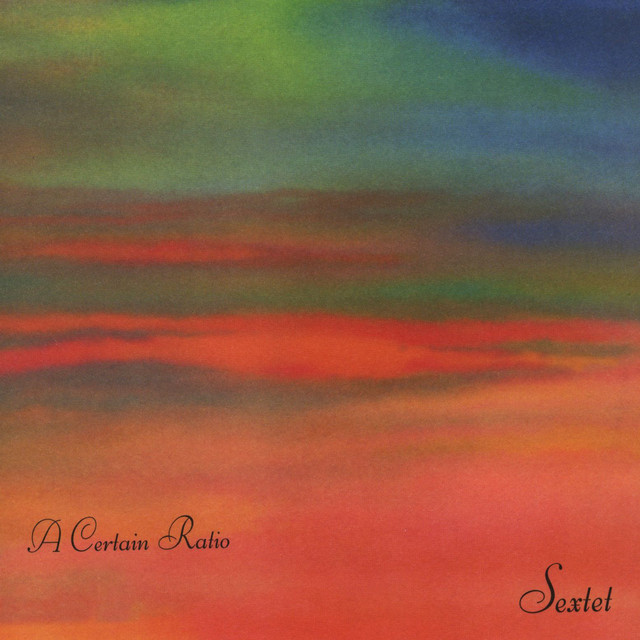
7. Sextet
Herbie Hancock’s 1973 "Sextant" is a challenging, visionary peak of jazz-fusion's most experimental fringes. Deeply immersed in electronic textures, particularly the ARP 2600 and Mellotron, it forges alien soundscapes that often feel more like sonic explorations than conventional songs. The rhythms are complex, shifting, almost abstract, creating a hypnotic, sometimes disorienting, atmosphere. It's an audacious, pre-digital journey into the unknown, influencing ambient and electronic music for decades.
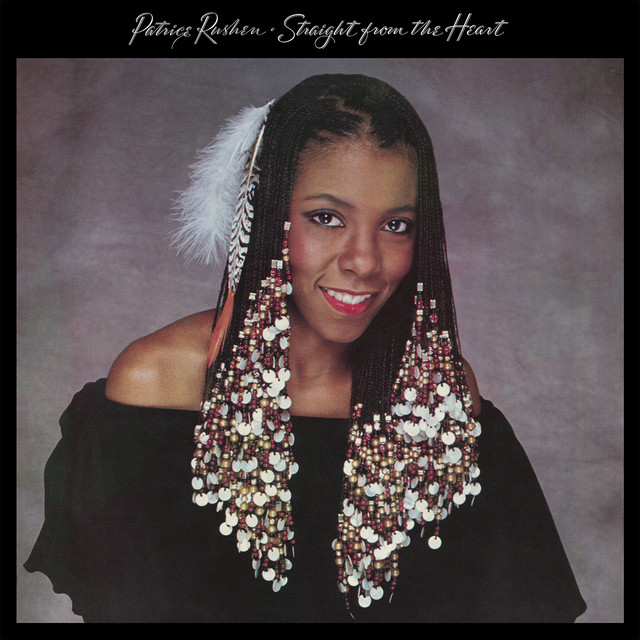
8. Straight from the Heart (Remastered)
Patrice Rushen's 1984 "Straight from the Heart" exemplifies sophisticated post-disco and R&B. While "Forget Me Nots" is the undeniable hit, the entire album showcases her exceptional keyboard prowess and knack for crafting irresistibly smooth, danceable grooves. The production is pristine, capturing that slick, polished mid-80s sound without sacrificing organic feel. It's a masterclass in elegant funk, blending pop sensibility with serious musicality, a perfect snapshot of the era’s best boogie.

9. Seeing Through Sound (Pentimento Volume Two)
This uncredited recording, "Seeing Through Sound," feels like an unearthed artifact from the nascent ambient scene of the late eighties. Its deeply melancholic tape loops, slowly degrading and shifting, evoke a profound sense of temporal drift. The quiet repetition and subtle textural changes create a hypnotic, almost meditative state. This is not about melody or rhythm in the conventional sense; it’s about the decay of sound itself, a pre-digital exploration of sonic impermanence that presages deeper ambient experiments.