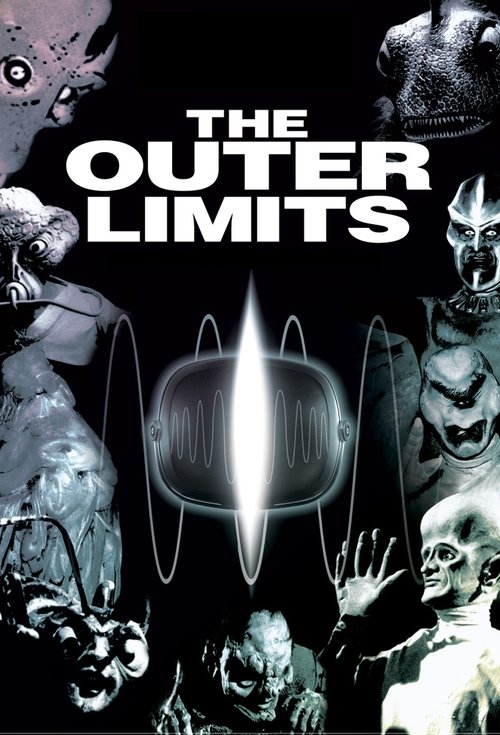
1. The Outer Limits
Ah, the original. Black-and-white, often stark, with those unsettling 'control voice' intros. It wasn't just monster-of-the-week; these were parables, really, draped in rubber suits and shadows. A thinking person's sci-fi, where the ideas lingered long after the credits rolled. And the camera work, always a bit off-kilter, kept you wonderfully uneasy. A true anthology gem.
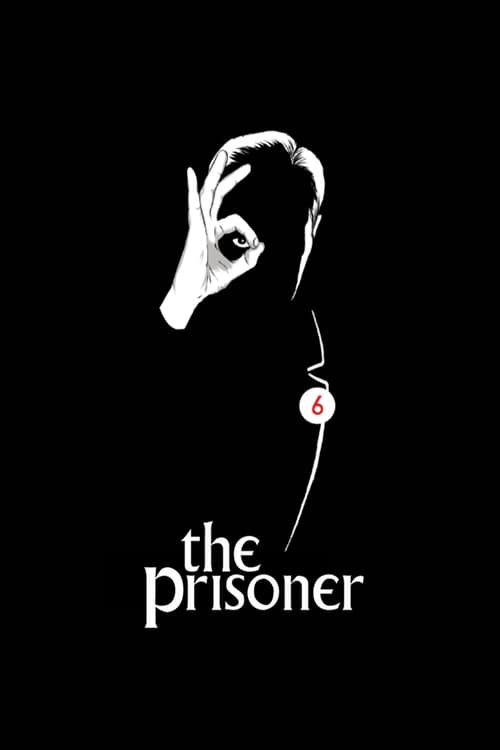
2. The Prisoner
Now, this was something else entirely. Patrick McGoohan, defying convention, built a whole world of enigmatic symbols and psychological games. Every episode, a piece of a larger, bewildering puzzle. It was a serialized drama before many knew what that meant, demanding attention, questioning authority. A truly experimental show that pushed the boundaries of what television could even attempt. Be seeing you.
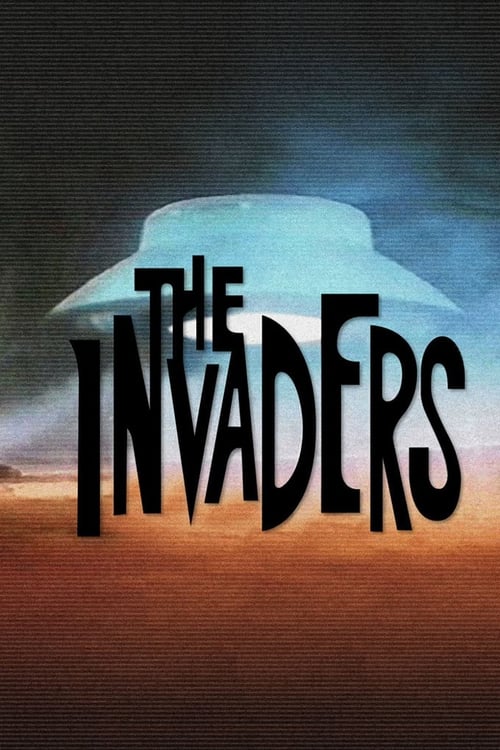
3. The Invaders
Roy Thinnes, forever on the run, trying to convince a skeptical world that aliens were among us. It was classic paranoia sci-fi, often using stark lighting and close-ups to build suspense. The show had a wonderful B-movie sensibility, yet it was genuinely thrilling. And that subtle color palette, transitioning from black-and-white, gave it an almost dreamlike quality. You really wanted him to succeed.
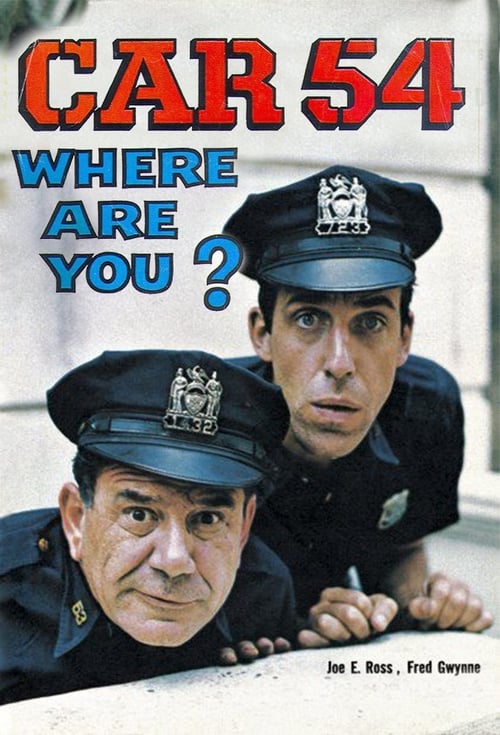
4. Car 54, Where Are You?
Pure, unadulterated silliness, and a masterclass in early sitcom structure. Fred Gwynne and Joe E. Ross, a perfect comedic pairing, bumbling through the Bronx. Filmed live-on-tape, you could almost feel the energy, the immediacy of it. It relied on simple, character-driven humor, not elaborate sets. And yes, it was black-and-white, but the laughs were always in full color. A real blast.

5. The Phil Silvers Show
Sergeant Bilko! What a character. This was fast-talking, quick-witted comedy at its absolute finest, filmed before a live audience, mind you. Phil Silvers, a whirlwind of schemes and patter, had impeccable timing. And the ensemble cast, they just clicked. It set a benchmark for ensemble sitcoms, proving that dialogue and performance could carry a show, even in those nascent years. A classic.
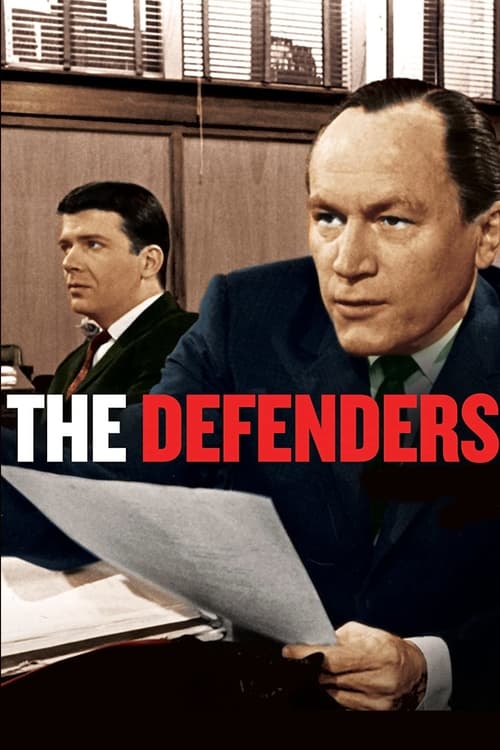
6. The Defenders
A truly groundbreaking legal drama, tackling social issues others wouldn't touch. Black-and-white, yes, but the moral ambiguities were anything but. Often felt like a staged play, with those long, intense takes in the courtroom. It dared to explore capital punishment, abortion, civil rights—heavy topics for early evening viewing. And with E.G. Marshall and Robert Reed, the performances were always commanding. Serious television.
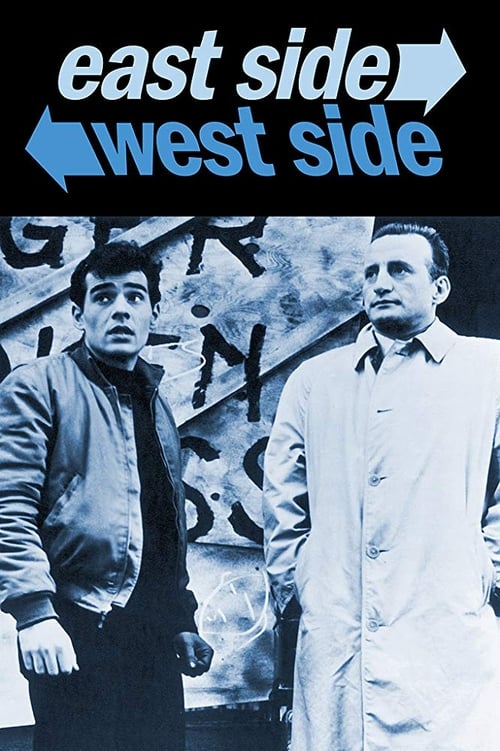
7. East Side/West Side
George C. Scott, straight from the theatrical stage, brought a gravitas to this social worker drama. It was gritty, unflinching for its time, and shot in black-and-white to emphasize its documentary-like feel. They really tried to show the harsher realities of urban life, not just gloss over them. A bold, if short-lived, experiment in serious television, proving that the medium could be more than just escapism.
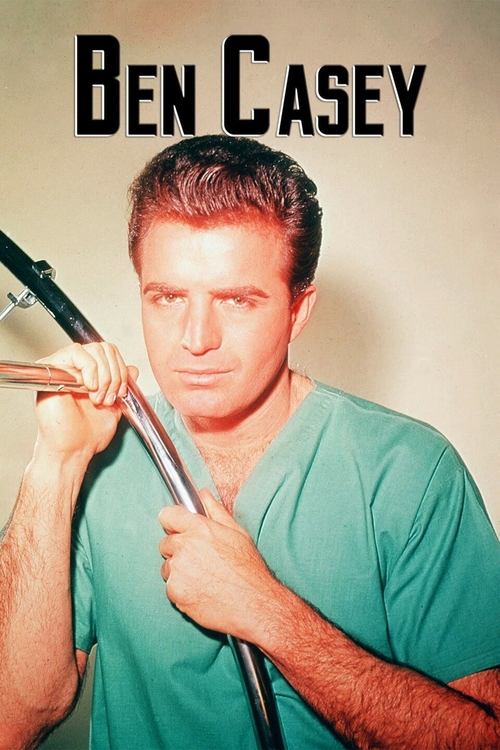
8. Ben Casey
Before there was Dr. Kildare, there was Ben Casey—brooding, intense, and a genuine heartthrob. This medical drama was a staple, delving into the human condition within a hospital's stark confines. The black-and-white photography lent a certain starkness, highlighting the life-and-death stakes. It pioneered the 'doctor as hero' archetype, focusing on moral dilemmas alongside medical marvels. Truly gripping stuff, week after week.
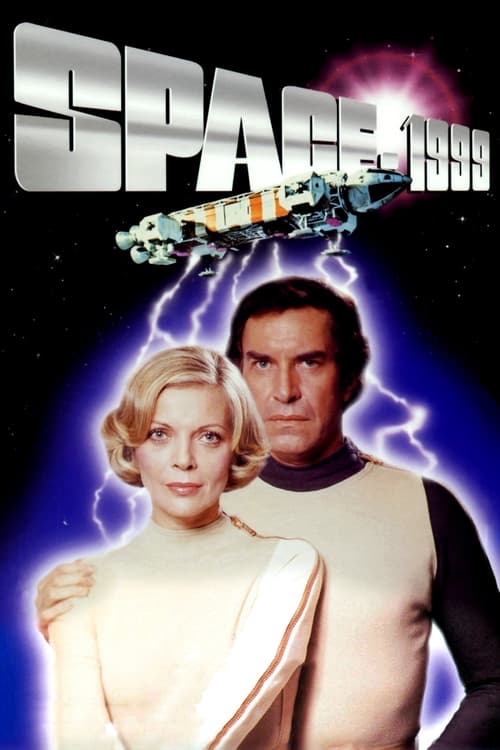
9. Space: 1999
Gerry Anderson's ambitious, albeit often ponderous, vision of humanity adrift. The model work was simply spectacular for its era, a visual feast even if the plots could sometimes drift as much as the moon. It was a more serious, less action-packed sci-fi, pondering existence in the void. A bold attempt at long-form continuity, with a distinctly European flavor that stood apart from its American contemporaries. Quite a spectacle.