
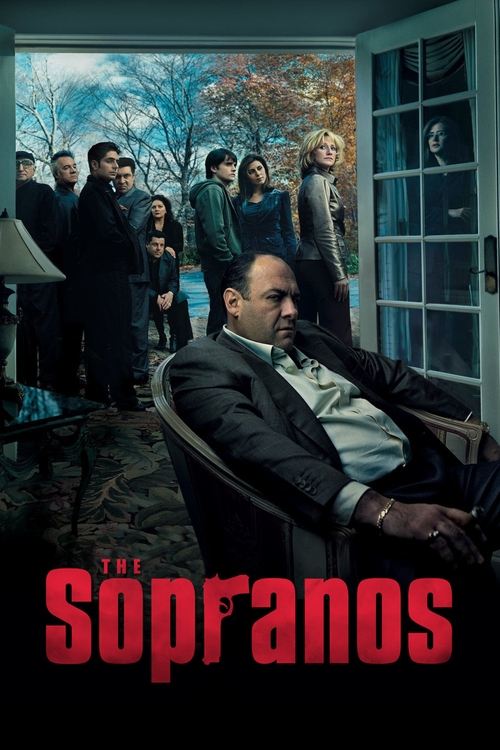
1. The Sopranos
Before Tony, TV anti-heroes were a different breed. This show proved cable wasn't just for movies and sports; it was for deeply flawed characters who drove complex, long-form narratives. It felt like a film, week after week, demanding attention, making you uncomfortable, and utterly redefining what 'prestige drama' even meant. This was the blueprint for television as art, forcing viewers to grapple with morality in a way network TV couldn't touch.
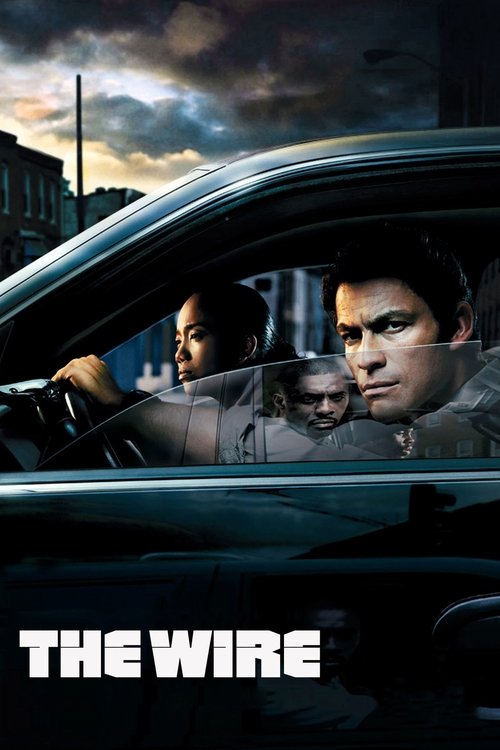
2. The Wire
This wasn't just a cop show; it was a sprawling, novelistic examination of an entire city's ecosystem. Each season tackled a different institution, weaving together dozens of characters across every social stratum. It demanded patience, rewarding viewers with unparalleled realism and a brutal, unflinching look at systemic failures. Forget simple good vs. evil; this was about the machine, and nobody was truly innocent, cementing its place as an ensemble masterwork.
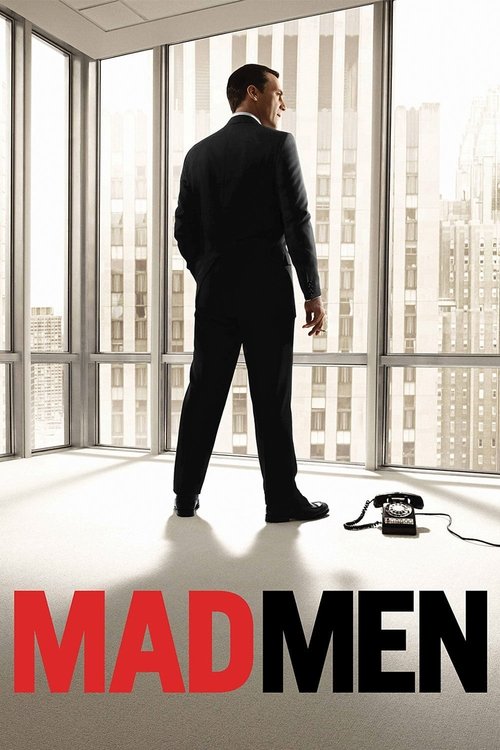
3. Mad Men
Don Draper arrived, impeccably dressed, and brought with him a level of sophisticated period detail and character-driven introspection rarely seen on the small screen. It wasn't about plot twists every week; it was about atmosphere, quiet desperation, and the slow burn of personal and societal change. The show's cinematic polish and meticulous production design elevated TV drama to an art form, making every episode feel like a carefully crafted short film.
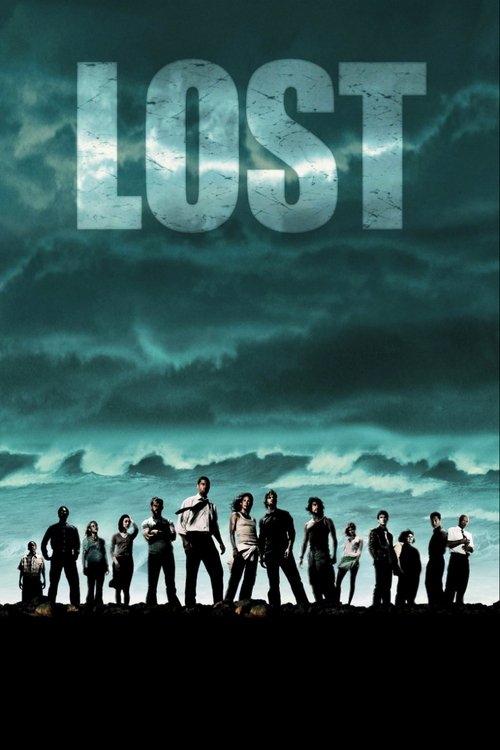
4. Lost
This show blew up the idea of episodic television. It was a serialized mystery box that demanded you watch every single week, then dissect every frame online. The mythology was dense, the characters complex, and the cliffhangers agonizing. It practically invented the 'water cooler' show for a new generation, laying groundwork for intense fan engagement and the kind of deep commitment that would fuel later binge-watching habits, all from the comfort of your living room.
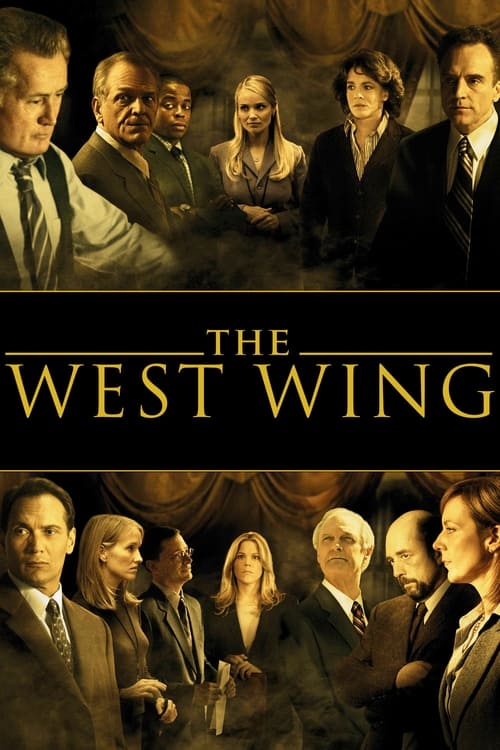
5. The West Wing
Aaron Sorkin's walk-and-talks became iconic, delivering rapid-fire, intelligent dialogue that made politics feel genuinely thrilling and idealistic. It was an ensemble masterclass, proving that a network drama could be sophisticated, aspirational, and deeply engaging without relying on violence or shock value. It showed that smart, character-driven storytelling about complex issues could still draw a massive audience and shape cultural conversations, week after week.
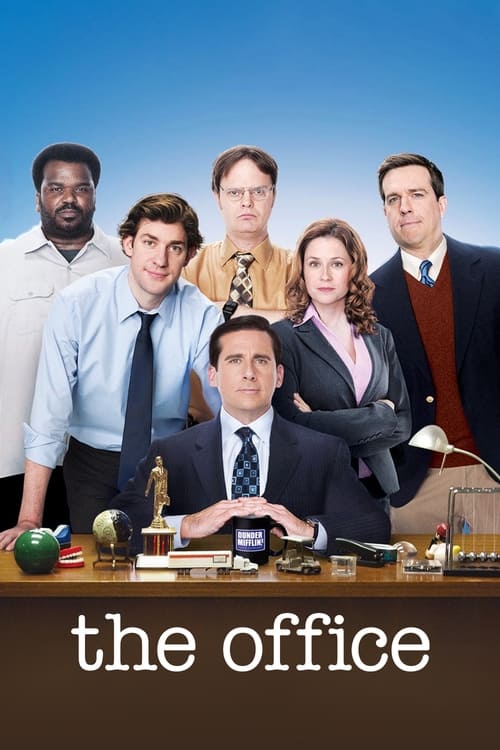
6. The Office
Taking the mockumentary format from across the pond and making it distinctly American, this show redefined workplace comedy. The cringe humor, the subtle glances, and the surprisingly heartfelt character arcs made it feel both painfully real and endlessly rewatchable. It proved that a sitcom could be serialized, building genuine emotional investment while still delivering consistent laughs, influencing countless comedies that followed with its unique style.
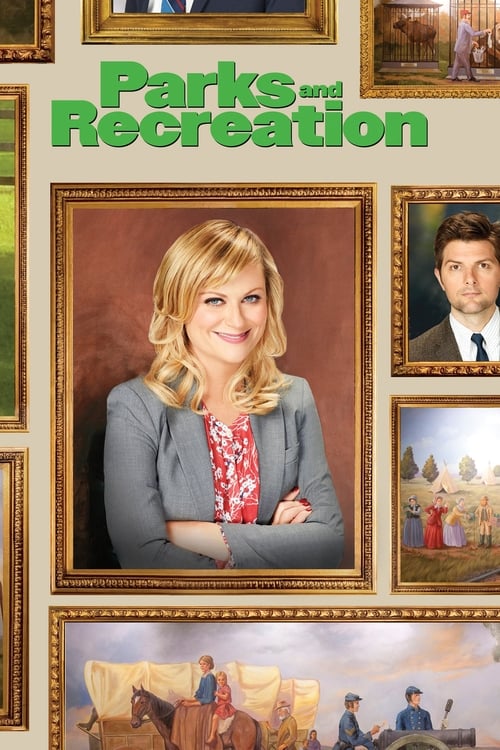
7. Parks and Recreation
Starting in the shadow of its mockumentary predecessor, Parks and Rec found its own voice, evolving into one of the warmest, most optimistic ensemble comedies ever. It leaned into its quirky characters and small-town charm, showing that TV could be smart, funny, and genuinely feel-good without being saccharine. It built a world you actually wanted to live in, proving that sincerity could be just as hilarious as cynicism in a serialized format.
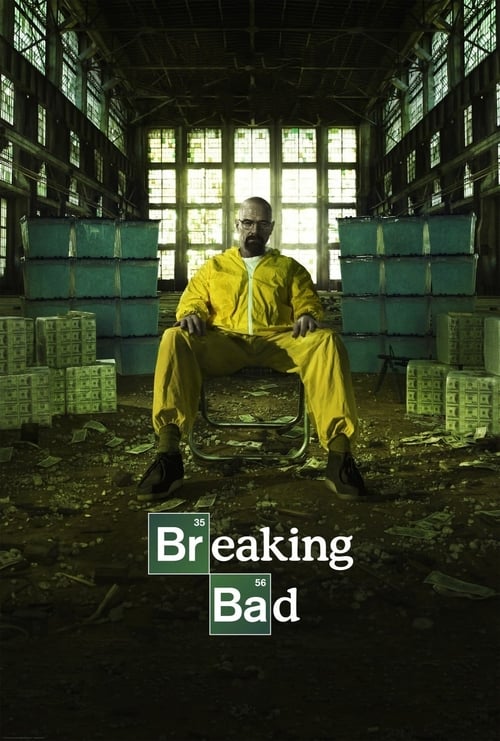
8. Breaking Bad
Walter White’s descent from mild-mannered teacher to ruthless drug lord was a masterclass in character transformation, pushing the anti-hero narrative to its absolute limits. Every shot was meticulously framed, every plot point meticulously crafted, creating a cinematic experience on the small screen. It was grim, gripping, and relentlessly paced, demonstrating how far cable drama could push boundaries and still achieve mainstream adoration and critical acclaim.
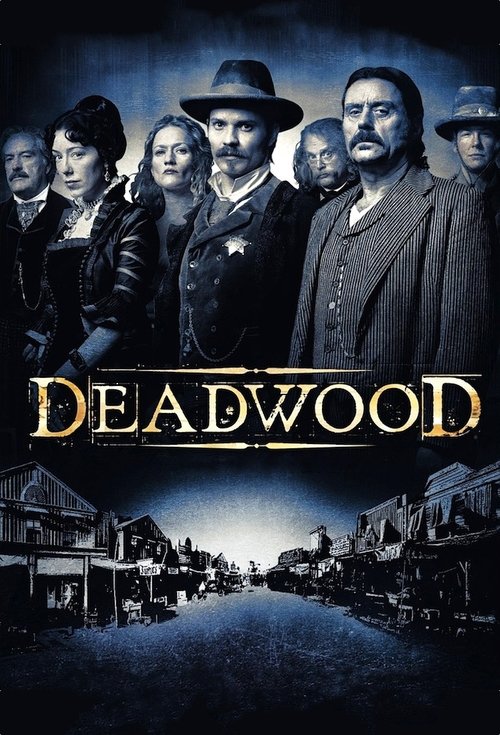
9. Deadwood
This HBO Western was a linguistic and historical marvel. Its dense, anachronistic dialogue and brutal, unflinching portrayal of frontier life were unlike anything else on TV. It took huge risks with its profane, Shakespearean language and morally ambiguous characters, proving that audiences would embrace challenging, meticulously crafted historical dramas. It felt like a gritty, literary epic, unfolding week by week, pushing the boundaries of what TV could say and how.