1. Homicide: Life on the Street
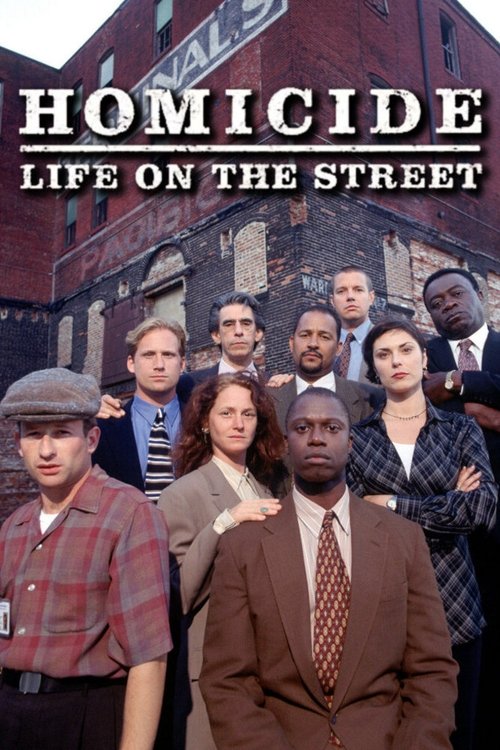
This wasn't your father's cop show. Barry Levinson and Tom Fontana, influenced by David Simon's book, brought a raw, documentary-style grit to network TV in 1993. Forget neat resolutions; cases lingered, lives were messy, and the ensemble cast felt genuinely lived-in. It pioneered that cinematic, serialized approach, pushing boundaries for what broadcast drama could be. This was serious, intelligent storytelling that redefined expectations for what was possible on the small screen.
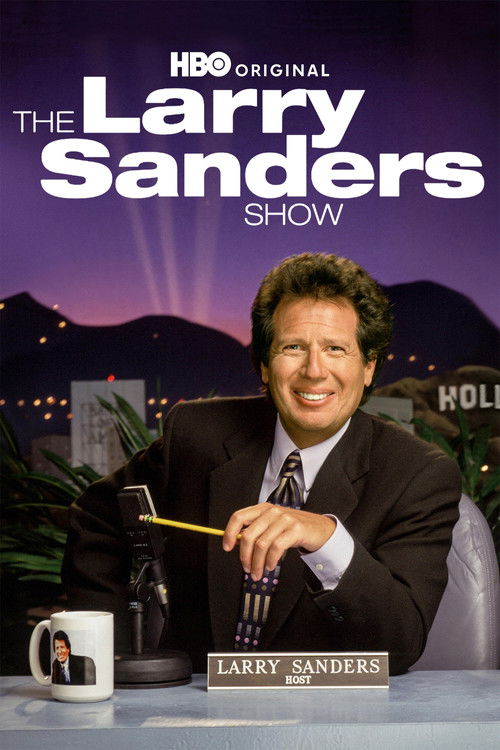
2. The Larry Sanders Show
Garry Shandling's genius here was pulling back the curtain on late-night TV in 1992, long before reality shows were a thing. It invented the "cringe comedy" mockumentary style, showcasing the brutal, insecure, and hilarious machinations behind the talk show façade. Its sharp writing and stellar cast made it a critical darling, proving cable could deliver smart, character-driven satire that network television wouldn't dare touch. Pure, unadulterated brilliance.
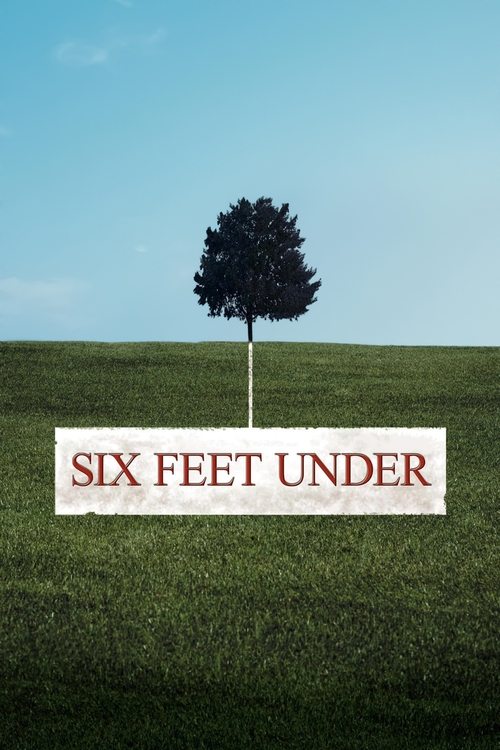
3. Six Feet Under
HBO in 2001 was already pushing boundaries, but *Six Feet Under* took it further by centering an entire family drama around a funeral home. Every episode started with a death, but it was really about life, grief, and human connection. Alan Ball crafted a deeply serialized, character-driven narrative that was darkly humorous, profoundly emotional, and consistently surprising. It solidified HBO's reputation for prestige, serialized storytelling.
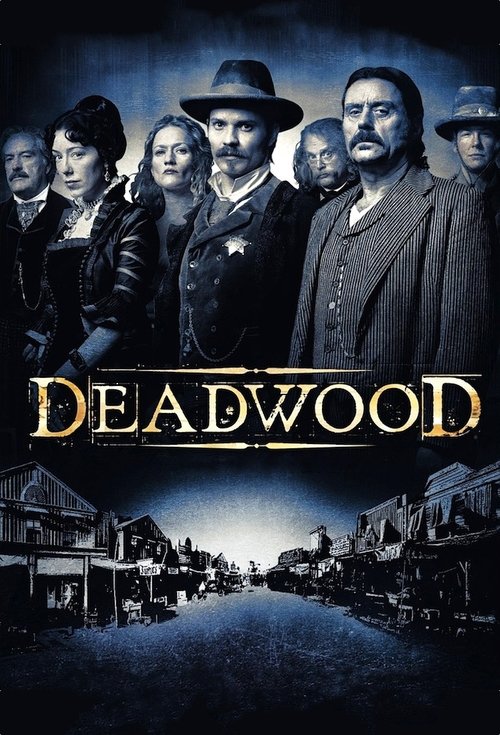
4. Deadwood
David Milch's *Deadwood*, arriving in 2004, was a linguistic and visceral punch to the gut. It took the Western genre, drenched it in profanity, and delivered a sprawling, Shakespearean drama about the birth of civilization in a lawless camp. Its ensemble, intricate dialogue, and sheer historical grittiness proved cable wasn't just for shock value; it was for elevating television to a literary art form. Nobody talked like that before, or since.
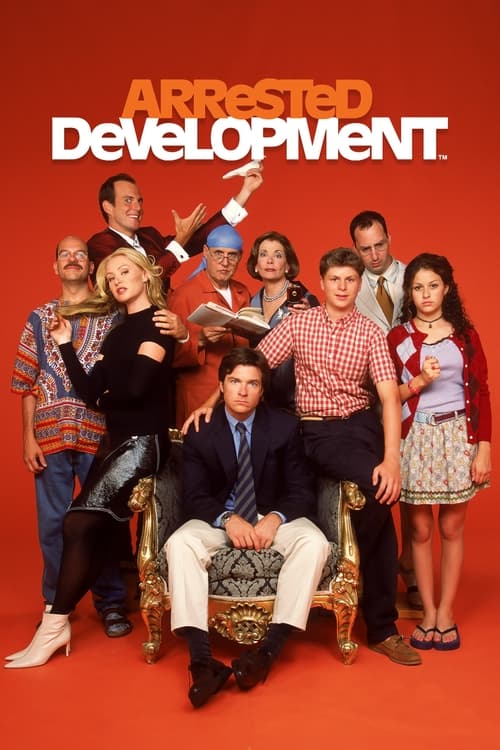
5. Arrested Development
When *Arrested Development* hit in 2003, it felt like nothing else on broadcast TV. Its dense, referential humor, rapid-fire editing, and self-aware mockumentary style demanded repeat viewings – a precursor to our binge-watching habits. The intricate callbacks and running gags rewarded attention, showing that audiences were ready for sophisticated, serialized comedy that didn't talk down to them. It was ahead of its time, truly.

6. The Office
Ricky Gervais and Stephen Merchant's UK *Office* in 2001 wasn't just a sitcom; it was a masterclass in cringe comedy and observational humor, pioneering the mockumentary format for a global audience. Its unflinching portrayal of mundane office life, coupled with incredibly human and often uncomfortable characters, felt so real it hurt. It proved you could find profound, awkward humor in the everyday, influencing a generation of comedies.
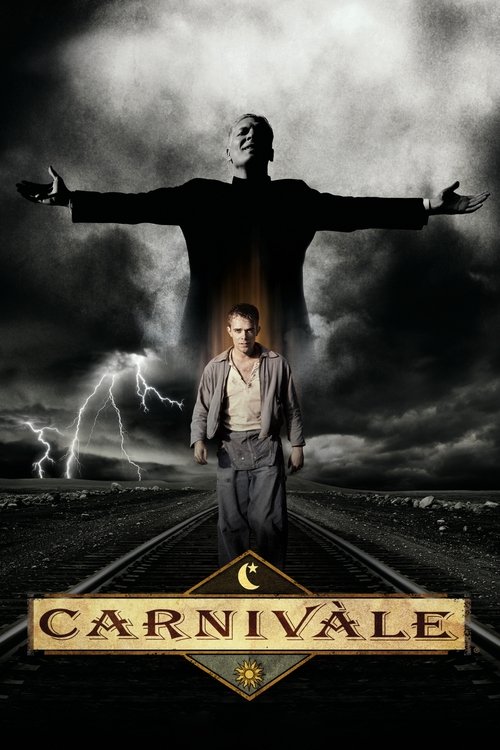
7. Carnivàle
HBO truly went for broke with *Carnivàle* in 2003. This wasn't just a show; it was an experience. A dark, atmospheric odyssey set during the Great Depression, following a traveling carnival and a looming supernatural battle. Its lavish production, intricate mythology, and willingness to embrace the utterly strange pushed the boundaries of visual storytelling and serialized fantasy. It was audacious, beautiful, and deeply unsettling.
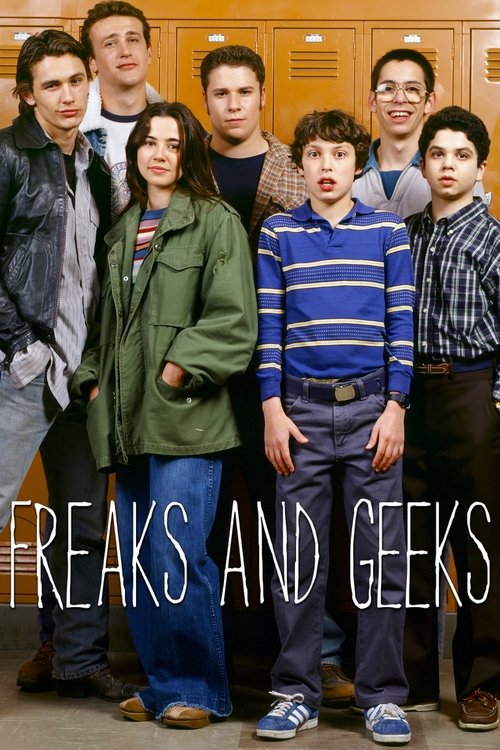
8. Freaks and Geeks
Before Judd Apatow and Paul Feig were household names, *Freaks and Geeks* landed in 1999, capturing the awkward reality of high school in a way few shows ever had. It was honest, funny, and heartbreakingly authentic, avoiding sitcom clichés for genuine character development. Though tragically short-lived, it became a cult classic, proving that a nuanced, realistic take on adolescence could resonate deeply, influencing a generation.
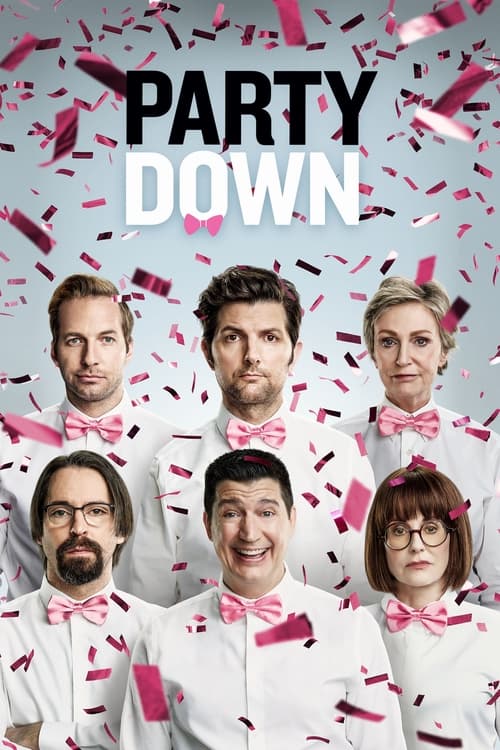
9. Party Down
Party Down, debuting in 2009 on Starz, was a brilliant, melancholic comedy about Hollywood dreamers stuck catering parties. Its ensemble cast was pure gold, delivering sharply written dialogue and improvised moments that felt both hilarious and profoundly sad. It perfected the single-camera, character-driven comedy, showcasing how cable could nurture unique voices and create a truly special, albeit under-the-radar, serialized gem.