
1. The Sopranos
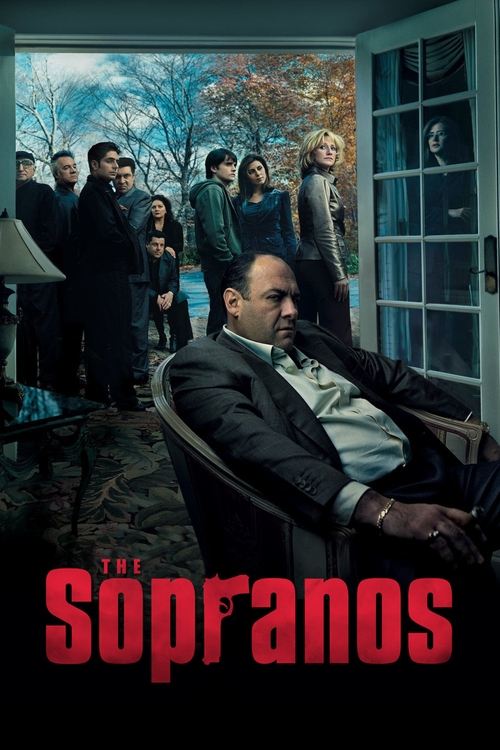
Before Tony, TV drama was largely about heroes or villains. *The Sopranos* blew that up, giving us a mob boss in therapy, showcasing the messy, often mundane reality behind the myth. HBO took a massive swing, investing in complex, serialized storytelling that demanded attention. It proved television could be as rich and challenging as film, setting the stage for everything that followed and kickstarting the anti-hero era. A true game-changer.
2. The Wire
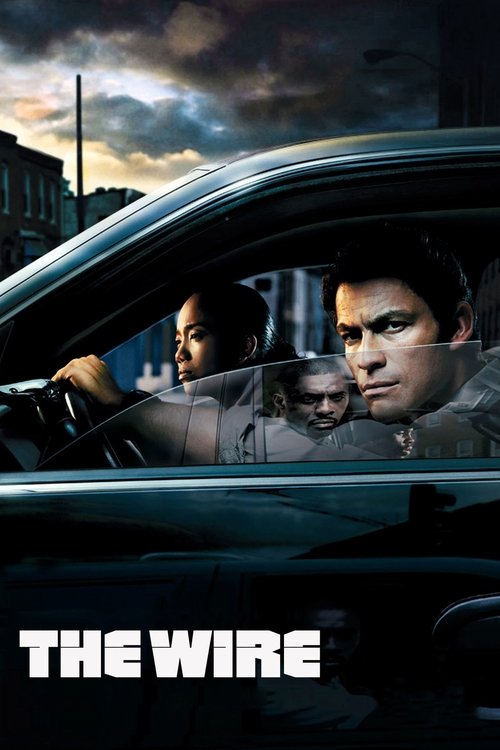
Forget episodic crime procedurals; *The Wire* was something else entirely. It wasn't just a cop show; it was an unflinching, novelistic look at a city through its institutions – police, drug trade, politics, schools, media. The ensemble cast was massive, each character serving a piece of a larger, systemic puzzle. It asked viewers to work, rewarding deep dives into its unparalleled social commentary. Nothing on TV before or since has felt so authentic.

3. Six Feet Under
Death was the ever-present character in *Six Feet Under*, opening each episode with a fresh demise. This HBO drama masterfully explored grief, family dysfunction, and the existential dread of life through the lens of a funeral home. Its blend of dark humor and profound emotional depth, coupled with its often surreal, dreamlike sequences, felt utterly unique. It was a serialized journey into the human psyche, culminating in one of television's most iconic, tear-jerking finales.
4. Arrested Development
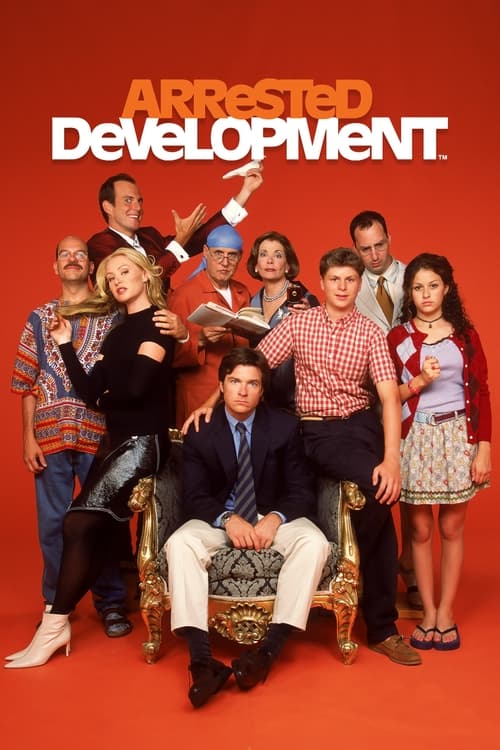
Fox gave us *Arrested Development*, a comedy so dense and ahead of its time, it practically invented re-watching to catch all the jokes. Its mockumentary style, narrator, and running gags transformed the sitcom format. The Bluth family’s dysfunction was a masterclass in serialized comedic writing, demanding a new level of engagement from audiences. It was critically adored but perhaps too smart for network TV, finding its true cult status in the early days of on-demand.
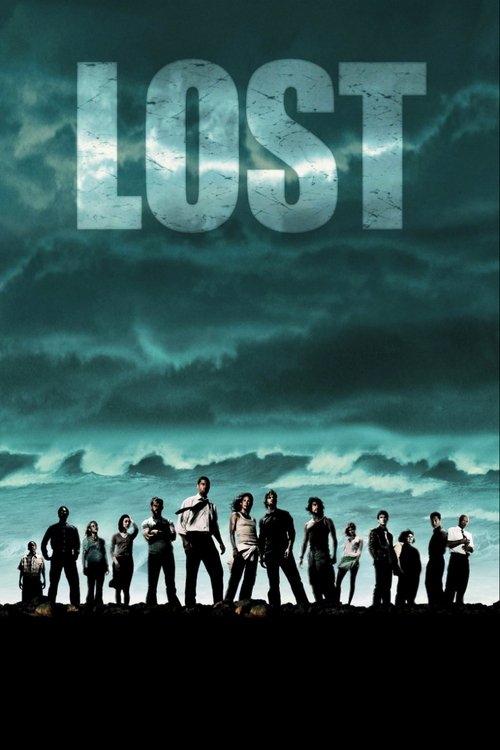
5. Lost
*Lost* grabbed hold of audiences weekly, creating a cultural phenomenon built on mystery, mythology, and a sprawling ensemble cast. Its serialized narrative, complete with flashback structures, redefined how viewers consumed network television. Every episode was a puzzle piece, sparking endless theories and online discussions. It proved that complex, character-driven serials weren't just for cable, pushing the boundaries of what prime-time could achieve and setting the stage for appointment viewing.
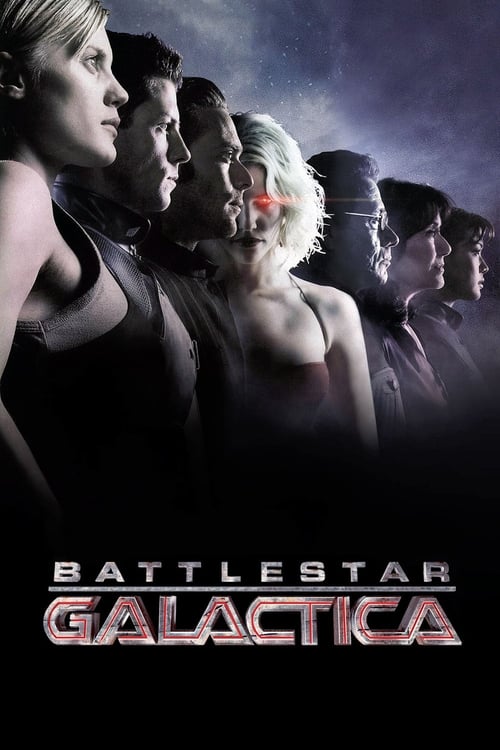
6. Battlestar Galactica
Forget what you thought you knew about sci-fi reboots; *Battlestar Galactica* was a revelation. It wasn't just spaceships and Cylons; it was a gritty, politically charged drama about survival, faith, and what it means to be human. The show took huge narrative risks, embracing moral ambiguities and complex character arcs that felt more like cable prestige than network sci-fi. It elevated the genre, proving it could tackle profound philosophical questions with cinematic scope. So say we all.
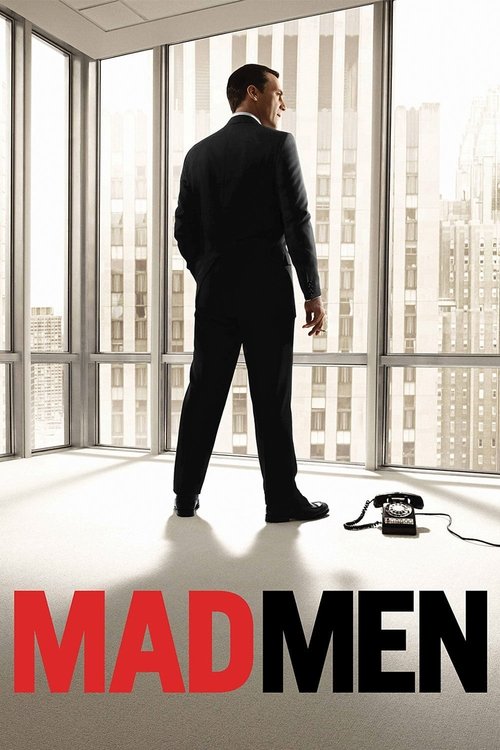
7. Mad Men
*Mad Men* brought a cinematic aesthetic to AMC, meticulously recreating 1960s Madison Avenue while peeling back the layers of its enigmatic protagonist, Don Draper. It was a masterclass in slow-burn storytelling, trusting its audience to appreciate nuance and subtext over overt plot points. The show explored identity, ambition, and the changing American landscape with a visual sophistication rarely seen on television, solidifying cable’s reputation for intelligent, adult drama.
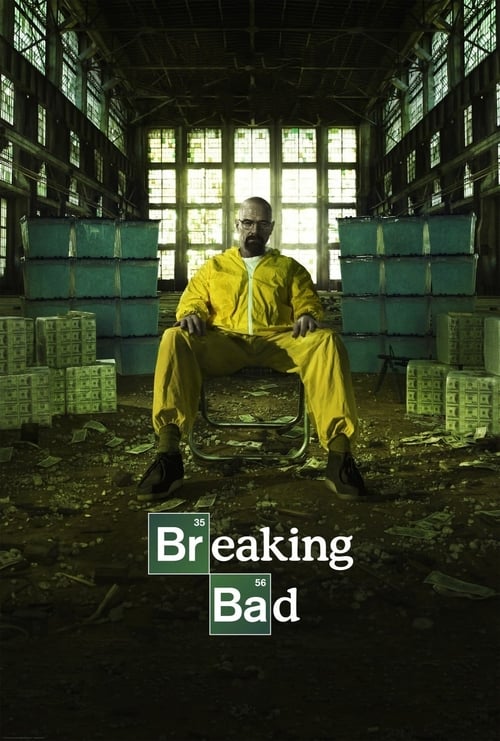
8. Breaking Bad
Walter White's descent from mild-mannered chemistry teacher to meth kingpin in *Breaking Bad* was a singular achievement in character transformation. AMC delivered a show that was visually stunning, narratively relentless, and morally challenging. It pushed the boundaries of the anti-hero narrative, forcing viewers to confront uncomfortable truths about power and corruption. Its intense, serialized plotting and cinematic execution made it an undeniable force, becoming a benchmark for dramatic television.
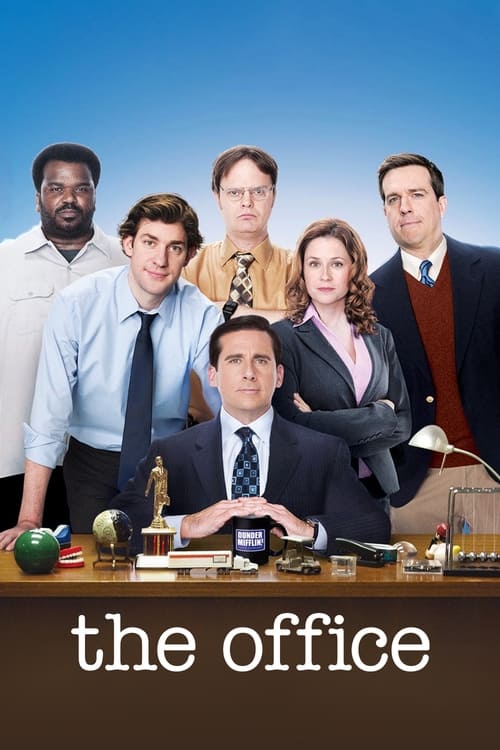
9. The Office
The American version of *The Office* perfected the mockumentary format for a broad audience, turning mundane workplace antics into comedic gold. Its cringe humor, ensemble cast, and surprisingly heartfelt character moments resonated deeply, making Dunder Mifflin feel like a second home. It wasn’t just funny; it was smart, using its format to build intimacy with its characters and deliver narratives that evolved organically, paving the way for a new era of relatable, serialized comedy.