
1. Tales from the Darkside
Man, this show was the late-night gateway to the truly weird. George Romero's fingerprints were all over this syndicated gem, delivering quick, nasty morality plays with a wink. Forget slick CGI; *Darkside* thrived on rubber monsters, cheesy synth scores, and plots that twisted just enough to stick with you. It felt like watching something you shouldn't, a scratched VHS tape unearthed from the back of a video store. Essential viewing for anyone who dug the macabre on a shoestring budget.
2. Automan
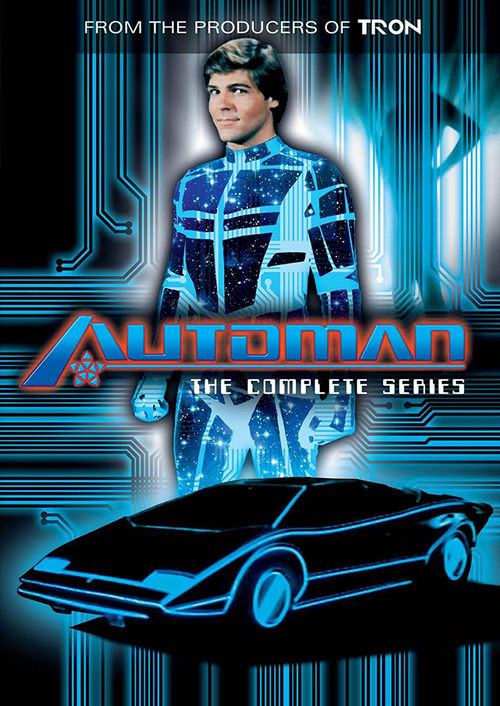
*Automan* was pure, unadulterated 80s neon bliss. A human programmer conjures a digital crime fighter who could materialize a glowing supercar and even a heli-jet. The vector graphics were clunky even then, but they had this raw, futuristic charm. It was like Tron tried to be a cop show, a gloriously ridiculous concept that fully embraced its visual gimmickry. A short-lived, high-concept trip that burned bright and fast. Definitely a proto-cyberpunk fever dream.
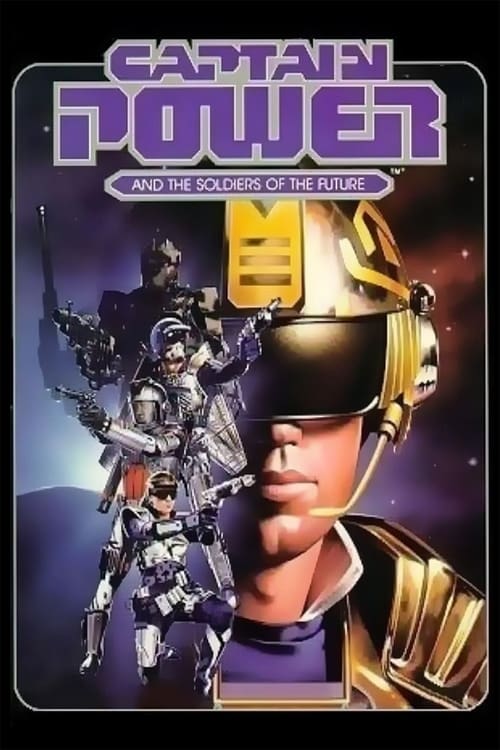
3. Captain Power and the Soldiers of the Future
This show was wild. A dark, post-apocalyptic sci-fi saga where humanity fought sentient machines. But the real hook? You could buy the toys and shoot at the TV screen during specific segments. It was groundbreaking interactive media before the internet was even a thing. The practical effects, though dated, gave it a gritty, desperate feel. For a kids' show, it went surprisingly dark, and the live-action combined with animation was a bold experiment.
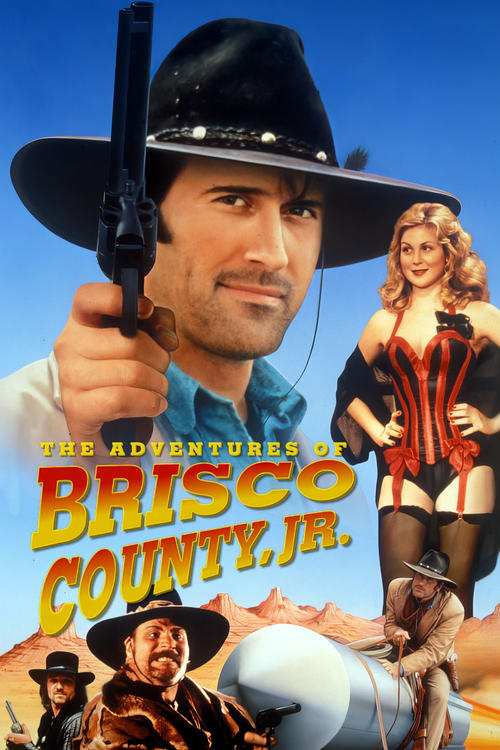
4. The Adventures of Brisco County, Jr.
Oh, *Brisco*. This was a show that shouldn't have worked, but absolutely did. A sci-fi western about a Harvard-educated bounty hunter chasing futuristic artifacts in the Old West. Bruce Campbell's charm carried the whole bizarre premise. It was funny, action-packed, and completely original, a proper proto-genre blend years ahead of its time. And that theme song? Pure gold. A cult favorite that deserved way more than one season.
5. V
*V* wasn't just sci-fi; it was a full-blown, soap-operatic alien invasion epic. The Visitors, looking human but hiding lizard scales, offered peace while plotting domination. The practical effects were surprisingly effective – those red jumpsuits, the reptilian skin reveals, the rats. It was high-stakes drama, pushing boundaries with its overt political allegories and unashamedly maximalist storytelling. This mini-series set a high bar for event television and left a lasting, creepy impression.
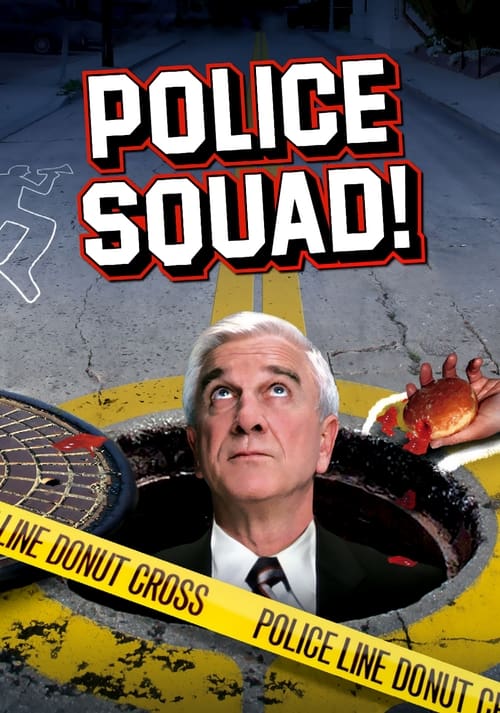
6. Police Squad!
Before *Naked Gun*, there was *Police Squad!* This show was a masterclass in deadpan absurdity and rapid-fire visual gags. Every single scene had something ridiculous happening in the background or a line delivered with perfect, straight-faced lunacy. It flopped on network TV because audiences couldn't keep up, but it was pure genius. And the guest star dying in the opening credits? A legendary punk rock middle finger to conventional TV.
7. Probe
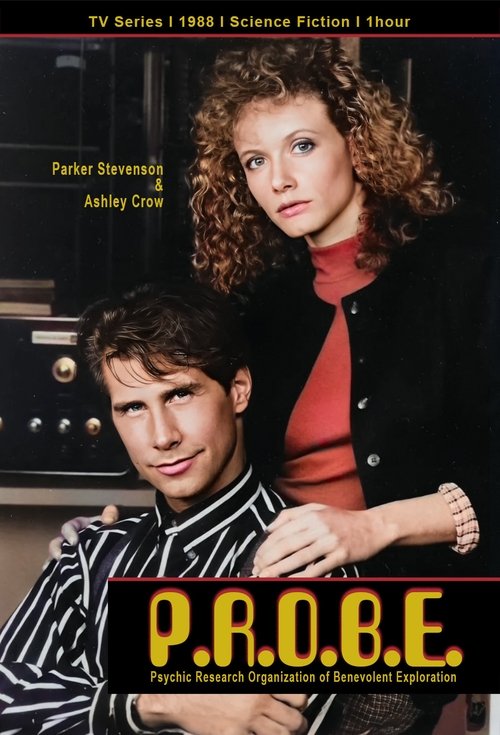
*Probe* was weird, a true oddity of late 80s TV. Isaac Asimov was involved, and it showed. It followed a brilliant, eccentric inventor who solved high-tech mysteries, basically MacGyver but with more scientific theory and less paperclips. The plots often revolved around cutting-edge (for 1988) computer tech and bizarre inventions. It had a brainy, quirky charm, a syndicated gem that tried to make science cool and mysterious, like a proto-internet thriller.

8. The Hitchhiker's Guide to the Galaxy
This BBC adaptation was a triumph of lo-fi sci-fi and dry British wit. Douglas Adams' bizarre universe, complete with Vogons, infinite improbability drives, and depressed robots, translated beautifully to the small screen. The practical effects were rudimentary, sure, but they were charmingly inventive and totally fit the surreal, DIY aesthetic. It captured the book's specific brand of philosophical absurdity perfectly, a cult classic that shaped a generation of oddballs.
9. The Ray Bradbury Theater
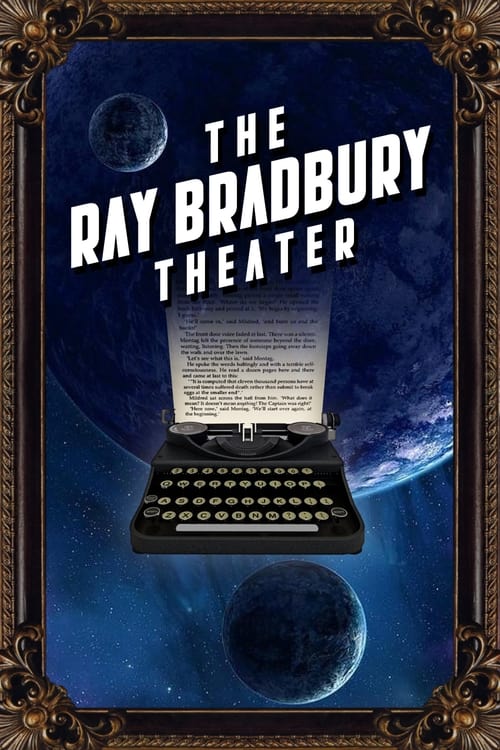
*The Ray Bradbury Theater* was a masterclass in literary adaptation, bringing Bradbury’s evocative, often melancholic tales to life. Each episode was a self-contained, atmospheric journey into the strange, the beautiful, and the unsettling. Bradbury himself introduced every story, lending it an authentic, almost campfire-tale vibe. It wasn't about flashy effects, but about mood, character, and the haunting power of imagination. A syndicated treasure that always left you thinking.