

1 / 9

1. Thirst
The Easybeats' 'Thirst' from 1967, though earlier, showcases a primal, untamed energy. This wasn't about pristine production; it was about raw grit, a garage rock ethos captured with minimal fuss. The analog tape saturation here lends a warmth and urgency that digital recording often struggles to replicate. It's a testament to how limitations could inadvertently forge character, a blueprint for future stripped-down aggression.
2 / 9

2. Sextant
Herbie Hancock's 1973 'Sextant' is a masterclass in jazz-fusion pushing psychedelic boundaries. The complex interplay of early synthesizers like the ARP 2600 and Moog, processed through tape delays and ring modulators, created alien soundscapes. Its rhythmic elasticity and funk undercurrents, all recorded on multi-track tape, define a period where acoustic and electronic instruments melded into something truly new and adventurous.
3 / 9
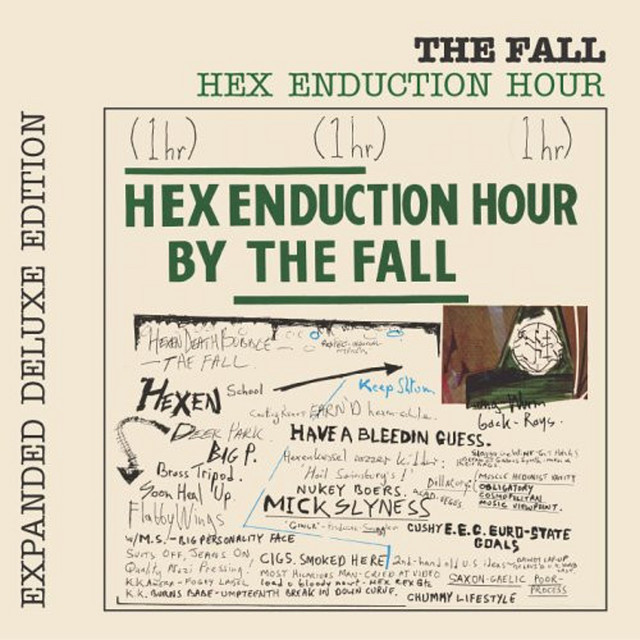
3. Hex Enduction Hour (Expanded Deluxe Edition)
The Fall's 1982 'Hex Enduction Hour' remains a monument of post-punk dissonance. Recorded with a raw, almost confrontational immediacy, its expanded edition reminds us of the original's stark brilliance. The dense, angular guitars and Mark E. Smith's sardonic delivery were captured with an unflinching fidelity to their live sound, proving that technical perfection was secondary to visceral impact in the pre-digital era.
4 / 9

4. Delights Of The Garden
Lonnie Liston Smith & The Cosmic Echoes' 1977 'Delights Of The Garden' perfectly encapsulates cosmic jazz-fusion. The expansive soundscapes, built on Rhodes piano, Moog synthesizers, and fluid percussion, evoke a sense of spiritual journey. This album's warmth and depth are intrinsically linked to the analog recording process, allowing the improvisational magic and lush arrangements to breathe with an organic, ethereal glow.
5 / 9

5. Inter-Dimensional Music
Mark Isham and Patrick O'Hearn's 1985 'Inter-Dimensional Music' defined a nascent ambient and electronic sound. Utilizing synthesizers like the Prophet-5 and Oberheim OB-Xa, they crafted vast, evolving soundscapes. The meticulous layering and subtle shifts in texture, all mixed down on analog boards, created an immersive experience. It's a testament to how early synthesists built intricate worlds before extensive digital manipulation was commonplace.
6 / 9

6. TRY OUT
Klaus Schulze's 1978 'TRY OUT' is a deep dive into the Berlin School of electronic music. His mastery of analog sequencers and synthesisers (Moog, ARP) created hypnotic, long-form compositions. The sheer scale and intricate detail of these sonic expeditions, captured directly to tape, highlight the patience and technical prowess required to sculpt such vast electronic landscapes in a pre-MIDI, pre-digital environment.
7 / 9
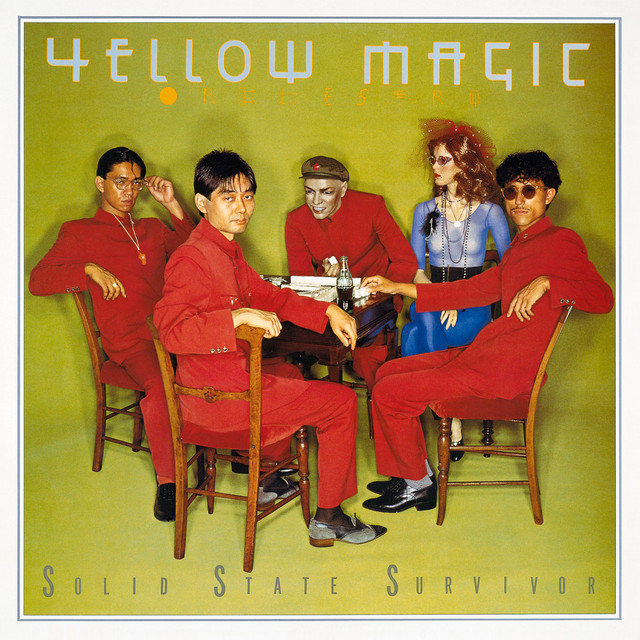
7. Solid State Survivor
Yellow Magic Orchestra's 1979 'Solid State Survivor' was a pivotal moment for synth-pop and early techno. The album's crisp, almost clinical precision, achieved with Roland sequencers and synthesizers, was groundbreaking. It showcased how meticulously programmed electronic rhythms and melodies, recorded with an eye towards sonic clarity, could create a futuristic sound that felt both human and machine-driven, long before digital workstations.
8 / 9
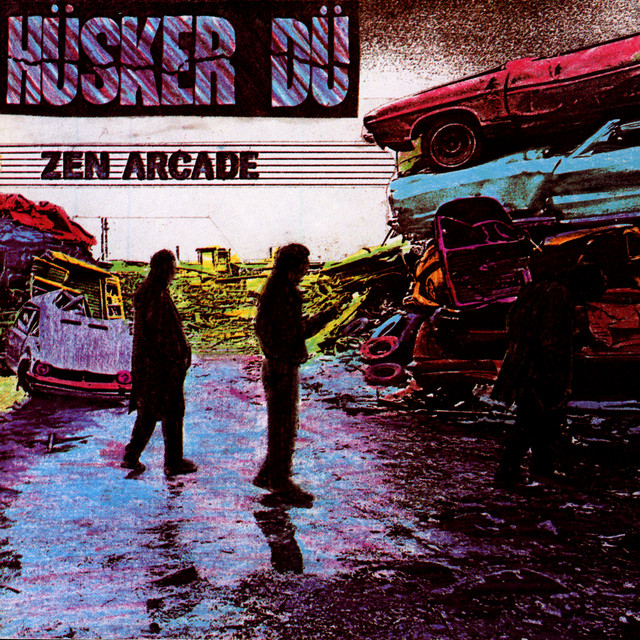
8. Zen Arcade
Hüsker Dü's ambitious 1984 double album, 'Zen Arcade,' redefined hardcore punk. Its raw, yet melodic ferocity, captured in a famously hurried studio session, pushed against the genre's typical confines. The production, while unpolished, perfectly conveys the band's intensity and emotional depth, demonstrating how pre-digital recording could amplify urgency and authenticity over pristine sonic sheen.
9 / 9
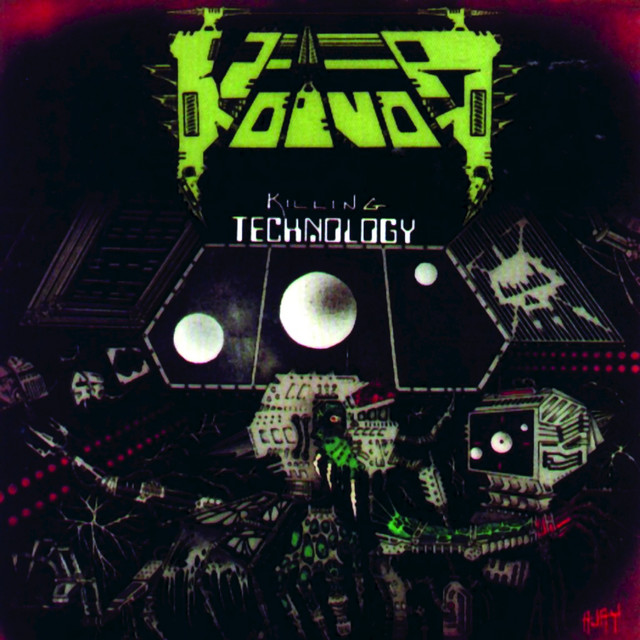
9. Killing Technology
Voivod's 1987 'Killing Technology' was a revelation in early metal forms. Their unique blend of thrash, progressive elements, and sci-fi themes was matched by a distinct, angular sound. The album's aggressive yet intricate riffs and complex structures, recorded with a powerful analog punch, showcased a band pushing technical and conceptual boundaries without relying on the digital gloss that would soon dominate metal production.