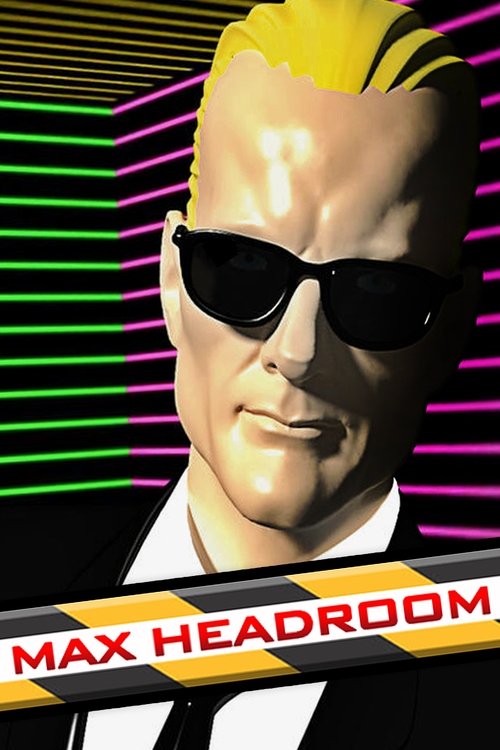
1. Max Headroom
Max Headroom wasn't just a TV show; it was a broadcast signal intrusion. That digital talking head, a cynical media mogul's nightmare, felt like it crawled straight out of a VCR tracking error. It was sharp, satirizing corporate greed and TV's hypnotic pull with a frantic, proto-cyberpunk energy. The whole aesthetic, from the green screen effects to the quick cuts, screamed 1980s future-shock. And that stutter? Pure analog bliss.
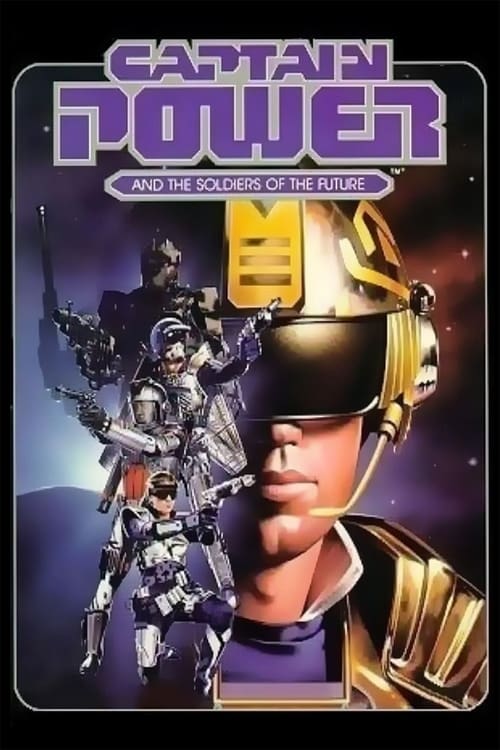
2. Captain Power and the Soldiers of the Future
This show was practically a commercial for its own toy line, but man, what a dark commercial. Robots hunting humans, post-apocalyptic dread, and early attempts at CGI that looked like a Commodore 64 had a fever dream. It was ambitious, maybe too much for its own good, but the live-action combined with those clunky computer graphics gave it a weird, gritty charm. Kids could even shoot their TVs! Maximalist toy-marketing as genre hybrid.
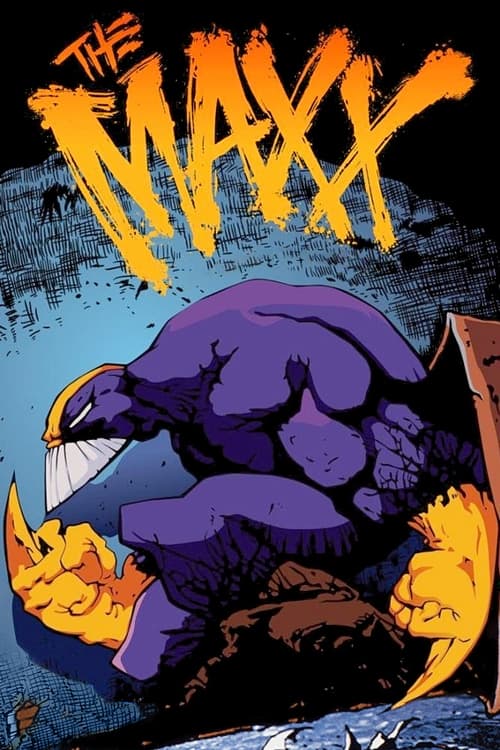
3. The Maxx
MTV's Oddities delivered something truly twisted with The Maxx. It was a comic book brought to life, but with such a raw, unsettling animation style, it felt like a nightmare sketched in neon and mud. The Outback, the Isz, Julie's therapy sessions – it was all a deeply weird, psychological trip. Definitely not Saturday morning cartoon fare. It proved animation could be genuinely unsettling, and totally punk rock.
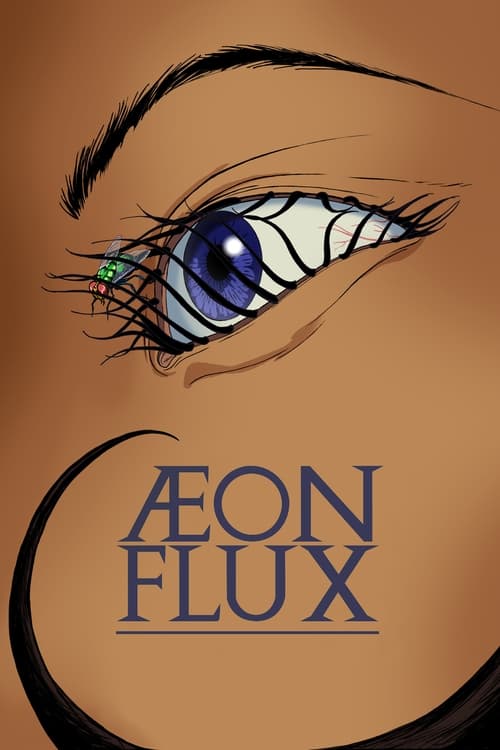
4. Æon Flux
Æon Flux, in its Liquid Television shorts incarnation, was pure, unadulterated experimental animation. It was often wordless, hyper-stylized, and aggressively weird. Æon herself, a leather-clad spy with impossible acrobatics, moved through a dystopian landscape where nothing made sense but the action. It was art house sci-fi, a glitch in the programming that dared you to look away. Pure adrenaline and surrealism.
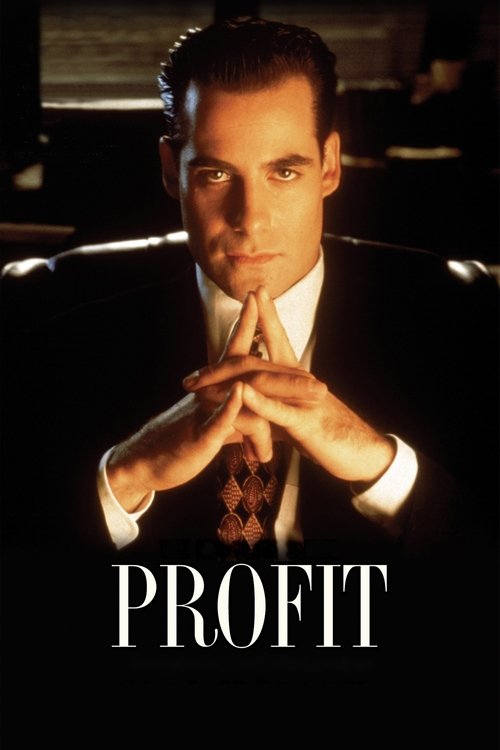
5. Profit
Profit was a nasty piece of work, and that's a compliment. John Profit, a corporate psychopath in a glass office, was the villain you rooted for, because everyone else was even worse. It was a pitch-black satire, so cynical it burned bright, exposing the rotten core of ambition and capitalism. Too smart, too dark, too good for '90s network TV. It got axed, of course, but its legacy as a cult classic endures.
6. War of the Worlds
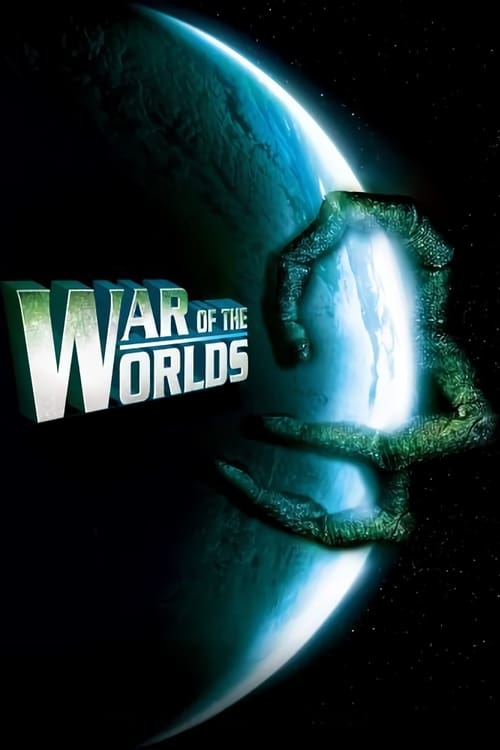
This wasn't some sanitized alien invasion. The 1988 War of the Worlds was a direct, grimy sequel to the '53 movie, bringing back those tripods and their gooey, radiation-scarred inhabitants. It was syndicated sci-fi horror, packed with practical effects and a bleak tone. The aliens, grotesque and manipulative, felt genuinely menacing, and the human resistance was always on the back foot. Very '80s, very dark.
7. Monsters
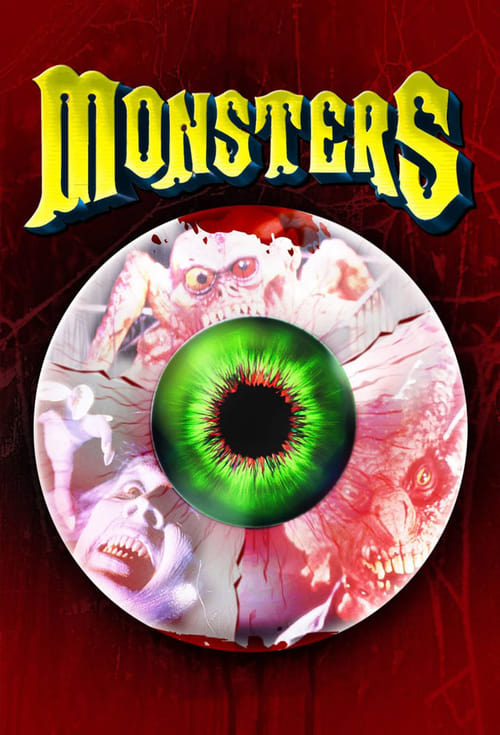
Before the X-Files, there was Monsters, a syndicated anthology horror show that delivered exactly what its title promised: practical monster effects. No cheap jump scares, just creatures, usually rubbery and grotesque, causing mayhem. It had that distinct late '80s, early '90s cable vibe—low budget, high concept, and unafraid to get weird. A true ode to creature features, right on your TV.
8. Space: Above and Beyond
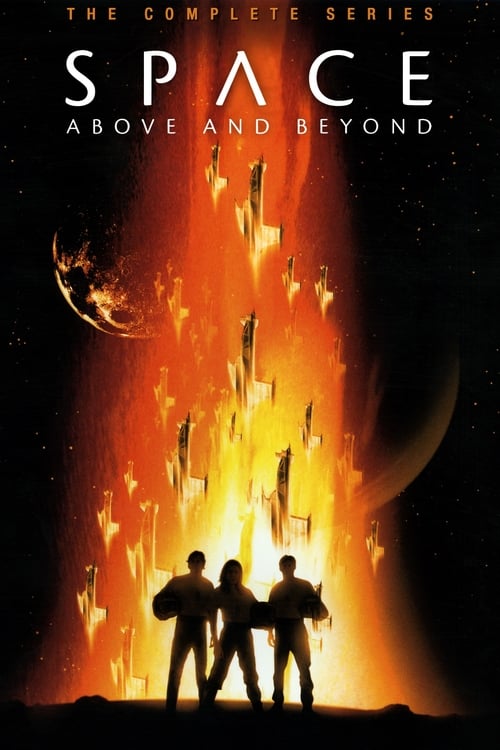
Space: Above and Beyond tried to be Band of Brothers in space, and for a network show in the mid-90s, it got surprisingly dark. These weren't Starfleet heroes; they were raw recruits fighting a brutal alien war. It was serialized, often grim, and didn't shy away from casualties. Too ambitious, too bleak for Fox at the time. But the practical effects and focus on character made it a cult favorite.
9. The Adventures of Sinbad
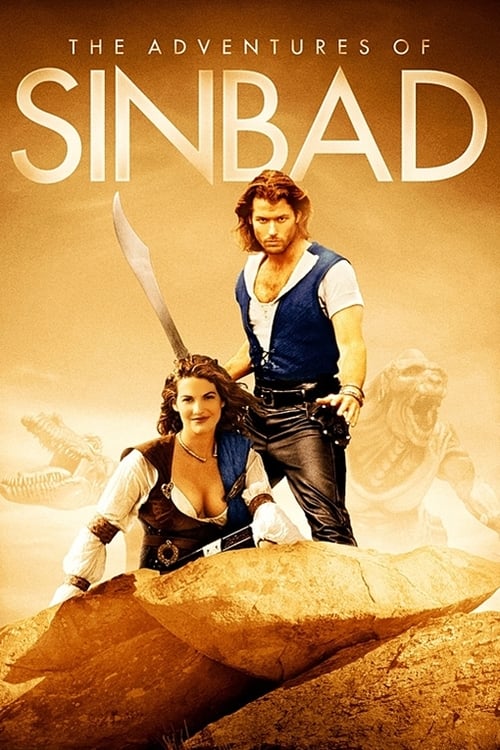
This syndicated Sinbad was pure, unadulterated Saturday afternoon adventure. It leaned hard into the practical effects, ropey monsters, and over-the-top sword fights. Every episode was a maximalist, vaguely exotic romp, with a rotating cast of magic users and mythical beasts. It had that distinct, slightly cheap but endlessly entertaining vibe of '90s syndicated fantasy. Pure escapism, big hair, and bigger monsters.