1 / 9
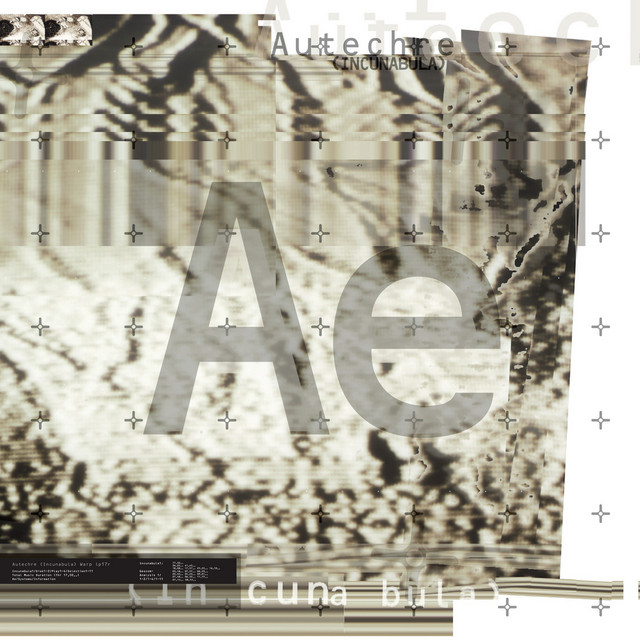
1. Incunabula
Autechre’s debut, this was a baptism by fire into IDM’s digital frontier. It wasn't about hooks; it was about systems, algorithms, and the stark beauty of machine logic. The beats felt less played, more programmed, unfolding with an alien precision that hinted at future sonic landscapes. It carved out a space where rhythm became architecture, cold but utterly compelling, signaling a new era of electronic abstraction.
2 / 9
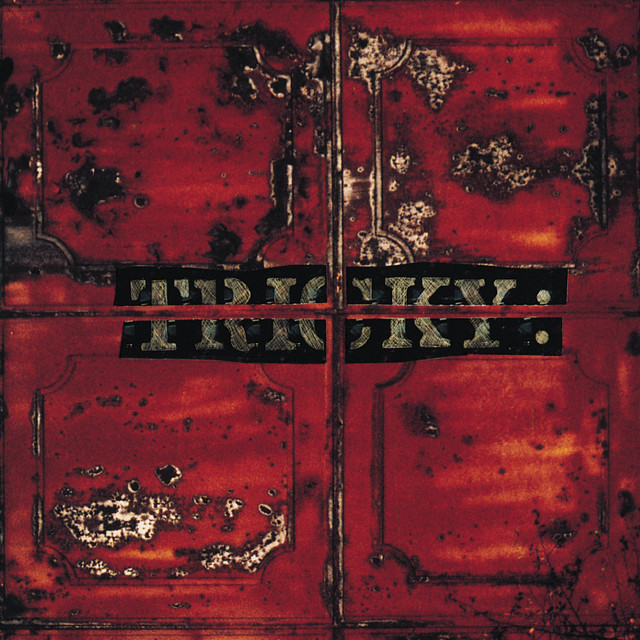
2. Maxinquaye
Tricky's *Maxinquaye* wasn't just trip-hop; it was the sound of shadows stretching, of paranoia whispering through smoke-filled rooms. Adrian Thaws’ delivery, raw and laconic, alongside Martina Topley-Bird’s haunting vocals, created a world both seductive and dangerous. It oozed a kind of grimy, urban cool that felt utterly new, a digital blues for the late 90s. This album had teeth.
3 / 9
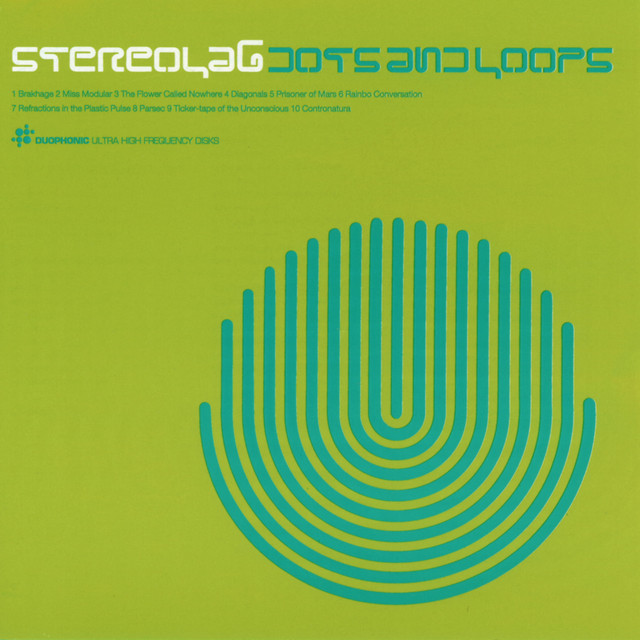
3. Dots And Loops
Stereolab really hit their stride here, blending post-rock’s ambition with a sleek, almost retro-futuristic pop sensibility. It’s all shimmering Rhodes, motorik grooves, and Laetitia Sadier’s detached, intellectual delivery. The arrangements are meticulously crafted, weaving intricate patterns that feel both academically rigorous and surprisingly warm. It’s the sound of a band building bridges between analogue charm and digital sophistication.
4 / 9
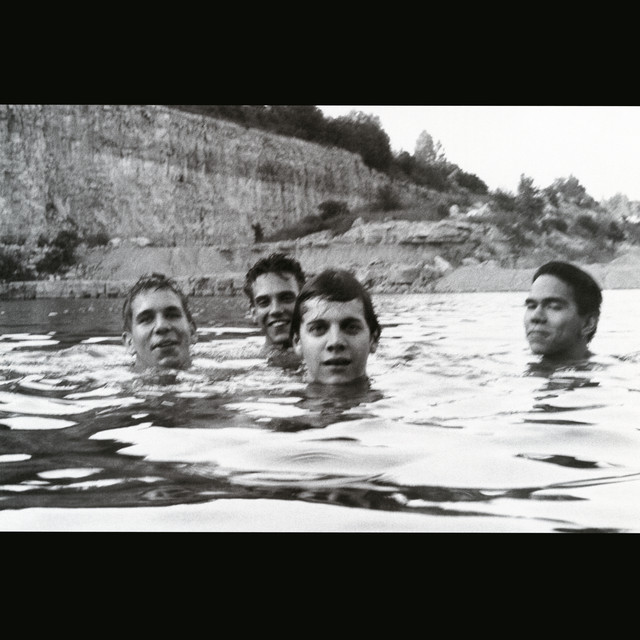
4. Spiderland
Slint's *Spiderland* is less an album, more a sonic landscape of stark, unsettling beauty. Those angular guitar lines, hushed spoken-word vocals, and sudden, explosive shifts… it was a blueprint for a whole new kind of rock music. It felt incredibly tense, almost claustrophobic, yet undeniably vital. The quiet parts were just as heavy as the loud, building a unique emotional weight that resonated deeply.
5 / 9
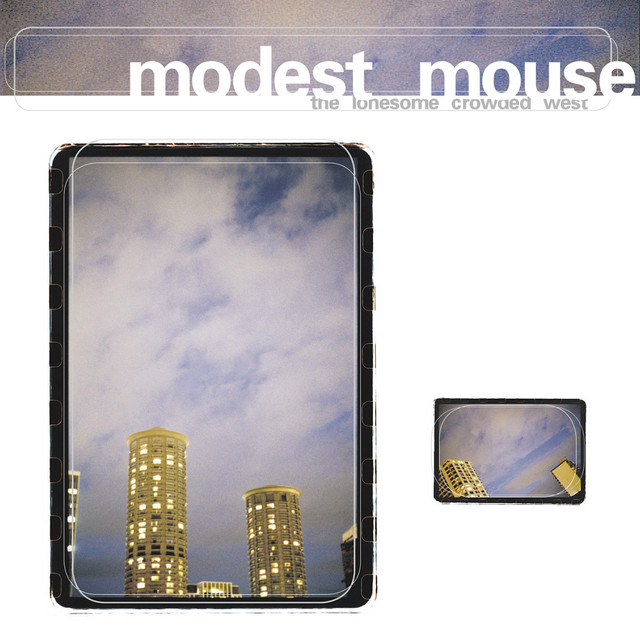
5. The Lonesome Crowded West
Modest Mouse’s sprawling epic captured the vast, melancholic emptiness of the American West better than any road trip movie. Isaac Brock’s frantic, existential narratives paired with those jangling, often dissonant guitars, sketched out a landscape of broken dreams and relentless searching. It felt raw, honest, and utterly essential for anyone navigating the anxieties of the approaching millennium.
6 / 9
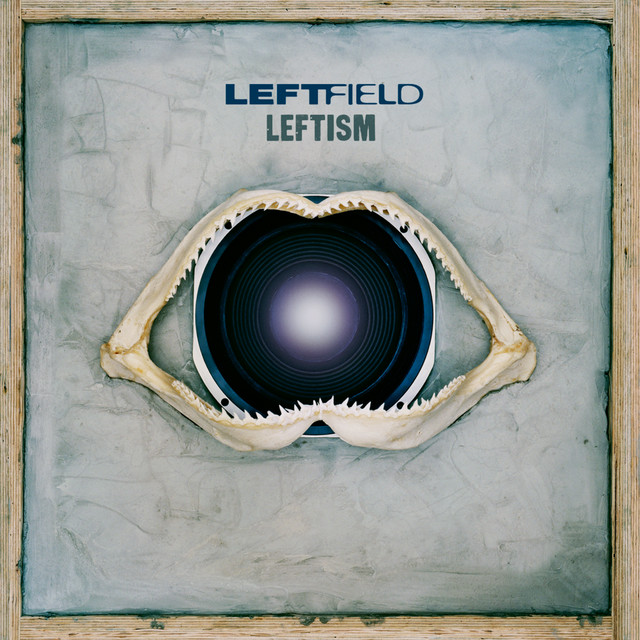
6. Leftism
Leftfield’s *Leftism* was an absolute juggernaut, a definitive statement for 90s electronic music. It fused house, techno, dub, and even a punk attitude into something monumental. The sheer power of the grooves, the cavernous production, and those guest vocalists like John Lydon, made it feel like a fully immersive experience. It was built for massive sound systems, pushing boundaries with every seismic beat.
7 / 9
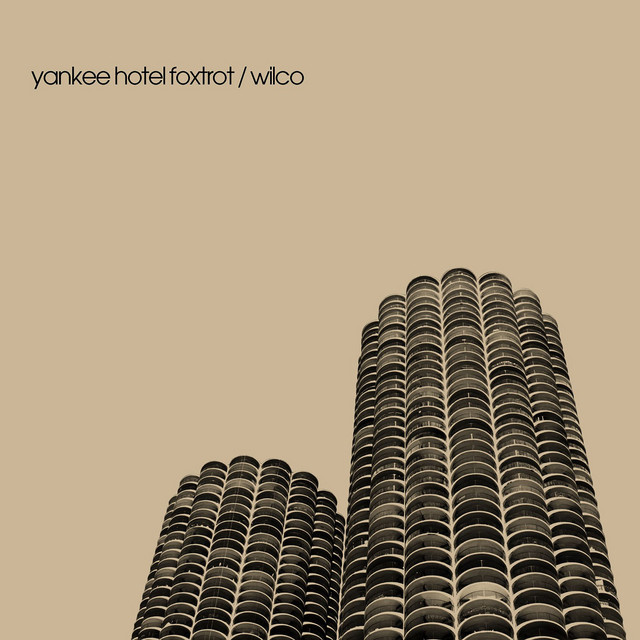
7. Yankee Hotel Foxtrot
Wilco’s *Yankee Hotel Foxtrot* felt like a beautiful, broken transmission from somewhere just beyond reach. Jeff Tweedy’s introspective lyrics, coupled with Jim O’Rourke’s avant-garde production, turned indie rock into something shimmering and uncertain. It embraced digital artifacts and sonic decay, making the imperfections part of its profound emotional landscape. This album still feels like a whispered secret.
8 / 9
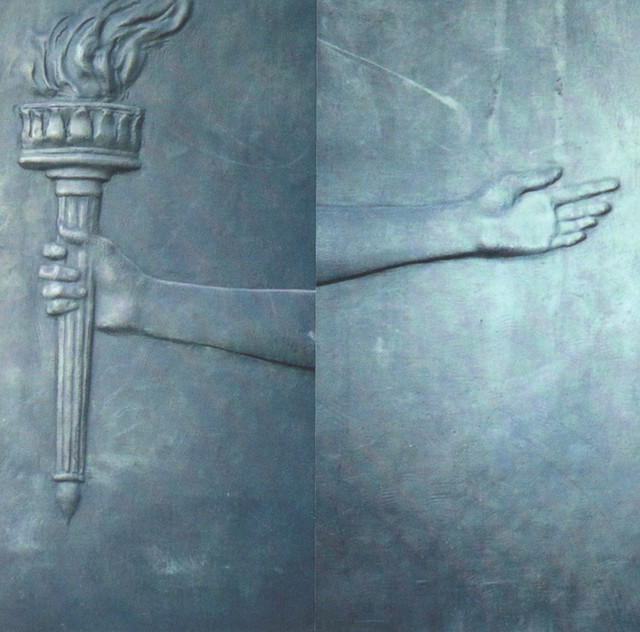
8. The Argument
Fugazi’s final act, *The Argument*, proved they were still pushing boundaries, even after a decade of doing so. It had that signature post-hardcore intensity, but with a refined sense of dynamics and melodic complexity. Ian MacKaye and Guy Picciotto’s dual vocals and intricate guitar work were as sharp as ever, delivering politically charged messages with an urgent, almost desperate precision.
9 / 9
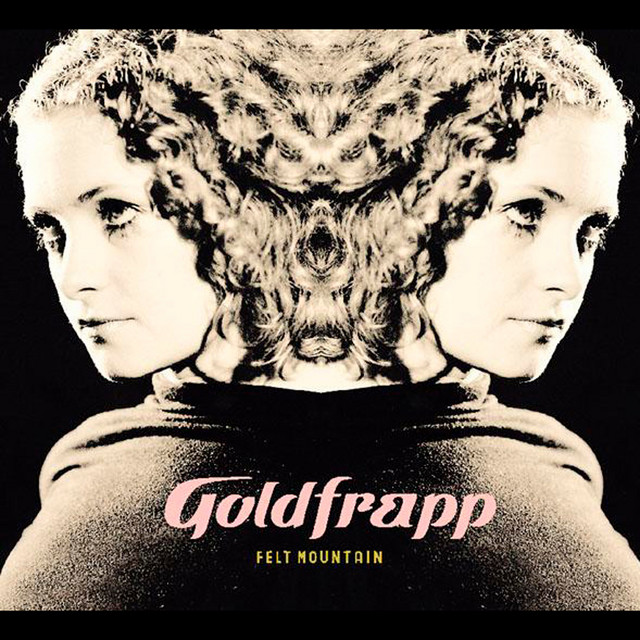
9. Felt Mountain
Goldfrapp’s debut was a glamorous, unsettling dream. Alison Goldfrapp’s voice, a siren call through cinematic soundscapes, conjured up images of smoky cabaret and dark forests. It blended trip-hop’s atmospheric chill with orchestral flourishes and a distinct, melancholic theatricality. This album felt like stumbling upon a lost film noir soundtrack, utterly unique and deeply enchanting.