
1 / 9

1. Terranigma
Terranigma, a SNES gem, never officially graced North American shores, which is a tragedy. Its sprawling narrative, from resurrecting continents to grappling with existential themes, was utterly profound. This game packed more ambition and genuine emotional weight into 16 bits than many modern AAA titles manage with hundreds of millions. It's a stark reminder that true innovation comes from vision, not just graphical fidelity or open-world bloat. The industry keeps missing that.
2 / 9
2. Fahrenheit (Indigo Prophecy)
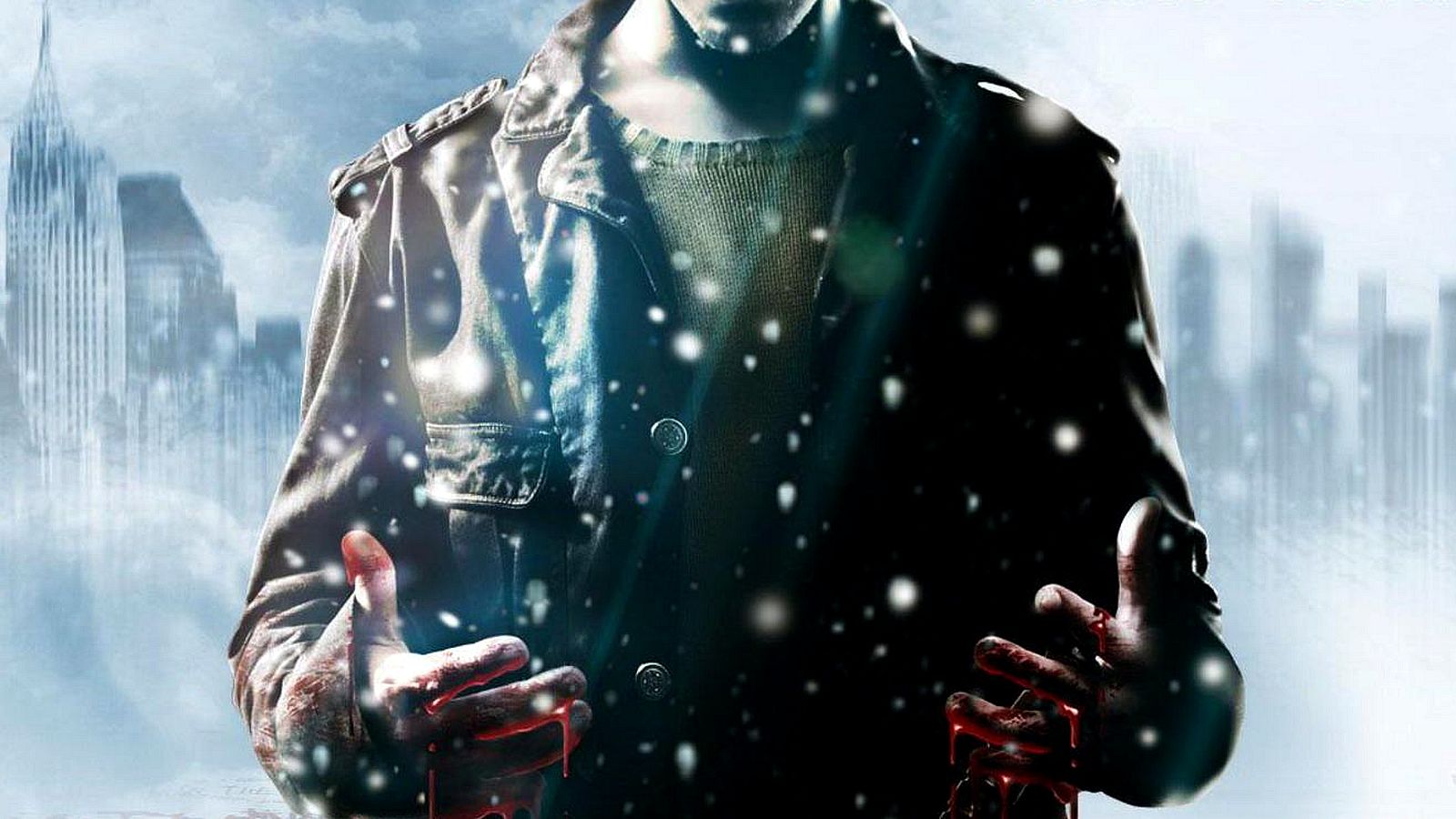
Fahrenheit, or Indigo Prophecy as some knew it, was a wild ride. It started as a gripping supernatural murder mystery, then swerved into full-blown Matrix-alien-conspiracy madness. Yet, its early commitment to player choice and cinematic storytelling felt revolutionary. It dared to be weird, ambitious, and deeply flawed, unlike the focus-tested, safe narratives dominating today's interactive drama space. We need more developers unafraid to crash and burn spectacularly.
3 / 9
3. Alpha Protocol
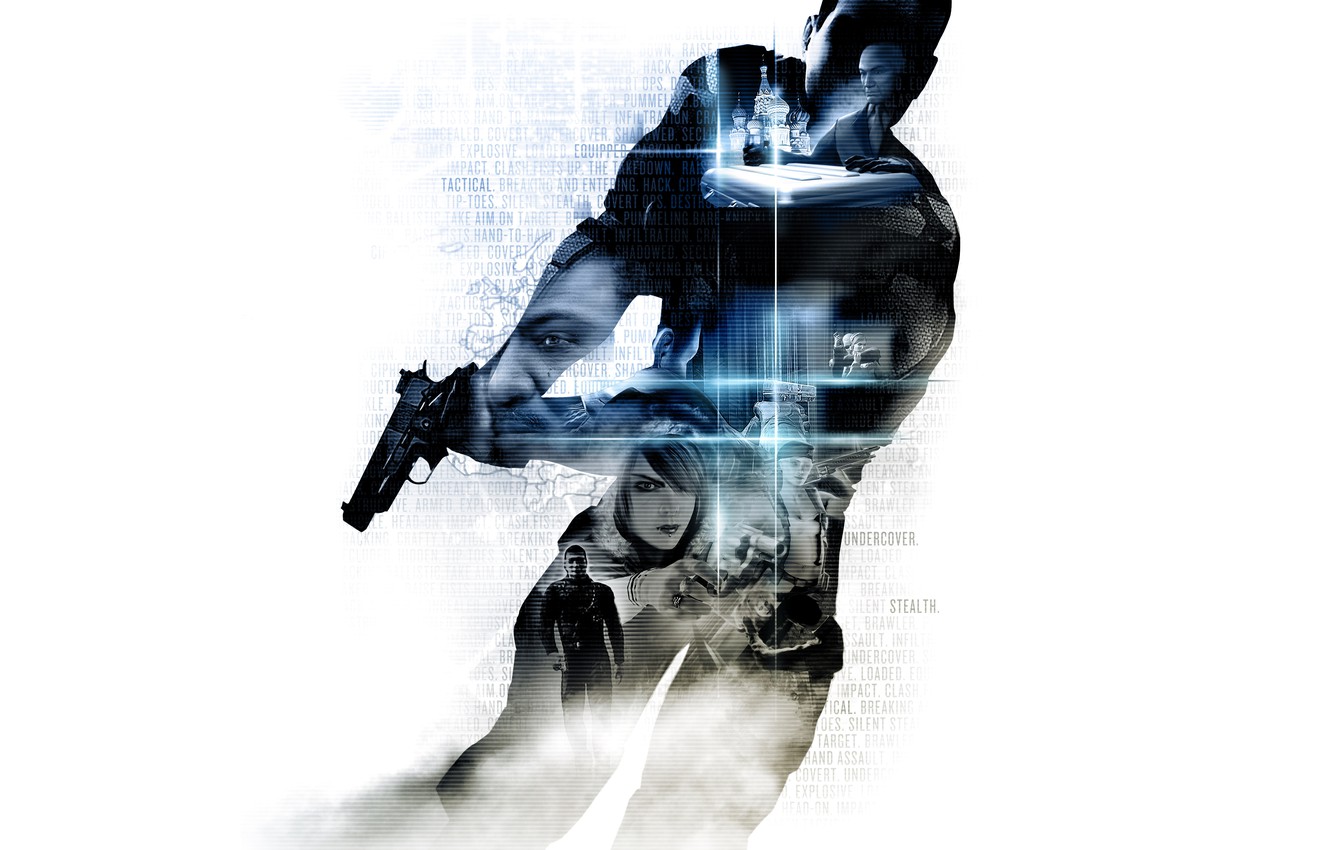
Alpha Protocol was a janky mess, let's be real. But beneath that rough exterior lay an espionage RPG masterpiece. Every dialogue choice, every mission outcome, every relationship felt like it genuinely mattered, twisting the narrative in ways most "choice-driven" games only promise. It proved player agency could be deep and intricate without needing perfect mechanics. Modern RPGs often sacrifice this impactful reactivity for shiny, but ultimately hollow, open worlds.
4 / 9
4. Enslaved: Odyssey to the West
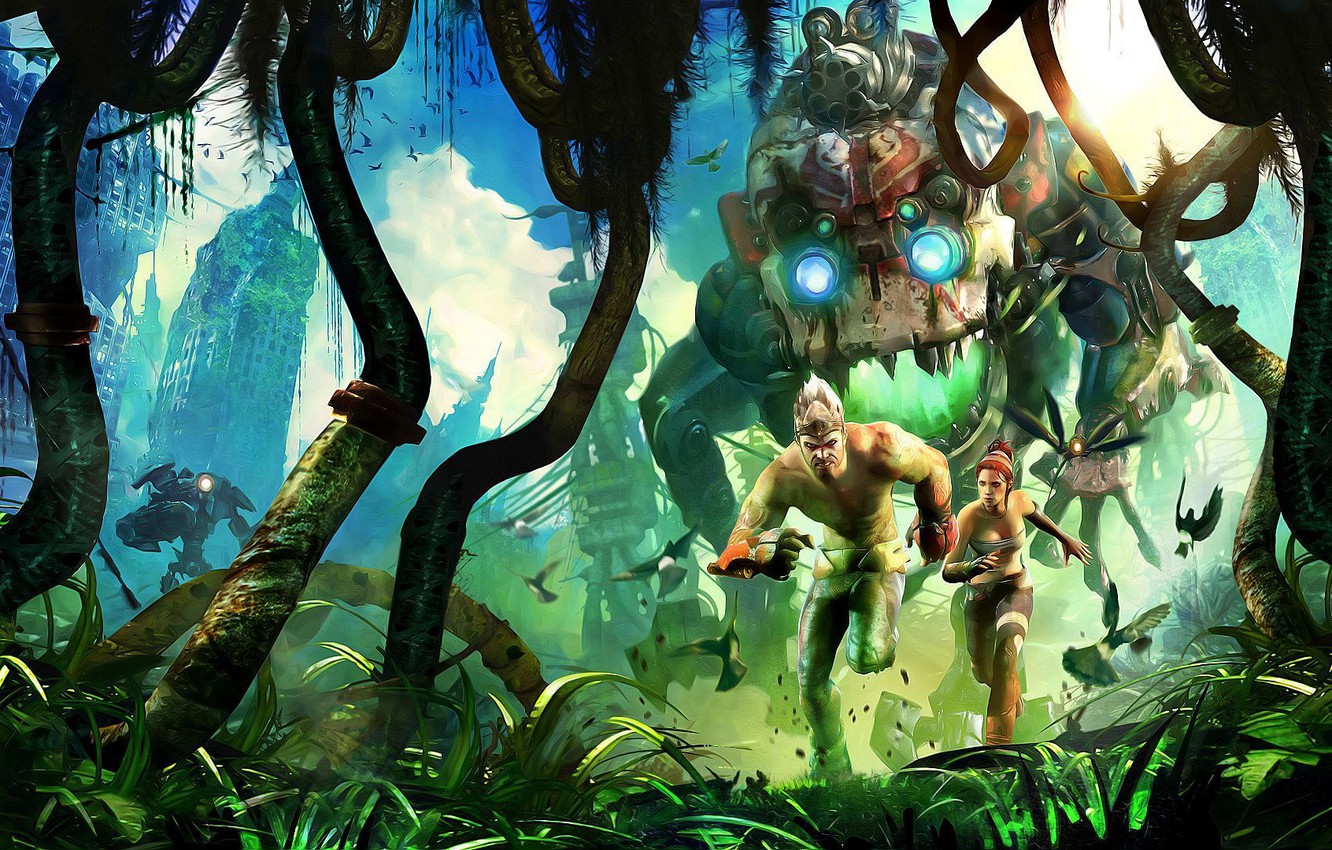
Enslaved: Odyssey to the West was pure cinematic joy. Monkey and Trip's journey across a breathtaking, overgrown post-apocalyptic America was a masterclass in character development and heartfelt storytelling. Ninja Theory proved you don't need sprawling, empty maps when you have tight design, engaging combat, and a genuine emotional core. It's frustrating how many publishers still believe "open world" equals "better game," ignoring gems like this.
5 / 9
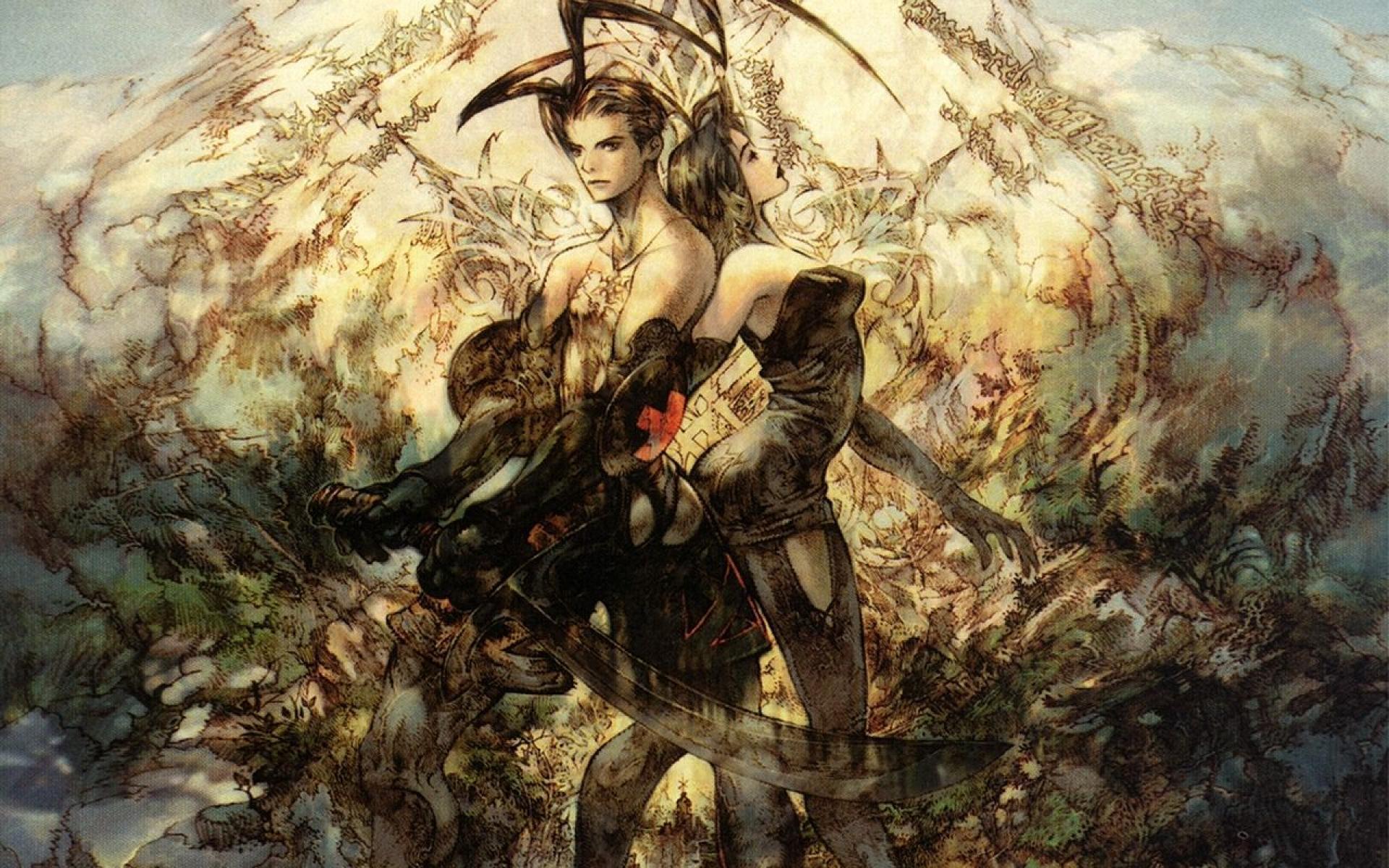
5. Vagrant Story (2000)
Vagrant Story, from 2000, was Square's dark, complex masterpiece. Its combat system was bafflingly deep, demanding strategic weapon crafting and enemy limb targeting, all wrapped in a dense, almost Shakespearean narrative. This wasn't for everyone, and that was its strength. It dared to challenge players, valuing intricate systems and atmosphere over hand-holding. Today, that kind of uncompromising vision often gets stripped down for mass consumption.
6 / 9
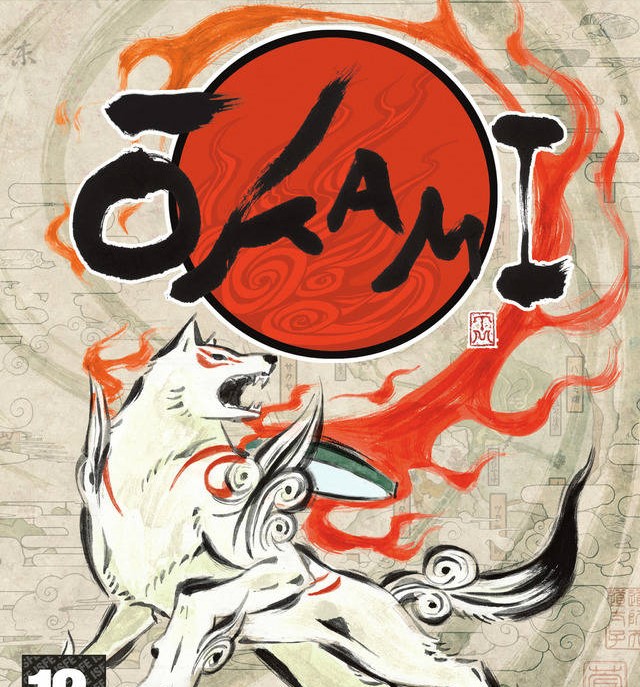
6. Okami
Okami was, and still is, a visual feast, a living Ukiyo-e painting. Its Celestial Brush mechanic wasn't just a gimmick; it was integrated flawlessly into combat and puzzles, making you feel genuinely creative. This game oozed charm and personality from every pixel, proving that art direction can elevate gameplay into something truly unforgettable. It's a shame we don't see more big-budget games daring to look this unique anymore.
7 / 9
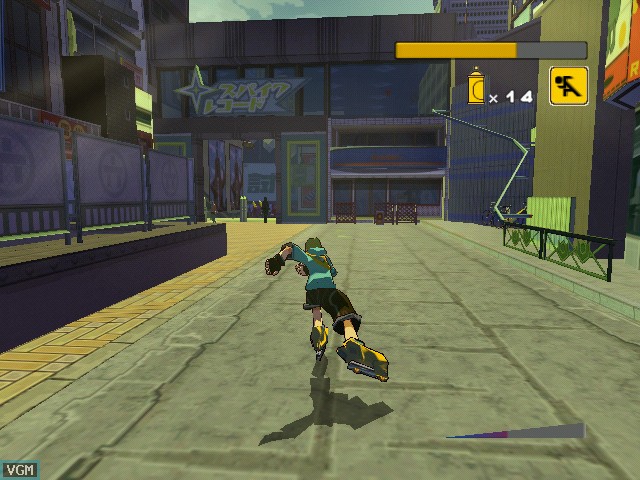
7. Jet Set Radio Future
Jet Set Radio Future wasn't just a game; it was an entire aesthetic. The cel-shaded Tokyo-to, the unparalleled soundtrack, the sheer joy of grinding rails and tagging walls—it was all about rebellious self-expression and effortless cool. Few games have ever captured such a distinct, infectious vibe. The industry often forgets that sometimes, pure style and impeccable sound design are just as crucial as narrative or graphics for creating a timeless experience.
8 / 9
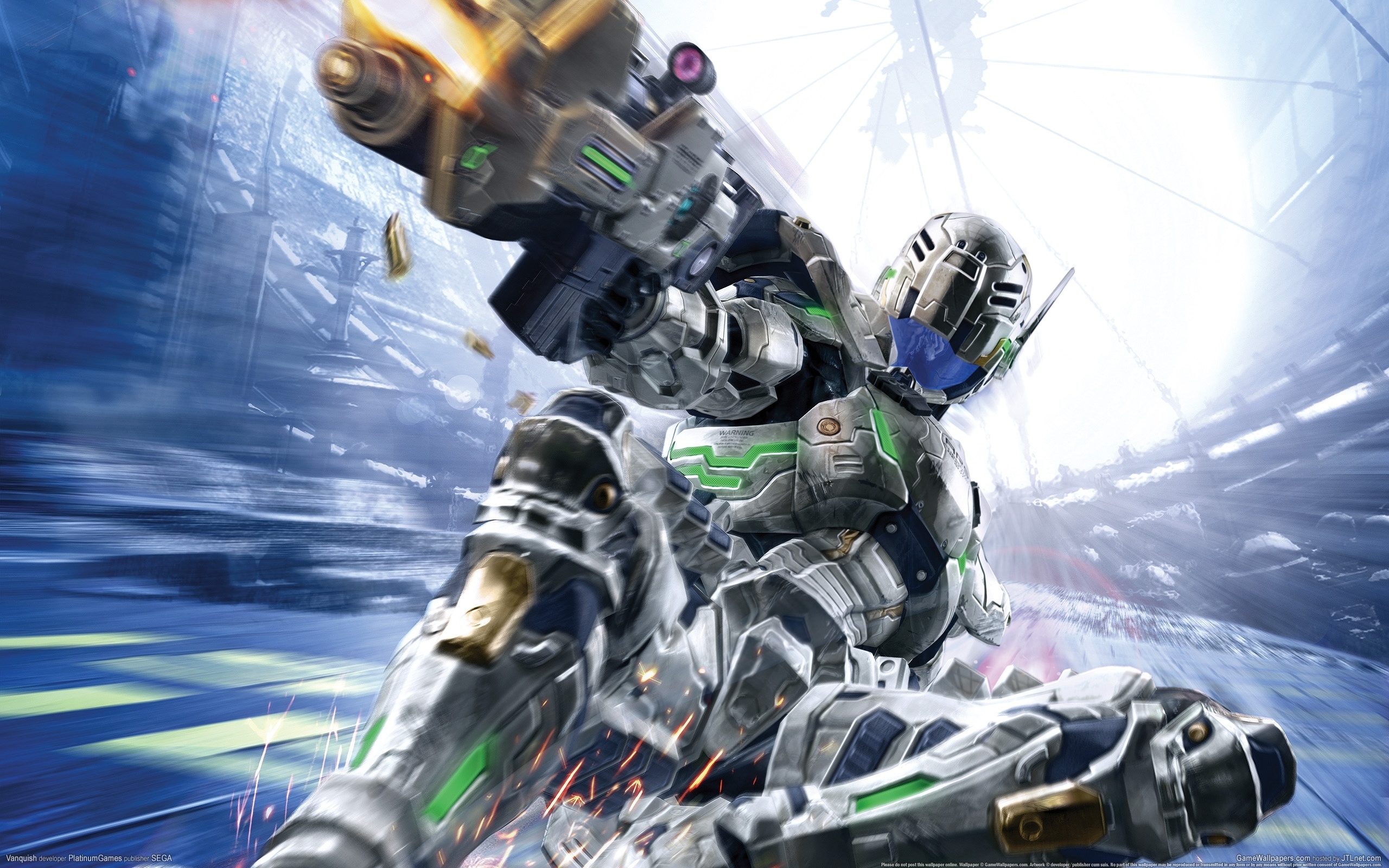
8. Vanquish
Vanquish is pure, unadulterated action game genius. Rocket-sliding through bullet-hell arenas, delivering brutal melee attacks in slow motion, it redefined high-speed third-person shooting. PlatinumGames crafted a power fantasy that felt incredible to play, prioritizing kinetic flow and mechanical mastery above all else. It's baffling how few shooters have truly learned from its precision and adrenaline-pumping design, often opting for cover-shooter stagnation instead.
9 / 9
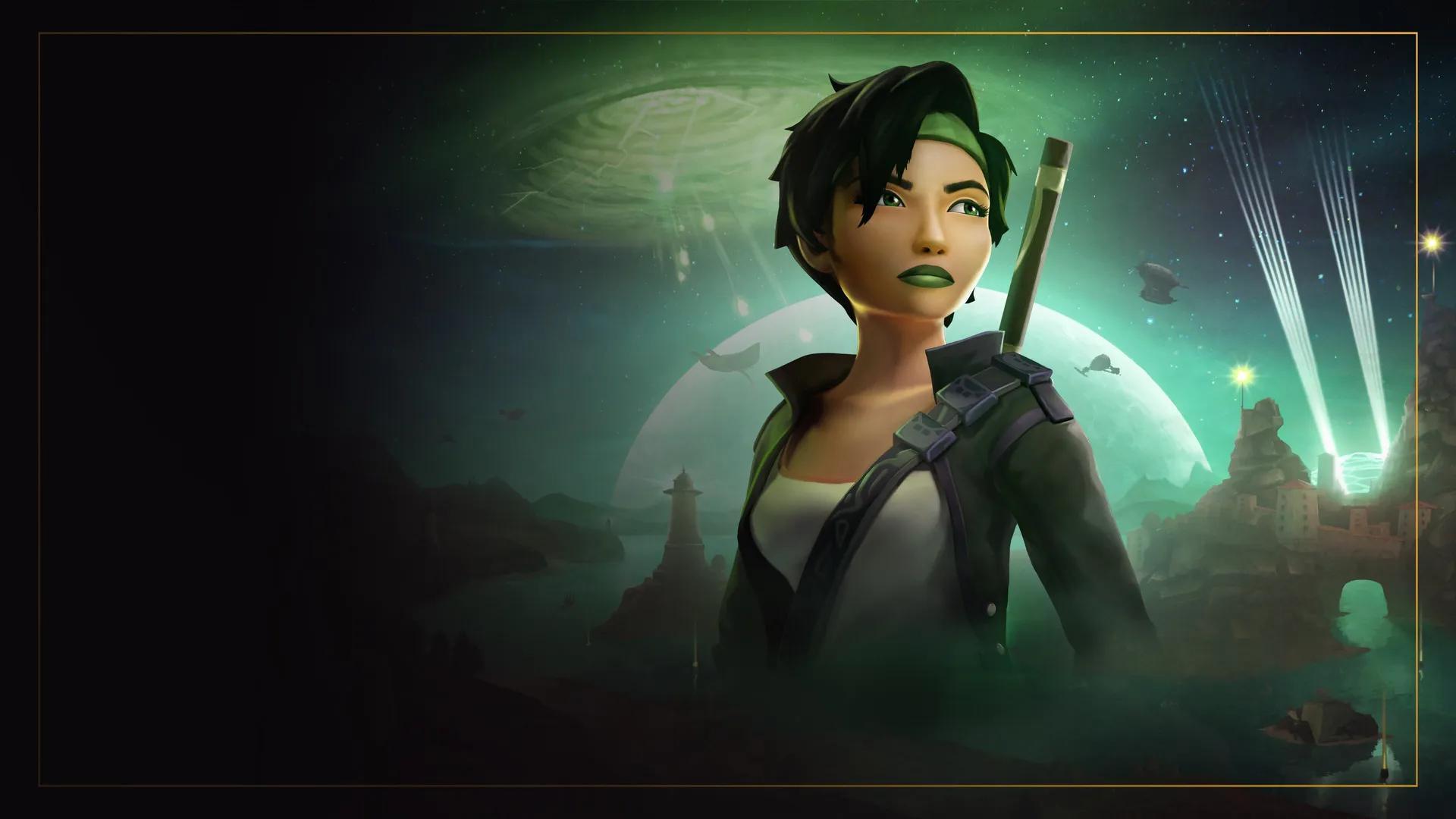
9. Beyond Good & Evil - 20th Anniversary Edition
Beyond Good & Evil – now with a 20th Anniversary Edition – was always special. Its blend of photography, stealth, combat, and genuinely lovable characters like Jade and Pey'j created a truly unique adventure. It proved that a game didn't need to be a massive commercial hit to leave an indelible mark. Yet, its legacy is marred by a sequel that’s been vaporware for years, highlighting the industry's failure to nurture beloved, smaller-scale IPs.