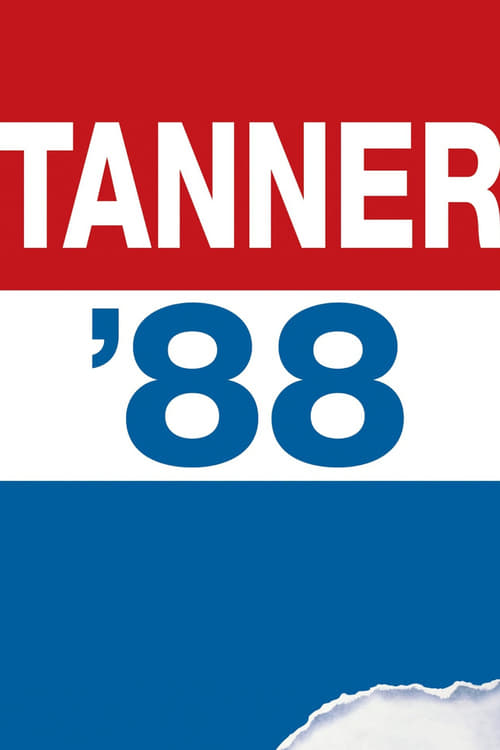
1. Tanner '88
Before reality TV became a punchline, there was *Tanner '88*. Altman and Garry Trudeau crafted this political mockumentary, following a fictional presidential candidate with unsettling realism. It blurred the lines between fiction and actual politics, using real-life figures and events. This wasn't just a show; it was a conversation, a meta-narrative predicting the blurring of media and political spectacle long before cable truly found its teeth. It showed TV could be smart, timely, and deeply unsettling.
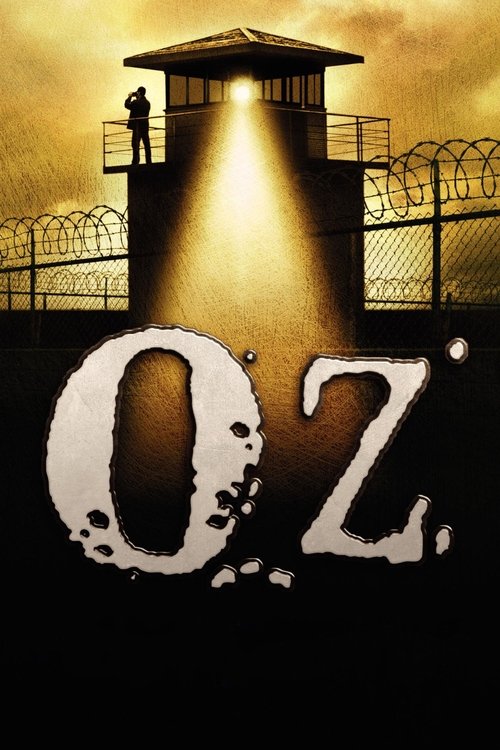
2. Oz
This was HBO planting its flag, proving cable wasn't just for movies and boxing. *Oz* took us inside a brutal experimental prison unit, pushing boundaries with violence, sex, and moral ambiguity. It was an ensemble drama where every character felt vital, and the serialized storytelling meant you couldn't miss an episode. This show didn't just suggest TV could be adult; it screamed it, laying groundwork for the uncompromised narratives that would define the next decade. Raw and relentless.
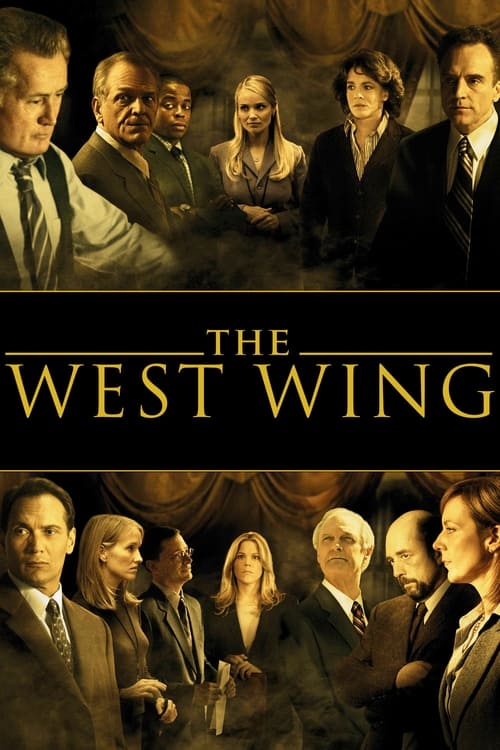
3. The West Wing
Aaron Sorkin’s *The West Wing* elevated network drama, proving you could be both popular and incredibly smart. Its rapid-fire dialogue, intricate plots, and moral complexities drew you into the White House. This was prestige network TV, showcasing ensemble acting and serialized arcs that demanded attention. It felt cinematic, with those long walk-and-talks, making politics compelling and almost aspirational, setting a high bar for dramatic writing on a mass scale.
4. Six Feet Under
Alan Ball gave us *Six Feet Under*, a show about death that was profoundly about life. The Fisher family, running a funeral home, navigated grief, love, and dysfunction with a dark, often surreal humor. HBO let this show breathe, allowing for deep character dives and serialized plots that explored existential questions without easy answers. Its distinctive tone and commitment to its characters' messy lives proved cable could offer intimate, challenging storytelling network TV wouldn't touch.

5. The Office
Before the American version, there was Ricky Gervais and Stephen Merchant's original *The Office*. This British mockumentary perfected cringe comedy, observing mundane workplace life with a brutal, hilarious honesty. David Brent was a tragicomic figure, and the handheld cameras made it feel like you were genuinely watching a documentary. It was character-driven, subtle, and profoundly influential, showing how a low-fi, observational style could deliver huge laughs and genuine pathos. A game changer for comedy.
6. K Street
Steven Soderbergh and George Clooney’s *K Street* was a wild experiment in hybrid storytelling. Shot almost in real-time, it mixed real political consultants and actors, improvising storylines that often mirrored actual D.C. events. This HBO series was an early dive into blurring the lines between fiction and reality, using a documentary aesthetic to capture the chaotic pulse of lobbying. It was ahead of its time, a bold, messy, and ultimately fascinating precursor to how TV would later play with authenticity.
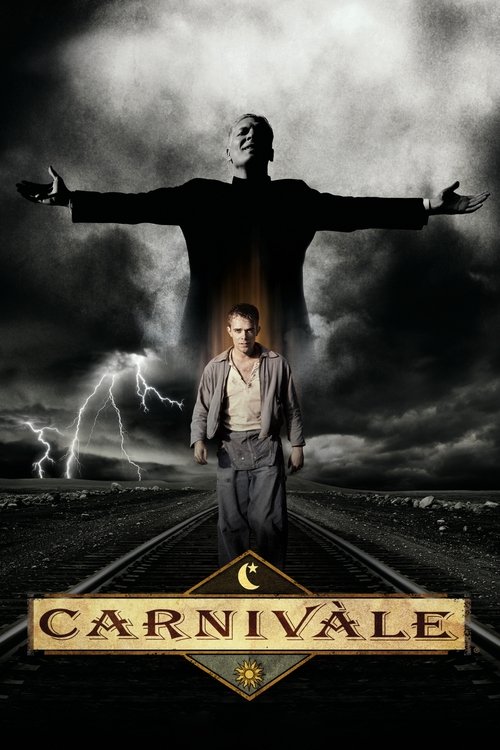
7. Carnivàle
Carnivàle was HBO swinging for the fences with a visually stunning, deeply ambitious period piece. Set during the Great Depression, it plunged into a traveling carnival amidst a struggle between good and evil. Its dense mythology, surreal imagery, and slow-burn serialized narrative demanded attention. This show proved cable would invest in stories too complex and niche for network, pushing cinematic boundaries and creating an immersive, dark world that lingered long after the credits rolled.
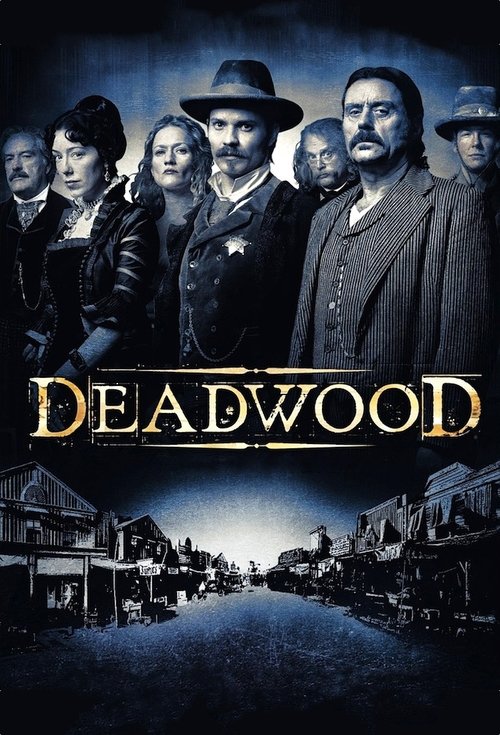
8. Deadwood
David Milch's *Deadwood* brought the Old West to life with an unmatched ferocity and lyrical profanity. This HBO series was a masterclass in ensemble acting and historical immersion, depicting the raw, unvarnished birth of a town. Its cinematic scope, intricate character relationships, and serialized arcs felt like a novel playing out on screen. It wasn't just a western; it was a character study, a brutal poem, showcasing how cable could elevate genre with uncompromising vision and language.
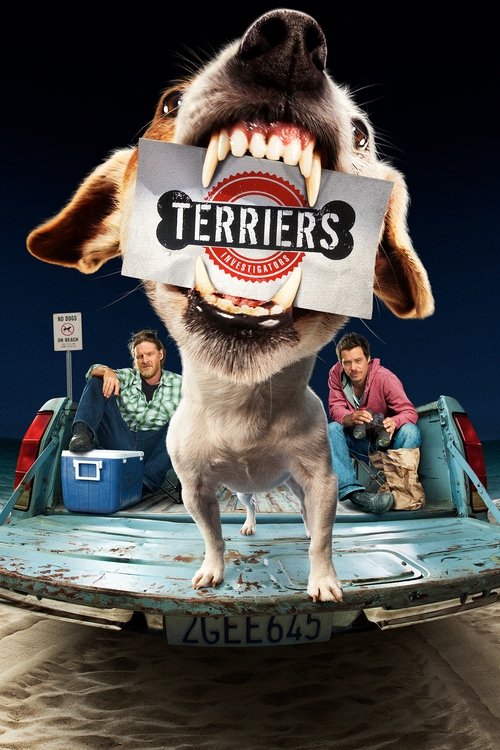
9. Terriers
FX’s *Terriers* was a gem that got canceled too soon, a perfect example of cable's risk-taking. It followed two unlicensed P.I.s in San Diego, combining episodic cases with a deeply serialized overarching mystery. It was character-driven, featuring flawed but lovable anti-heroes and sharp, witty dialogue. This show proved that even on a smaller scale, cable could deliver nuanced, gritty, and emotionally resonant storytelling that felt authentic and grounded, a true deep cut for discerning viewers.