
1 / 9
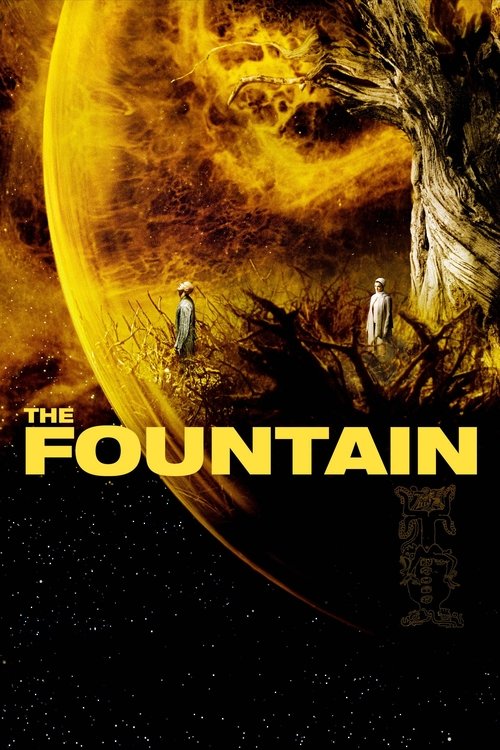
1. The Fountain
This film's visual poetry, blending macro photography of chemical reactions with CG, crafts cosmic spectacles that feel deeply personal. Imagine AI generating immersive VR narratives based on this aesthetic, where emotional states manifest as evolving nebulae. It shows how technology in content creation can transcend traditional boundaries, creating non-linear, profoundly moving experiences that blur memory and reality, making every frame a hopeful, thought-provoking journey through time and love.
2 / 9

2. Waking Life
Richard Linklater used rotoscoping to give this film its distinct, dreamlike quality, making philosophical discussions feel like they're happening inside your head. Think about AI applying similar artistic filters dynamically to virtual worlds, or crafting branching narratives based on your real-time responses to existential questions. This film is a blueprint for interactive, AI-driven stories that adapt to your consciousness, turning passive viewing into an active exploration of self and reality.
3 / 9
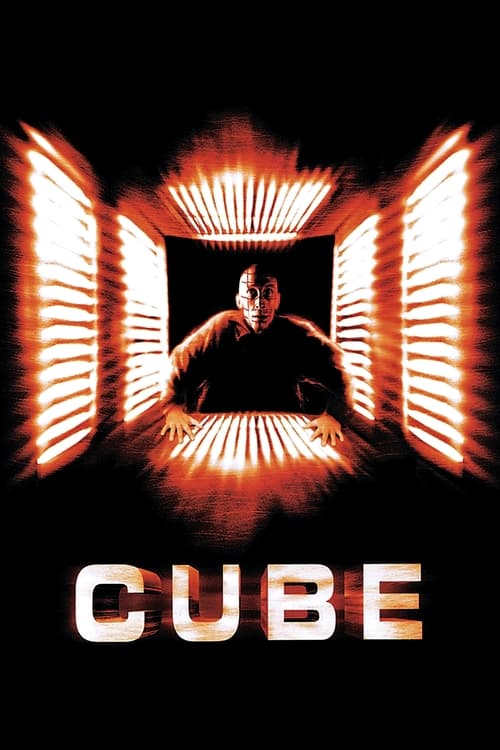
3. Cube
This movie's high-concept, procedurally generated labyrinth is a fascinating precursor to AI-driven narrative design. Imagine AI crafting an entire escape room experience where the environment, traps, and puzzles dynamically evolve based on your choices and emotional state. It's about creating contained, intense psychological thrillers that challenge your intellect and primal instincts, showing how complex, adaptive worlds can be built with minimal elements, pushing the limits of content creation.
4 / 9
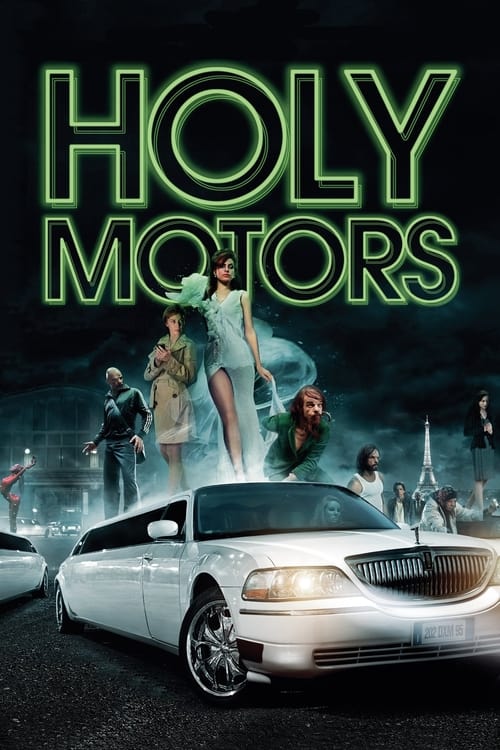
4. Holy Motors
Leos Carax's episodic masterpiece explores identity and performance, with characters shifting roles and realities throughout the day. This is prime territory for AI-driven storytelling, where users could inhabit different avatars in a VR world, each day presenting new 'assignments' and personas. It challenges our perception of self and the narratives we construct, showcasing how technology could facilitate deeply meta and emotionally complex explorations of what it means to 'act' in a simulated life.
5 / 9
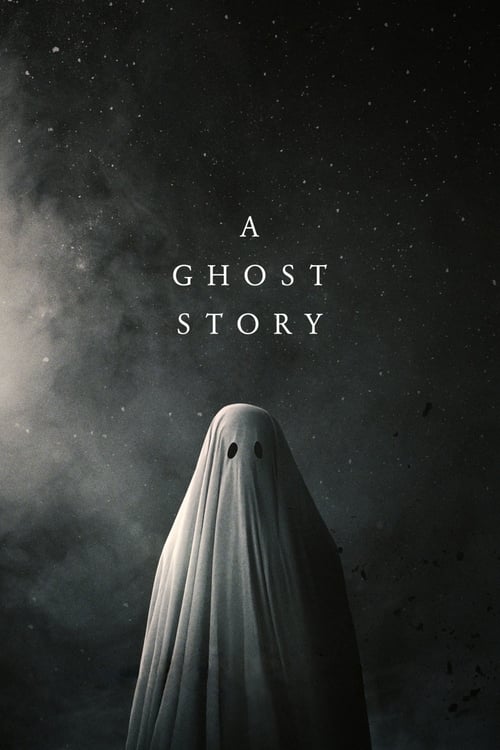
5. A Ghost Story
With its simple yet profound visual of a sheet-ghost, this film explores time, grief, and presence in a uniquely contemplative way. AI could craft similar reflective narratives in VR, allowing users to experience the echoes of past events or the slow decay of memory in a personalized space. It's about using subtle, persistent environmental storytelling to evoke deep emotion, showing how advanced tech can create intimate, haunting experiences without needing flashy effects.
6 / 9
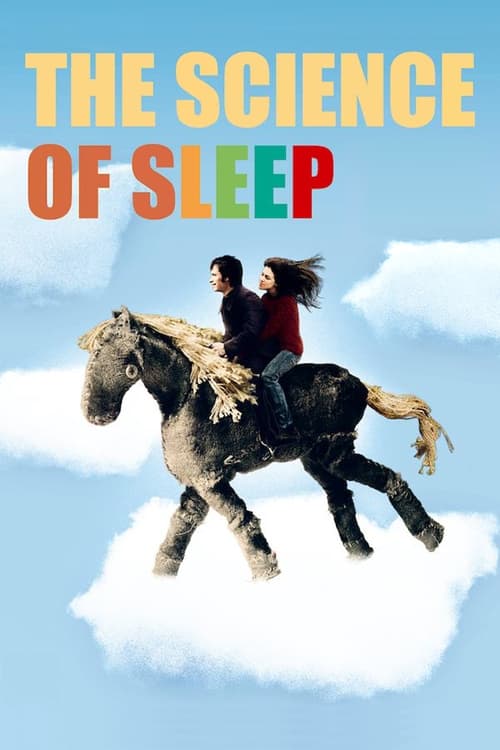
6. The Science of Sleep
Michel Gondry’s whimsical blend of stop-motion, practical effects, and live-action perfectly captures the chaos and beauty of dreams. Imagine AI constructing personalized dreamscapes, where your subconscious thoughts manifest as quirky, handcrafted visuals. It’s about building narratives that are intimate, visually distinct, and blur the lines between waking and dreaming, creating stories that feel uniquely yours, like stepping directly into your own playful, hopeful imagination.
7 / 9
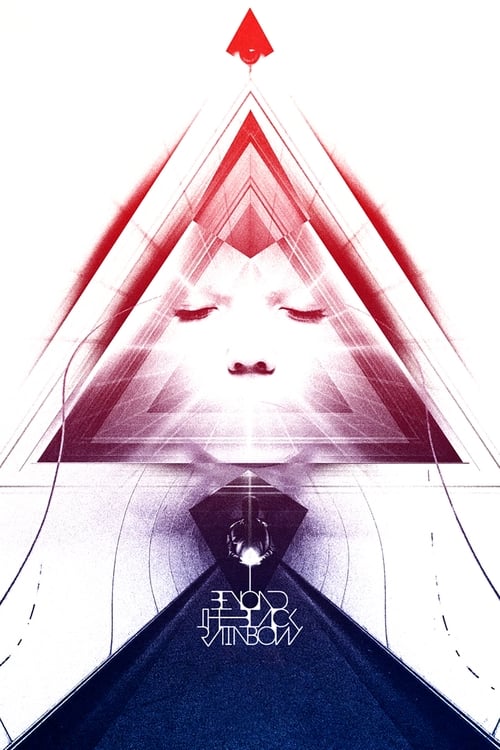
7. Beyond the Black Rainbow
This film's hypnotic, retro-futuristic aesthetic and focus on psychic manipulation are a goldmine for immersive technology. Think about AI-driven VR experiences where environmental design and sound are meticulously crafted to induce specific emotional states or simulate altered perceptions. It's a powerful blueprint for narratives exploring mental landscapes and controlled environments, proving how a distinct visual style and psychological depth can create an unforgettable, unsettlingly beautiful journey.
8 / 9
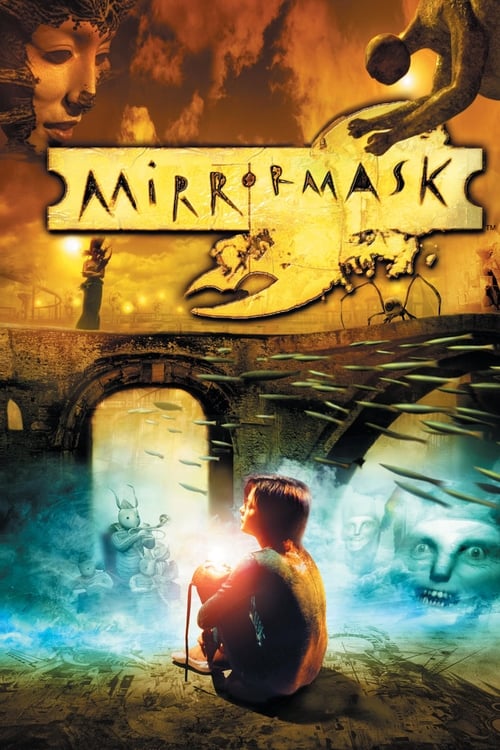
8. MirrorMask
Neil Gaiman and Dave McKean's dark fantasy world is a visual feast, blending illustration, CG, and practical effects. Imagine AI generating entire dream worlds with this level of artistic detail and narrative depth, responsive to a user's choices. This film shows how cutting-edge content creation can lead us through fantastical, often menacing subconscious realms, proving that art and technology can combine to create truly personalized, richly textured fantasy adventures.
9 / 9

9. Belladonna of Sadness
This film's revolutionary animation style, blending static, watercolor paintings with fluid motion, is a masterpiece. Imagine AI generating animated narratives that look like moving art installations, where every frame is a testament to artistic vision. It pushes the boundaries of visual storytelling, showcasing how AI could empower artists to craft deeply emotional, visually stunning narratives, transforming traditional animation into an ever-evolving, personalized, and hopeful artistic experience.