

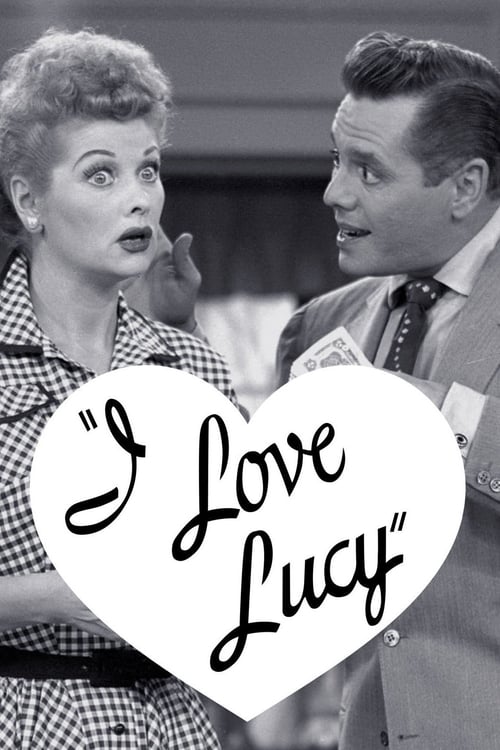
1. I Love Lucy
This was it, wasn't it? Lucy Ricardo, a housewife who just wanted to be in the show business, and her long-suffering bandleader husband. Shot on film, mind you, not kinescope, which meant syndication was a goldmine. The multi-camera setup, the live audience — it set the standard for every sitcom that followed. You laughed, you cringed, you knew exactly what Lucy was up to. A pure, unadulterated television sensation, right from the start.
2. The Twilight Zone
Oh, Rod Serling. He understood the power of the small screen to tell a truly unsettling tale. These weren't your typical half-hour adventures; they were thoughtful, often chilling parables wrapped in science fiction or fantasy. Black and white, of course, which only added to the stark, sometimes claustrophobic atmosphere. It made you think, and then it made you look over your shoulder. A proper masterclass in short-form drama, indeed.

3. The Ed Sullivan Show
Sunday nights, 8 o'clock. You were either watching Ed Sullivan or you were talking about what you saw on Ed Sullivan the next day. He'd bring out the plate spinners, the opera singers, the comedians, and then, boom, a rock and roll group that would change everything. It was live, often a bit stiff, but always a happening. And it showed us that television could unite a nation, even if just for an hour of entertainment.
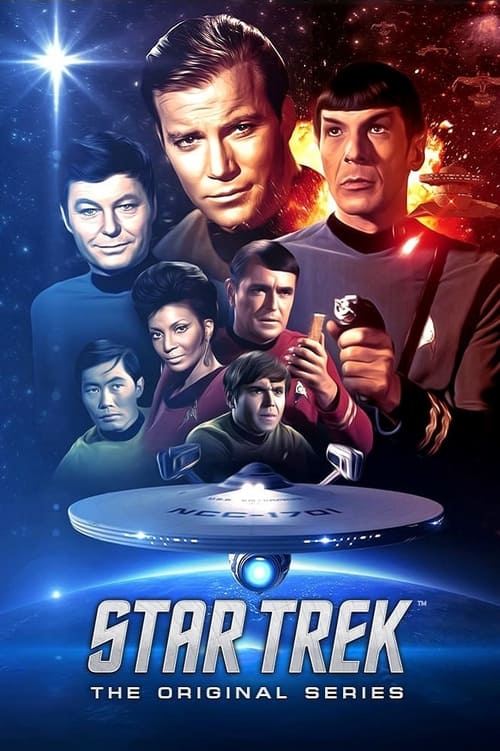
4. Star Trek
Now, *this* was a gamble. A wagon train to the stars, they called it. Gene Roddenberry pushed the boundaries, showing us a future where people of all colors and creeds worked together. The special effects were primitive by today's standards, often looking like cardboard and tinfoil, but the stories! They were about big ideas, about humanity's place in the universe. It dared to be intelligent, and that stuck with people, for generations.

5. All in the Family
Archie Bunker. You either loved him or you hated him, but you couldn't ignore him. This wasn't your polite, tidy sitcom. It tackled race, war, and generational divides head-on, often making you uncomfortable while still making you laugh. It proved that television could hold a mirror to society, even if that reflection wasn't always pretty. And it sparked conversations around dinner tables nationwide, every week, without fail.
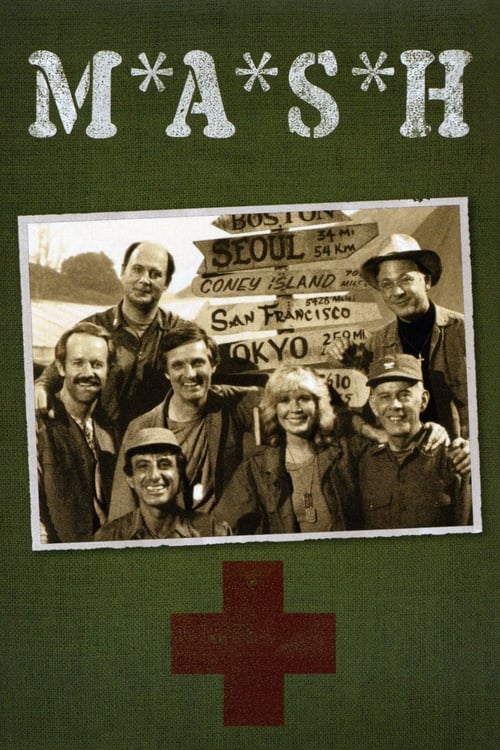
6. M*A*S*H
They said you couldn't make a comedy about war, but *M*A*S*H* proved them wrong, and then some. It blended slapstick with genuine heartache, often within the same scene. You'd laugh at Hawkeye's antics one moment, and then be hit by the stark reality of the operating room the next. It was a show that grew with its audience, evolving from pure comedy to something much deeper, a true dramatic accomplishment on the airwaves.
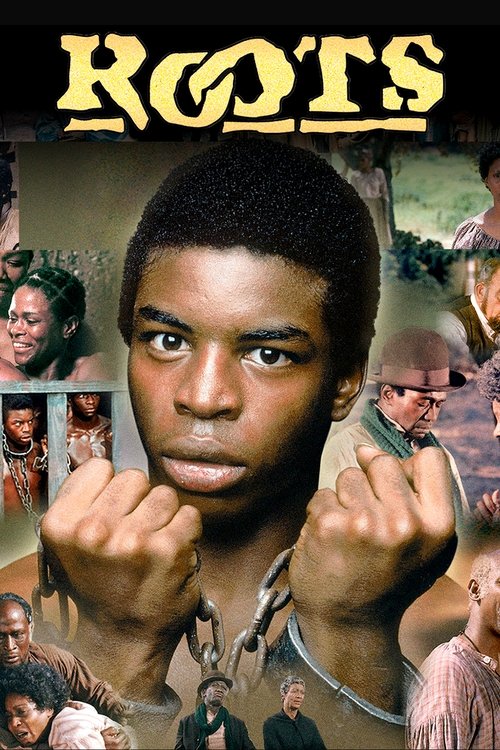
7. Roots
No one had seen anything quite like *Roots*. An epic story, told over multiple nights, tracing generations. It wasn't just a drama; it was a cultural event, bringing history into living rooms with an emotional force that was almost unbearable. People cleared their schedules, talked about it at work, cried together. It showed television's immense power to educate, to move, and to truly unify a national conversation, for better or worse.
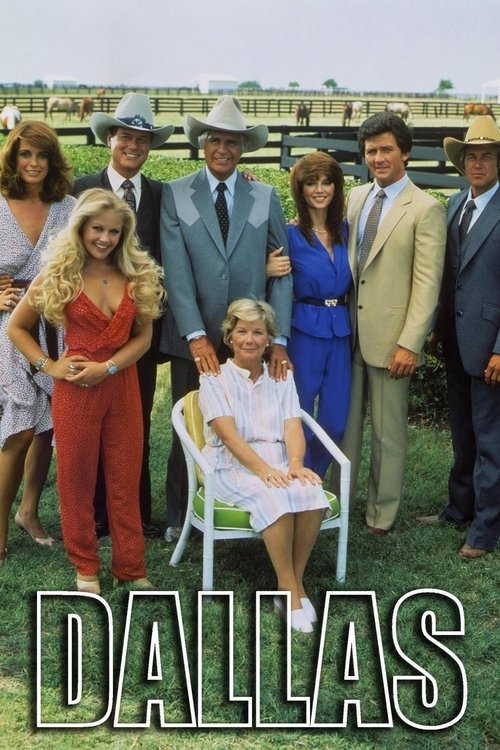
8. Dallas
Ah, the Ewings! This was prime-time melodrama perfected. The backstabbing, the oil deals, the shocking reveals – it was appointment viewing for millions. And that "Who Shot J.R.?" cliffhanger? It brought the whole country to a standstill. It showed that long-form, serialized storytelling, once the domain of daytime, could dominate the evening hours and keep an audience hooked for years. Pure, unadulterated escapism, every Friday night.
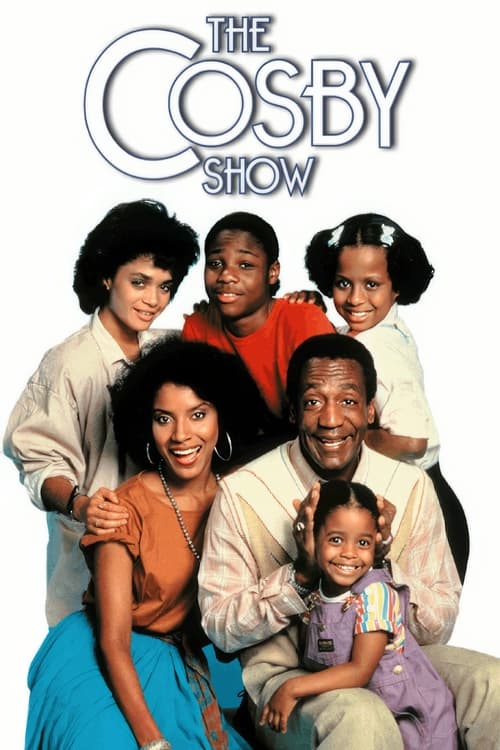
9. The Cosby Show
After years of fractured families and cynical humor, *The Cosby Show* brought back the wholesome family sitcom. It was smart, funny, and showcased a loving, successful Black family in a way television hadn't truly done before. Bill Cosby himself was a master of capturing those small, everyday family moments. It proved that sometimes, quiet charm and genuine warmth could be the biggest draw on the airwaves, week after week.