
1 / 9
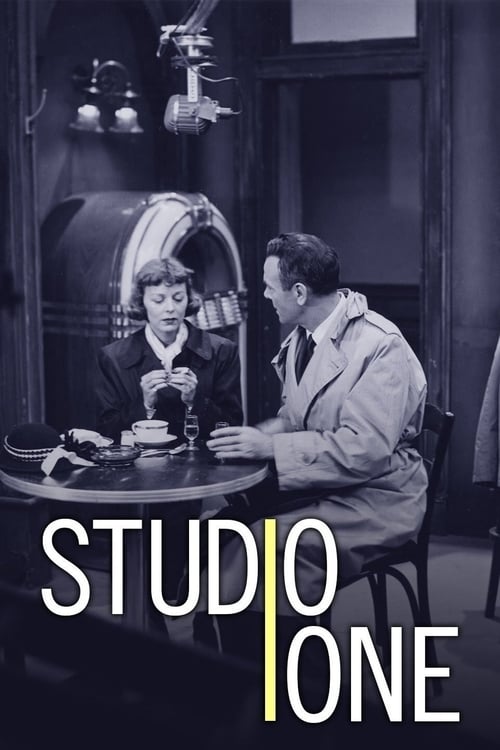
1. Studio One
Before tape, before color, "Studio One" was live, grand theater on a small screen. You felt the immediacy, the risk. It was raw, powerful melodrama, captured sometimes imperfectly on kinescope, but the performances often outshone the technical limitations. A real proving ground for actors and writers, pioneering the dramatic potential of this new medium.
2 / 9
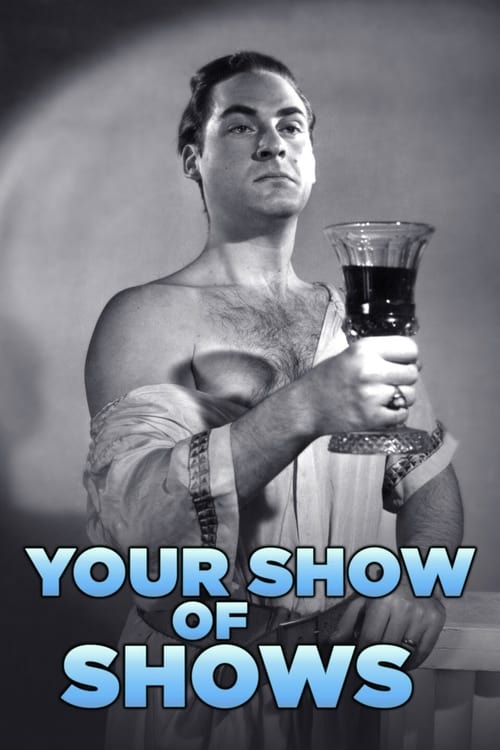
2. Your Show of Shows
Sid Caesar and Imogene Coca, live and unleashed. This wasn't just a variety show; it was a weekly masterclass in comedy. The sketches were sharp, the pace relentless, and you knew anything could happen in real time. You watched for the sheer brilliance of it, the kind of live wire act that just doesn't happen anymore.
3 / 9

3. The Phil Silvers Show
Bilko. Just saying the name brings a smile. Phil Silvers, a con man with a heart (sometimes), running scams from the motor pool. It was fast, it was funny, and that rapid-fire dialogue was a revelation. A perfect black-and-white sitcom, showing how a single character could carry a whole brigade of laughs.
4 / 9

4. Naked City
"There are eight million stories in the Naked City. This has been one of them." What an opening! This wasn't a studio set; it was New York itself, gritty, real. Each week, a new slice of life, often dark, always compelling. It showed how television could be more than just entertainment; it could be a mirror.
5 / 9
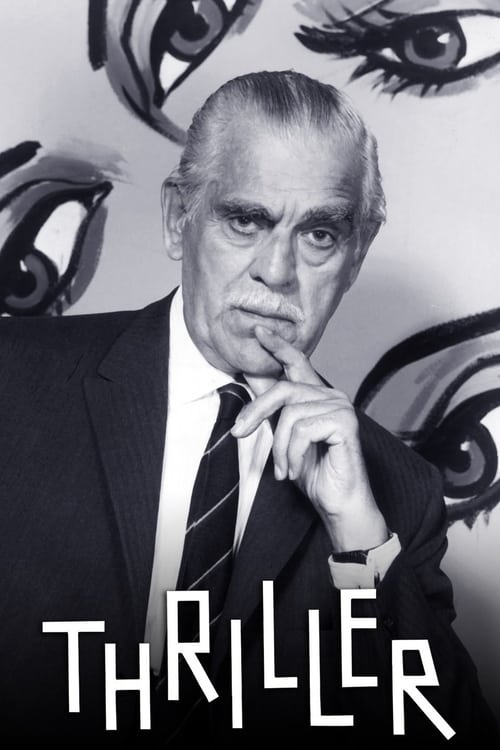
5. Thriller
Boris Karloff himself introducing tales of the macabre. This was where you went for a good scare, a shiver down the spine. It leaned into the shadows, the psychological, proving that black and white could be incredibly atmospheric. No cheap jump scares, just slow, creeping dread and genuinely unsettling stories.
6 / 9
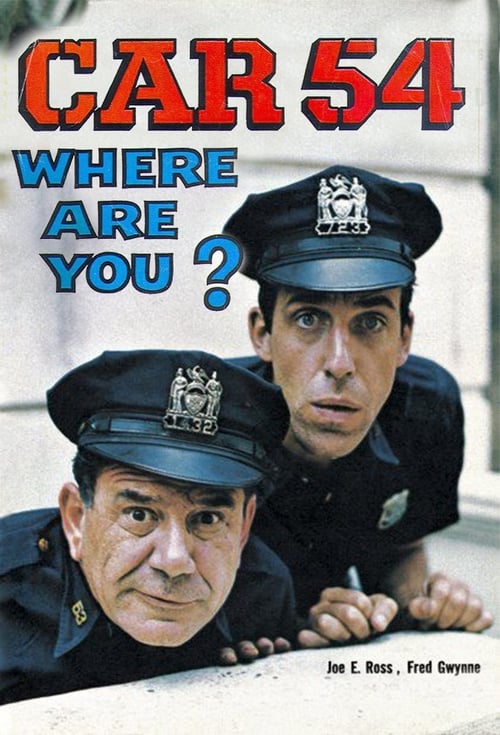
6. Car 54, Where Are You?
Two cops in a patrol car, but it was never really about the police work. This was pure, gentle absurdity. Toody and Muldoon, a mismatched pair, bumbling through their beat in the Bronx. It was a simpler kind of funny, character-driven and often physical, a real comfort watch in those early days of television.
7 / 9
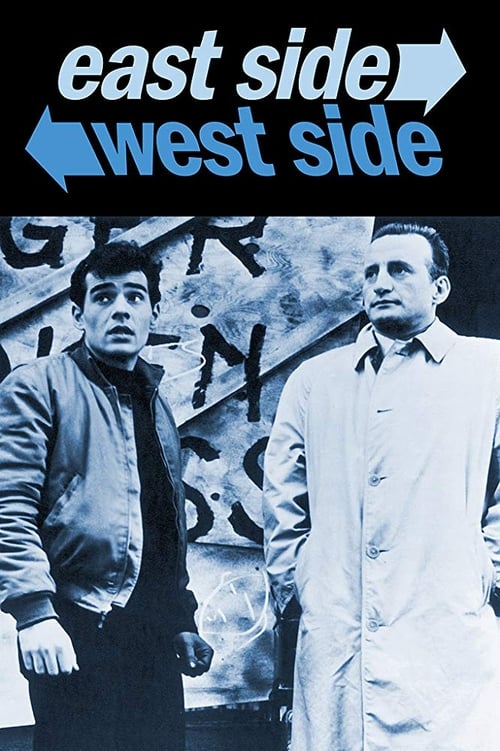
7. East Side/West Side
George C. Scott tackling real social problems in New York. This show wasn't afraid to get its hands dirty, exploring poverty, crime, and inequality with an unflinching gaze. It was ahead of its time, too honest perhaps for some, but it showed television could grapple with serious, uncomfortable truths and not just escapism.
8 / 9

8. The Fugitive
David Janssen, always on the run. This was a chase that lasted for years, a new town, new faces, every week bringing him closer or further from the truth. It redefined what television drama could be, proving that audiences would stick with a serialized story, week after week, waiting for a final resolution.
9 / 9
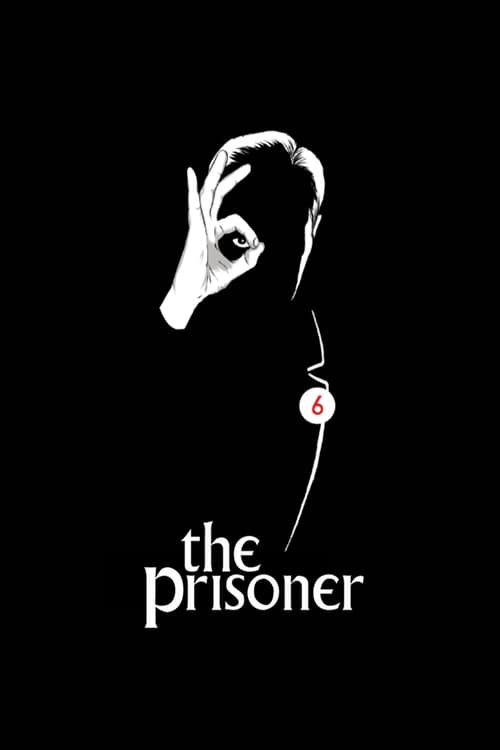
9. The Prisoner
"I am not a number! I am a free man!" Patrick McGoohan's defiant cry. This was television as a puzzle box, surreal, unsettling, and utterly captivating. A spy trapped in a beautiful, sinister village, fighting for his identity. It made you think, made you question. A true mind-bender that pushed boundaries like nothing else.